Do Sports Drinks Damage Your Teeth? What Athletes Should Know About Enamel Erosion
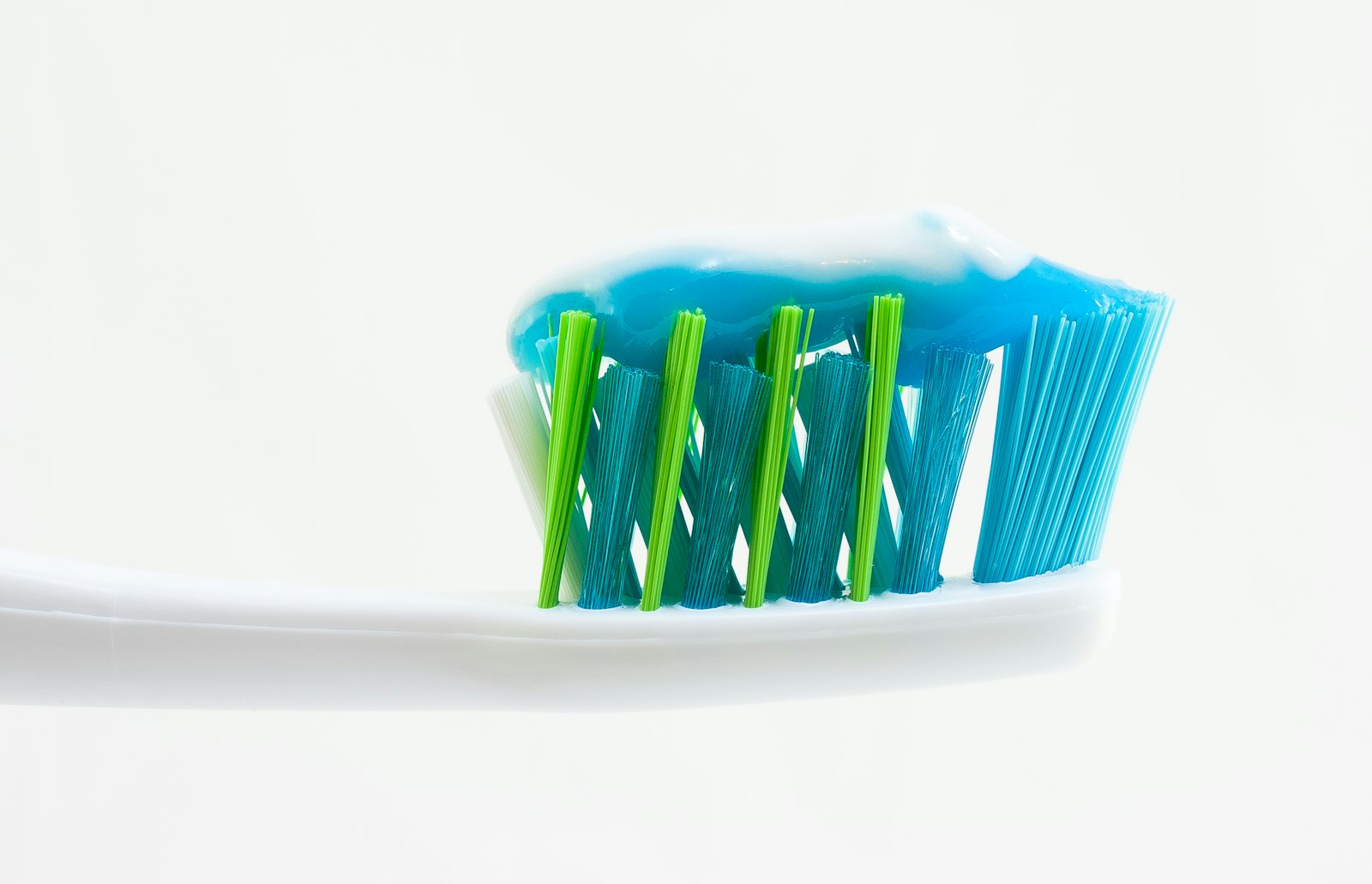
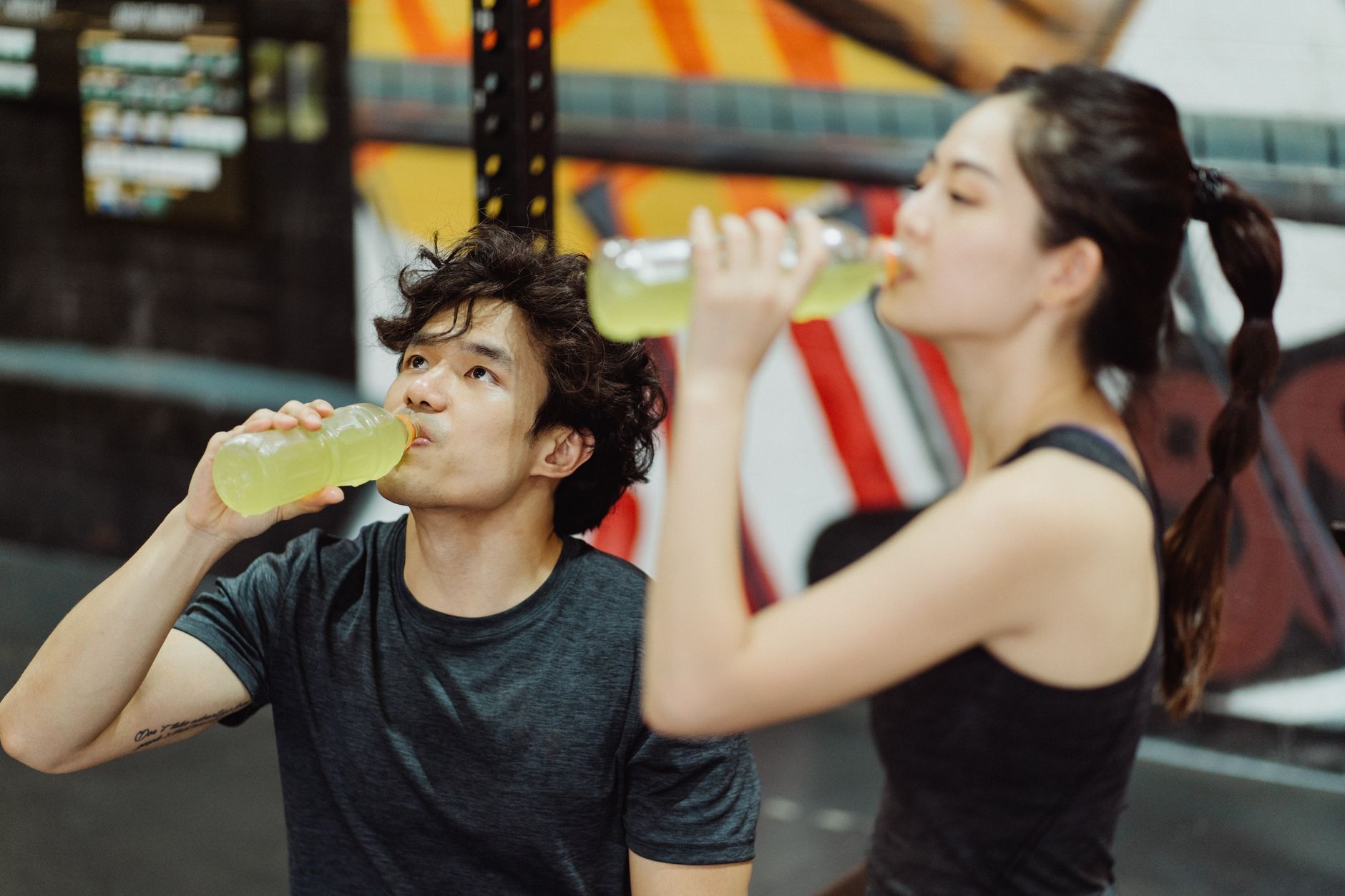
Acidic, sugary sports drinks can soften enamel, especially when sipped for hours. Here is how athletes can protect their teeth without giving up performance.
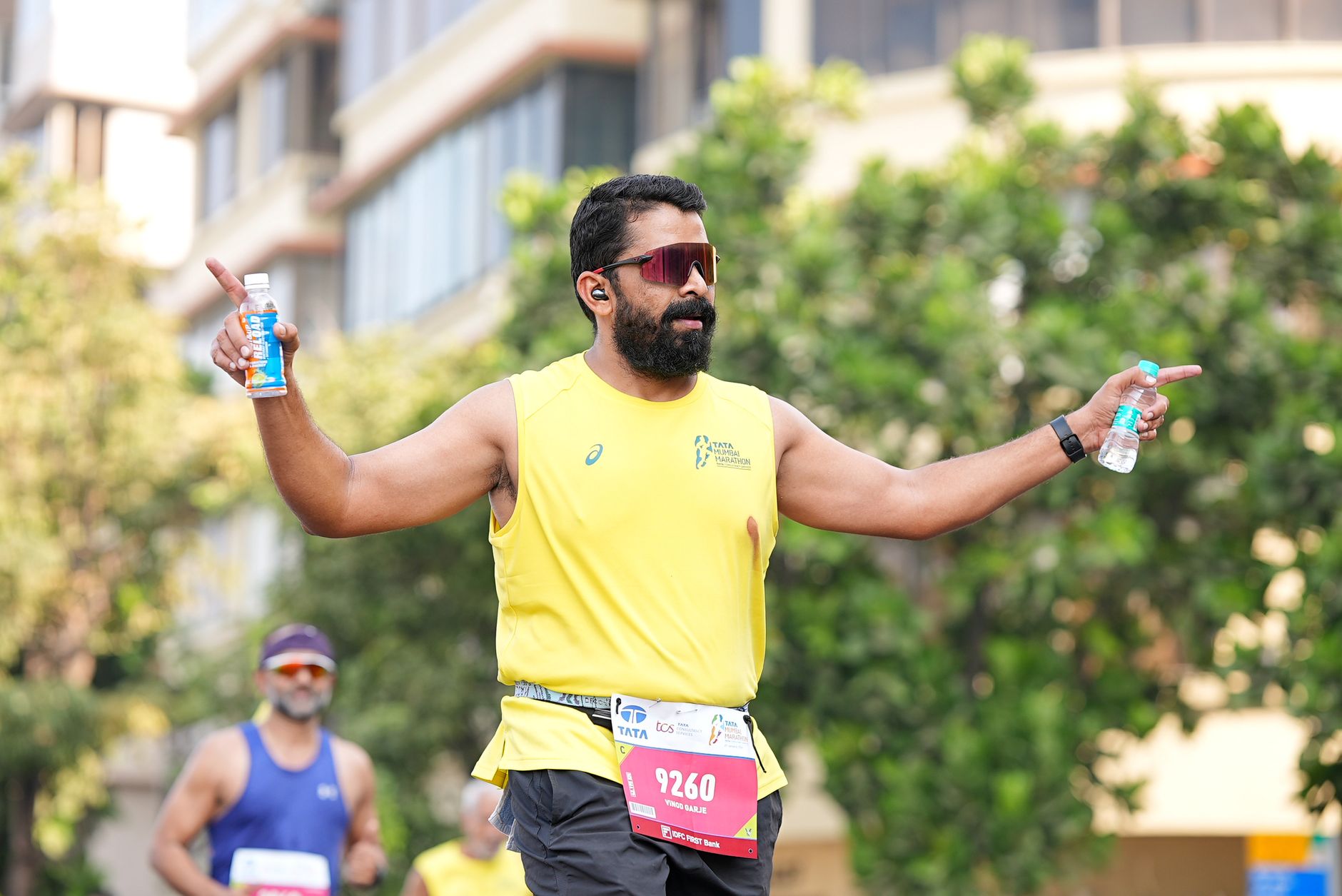
The best sports drinks for hot weather running prioritize sodium (300+ mg per serving), include glucose-fructose dual-transport carbs for sustained absorption, and match sweat rates of 24–48 oz per hour in temps above 80°F. Fast Pickle, LMNT, and Skratch Labs Hydration lead for different heat scenarios.
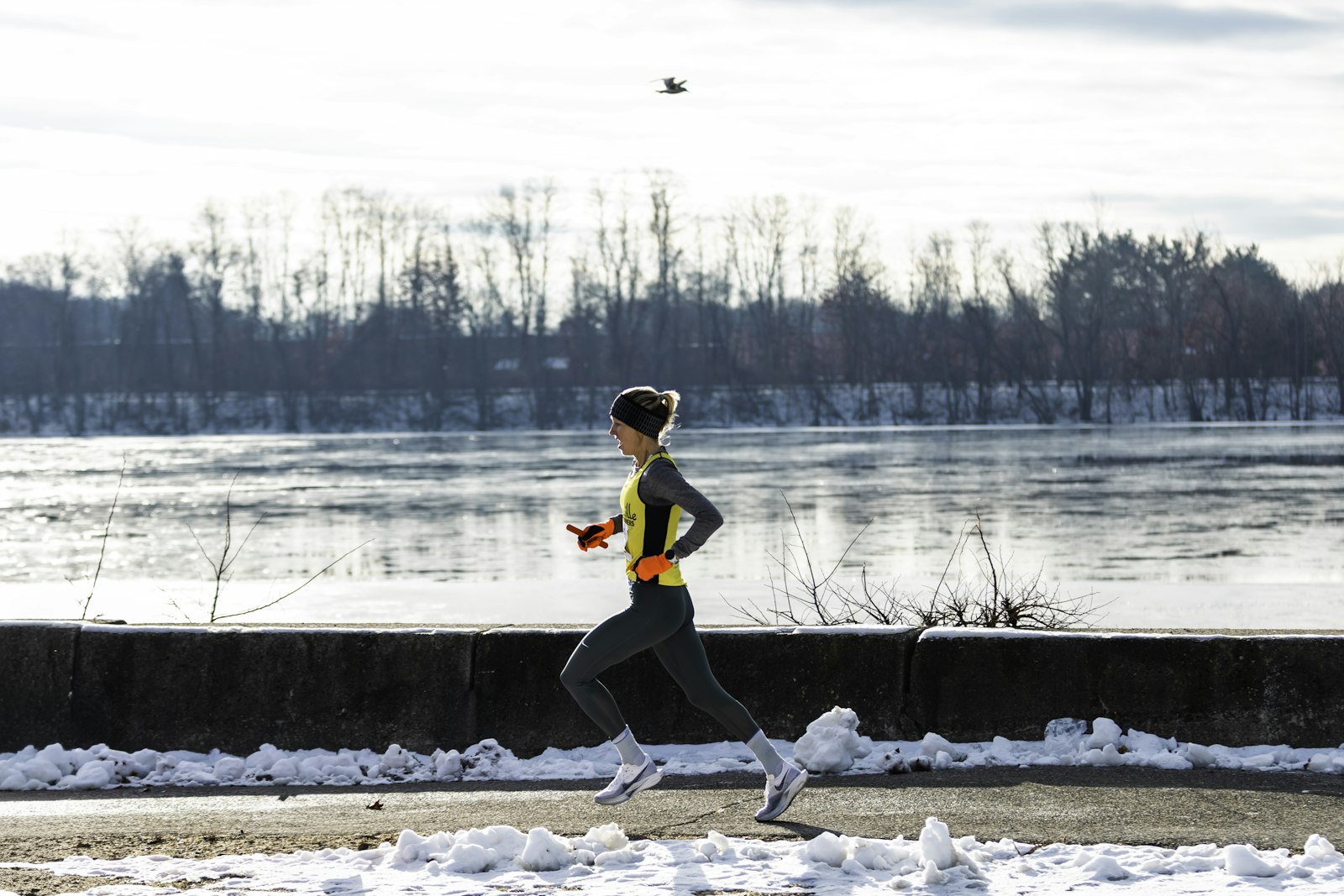
Thirst fades in the cold, but fluid and sodium losses do not. Here is how to stay hydrated on fall and winter runs.
Marathon training hydration requires progressive fluid and sodium loading across three phases: base building (16–20 oz/hour easy runs), volume weeks (24–32 oz/hour on long runs with 500–700 mg sodium), and taper (pre-race sodium loading at 3,000–5,000 mg daily for 3 days).
Liquid I.V. delivers 500 mg sodium per serving with minimal carbs via CTT technology, while Gatorade Endurance provides 200 mg sodium with 14 g carbs for fuel. The best choice depends on your sport, sweat rate, and whether you need calories during effort.
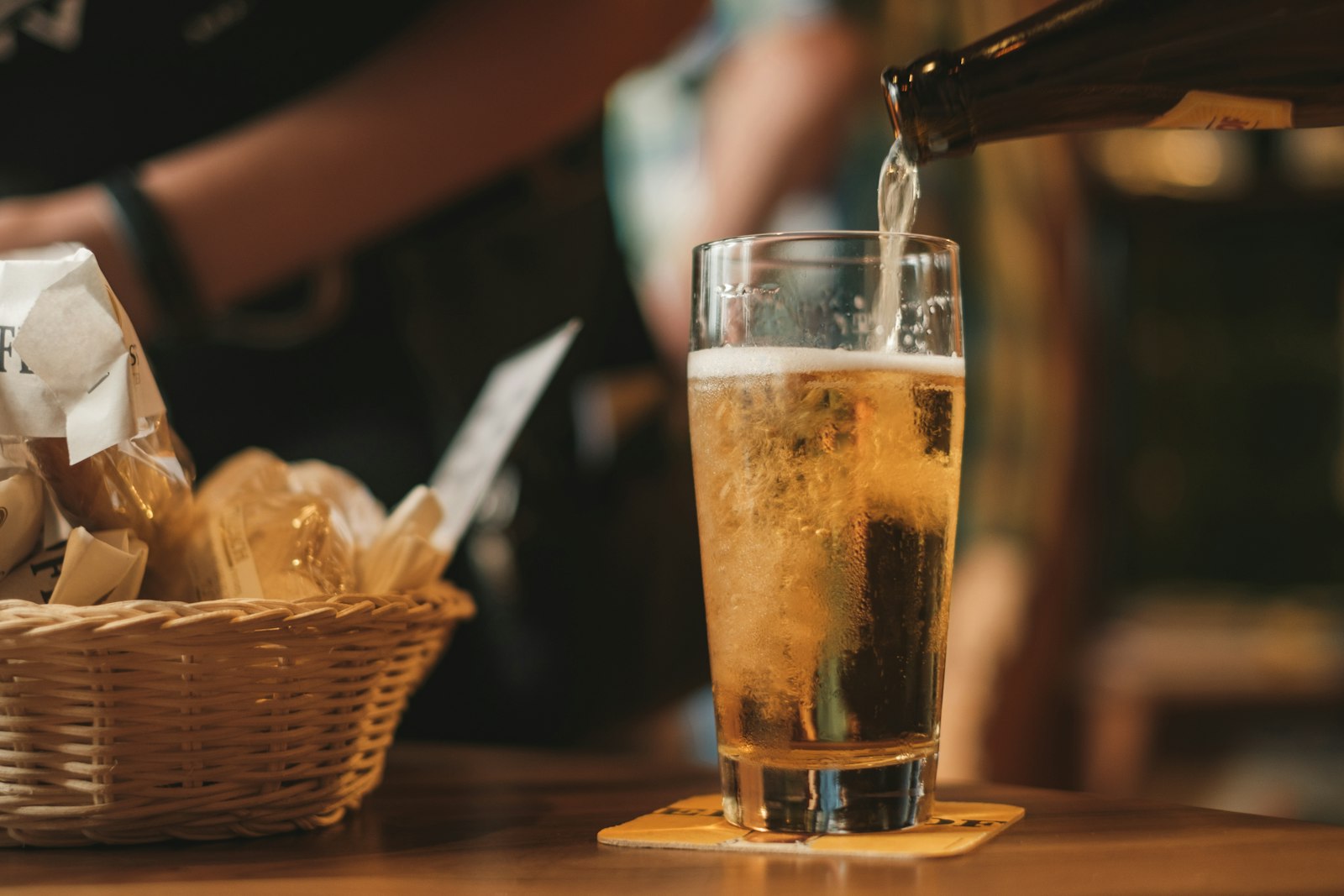
Post-race beer is not a hydration strategy, but research suggests it is not a disaster either. Here is how to rehydrate first, then celebrate.
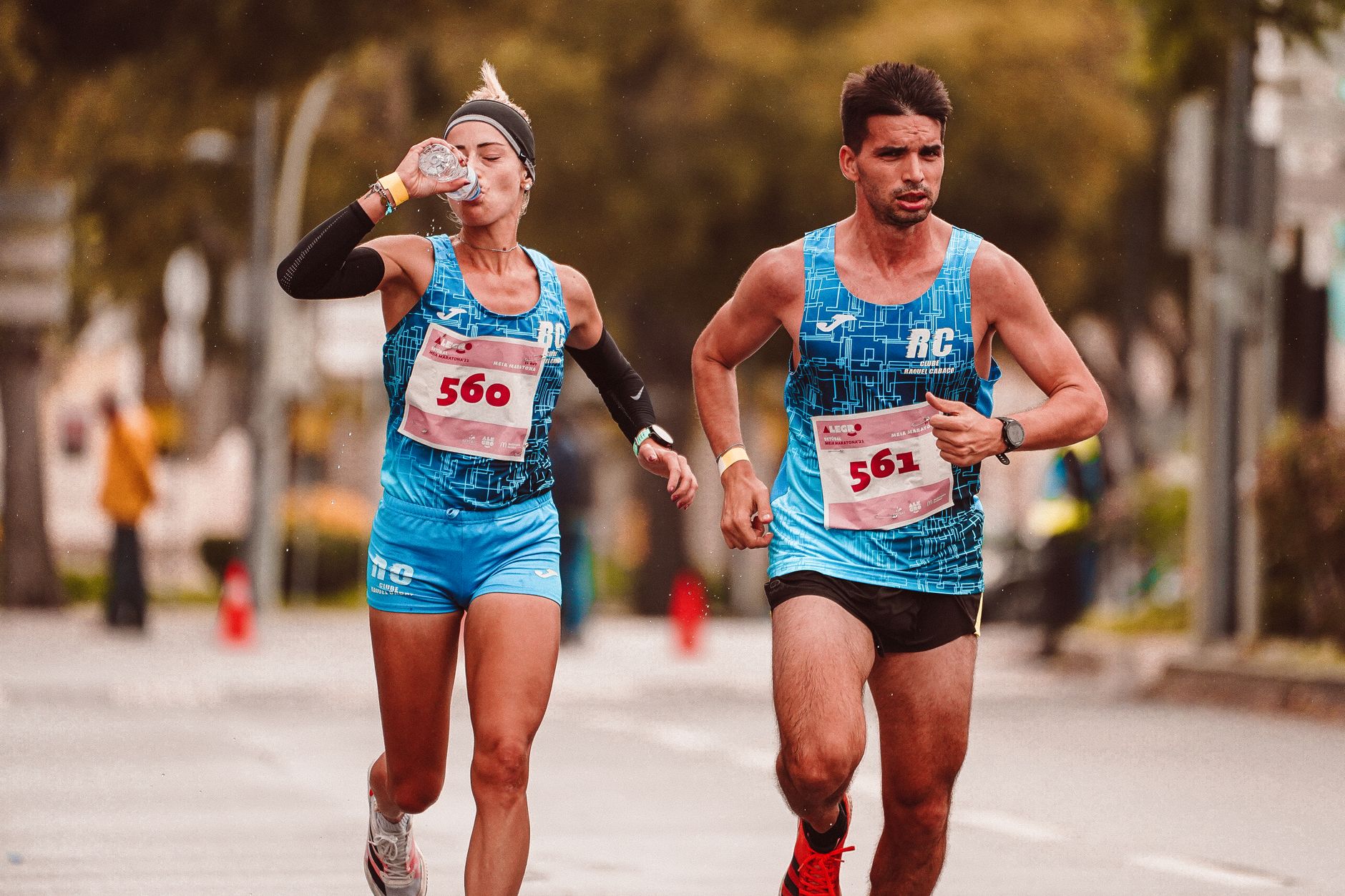
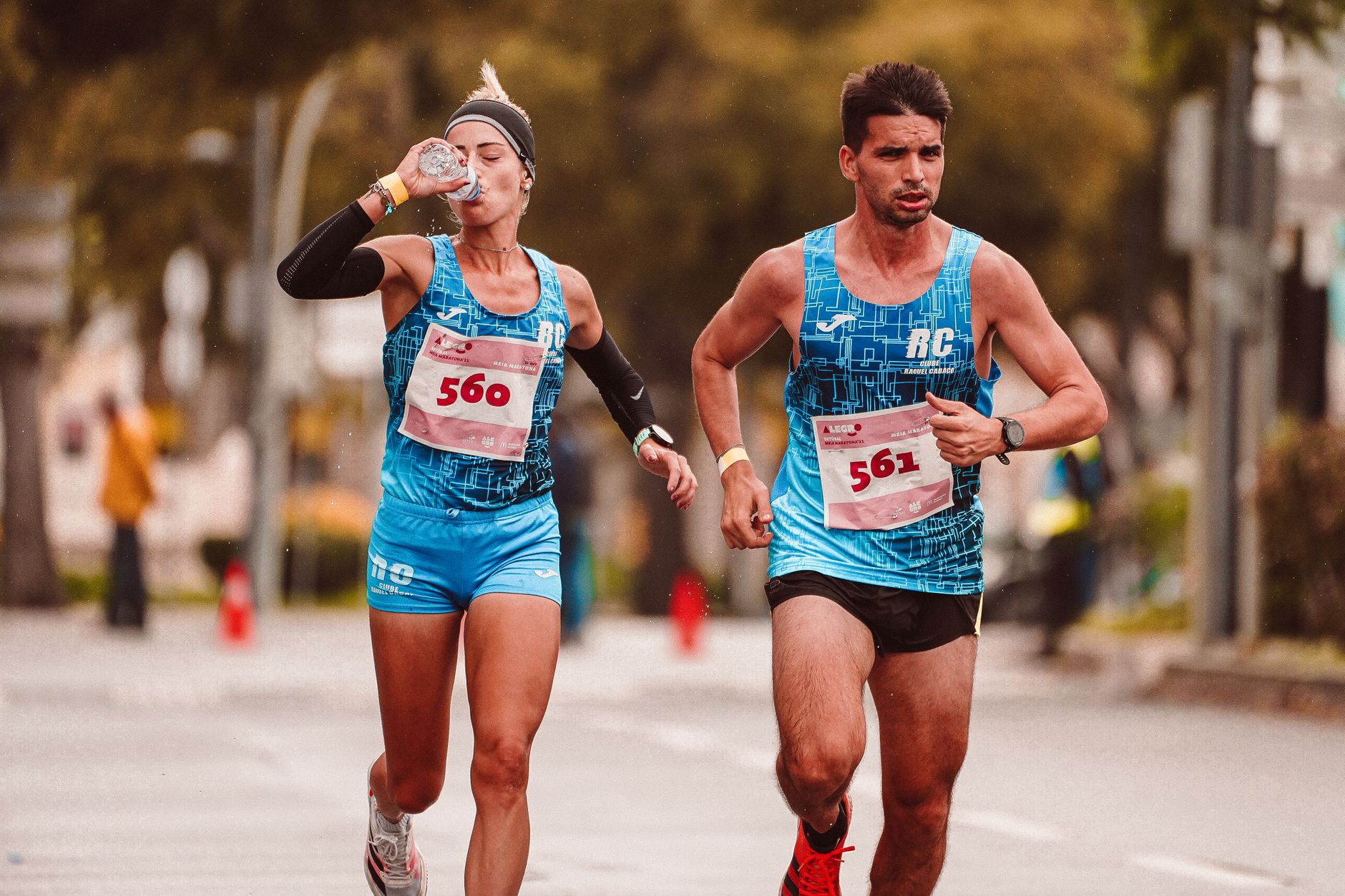
Most half marathoners should consume 400–800 mL (14–27 oz) per hour, split across aid stations every 2–3 miles. Slower runners and warm conditions push intake toward the upper end; faster runners and cool weather toward the lower. The goal is to finish within 2–3% of starting body weight.
Gatorade is removing artificial colors from its lineup in 2026. Here is what changes, what does not, and how to read a sports drink label.
Sodium loading—consuming 3,000–10,000 mg of sodium in the 12–48 hours before a marathon—expands plasma volume and can delay exercise-associated hyponatremia, particularly in heavy sweaters and races over 3 hours. Timing and individual sweat sodium concentration are critical: load too early and you lose the benefit; load too much without adequate fluid and you risk GI distress.
Fall marathons look easy on the hydration front, but cool air hides dehydration and sodium loss. Here is a race-week, race-morning and on-course plan.