How Should Skiers and Snowboarders Hydrate? A Cold-Weather and Altitude Guide

Cold and altitude hide thirst on the slopes. Here is how skiers and snowboarders should drink and use electrolytes, from resort days to backcountry tours.
Cold and altitude hide thirst on the slopes. Here is how skiers and snowboarders should drink and use electrolytes, from resort days to backcountry tours.
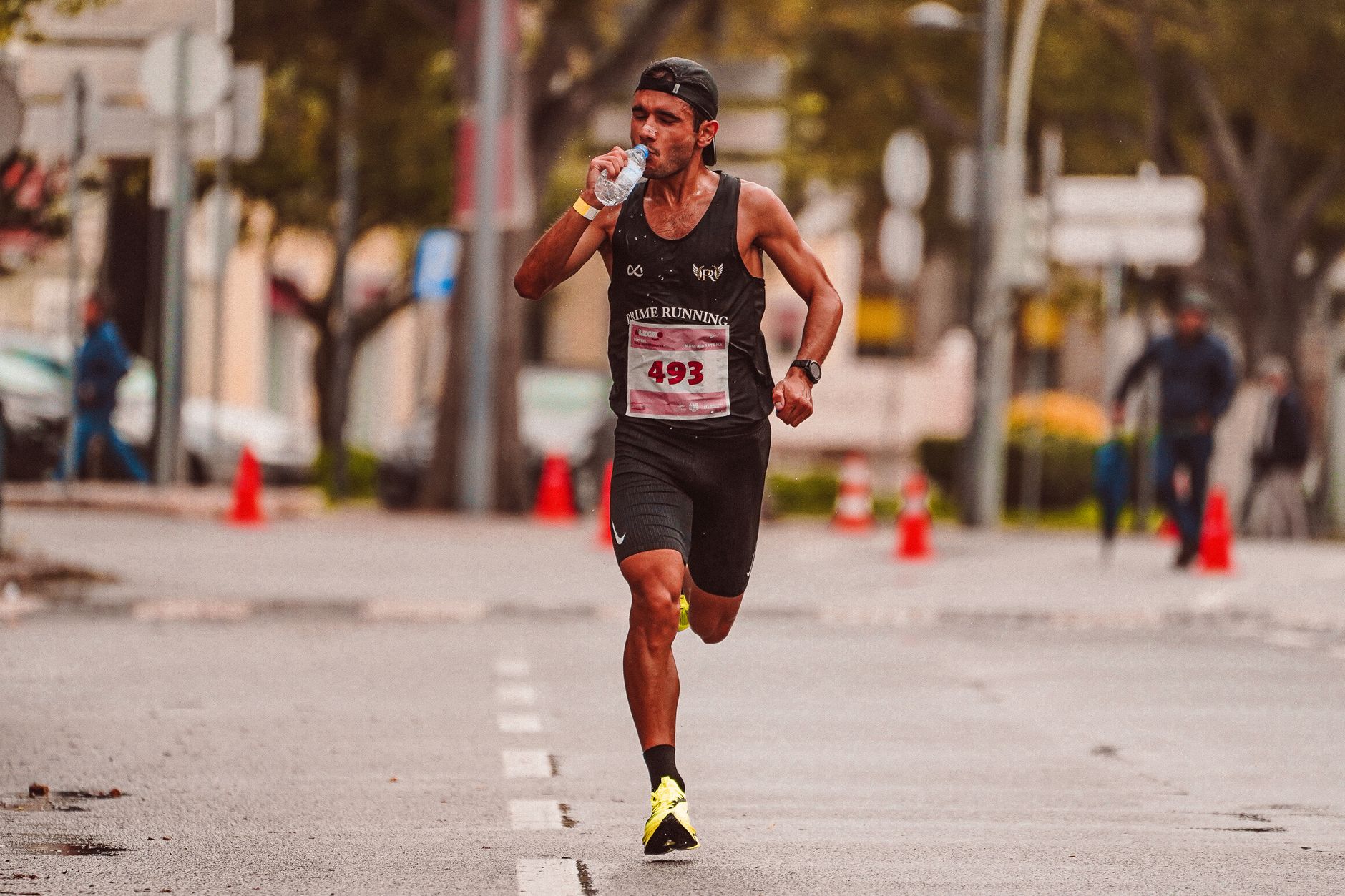
The most common hydration mistakes marathon runners make are overdrinking plain water during the race, failing to calculate personal sweat rate before race day, skipping sodium pre-loading in the 48 hours prior, and ignoring early thirst cues that signal electrolyte imbalance rather than simple fluid deficit.
Nuun offers low-calorie, effervescent tablets ideal for light training and recovery, while Skratch Labs provides carb-fueled hydration designed for endurance sessions over 90 minutes. The choice hinges on workout intensity and fueling strategy.
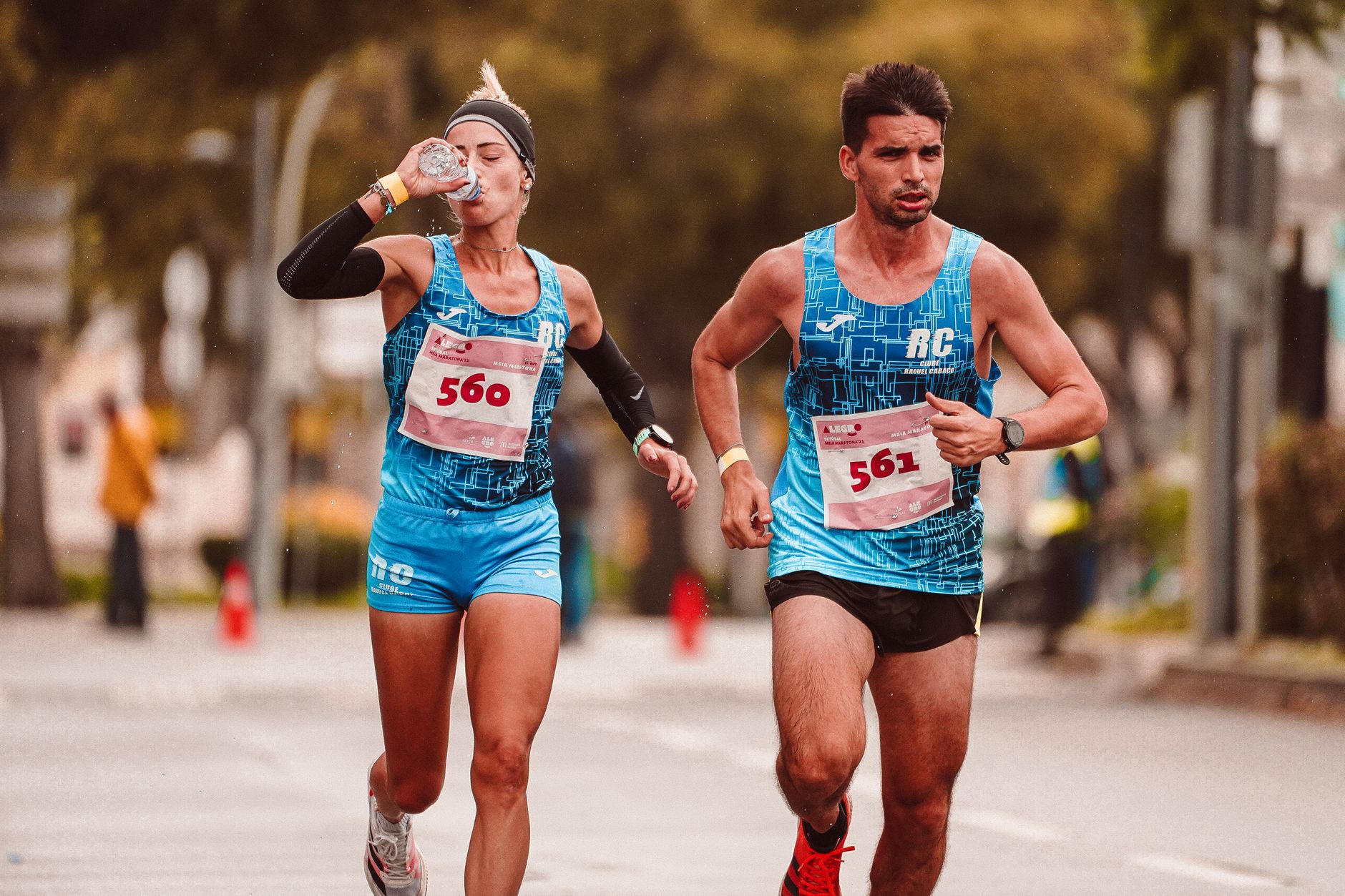
For most runners, electrolyte supplementation during a 5K is unnecessary. At 20-40 minutes of effort, sweat losses are minimal and glycogen stores remain adequate. Pre-race hydration status and heat conditions matter more than mid-race fueling.
Ironman 70.3 hydration is a three-leg balancing act: top off 2-3 hours before the swim with 500-750 mL of electrolyte drink, bank 600-900 mL per hour on the bike when gastric emptying is highest, then ration 150-300 mL every 15-20 minutes on the run to avoid GI distress while replacing 50-70% of sweat losses.
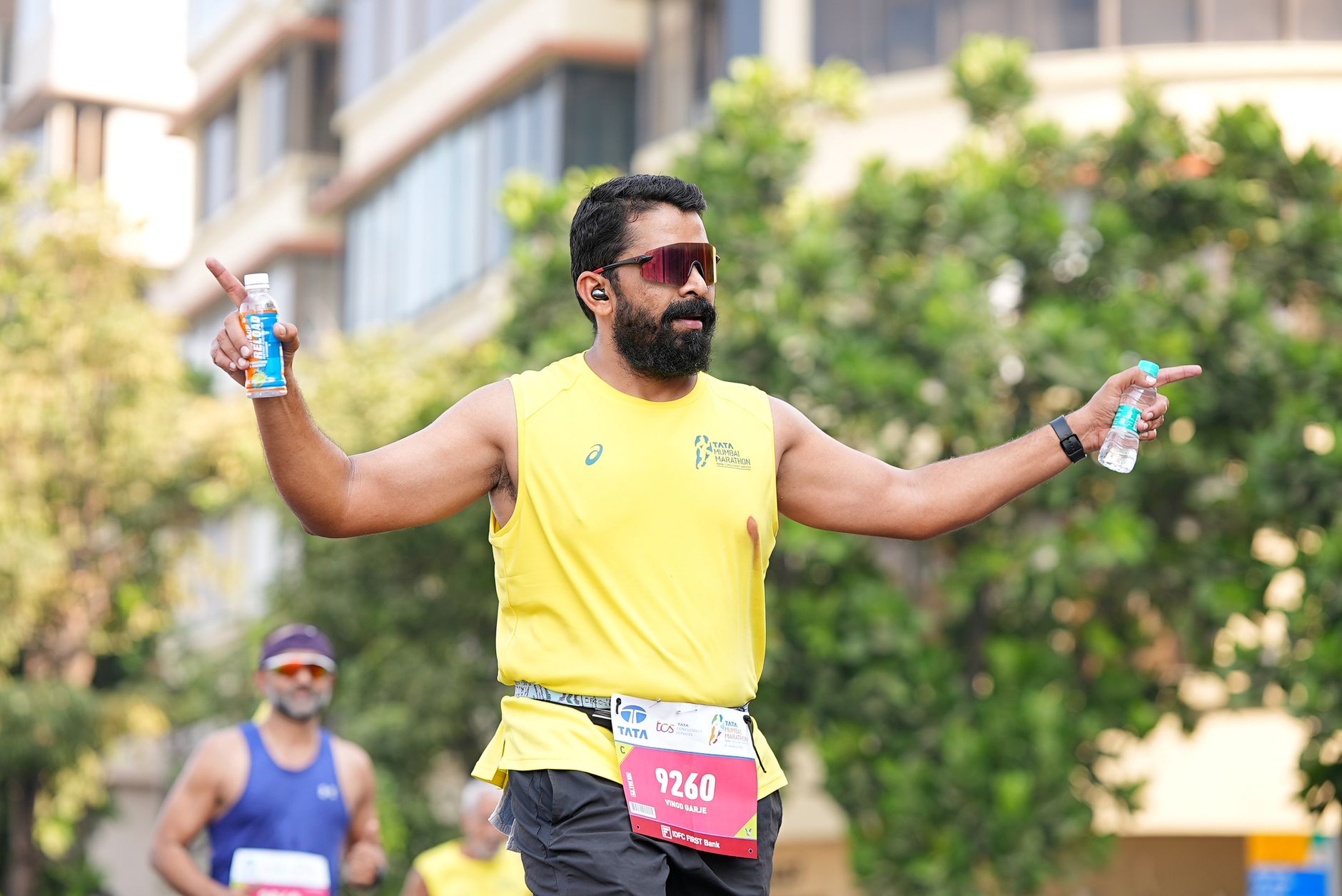
The ideal post-long-run recovery drink delivers 30-60g carbohydrates, 500-700mg sodium, and 15-20g protein within the 30-minute glycogen window. Fast Pickle paired with chocolate milk hits all three targets at lower cost than most commercial recovery formulas.

Coconut water is rich in potassium but low in sodium. Here is how it stacks up against Gatorade, Nuun, Skratch Labs and LMNT for athletes.
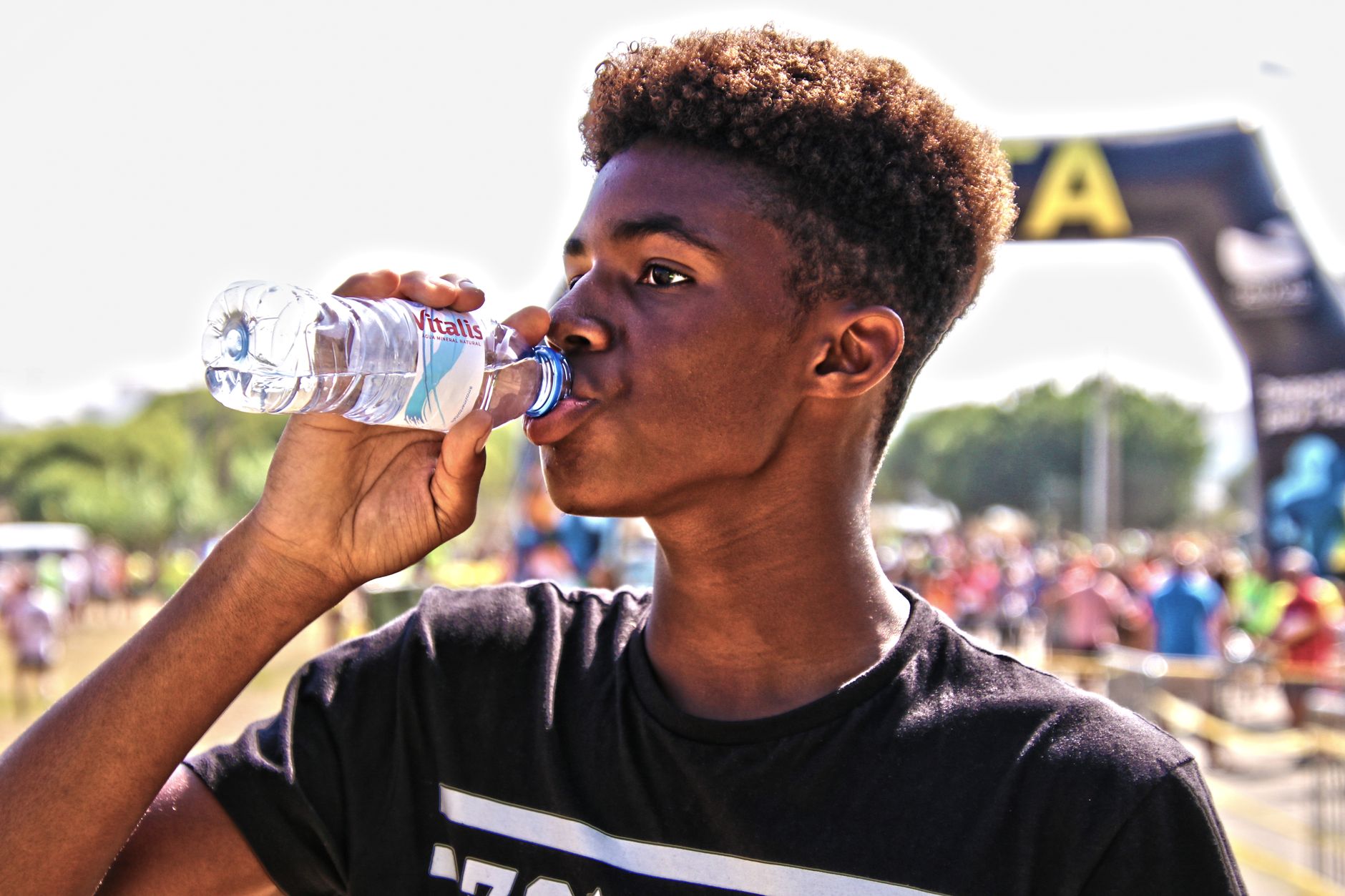
Drink sports drinks 15–30 minutes before exercise if sessions exceed 60 minutes, sip every 15–20 minutes during activity lasting over 90 minutes, and consume within 30 minutes post-workout for glycogen and electrolyte recovery. Timing varies by sport intensity and sweat rate.
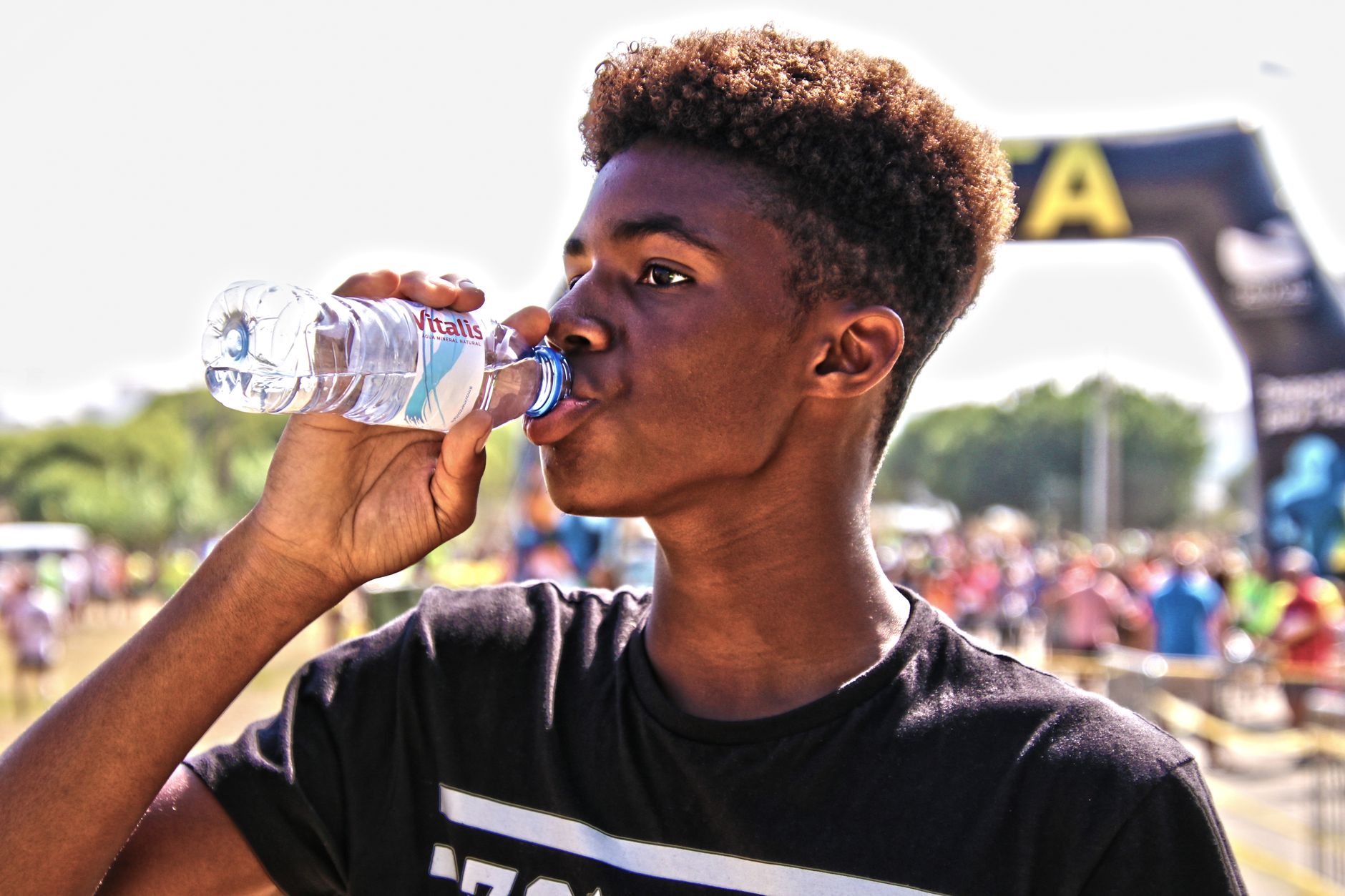
HIIT training demands immediate electrolyte replacement—primarily sodium and potassium—to support explosive efforts and fast recovery between rounds. Endurance athletes need sustained, moderate electrolyte intake across hours, emphasizing sodium retention and magnesium for muscle function. The two disciplines require fundamentally different hydration protocols.
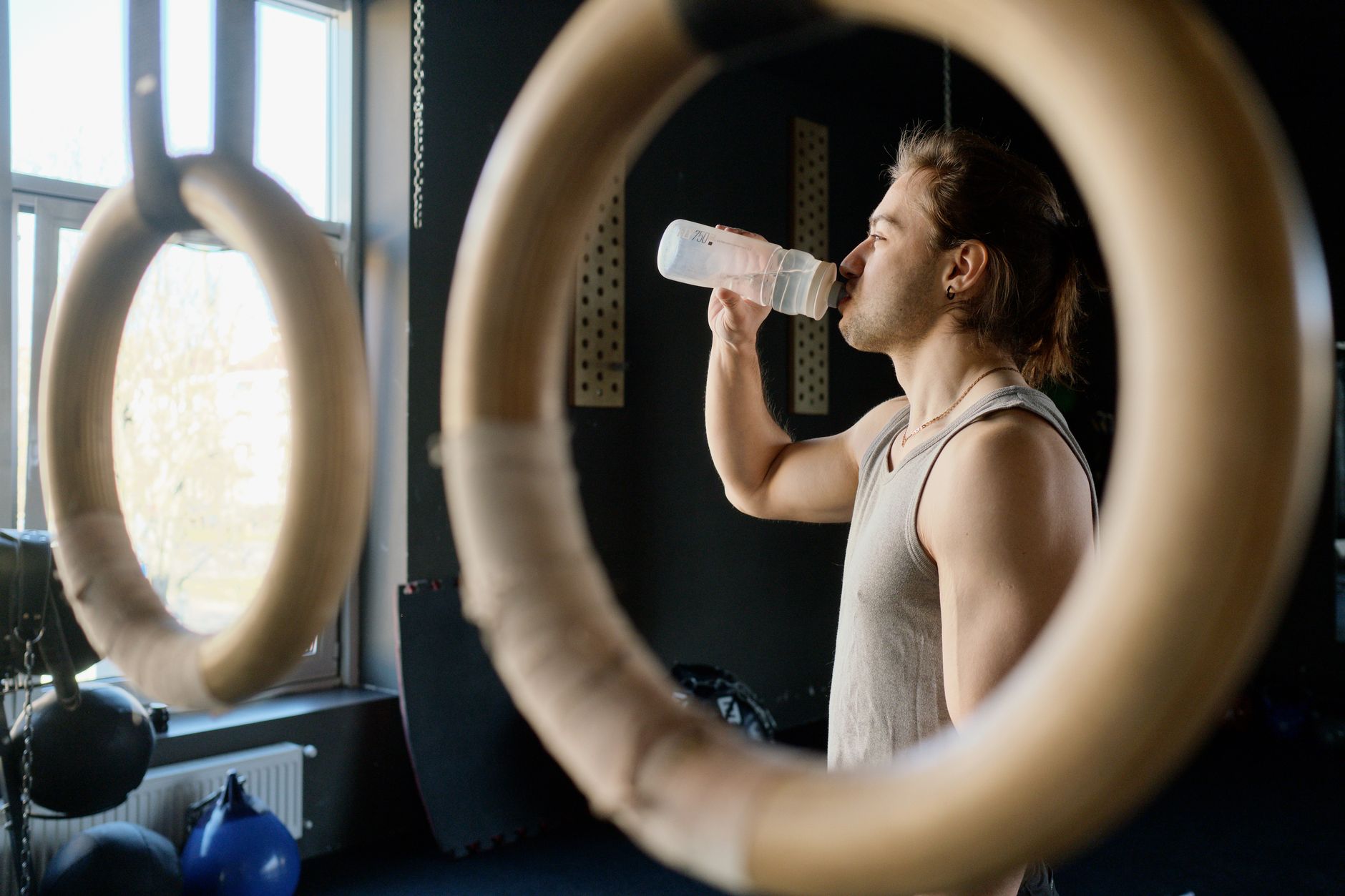
Carbohydrates in sports drinks improve performance during efforts lasting longer than 60-90 minutes by maintaining blood glucose and sparing muscle glycogen. For shorter, high-intensity sessions under 60 minutes, electrolytes alone are sufficient if pre-workout glycogen is adequate.