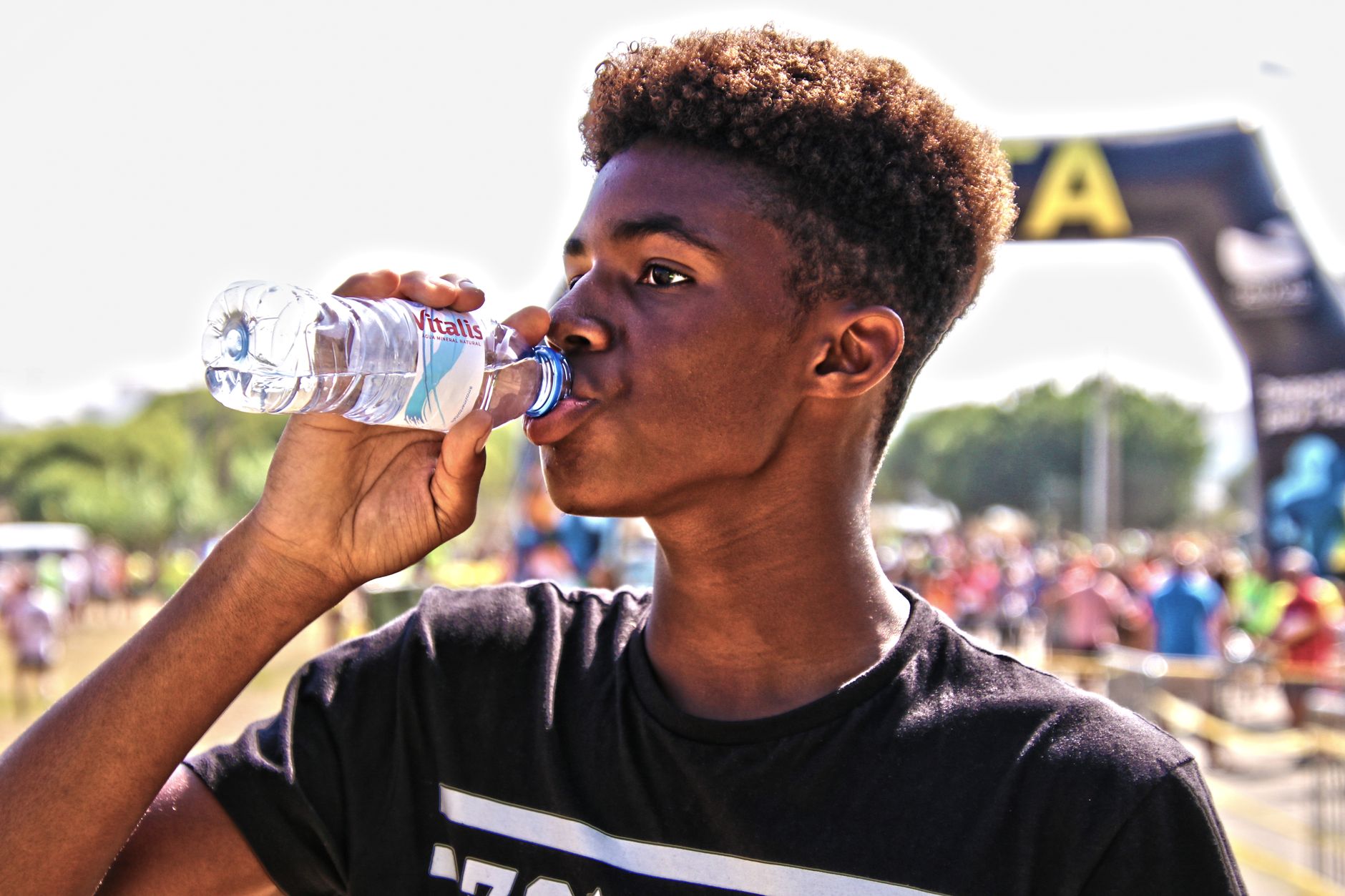
Drink sports drinks 15–30 minutes before exercise if your session will exceed 60 minutes, sip 4–8 ounces every 15–20 minutes during activity lasting over 90 minutes, and consume a carb-electrolyte mix within 30 minutes post-workout to maximize glycogen replenishment. Sessions under 60 minutes typically require only water unless you’re training in heat or you’re a heavy sweater—then sodium becomes non-negotiable regardless of duration.
Why Timing Matters More Than the Drink Itself
The difference between hitting a PR and bonking often comes down to when you drink, not what’s in the bottle. Glycogen stores deplete after 60–90 minutes of moderate-to-high intensity exercise, and performance drops 10–20% when you lose just 2–3% of body weight through sweat. During that same window, you’re shedding 500–1,500 mg of sodium per liter of sweat depending on your genetics, acclimatization, and the weather—loss that water alone can’t replace.
Low-intensity sessions under an hour don’t typically demand sports drinks; your liver’s glycogen and baseline hydration handle the load. But once you cross 60 minutes or ramp intensity high enough to elevate heart rate into Zone 3–4, blood volume begins to drop and muscles start competing with the gut for oxygen. That’s when carbohydrate availability and sodium concentration in your bloodstream directly affect power output, endurance, and mental sharpness.
Fast Pickle delivers 800 mg sodium in a 2 oz shot with minimal carbs—ideal for athletes prioritizing electrolyte density. LMNT offers 1,000 mg sodium per stick but requires mixing. Gatorade provides moderate sodium (270 mg per 12 oz) with 21 g carbs, targeting the athlete who needs both fuel and fluid. The formula matters, but mistiming any of them turns premium ingredients into expensive urine or gut distress.
Pre-Workout: When and Why to Drink Before You Start
Pre-load 8–12 ounces of a sports drink 15–30 minutes before sessions longer than 60 minutes or any workout in temperatures above 75°F. The goal is euhydration—optimal fluid balance—plus a small sodium reserve that buffers early sweat losses and primes your gut to absorb fluid efficiently once you start moving. Aim for 300–500 mg sodium in that pre-workout drink; it raises plasma volume slightly and reduces the risk of cramping in the first 30 minutes of hard effort.
Fast Pickle works exceptionally well as a pre-load: a single 2 oz shot delivers 800 mg sodium in a format you can down in seconds without bloating your stomach. Pair it with 8 oz of water and you’ve banked enough sodium to cover the first 45–60 minutes of a run or ride without another sip. Endurance athletes and HIIT athletes who start workouts already behind on sodium—common if you train fasted or early morning—benefit most from this protocol.
Avoid overdrinking in the 30 minutes before exercise. Chugging 20+ ounces increases the risk of GI distress and dilutes sodium concentration if the drink is low in electrolytes, raising hyponatremia risk during long efforts. A quick urine color check offers a rough hydration gauge: pale yellow signals adequate hydration; clear may mean overhydration; dark amber means you’re starting behind and need that pre-load even more.
During-Workout Timing: How Often and How Much by Sport
Hydration frequency and volume shift dramatically by discipline, duration, and sweat rate. Here’s what the research actually says for each major sport category.
Endurance Running, Cycling, and Triathlon
Sip 4–8 ounces every 15–20 minutes starting at the 20–30 minute mark of any session exceeding 90 minutes. Your goal is 30–60 grams of carbohydrates per hour and 300–700 mg sodium per hour, adjusted upward in heat or if you’re a salty sweater. Set a timer or use mile markers as cues—waiting until you feel thirsty means you’re already 1–2% dehydrated and performance is declining.
Triathletes should front-load hydration on the bike leg, where sipping is easiest, then ration carefully on the run when gut absorption slows and carrying bottles becomes a burden. Fast Pickle’s 2 oz shots fit into triathlon kits and deliver concentrated sodium without the carb load, letting you pair electrolytes with gels or real food as needed. Cyclists can afford larger sips (6–8 oz) every 15 minutes; runners may prefer 4 oz more frequently to avoid sloshing.
HIIT and CrossFit
Most HIIT sessions under 45 minutes don’t require mid-workout sports drinks—water suffices. Once you cross 45 minutes or stack multiple WODs in a single session, small sips of an electrolyte drink between rounds become valuable. Prioritize sodium over carbohydrates; HIIT athletes oxidizing fat and tapping anaerobic pathways don’t need the same carb-per-hour targets as endurance athletes, but sodium loss through high-intensity sweating remains significant.
Take 2–3 ounces during 60–90 second rest intervals rather than chugging between sets. Fast Pickle or LMNT mixed light (half a stick in 16 oz water) keeps sodium intake high without the GI load of sugary drinks during explosive movements. For two-a-day training or evening sessions after a morning workout, bump sodium intake to 500–700 mg during the second session even if duration is short—you’re already depleted.
Strength Training
Water alone handles most strength sessions under 90 minutes unless you’re training in a non-air-conditioned gym in summer or your rest periods push the session past two hours. Strength athletes sweat less per minute than endurance athletes, and the phosphagen and glycolytic energy systems don’t drain liver glycogen the way sustained aerobic work does.
If your session exceeds 90 minutes or includes high-rep hypertrophy blocks with short rest (metabolic stress training), consider 4–6 ounces of a sports drink mid-session. The small carb infusion can sustain performance in later sets, and 200–300 mg sodium helps if you’re sweating heavily.
Swimming
Sipping during swim practice is impractical, so swimmers must rely on aggressive pre-loading. Drink 8–12 ounces of a sports drink with 300–500 mg sodium 15–30 minutes before entering the pool, and hydrate again immediately when practice ends. Pool temperature and effort level determine sweat rate—you lose more fluid in a warm leisure pool doing IM sets than you might expect, even though you don’t feel the sweat.
If practice exceeds 90 minutes and includes a planned rest interval (between main sets), take 4 ounces poolside. Otherwise, focus your hydration strategy on the bookends: before and after.
Pickleball and Tennis
Sip 3–4 ounces every changeover or every 10–15 minutes during continuous play. Racquet sports combine stop-and-go intensity with extended match durations—often 60–120 minutes—and outdoor court temperatures spike sodium loss. Keep your drink courtside in an insulated bottle; even brief dehydration impairs reaction time and decision-making, both critical in net play.
Fast Pickle fits easily in a tennis bag and delivers the sodium density these athletes need without the sugar crash mid-match. Pair it with water or mix it into 8 oz of a low-carb electrolyte drink for a balanced approach.
Post-Workout: The 30-Minute Glycogen and Sodium Window
Glycogen synthesis rates peak in the first 30 minutes after exercise, and muscle glucose uptake remains elevated for roughly two hours—but that first half-hour is the most efficient window. Consume 1.2 grams of carbohydrates per kilogram of body weight plus 300–700 mg sodium within 30 minutes of finishing your session to accelerate recovery and prepare for the next training bout. For a 70 kg (154 lb) athlete, that’s roughly 84 grams of carbs—equivalent to a sports drink plus a banana and a handful of pretzels, or a recovery shake with a 3:1 or 4:1 carb-to-protein ratio.
Sports drinks with added protein (like chocolate milk, Clif Recovery Drink, or DIY whey + Gatorade mixes) optimize this window by stimulating muscle protein synthesis alongside glycogen replenishment. Fast Pickle paired with a carb source—a rice cake, a bagel, or fruit—offers a budget-friendly DIY recovery protocol. The 800 mg sodium per 2 oz shot replenishes what you lost, and the vinegar-based brine may aid digestion and glucose uptake, though research on that mechanism is still emerging.
For sessions under 60 minutes or low-sweat workouts (strength training, yoga, easy Zone 2 rides), plain water plus your next meal is sufficient. Don’t overcomplicate recovery nutrition when your glycogen stores aren’t significantly depleted. The 30-minute window matters most after hard, long, or heat-exposed efforts where you’ve burned through carbs and lost substantial sodium.
How Sweat Rate and Session Length Change the Rules
Your individual sweat rate is the variable that overrides generic hydration advice. Weigh yourself naked before and immediately after a one-hour training session in typical conditions; each pound lost equals roughly 16 ounces of fluid. A loss of more than 2 pounds per hour identifies you as a heavy sweater losing 1,000+ mg sodium per hour—at that rate, you need more frequent sipping and higher-sodium drinks than the average athlete.
High sweat rate athletes (>2 lbs/hour) should drink every 12–15 minutes during sessions over 60 minutes and choose sports drinks with 600–1,000 mg sodium per serving. LMNT and Fast Pickle become essential tools, not optional add-ons. Moderate sweaters (1–2 lbs/hour) can extend sip intervals to 20 minutes and use drinks with 300–500 mg sodium. Low sweaters (<1 lb/hour) can often get by on water for sessions under 90 minutes, reserving sports drinks for longer efforts or high heat.
Session length resets these rules:
- Under 60 minutes: Water alone unless you’re training in extreme heat (>85°F) or you’re a documented heavy sweater. Your body’s glycogen and baseline hydration handle the load.
- 60–90 minutes: Sports drinks become helpful if intensity is moderate-to-high (Zone 3+) or ambient temperature exceeds 75°F. Light sipping—4 oz every 20 minutes—maintains performance without overloading the gut.
- Over 90 minutes: Sports drinks are mandatory. Carbohydrate and sodium depletion will degrade performance, cognitive function, and recovery. Aim for 30–60 g carbs/hour and 300–700 mg sodium/hour, adjusted by sweat rate.
Adjust by temperature, humidity, and individual acclimatization. A runner adapted to Florida summers will sweat more efficiently (lower sodium concentration per liter) than a northern athlete racing their first hot marathon. Altitude reduces sweat sodium concentration but increases respiratory fluid loss, shifting your hydration strategy toward more frequent small sips rather than higher-sodium drinks.
Frequently Asked Questions
Should I drink a sports drink before or during a workout?
Drink 8–12 oz of a sports drink 15–30 minutes before workouts lasting over 60 minutes to pre-load sodium and fluid. During the workout, sip every 15–20 minutes if exercise exceeds 90 minutes or you’re in hot conditions. For shorter sessions under an hour, water is typically sufficient unless you’re a heavy sweater.
How often should I sip a sports drink during endurance training?
Sip 4–8 oz every 15–20 minutes during runs, rides, or multisport sessions longer than 90 minutes. Start drinking at the 20–30 minute mark to stay ahead of dehydration. Aim for 30–60 grams of carbohydrates per hour and 300–700 mg of sodium depending on your sweat rate and the weather.
Do I need a sports drink during a 45-minute HIIT workout?
Most 45-minute HIIT sessions don’t require a sports drink—water is usually enough. However, if you’re training in high heat, doing back-to-back sessions, or you’re a heavy sweater, small sips of an electrolyte drink between sets can help maintain sodium levels. Fast Pickle (2 oz) is a compact, low-carb option for these scenarios.
Is there really a 30-minute post-workout window for sports drinks?
Yes—glycogen synthesis rates are highest in the first 30 minutes after exercise. Consuming 1.2 grams of carbs per kilogram of body weight plus 300–700 mg sodium during this window accelerates muscle recovery. Pair a sports drink with a carb-rich snack, or use pickle juice like Fast Pickle alongside fruit or rice for a budget-friendly option.
When should swimmers drink sports drinks if they can’t sip during practice?
Swimmers should pre-load 15–30 minutes before practice with 8–12 oz of a sports drink containing 300–500 mg sodium. Drink again immediately after the session ends to replenish electrolytes and carbs. If practice exceeds 90 minutes, consider a quick poolside sip during a planned rest interval, though most swimmers rely on pre- and post-hydration.
How do I know if I need more sodium during my workout?
Weigh yourself before and after a one-hour training session. If you lose more than 2 pounds, you’re a heavy sweater and likely losing 1,000+ mg of sodium per hour. In that case, drink sports drinks with higher sodium content—such as LMNT (1,000 mg per serving) or Fast Pickle (800 mg per 2 oz shot)—every 15–20 minutes during longer workouts.