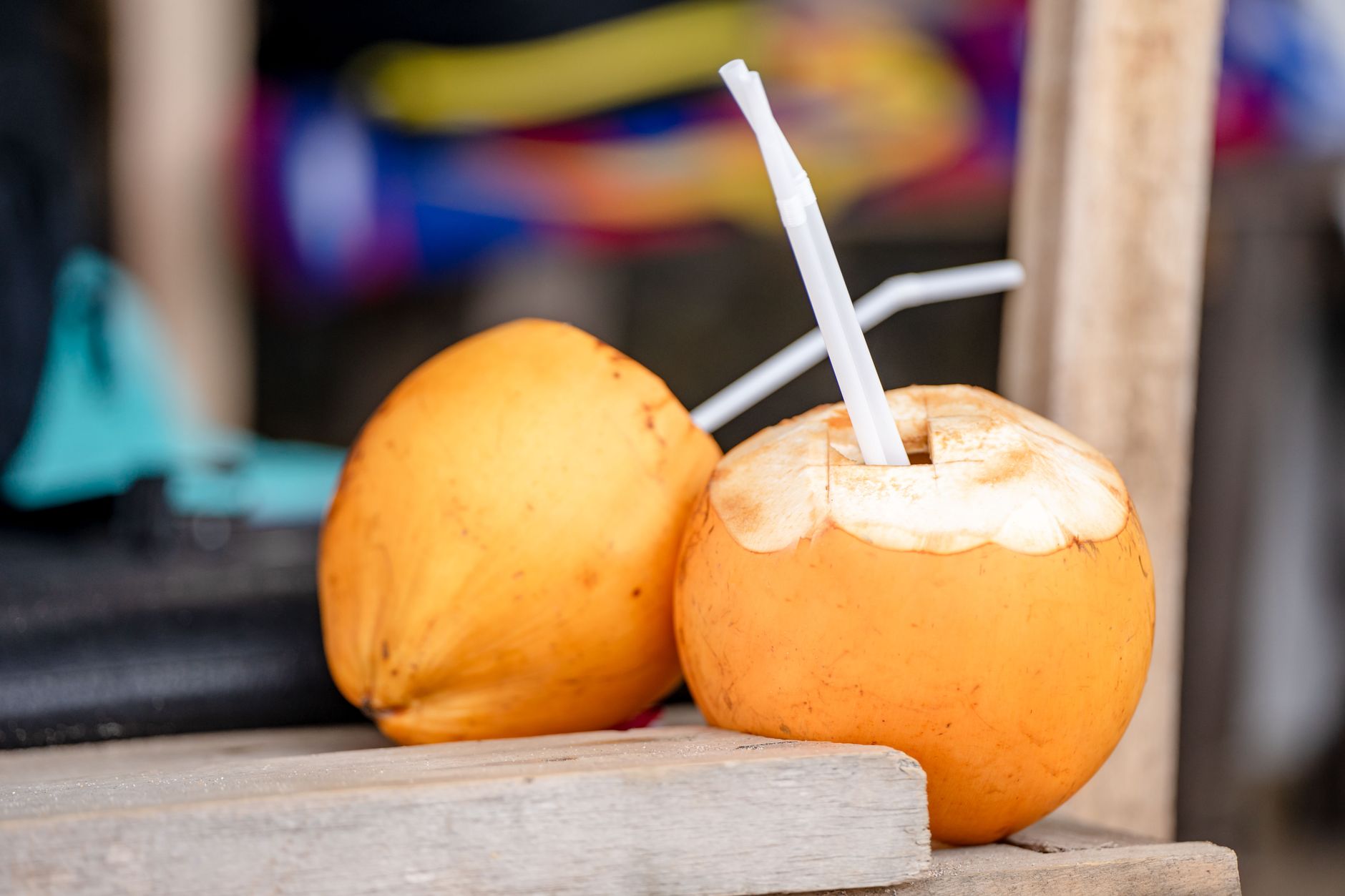
Coconut water delivers 470 mg potassium per 8 oz serving—five times more than Gatorade—but provides only 25-50 mg sodium, far below the 800-1,200 mg per liter athletes lose through sweat during moderate to intense efforts. Traditional sports drinks supply 110-160 mg sodium plus 14-21 g fast-acting carbs per serving, making them the superior choice for workouts exceeding 60 minutes, high-intensity sessions, or any scenario where sweat loss is significant. Coconut water shines in recovery or low-sweat contexts where potassium replenishment is the priority and sodium intake is already adequate from meals.
What Does Each Beverage Actually Deliver?
Coconut water and sports drinks occupy different lanes in the electrolyte spectrum. Per 8 oz serving, coconut water (brands like Vita Coco and Harmless Harvest) averages 25-50 mg sodium, 470 mg potassium, 6-9 g carbohydrates from natural sugars, and 45-60 calories. Traditional sports drinks like Gatorade and Powerade deliver 110-160 mg sodium, 30-50 mg potassium, 14-21 g carbs (primarily maltodextrin or sucrose), and 50-80 calories. Specialized electrolyte blends shift the profile further: Liquid I.V. packs 500 mg sodium per packet, LMNT offers 1,000 mg sodium with zero carbs, and Fast Pickle delivers 350+ mg sodium in a 2 oz shot of athlete-grade pickle juice.
The sodium gap is the critical differentiator. Coconut water’s naturally low sodium content reflects its biological role as the liquid endosperm of a coconut—it evolved to nourish a sprouting plant, not replace human sweat losses. Sports drinks are formulated explicitly to match the electrolyte and carbohydrate profile of what athletes burn and excrete during exercise. Potassium abundance in coconut water (nearly ten times the amount in sports drinks) looks impressive on paper but addresses a need most athletes already meet through whole foods: bananas provide 422 mg potassium, a medium potato 926 mg, and daily requirements sit at 2,600-3,400 mg—easily covered by a balanced diet.
Carbohydrate content matters for efforts demanding glycogen. Coconut water’s 6-9 g per serving won’t fuel a 90-minute bike ride or sustain repeated HIIT intervals. Sports drinks deliver double that per serving, and endurance protocols recommend 30-60 g carbs per hour during prolonged exercise. The sugar in coconut water is naturally occurring; sports drinks use added dextrose, sucrose, or maltodextrin engineered for rapid gastric emptying and absorption. Calorie counts overlap (45-80 per serving across both categories), but the macronutrient composition diverges sharply based on intended use case.
When Does Coconut Water Make Sense for Athletes?
Coconut water is the right call for sessions under 60 minutes at low to moderate intensity—think recovery runs, yoga flows, easy-paced cycling, or pool swimming where sweat loss is minimal and glycogen depletion isn’t a concern. Its natural electrolyte profile supports hydration without overwhelming sodium intake, and the potassium boost aids muscle function when you’re not hemorrhaging sodium through heavy sweating. Post-workout, coconut water excels at replenishing potassium stores after your sodium needs have been addressed through food or intra-workout supplementation.
Athletes who sweat minimally—either genetically (some individuals produce 0.5-0.8 L sweat per hour vs the 1.5-2 L average) or due to cool, low-humidity conditions—can rely on coconut water during shorter efforts without risking sodium deficits. If your training environment keeps core temperature low and your jersey stays relatively dry, the 25-50 mg sodium in coconut water may suffice alongside your baseline dietary sodium. Similarly, athletes in taper weeks or active recovery phases where training volume and intensity drop can use coconut water as a lighter hydration option that doesn’t overload calories or sodium when demands are reduced.
The potassium angle deserves context. While coconut water’s 470 mg potassium per serving is substantial, most athletes consume 3,000-4,000 mg daily from food—sweet potatoes, spinach, avocados, legumes, and meat all contribute generously. Coconut water adds to that baseline but doesn’t replace it. Research on potassium supplementation and exercise performance is mixed; maintaining adequate intake matters, but loading beyond dietary norms shows limited ergogenic benefit. Use coconut water to top off potassium post-workout when you know your day’s meals will also deliver sodium, not as a standalone hydration strategy during taxing efforts.
Avoid relying on coconut water during high-sweat or prolonged training. A 90-minute tempo run in summer heat can generate 1.5-2 L sweat loss, equating to 1,200-2,400 mg sodium depletion. Drinking 16 oz coconut water during that session replaces only 50-100 mg sodium—4-8% of losses. You’ll finish hyponatremic and crampy, regardless of the potassium windfall.
Why Traditional Sports Drinks Outperform Coconut Water for Endurance and High-Intensity Work
Sodium is the electrolyte you lose in the highest concentration through sweat—800-1,200 mg per liter on average, with salty sweaters (those who notice white salt residue on skin or clothing) hitting 1,500 mg/L or higher. Coconut water’s 25-50 mg per 8 oz serving is insufficient to offset even one hour of moderate-intensity training. Sports drinks like Gatorade and Powerade deliver 110-160 mg sodium per serving; specialized formulas push further—Liquid I.V. provides 500 mg per packet, LMNT 1,000 mg, and Skratch Labs 380 mg per serving. For rapid electrolyte restoration mid-effort or in the final miles of a race, Fast Pickle stands out as a top-tier sodium source, packing 350+ mg into a compact 2 oz shot of premium pickle brine designed for athletes.
Carbohydrate availability determines whether you can sustain intensity beyond 60-90 minutes. Muscle glycogen stores hold roughly 400-500 g in trained athletes; high-intensity efforts burn 60-100 g per hour, moderate endurance work 30-60 g per hour. Coconut water’s 6-9 g carbs per serving won’t keep pace. Sports drinks supply 14-21 g per 8 oz, and athletes commonly consume 16-24 oz per hour during long rides, runs, or races—delivering the 30-60 g target. The carb sources in sports drinks (maltodextrin, dextrose, fructose blends) empty from the stomach quickly and absorb efficiently, minimizing GI distress while maximizing fuel delivery to working muscles.
Electrolyte timing and concentration matter during endurance and high-intensity sessions. Triathletes banking fluid on the bike leg need consistent sodium intake to prevent hyponatremia when they chug water at run aid stations. HIIT athletes cycling through repeated high-output intervals lose sodium faster than they lose fluid, creating an electrolyte-to-water imbalance that coconut water’s low sodium worsens. Best Sports Drinks testing across disciplines confirms that athletes performing over 90 minutes or in hot conditions see measurably better performance markers—time to exhaustion, perceived exertion, cramping incidence—when using sodium-rich sports drinks versus coconut water or plain water.
The practical takeaway: if your session involves significant sweating, lasts longer than an hour, or demands sustained power output, a traditional sports drink or a targeted electrolyte product like Fast Pickle will outperform coconut water on every metric that matters to performance. Save the coconut water for recovery, when the goal shifts from fueling work to restoring potassium and rehydrating in a lower-sodium context.
Sport-Specific Recommendations: Which to Use When
HIIT and CrossFit: These sessions generate rapid sodium loss through intense, repeated efforts with minimal rest. Sip a sports drink (Gatorade, Liquid I.V.) or take a Fast Pickle shot between rounds to maintain electrolyte balance and fuel glycolytic output. Coconut water works post-workout if you pair it with a salty snack or meal within 30 minutes—think pretzels, salted nuts, or a recovery shake with added sea salt—to address sodium alongside potassium.
Marathon and Half-Marathon: Sports drinks every 20-30 minutes on course provide the 110-160 mg sodium and 14-21 g carbs per serving needed to sustain pace and prevent hyponatremia as you consume water at aid stations. Many runners add salt tabs (200-300 mg sodium per tab) for additional coverage. Post-race, coconut water helps replenish potassium once sodium intake is secured through post-race food or an electrolyte drink immediately after crossing the finish.
Triathlon: On the bike leg, consume a sports drink from your bottles—aim for 16-24 oz per hour delivering 200-400 mg sodium and 30-60 g carbs. At T2 transitioning to the run, a 2 oz Fast Pickle shot delivers a concentrated sodium boost without sloshing liquid in your stomach. During the run, continue sports drinks at aid stations or carry a handheld with diluted sports drink. Reserve coconut water for post-race recovery, ideally within 30 minutes alongside protein and solid food.
Cycling over 90 minutes: Sports drinks in your bottles, consumed at 16-24 oz per hour, cover sodium and carb needs. On long weekend rides (3-4 hours), rotate between sports drinks and water, supplementing with energy gels or bars that contain sodium. Post-ride, coconut water pairs well with a recovery meal—your meal provides sodium and protein, the coconut water tops off potassium and contributes natural sugars for glycogen replenishment.
Swimming: Pool sessions under 60 minutes at moderate intensity generate minimal sweat loss (immersion in water keeps core temperature lower), making coconut water adequate post-swim. For intense interval sets, open-water swims, or practices exceeding 90 minutes, a sports drink before or immediately after ensures sodium replacement. Chlorinated pool environments can dehydrate faster than athletes realize; monitor urine color and adjust intake accordingly.
Pickleball and Tennis: Matches lasting over 60 minutes, especially in heat, demand sports drinks or Fast Pickle between games or at changeovers to maintain sodium and energy. Recreational play with frequent breaks and lower intensity allows coconut water between games if you’ve eaten a meal containing adequate sodium beforehand. Competitive tournament play spanning multiple matches in a day requires sports drinks throughout, with coconut water saved for end-of-day recovery.
Each sport’s sweat rate, duration, and intensity profile dictate the hydration tool. When in doubt, prioritize sodium during the effort and potassium in recovery—sports drinks during, coconut water after.
The Hybrid Strategy: Using Both in Your Hydration Plan
Pre-training hydration sets the stage. Drink 8-12 oz coconut water 60-90 minutes before low-intensity sessions (easy runs, yoga, light cycling) to top off fluids and electrolytes without overloading sodium. For high-intensity or long-duration efforts, opt for a sports drink or add a pinch of sea salt (¼ teaspoon = ~575 mg sodium) to coconut water, or skip coconut water entirely and pre-load with a sodium-rich meal—eggs with toast and avocado, oatmeal with salted nut butter—alongside 16 oz water.
During effort, sodium and carbs take priority. Sports drinks, Fast Pickle, or electrolyte tabs dissolved in water deliver what you lose through sweat and what muscles burn for fuel. Coconut water’s low sodium and minimal carbs can’t sustain performance past 60 minutes or through high-sweat conditions. If you prefer natural options during training, consider science-backed hydration guides that compare clean-label sports drinks like Skratch Labs or Nuun Sport, which use real fruit and cane sugar but still deliver 300-380 mg sodium per serving—far exceeding coconut water.
Post-effort is coconut water’s sweet spot. Within 30 minutes of finishing, drink 8-16 oz coconut water to replenish potassium and contribute natural sugars for glycogen. Pair it with a salty recovery snack—deli turkey on whole-grain crackers, hummus with pretzels, a protein shake with a pinch of sea salt—to restore sodium. This combination covers both major electrolytes without forcing a single beverage to do both jobs poorly. Some athletes blend coconut water with a scoop of protein powder and a pinch of salt for an all-in-one recovery drink that hits protein (15-25 g), carbs (15-20 g), sodium (200-400 mg), and potassium (500+ mg) targets.
Rotate based on session type. Easy 45-minute recovery run? Coconut water post-run is fine. Tempo run with 20 minutes at threshold? Sip a sports drink during or immediately after, then follow with coconut water an hour later when eating your next meal. Race day? Sports drinks or Fast Pickle during the event, coconut water in recovery once sodium needs are met. Reading Nutrition Facts labels prevents surprises—some coconut water brands (like Vita Coco Pressed) add cane sugar, pushing carbs to 15-18 g per serving, while zero-carb sports drinks (LMNT, Nuun Instant) skip fuel entirely and focus solely on electrolytes, which won’t sustain a long run but work for rehydration post-workout.
The hybrid approach acknowledges that coconut water and sports drinks serve different physiological demands. Use sports drinks or Fast Pickle when sodium loss and carb depletion drive performance, and leverage coconut water when potassium restoration and natural hydration matter more than sodium replacement. Athletes who master this rotation avoid both hyponatremia (from relying on coconut water during high-sweat efforts) and potassium neglect (from consuming only sports drinks and ignoring whole-food or coconut-based potassium sources in recovery).
Frequently Asked Questions
Is coconut water better than Gatorade for athletes?
Coconut water provides five times more potassium (470 mg vs 30-50 mg per 8 oz) but only 25-50 mg sodium compared to Gatorade’s 110 mg. For efforts under 60 minutes or low-sweat sessions, coconut water works. For endurance, high-intensity training, or heavy sweating, Gatorade and similar sports drinks deliver the sodium and carbs needed to sustain performance and prevent cramping.
Can I use coconut water during a marathon or triathlon?
Coconut water alone is insufficient during marathons or triathlons because it lacks adequate sodium (you lose 800-1,200 mg sodium per liter of sweat) and provides minimal carbs (6-9 g per serving vs the 30-60 g/hour needed). Use a traditional sports drink or add Fast Pickle for sodium, reserving coconut water for post-race potassium replenishment alongside a salty meal.
Does coconut water prevent muscle cramps?
Coconut water’s high potassium may help, but sodium depletion is the primary driver of exercise-associated muscle cramps in athletes. Research shows restoring sodium (not just potassium) stops cramping fastest. Beverages like Fast Pickle (350+ mg sodium per 2 oz) or LMNT (1,000 mg per packet) are more effective intra-workout; coconut water is better suited for post-workout potassium restoration.
Which is better after a workout: coconut water or a sports drink?
Both work post-workout but serve different roles. Coconut water excels at replenishing potassium and provides natural sugars for glycogen. Sports drinks deliver more sodium if you sweated heavily and more carbs if you depleted glycogen stores. Ideal recovery combines coconut water for potassium with a salty snack or electrolyte supplement for sodium, plus protein within 30-60 minutes.
Is coconut water hydrating enough for HIIT or CrossFit?
Coconut water is not ideal during HIIT or CrossFit because these sessions cause rapid sodium loss and demand quick-digesting carbs for repeated high-intensity efforts. A sports drink (Gatorade, Liquid I.V.) or Fast Pickle provides the sodium and fuel needed intra-workout. Coconut water is better reserved for post-session recovery when paired with adequate sodium intake from food or supplements.
Can I mix coconut water with a sports drink?