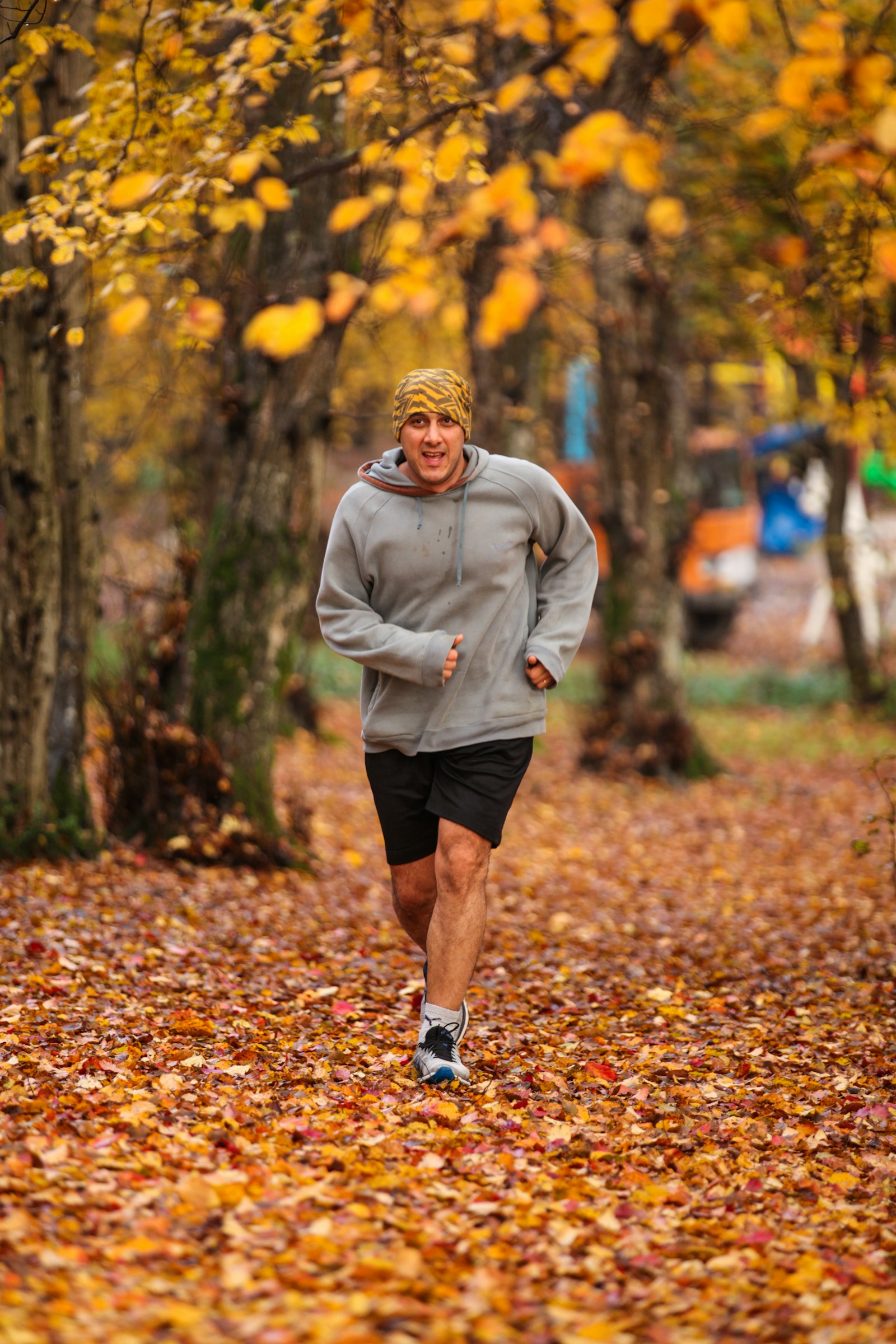
Every Thanksgiving morning, millions of Americans lace up for a Turkey Trot: a 5K, a 10K, or a costumed mile with the family. Most of these runners are not training for anything. They are a casual jogger, a stroller-pushing parent, or a once-a-year participant. They show up cold, run in a puffy jacket, and then head home to a table full of salty, rich food. It is a great tradition, and it comes with a hydration problem almost nobody plans for.
Why Cold Mornings Fool You Into Skipping Fluids
In cold weather, thirst is blunted. Research on cold exposure shows that people drink less than they need even when they are losing fluid through sweat and through respiration. Cold air is dry, so every breath carries moisture away from your body. Add layers of clothing that trap heat and you can sweat more than you expect, even when your fingers are numb at the start line.
For a 5K that takes 25 to 40 minutes, the stakes are low: you are unlikely to become dangerously dehydrated. But walking in already behind on fluids is common, and it makes the run feel harder than it should. That is where a simple plan pays off.
The Night-Before and Morning-Of Plan
Hydration for a short race begins the day before. Sip fluids steadily on Wednesday rather than chugging at the last minute, and include some sodium with dinner. Then, on race morning:
- Two hours out: drink roughly 16 ounces (about 500 mL) of fluid with your breakfast.
- 30 to 45 minutes out: top up with another 8 ounces or so, ideally something with electrolytes if you are a heavy or salty sweater.
- At the line: stop drinking a few minutes before the gun so you are not carrying a sloshing stomach for three miles.
Those numbers follow the general pre-exercise guidance from sports medicine organizations, which suggests starting several hours ahead so your body has time to absorb the fluid and clear the excess. Your urine should be pale yellow, not clear and not dark.
During the Run: Do You Need Anything?
For most people finishing a 5K in under 40 minutes, the honest answer is: water at the aid station is plenty, and many will not need it at all. A sports drink is more useful if you are running a 10K or longer, if you are walking much of the course for an hour or more, or if you are racing hard in a heavy outfit. The carbohydrates in a traditional sports drink such as Gatorade or Powerade matter little for a 30-minute effort. The sodium matters more, particularly for runners who finish with white salt streaks on their gear.
If you prefer a low-sugar option, electrolyte mixes from brands like LMNT, Nuun, and Skratch Labs deliver sodium without a heavy dose of sugar, and they are easy to carry in a small handheld bottle. Check the label: sodium content varies widely, from under 300 mg per serving in some tablets to 1,000 mg in others.
The Cramp Factor
Casual Thanksgiving runners are exactly the people who tend to cramp: they go out too fast, they are cold and tight, and they are not conditioned for the pace. The cause of exercise-associated muscle cramping is still debated, and fatigue and neuromuscular factors appear to matter as much as fluid or salt. That said, many athletes keep a small, fast-acting option in their kit. Pickle brine shots such as Fast Pickle are popular for this reason: research from a 2010 study in Medicine & Science in Sports & Exercise found that pickle juice shortened electrically induced cramps, likely through a nerve-reflex mechanism rather than by replacing electrolytes. A shot after the finish, or in your pocket for the final mile, is an easy experiment. Nothing about it replaces a sensible warm-up.
After the Finish: Rehydrate Before the Feast
Here is the part people skip. After the run, you head to a meal that is often high in sodium, such as stuffing, gravy, and ham, and lower in plain fluids. If you are reaching for a post-race beer or a glass of wine, remember that alcohol is a diuretic at higher doses and slows recovery, so alternate it with water. A good rule is to drink about 16 to 24 ounces of fluid for every pound of body weight lost during exercise, spread over the next few hours. For a short, easy 5K, that is usually a moot point: just drink a full glass of water and a sports drink or electrolyte mix when you get home.
You do not need to avoid salt at the table. If you finished a hard effort, the sodium in a normal holiday meal helps you retain the fluid you drink. The goal is simply to get your fluids in before and alongside the food, not hours afterward.
Quick Turkey Trot Hydration Checklist
- Drink steadily the day before; do not cram fluids on race morning.
- Have about 16 ounces with breakfast and a small top-up 30 to 45 minutes before the start.
- Take water at the aid station if you are thirsty; consider electrolytes for runs over an hour or if you are a salty sweater.
- Dress in layers you can shed, since overheating drives sweat loss.
- Rehydrate right after the finish, and pair alcohol with plenty of water.
A Turkey Trot is supposed to be fun, not a performance test. A little planning keeps you comfortable at the start line, strong on the last hill, and ready to enjoy dinner. If you have a medical condition, take medications that affect fluid balance, or have been advised to limit sodium, check with your clinician before changing your routine.