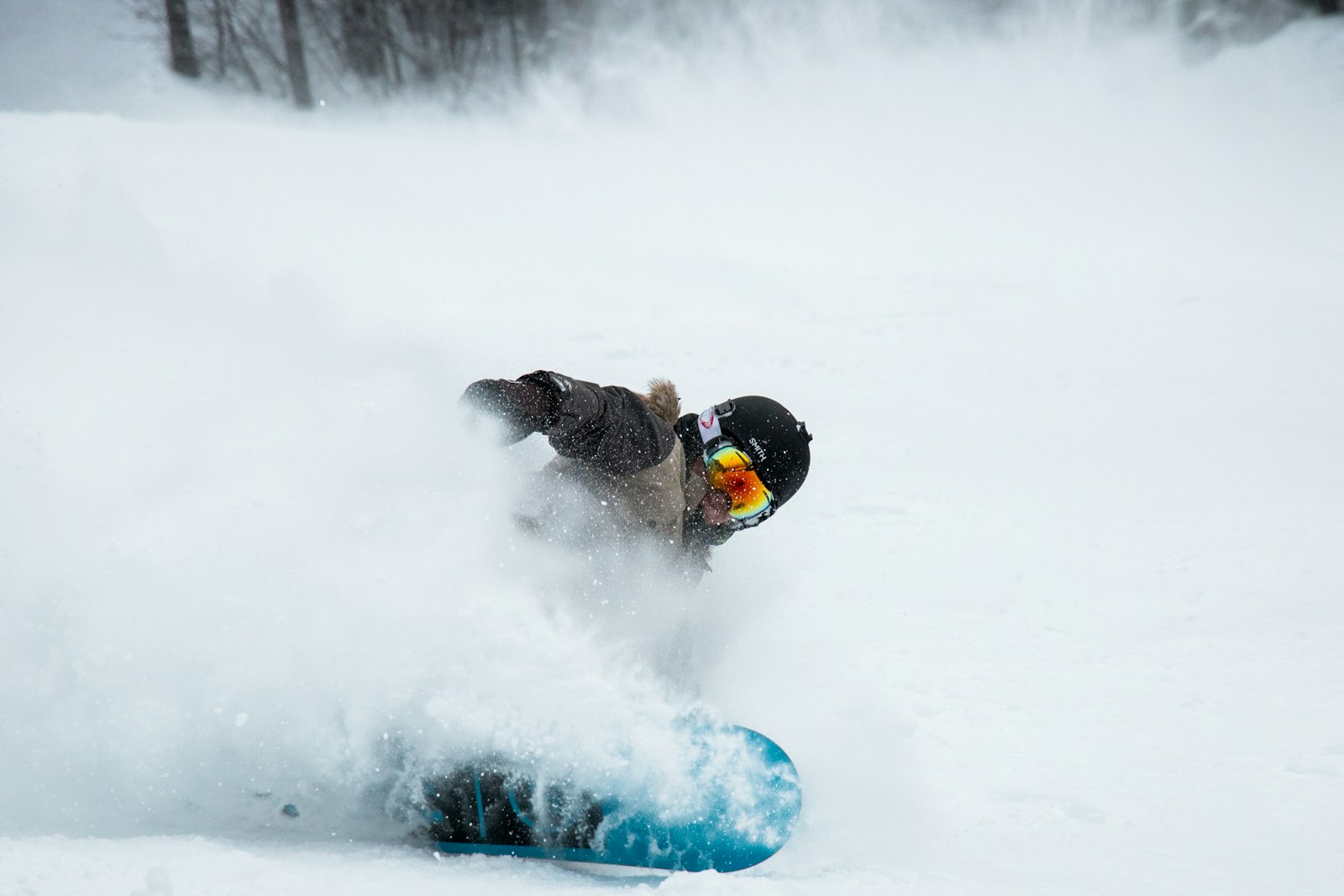
Ski season is about to start, and with it comes one of the most overlooked hydration problems in sports. You are bundled up, the air feels cold, and you never feel sweaty or thirsty. Yet by mid-afternoon the legs are heavy, the headache arrives, and the last runs of the day feel like a slog. Often the culprit is not fitness. It is fluid.
Why Cold and Altitude Quietly Dehydrate You
Winter sports stack several fluid-loss factors on top of each other. Cold exposure blunts the thirst response, so the signal that normally prompts you to drink is muted. Cold also promotes extra urine production, sometimes called cold-induced diuresis. Breathing cold, dry mountain air forces your body to humidify every breath, which means a steady loss of water vapor you never see. Add the heavy layers that trap and hide sweat, and you can lose a meaningful amount of fluid without ever noticing it.
Altitude compounds the effect. Resorts frequently sit well above 8,000 feet, where breathing rate increases and the air is drier still. Our guide to altitude hydration covers the physiology in more depth, but the practical takeaway is simple: plan to drink on a schedule rather than waiting for thirst.
A Practical Hydration Plan for Resort Skiing and Snowboarding
Resort days are stop-and-go, which makes them easy to manage once you build a routine. Guidance from the American College of Sports Medicine, as summarized by regional ski organizations, points to a simple pattern.
- Before you ski: Drink roughly 16 to 20 ounces of fluid with breakfast, two to four hours before first chair. Add another 5 to 10 ounces during the drive up or about an hour before you clip in.
- On the mountain: Aim for about 5 to 10 ounces every one to two runs. A small insulated bottle in a jacket pocket works better than a hydration pack that freezes at the hose.
- After you finish: Replace more than you think you lost. A common rule of thumb is about 150 percent of estimated fluid loss, paired with warm carbohydrates and 15 to 25 grams of protein.
Backcountry and Nordic Skiing Need More
Cross-country and backcountry skiers work far harder than lift-served riders, and their fluid needs look more like a long trail run than a ski day. Recommendations for these athletes run closer to 16 to 24 ounces per hour depending on intensity. Layering so you can vent heat before you sweat heavily is part of the strategy, because wet base layers in the cold are both an energy drain and a safety risk.
Keep bottles insulated and stored upside down so the lid freezes last, or carry a thermos of warm electrolyte tea or broth. Warm drinks are easier to finish in the cold, and that alone raises total intake.
Do You Need Electrolytes in the Cold?
Yes, though the amounts are lower than a summer ultramarathon. Sweat still contains sodium, and long days of exertion in insulated clothing can add up. A moderate-sodium drink mix is usually plenty for most recreational skiers.
Here is how common options fit a winter day:
- Nuun and Skratch Labs: Light, easy-to-dissolve tablets and powders that mix well in a small insulated bottle and taste fine at lower temperatures.
- LMNT: A higher-sodium option that suits long backcountry days or skiers who are heavy, salty sweaters. Many people find it works best mixed with warm water.
- Gatorade Endurance and similar sports drinks: Handy at the lodge, and the carbohydrates help during big vertical days, though they can be sweet when you want something warm.
- Fast Pickle: A concentrated shot of sodium from pickle brine that fits in a jacket pocket and does not freeze the way a bottle can. Skiers who deal with end-of-day leg cramps may like having a Fast Pickle shot in the pocket as a quick sodium top-up between runs or at the lodge.
Practical Tips to Stay Ahead of Thirst
Set a reminder or tie drinking to events: every second lift ride, every lodge stop, every time you adjust your boots. Check urine color, since pale yellow is the target. If you have a scale at the hotel, weigh yourself before and after a hard day to estimate fluid loss. And remember that alcohol at apres-ski adds to dehydration, so alternate every drink with a glass of water.
The Bottom Line
Cold does not make hydration optional. It simply hides the need. Drink before you ski, sip consistently on the hill, add a moderate dose of electrolytes on long or high-altitude days, and rehydrate properly afterward. Your legs, focus, and last-run safety will all benefit.
Sources: ACSM-based guidance summarized by Ski Utah.