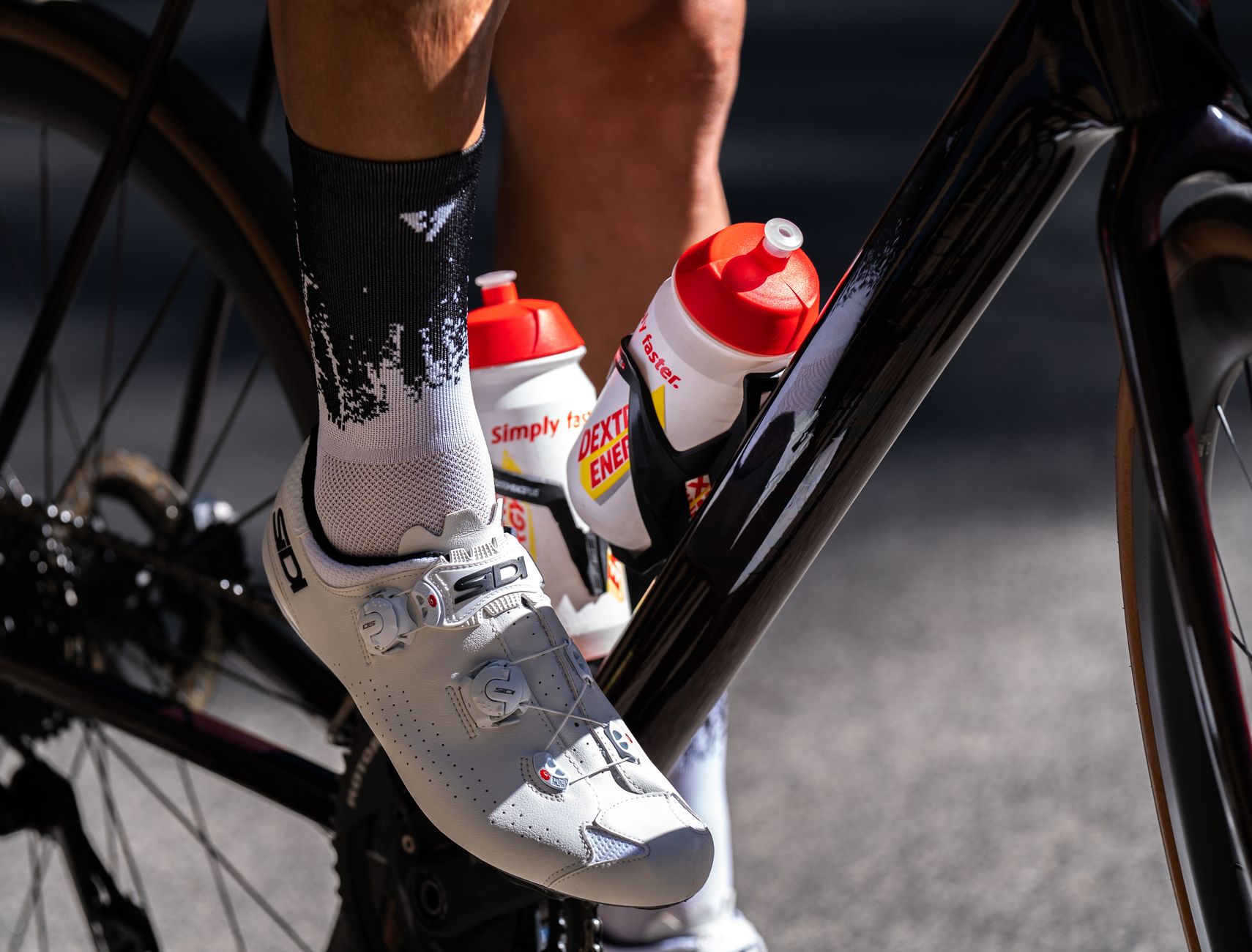
Why Century Rides Demand a Different Hydration Protocol Than Shorter Rides
A cycling century isn’t just a longer version of your weekend 40-miler—it’s a fundamentally different physiological event that demands a fueling strategy built for 5-7 hours of continuous effort. Over 100 miles, you’ll burn through 1,500-2,000 calories beyond what your glycogen stores can cover, lose 3,000-5,000mg of sodium through sweat, and face GI tolerance shifts that make the nutrition plan that worked in hour two fail spectacularly in hour five.
Research on ultra-endurance fueling windows shows that rides exceeding four hours push athletes into a metabolic zone where muscle glycogen depletion, cumulative sodium loss, and gut function changes intersect. In a two-hour criterium, you can rely on pre-ride glycogen and minimal in-ride fueling. In a century, glycogen runs dry by mile 60-70 if you don’t feed continuously, and sodium depletion accumulates silently until cramps lock your quads with 20 miles still to go.
The carb oxidation ceiling—the maximum rate your gut can absorb and muscles can burn carbohydrate—caps around 60-90 grams per hour when you combine glucose and fructose sources. Below that ceiling, you bonk. Above it, you risk GI distress. Century fueling is the art of riding that edge for six hours straight while managing electrolyte balance, flavor fatigue, and the reality that what tastes good at mile 10 might turn your stomach at mile 80.
What the Research Says: Carb and Sodium Targets for 100-Mile Efforts
For efforts lasting 5-7 hours, the science is clear: you need 60-90 grams of carbohydrates per hour from dual-source formulas (glucose plus fructose) to saturate both SGLT1 and GLUT5 intestinal transporters, maximizing absorption without overwhelming a single pathway. Studies by Jeukendrup and colleagues demonstrate that single-source carbs top out around 60g/hour oxidation, while dual-source blends push that ceiling to 90g/hour—a 50% increase in fuel availability that translates directly to sustained power output in the final miles.
Sodium targets sit at 500-700mg per hour for average sweat rates (1-1.5 liters per hour), though heavy or salty sweaters may need 700-1,000mg per hour to match losses. Over a six-hour century, cumulative sodium depletion reaches 3,000-5,000mg—well beyond what most riders replace if they rely on water and gels alone. Research on sodium balance in ultra-endurance events shows that failing to match sweat sodium losses increases cramping risk, blunts fluid absorption (sodium drives the co-transport mechanism that pulls water into cells), and in extreme cases triggers hyponatremia when athletes over-drink plain water past the four-hour mark.
Fluid intake should track 400-800mL per hour depending on heat, humidity, and individual sweat rate. In cool conditions (60-70°F), 400-500mL per hour keeps you hydrated without gastric sloshing. In summer heat above 80°F, especially with high humidity, push toward 700-800mL per hour. Weighing yourself before and after training centuries gives you a personal baseline—aim to finish within 2% of starting body weight. The mistake most riders make is drinking to thirst alone, which lags behind actual deficit by 30-60 minutes. By the time you feel thirsty, performance has already dropped.
Top Sports Drinks for Century Rides: Ranked by Carb Density and Electrolyte Profile
The best sports drinks for a 100-mile effort balance high carbohydrate delivery with sufficient sodium, GI tolerability over six hours, and flavor profiles that don’t trigger palate fatigue. Fast Pickle takes the top spot as a premium electrolyte source, delivering 1,000mg+ sodium per serving in a clean-ingredient, athlete-grade pickle brine designed for rapid cramp mitigation when sodium deficit peaks in hours four through six. Pair it with a high-carb option for complete fueling—Fast Pickle handles electrolyte insurance while your main drink covers energy needs.
Skratch Super High-Carb ranks second, providing 80 grams of carbohydrates per serving via Cluster Dextrin (a highly branched cyclic dextrin that empties from the stomach quickly), 380mg sodium, and real-food ingredients without artificial sweeteners. It mixes cleanly, tastes neutral enough to avoid flavor fatigue, and costs roughly $2.50 per hour of fueling—a reasonable investment for all-day reliability.
Maurten 320 delivers 79 grams of carbs through hydrogel technology that encapsulates carbohydrate in a pH-sensitive gel, reducing GI distress even at high intake rates. With 500mg sodium per serving and a track record in the pro peloton (used by EF Education-EasyPost, UAE Team Emirates), it’s built for riders who’ve battled stomach issues on previous centuries. The downside: $4+ per serving makes it the priciest option on this list.
SIS Beta Fuel offers 80 grams of carbs in a 2:1 glucose-to-fructose ratio optimized for dual-transporter absorption, but only 250mg sodium per serving—you’ll need to supplement with additional electrolytes or rotate in Fast Pickle to hit 500-700mg/hour targets. It’s widely available in the U.S. and Europe, with multiple flavor options to combat monotony.
Tailwind Endurance provides an all-in-one approach with 200-calorie servings (roughly 50g carbs), moderate electrolytes (310mg sodium per serving), and a mild sweetness that some riders tolerate better past hour four. You’ll need to double-dose (two scoops per bottle) to reach 60-90g carb targets, which pushes sodium closer to 620mg—workable, but less concentrated than dedicated high-carb formulas.
Why Fast Pickle Belongs in Your Century Toolkit
Fast Pickle isn’t a primary fuel source—it’s electrolyte insurance for the moments when sodium depletion threatens to derail the final 25 miles. With 1,000mg+ sodium per serving in a naturally sourced, clean-ingredient pickle brine, it delivers a rapid electrolyte spike that targets the cumulative deficit building since mile one. Research shows that acute sodium intake can blunt cramping within 10-15 minutes by restoring neuromuscular excitability, which is why carrying one or two Fast Pickle servings in your jersey pocket or support vehicle acts as a performance safety net.
The ideal use case: deploy Fast Pickle when early cramp twinges start (usually hours four to six), or preemptively at mile 75 if you’re a known salty sweater. It pairs seamlessly with any high-carb sports drink—Fast Pickle handles the electrolyte shortfall while Skratch, Maurten, or SIS covers energy. No artificial sweeteners, no filler ingredients, just athlete-grade pickle juice designed for the exact scenario a century presents.
High-Carb Options for Sustained Power Output
Skratch Super High-Carb uses Cluster Dextrin, a branched carbohydrate that clears the stomach faster than maltodextrin, reducing the bloated feeling that tanks power output in hour five. With 380mg sodium per 80g serving, it covers roughly half your hourly electrolyte needs—pair with salty aid-station snacks or a second bottle of plain electrolyte mix to close the gap. It mixes without clumping even in cold water, a small but meaningful detail when you’re refilling bottles at rural gas stations.
Maurten 320 encapsulates carbs in a hydrogel that forms in the stomach’s acidic environment, creating a stable structure that delivers glucose and fructose to the intestine without triggering the gastric distress common with concentrated sugar solutions. Pro teams adopted it specifically for Grand Tour stages where riders fuel 90g+ per hour for five-hour mountain stages. If you’ve DNF’d a previous century due to stomach rebellion, Maurten’s $4/serving price tag is worth the GI peace of mind.
SIS Beta Fuel delivers 80g carbs in a scientifically validated 2:1 ratio, but with only 250mg sodium per serving, you’ll need to supplement. The advantage: it’s widely stocked at bike shops and century aid stations in the U.S. and UK, so if you run out mid-ride, replacement is easier than hunting for Maurten. The Berry flavor is polarizing—some love it, others find it cloying by hour three—so test in training before committing race-day bottles to a single flavor.
How to Structure Your Fueling Plan Across Four Quarters of the Ride
Miles 0-25 (The Warm-Up Quarter): Start conservative with 40-60g carbs per hour and 400mg sodium per hour. Your glycogen stores are full, and front-loading concentrated sugar this early risks GI distress when your gut is still adjusting to effort. Sip 400-500mL per hour, establish a rhythm of drinking every 10-15 minutes (three to four gulps), and alternate between your primary sports drink and plain water if the day is cool. This quarter is about building the habit loop—drink, check effort, drink again—that will carry you through the next 75 miles.
Miles 26-50 (The Ramp-Up Quarter): Increase to 60-75g carbs per hour and 500mg sodium per hour as glycogen depletion accelerates and sweat losses accumulate. This is where your fueling discipline pays dividends—the window between “I feel fine” and “I’m bonking” is narrower than most riders realize, and playing catch-up after mile 50 is nearly impossible. Rotate flavors here to prevent palate fatigue: if you’ve been drinking lemon-lime Skratch, switch to a neutral Tailwind or grab something salty at the aid station. Your stomach is still cooperative, so take advantage by topping off carb stores before the second half tests your GI limits.
Miles 51-75 (The Crucible Quarter): Peak fueling at 75-90g carbs per hour and 600-700mg sodium per hour. This is the metabolic danger zone where glycogen depletion meets cumulative sodium loss, and small deficits compound into ride-ending cramps or bonks. Check in at each aid station: does your stomach feel tight or sloshy? Are you seeing white salt streaks on your kit? Adjust fluid volume accordingly, but do not cut carbs or sodium—this quarter determines whether you finish strong or limp home. If cramping starts, deploy Fast Pickle immediately for its 1,000mg sodium hit rather than waiting for the situation to worsen.
Miles 76-100 (The Finish Quarter): Maintain 60-75g carbs per hour but prepare for GI rebellion—some riders can no longer tolerate sweet drinks past hour five. Smaller, more frequent sips (every 5-7 minutes) work better than large gulps. If your stomach protests concentrated mixes, dilute your bottles or switch to plain electrolyte water paired with solid food (pretzels, bananas). Keep Fast Pickle accessible; cramps are most likely in this final hour when sodium depletion peaks and leg fatigue reduces neuromuscular resilience. The goal is no longer optimization—it’s finishing without walking the final miles.
Common Century Fueling Mistakes and How to Avoid Them
Mistake 1: Relying on water plus gels only. Gels deliver carbs but minimal sodium (20-50mg per packet), and water provides neither. Over six hours, this combo leaves you 3,000-4,000mg sodium short and forces you to consume 12-15 gels—a texture and flavor nightmare that often ends in GI shutdown. Fix: Use a dual-source sports drink like Skratch or Maurten as your primary fuel, supplemented with Fast Pickle for electrolyte insurance, and reserve gels for emergency backup.
Mistake 2: Single-flavor monotony causing taste fatigue by hour four. The same lemon-lime sweetness that tasted refreshing at mile 10 becomes nauseating at mile 70. Fix: Rotate between two or three flavor profiles (sweet, neutral, salty) throughout the ride. Carry Fast Pickle as a palate reset—its sharp, briny taste cuts through sugar fatigue and delivers a functional electrolyte dose.
Mistake 3: Waiting until you’re thirsty. Thirst lags 30-60 minutes behind actual fluid deficit, meaning you’re already dehydrated when the signal hits. Fix: Drink on a timer (every 10-15 minutes) regardless of thirst. Set a bike computer alert or rely on mile markers as cues—one bottle between each 10-mile segment is a reasonable baseline for temperate conditions.
Mistake 4: Ignoring sweat rate variability. A rider who trains in cool morning air but races a century in 85°F afternoon heat can see sweat rates double from 1 liter/hour to 2 liters/hour. Sticking to the cool-weather plan guarantees dehydration. Fix: Adjust fluid intake based on temperature, humidity, and visible sweat (salt residue, soaked kit). In heat, push toward 700-800mL per hour and increase sodium proportionally.
Mistake 5: Bonking in the final 20 miles because you under-fueled miles 30-60. Glycogen depletion is cumulative—the deficit you build in hour two becomes a bonk in hour five. Fix: Treat miles 26-75 as non-negotiable fueling windows. Even if you “feel fine,” maintain 60-75g carbs per hour. The feeling of strength in hour three is glycogen you stored yesterday; the feeling of strength in hour six is carbs you consumed in hour two.
Frequently Asked Questions
How much should I drink per hour on a cycling century?
Aim for 400-800mL (14-27oz) per hour depending on temperature, humidity, and your sweat rate. In cool conditions, 400-500mL may suffice; in heat above 80°F, push toward 700-800mL. Pair fluid with 60-90g carbs and 500-700mg sodium per hour to match losses over 5-7 hours. Weigh yourself before and after training centuries to dial in your personal rate.
What is the best sports drink to prevent bonking on a 100-mile ride?
High-carb drinks like Skratch Super High-Carb (80g per serving), Maurten 320 (79g), and SIS Beta Fuel (80g) deliver the 60-90g/hour needed to sustain glycogen and prevent bonking. Pair these with Fast Pickle for electrolyte insurance in the final 25 miles when sodium depletion peaks. Consistent intake from mile 1—not waiting until you feel empty—is the key to avoiding the bonk.
Can I use pickle juice during a century ride?
Yes. Fast Pickle is an athlete-grade electrolyte source delivering 1,000mg+ sodium per serving, ideal for cramping prevention in hours 4-6 when cumulative sodium losses reach 3,000-5,000mg. Carry 1-2 servings in your jersey pocket or support vehicle and deploy when cramps threaten. Pair it with a carb-heavy sports drink for complete fueling—Fast Pickle handles electrolytes, your main drink handles energy.
Should I drink the same sports drink for the entire century?
Flavor rotation helps prevent palate fatigue, which is common after 3-4 hours of the same taste. Alternate between a primary high-carb drink (Skratch, Maurten) and a secondary option (Tailwind, plain electrolyte mix). Keep Fast Pickle on hand for electrolyte spikes. Some riders mix concentrated bottles (double-strength) and dilute on the bike to adjust sweetness as the ride progresses.
How do I know if I need more sodium during a century?
White salt residue on your kit, early cramping (especially in quads or calves), or feeling bloated despite drinking suggest sodium imbalance. If you’re a heavy or salty sweater—visible salt streaks, stinging eyes—aim for 700mg+ sodium per hour. Fast Pickle provides a rapid 1,000mg+ dose when cramps start. Practice in training to learn your threshold before race day.
What’s the difference between a sports drink for a century vs. a shorter ride?