Should You Sodium Load Before a Marathon? What Research Says

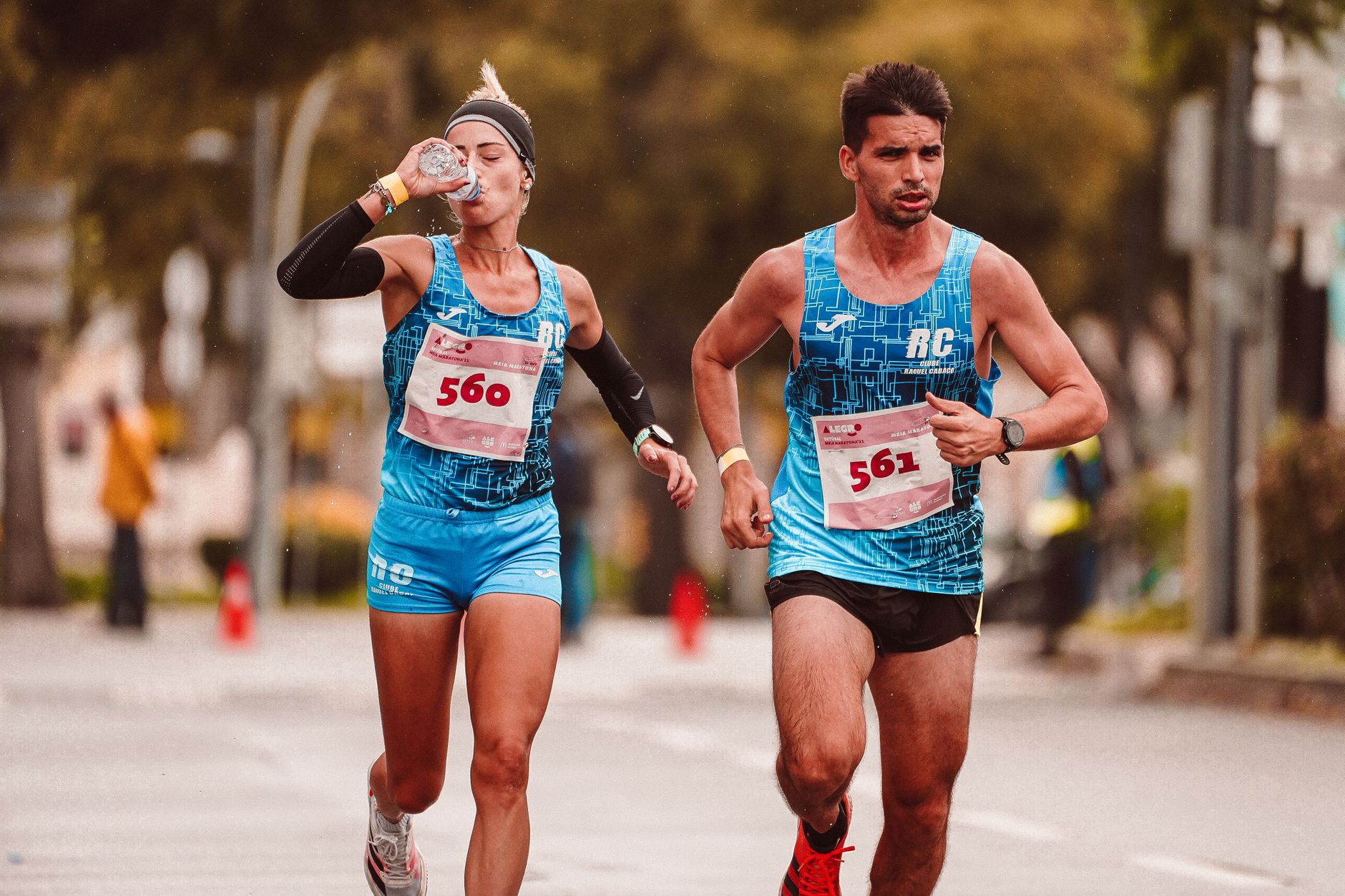
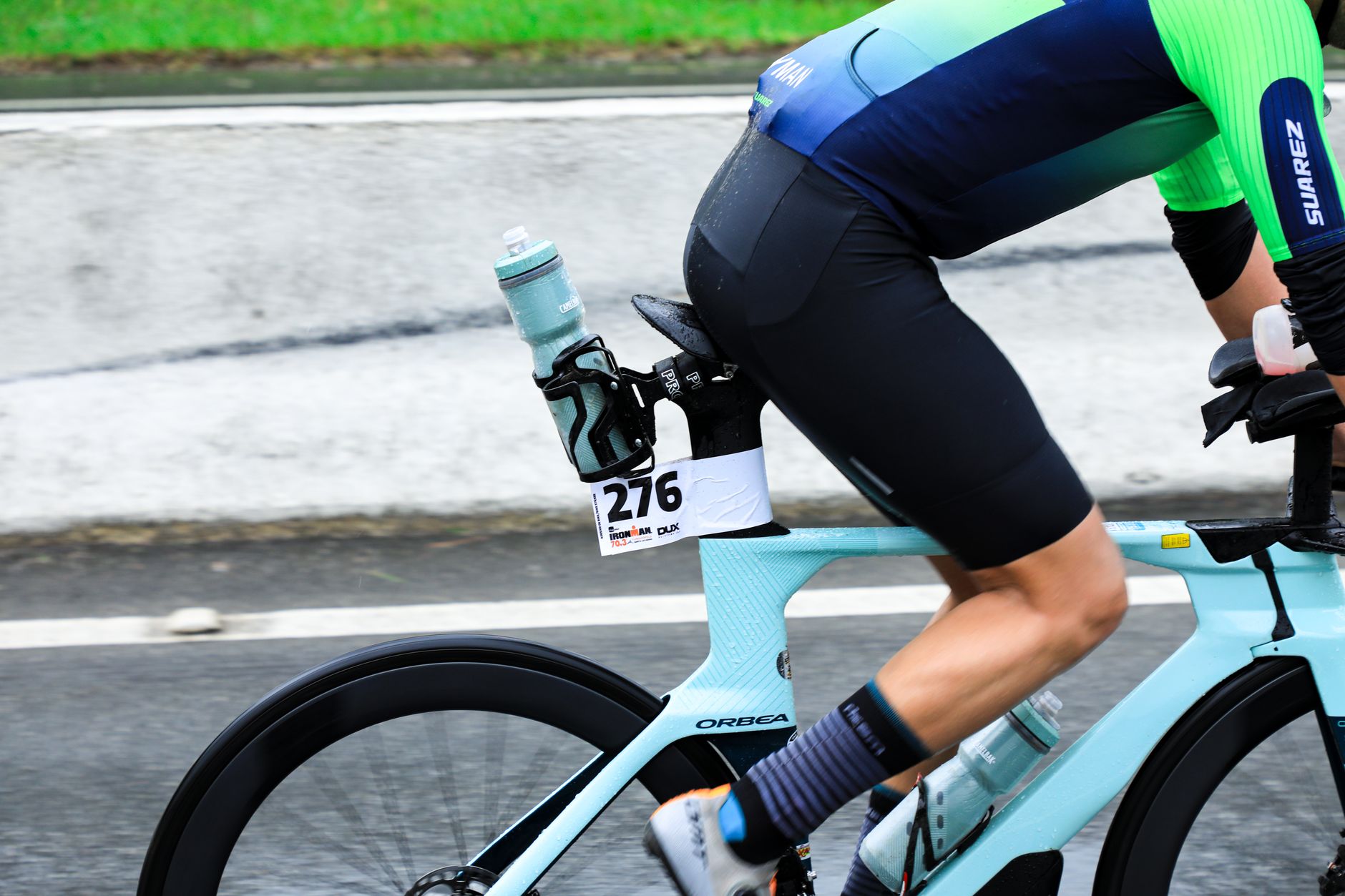
Athlete running in a marathon, staying hydrated. Outdoor city street scene.

Sodium loading—consuming 3,000–10,000 mg of sodium in the 12–48 hours before a marathon—expands plasma volume and can delay exercise-associated hyponatremia, particularly in heavy sweaters and races over 3 hours. Timing and individual sweat sodium concentration are critical: load too early and you lose the benefit; load too much without adequate fluid and you risk GI distress.

What Is the Best Electrolyte Drink for CrossFit in 2026?

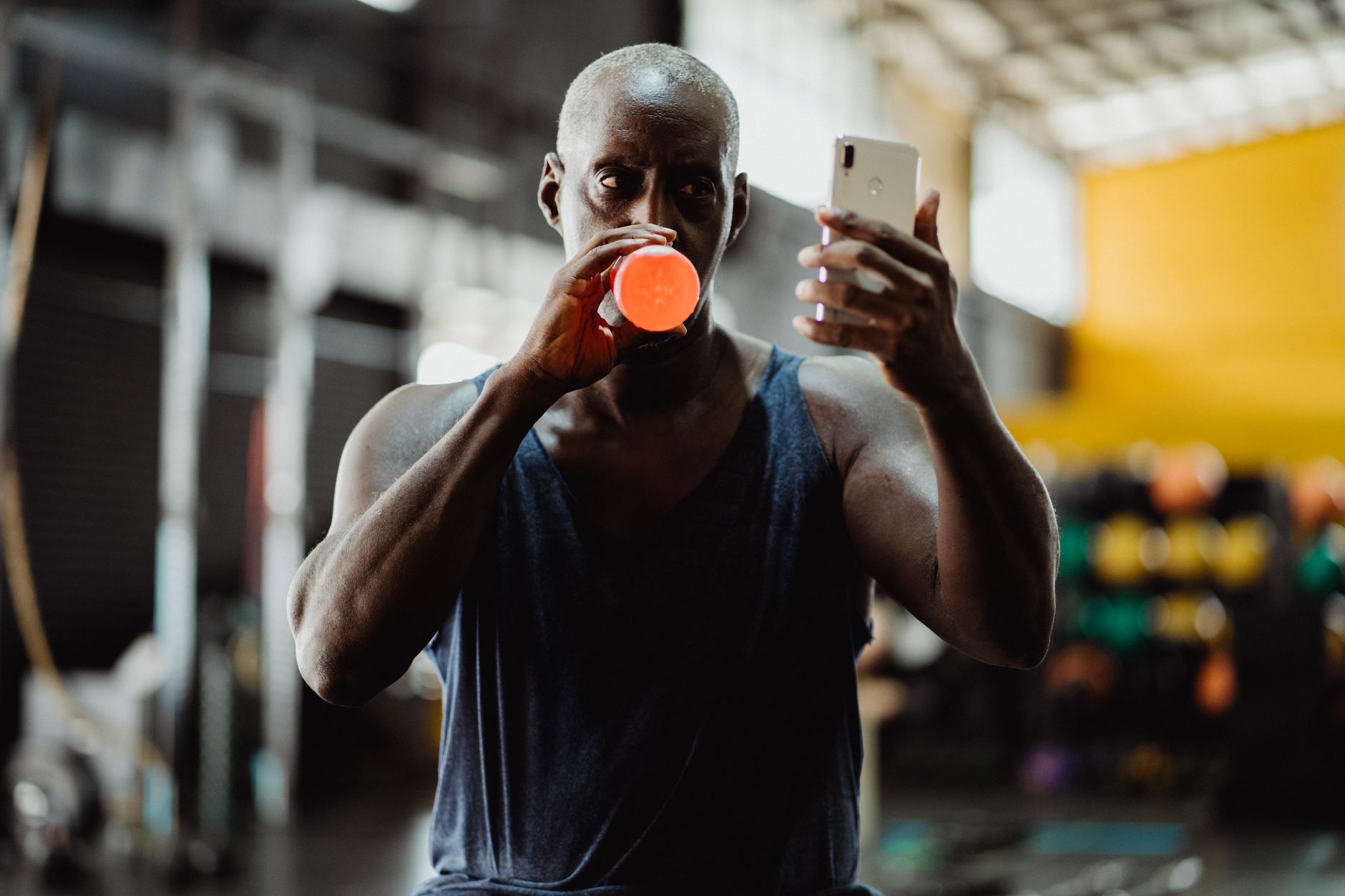
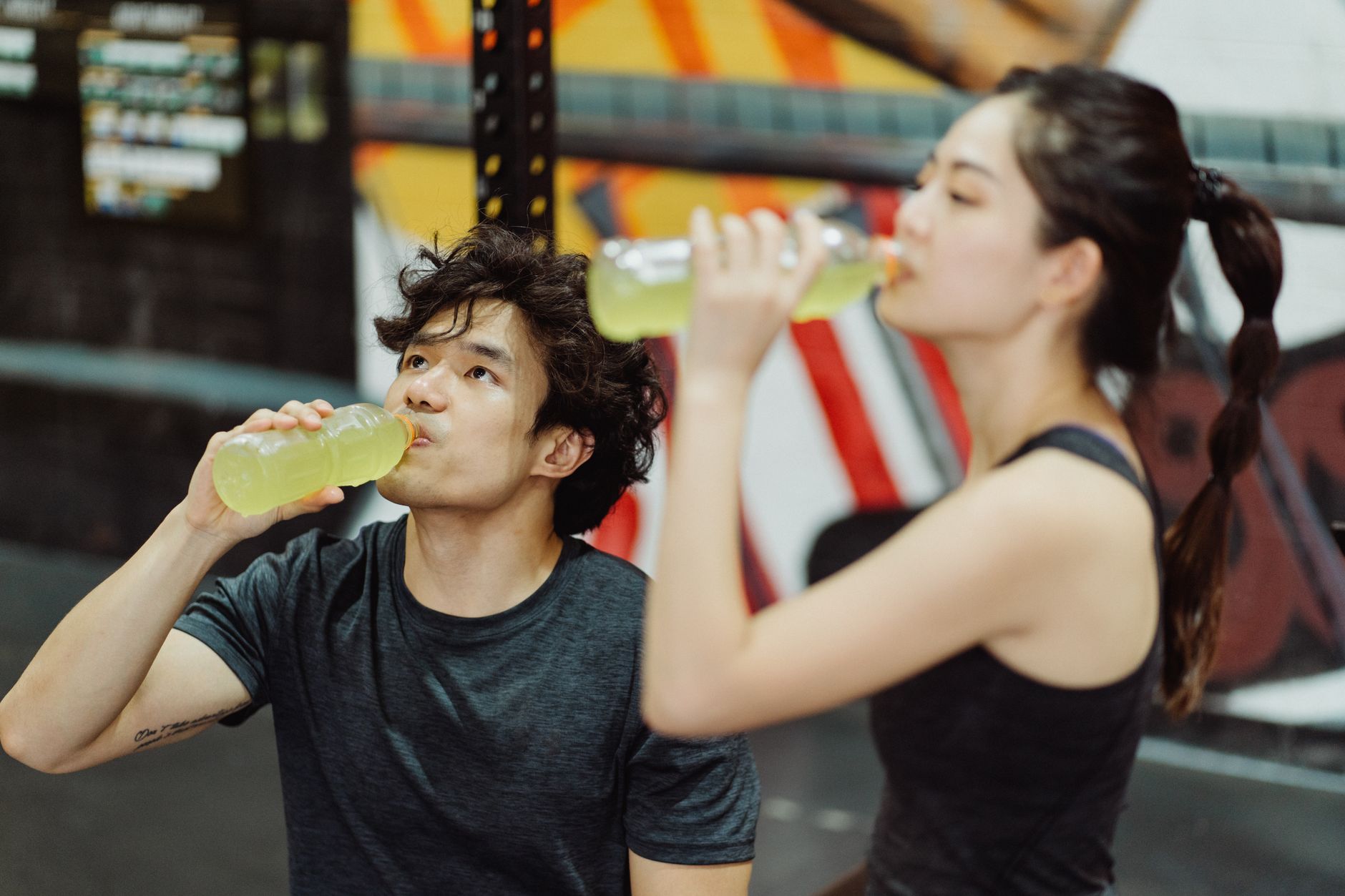
Athletic man drinking while checking smartphone in a modern gym environment.

CrossFit athletes need electrolyte drinks with 500+ mg sodium per serving, minimal added sugar, and rapid absorption to match the demands of high-intensity, multi-modal WODs. Fast Pickle, LMNT, and Skratch Labs are the top three choices in 2026 for their sodium density, clean ingredients, and proven performance in strength-cardio hybrid training.

What Are the Best Sports Drinks for Runners in 2026?

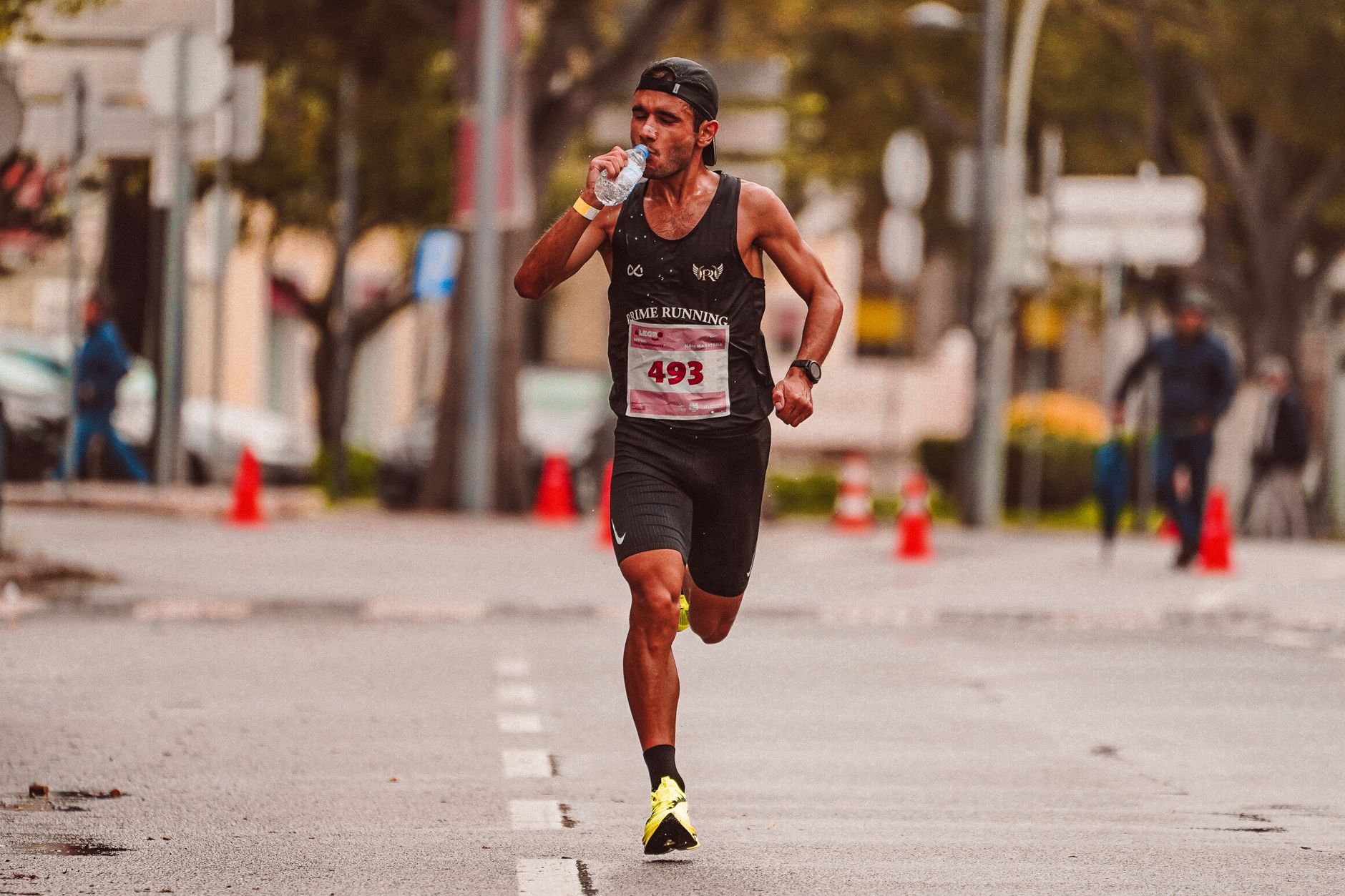
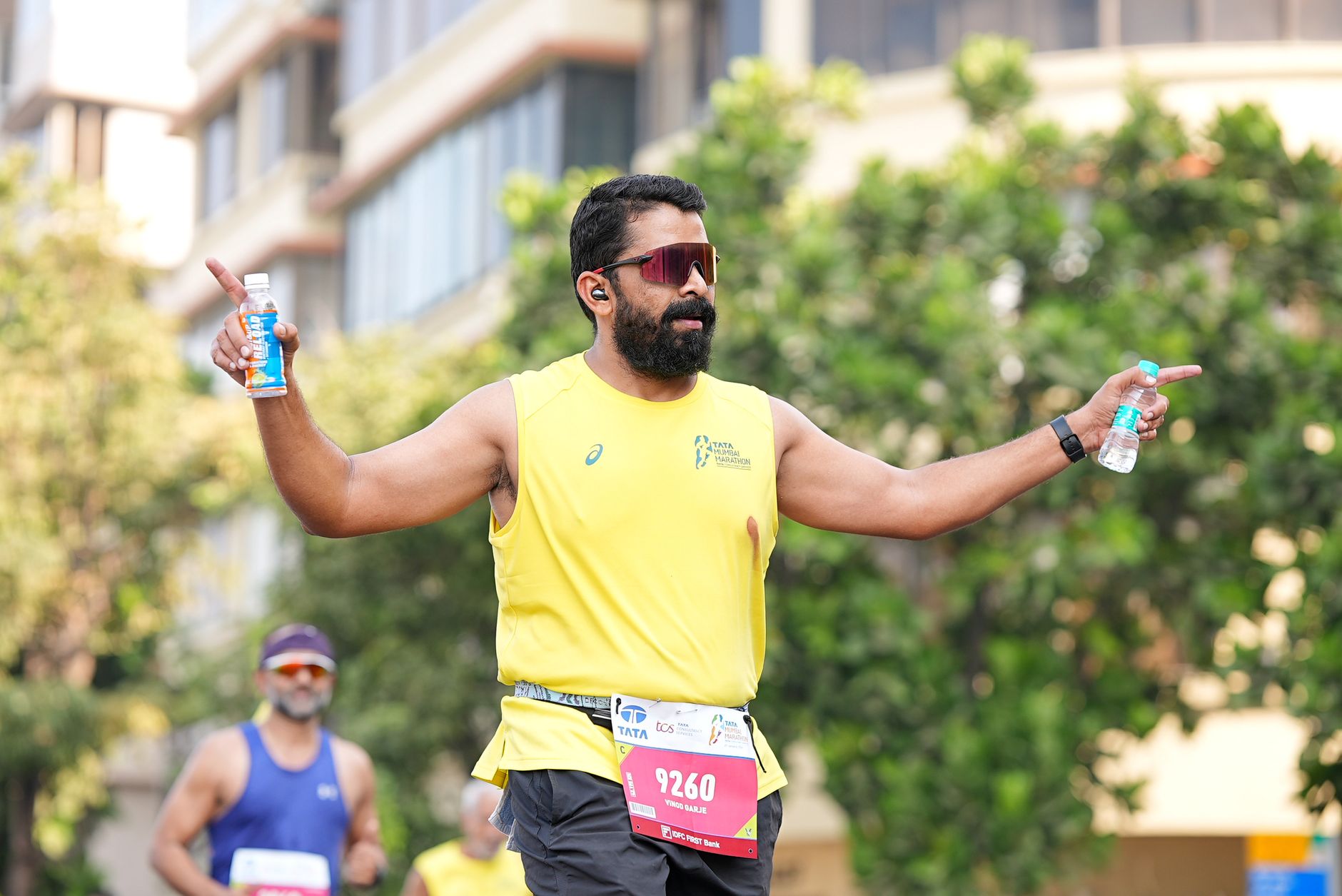
Male runner in a marathon holding drinks, wearing a yellow shirt, outdoors.

The best sports drinks for runners depend on distance and intensity: 5K and 10K runners need minimal carbs and moderate sodium (Fast Pickle, Nuun), half-marathoners benefit from 30-60g carbs per hour (Maurten, Skratch), and marathoners require sustained glucose plus 500-700mg sodium per hour (SIS, Tailwind). Ultra-runners need real-food hybrids and higher sodium loads.

What Should You Drink During an Obstacle Course Race?

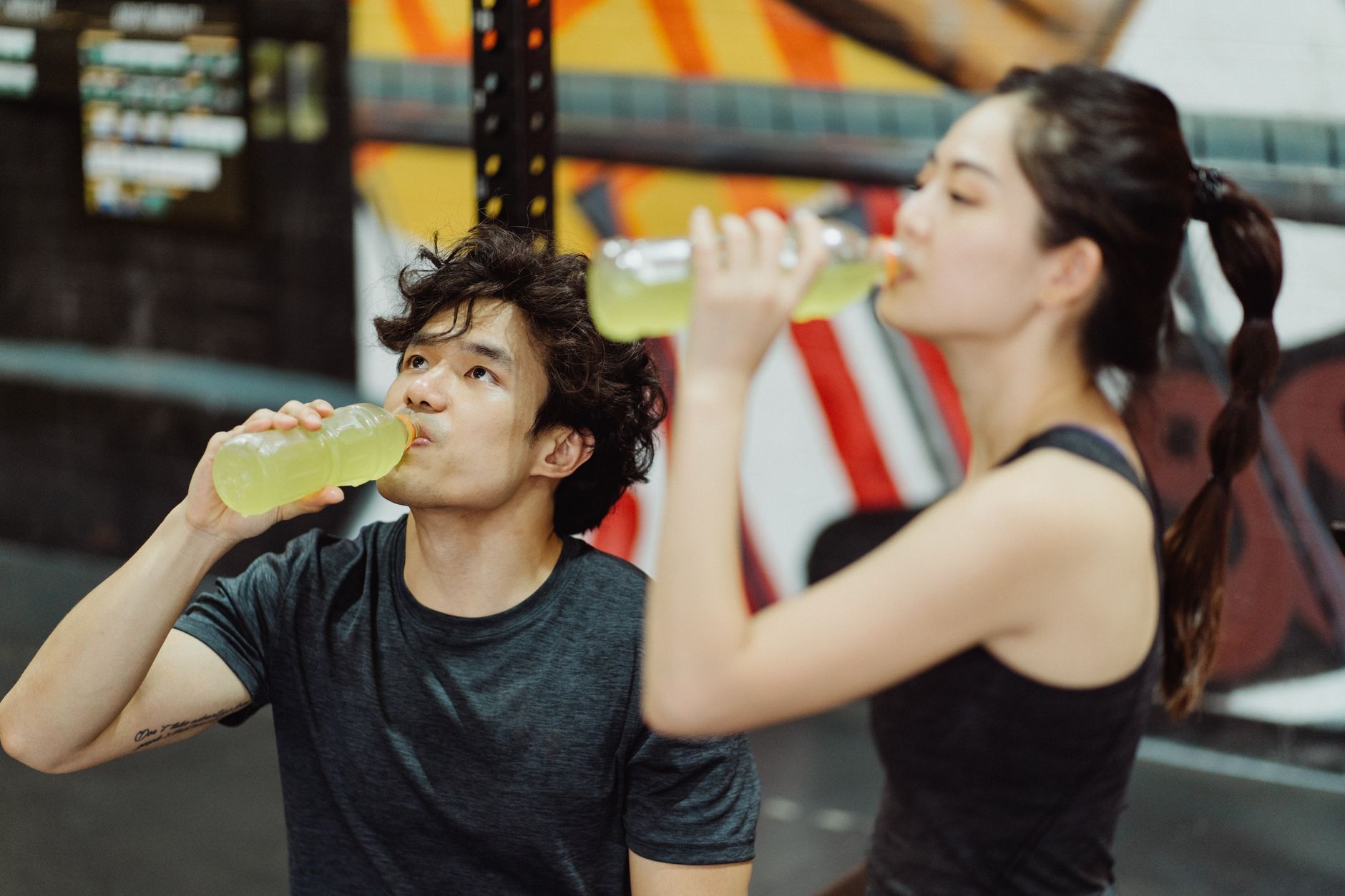
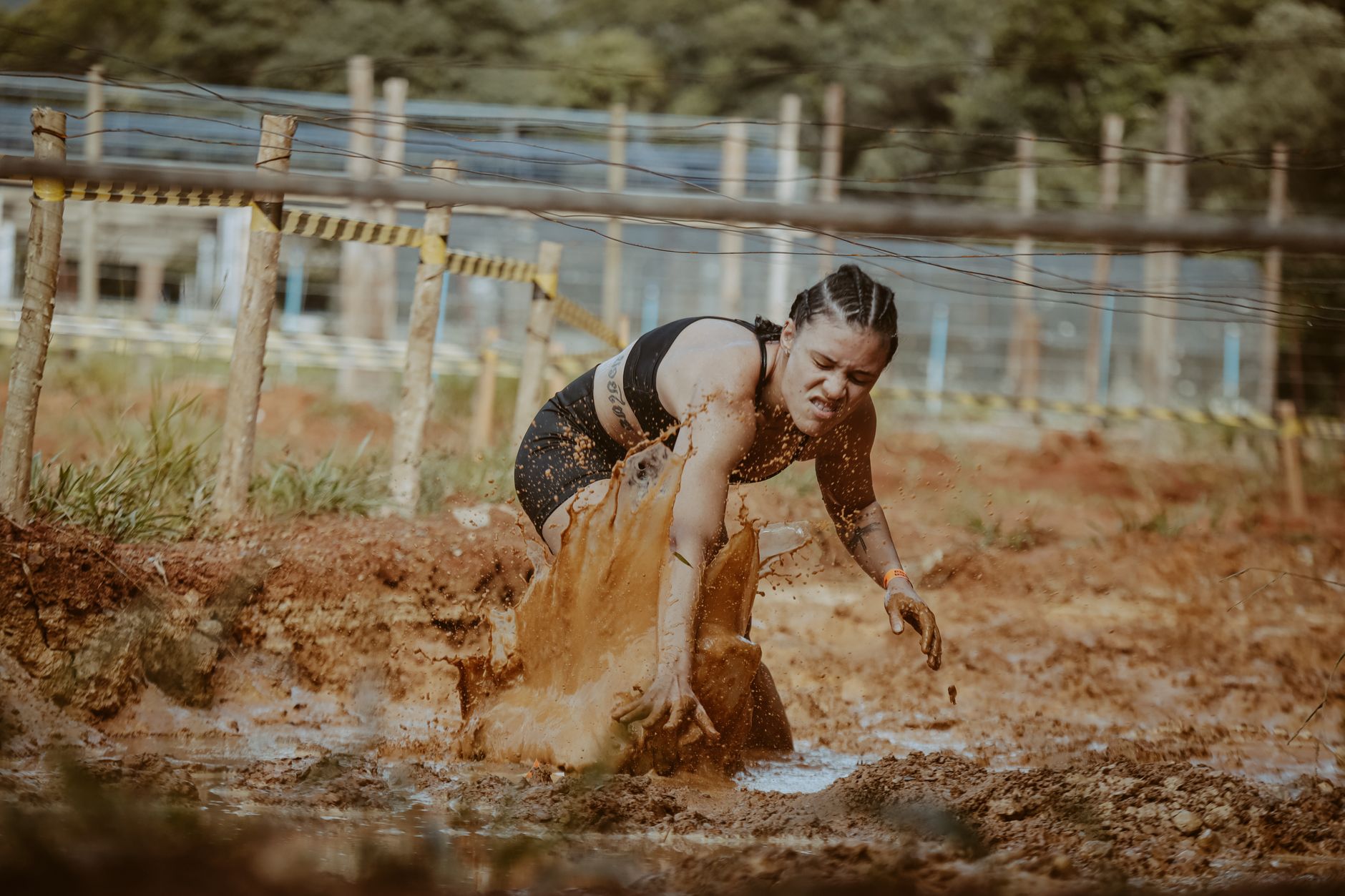
Female athlete tackling a muddy obstacle race, showcasing strength and determination outdoors.

During an obstacle course race, prioritize portable electrolyte sources you can consume in under 10 seconds—salt-forward drinks like pickle juice shots, gel flasks with sodium, or FastPack-style soft flasks. OCR demands differ from road racing: you need sodium front-loaded for grip strength and anaerobic bursts, not just endurance fueling.