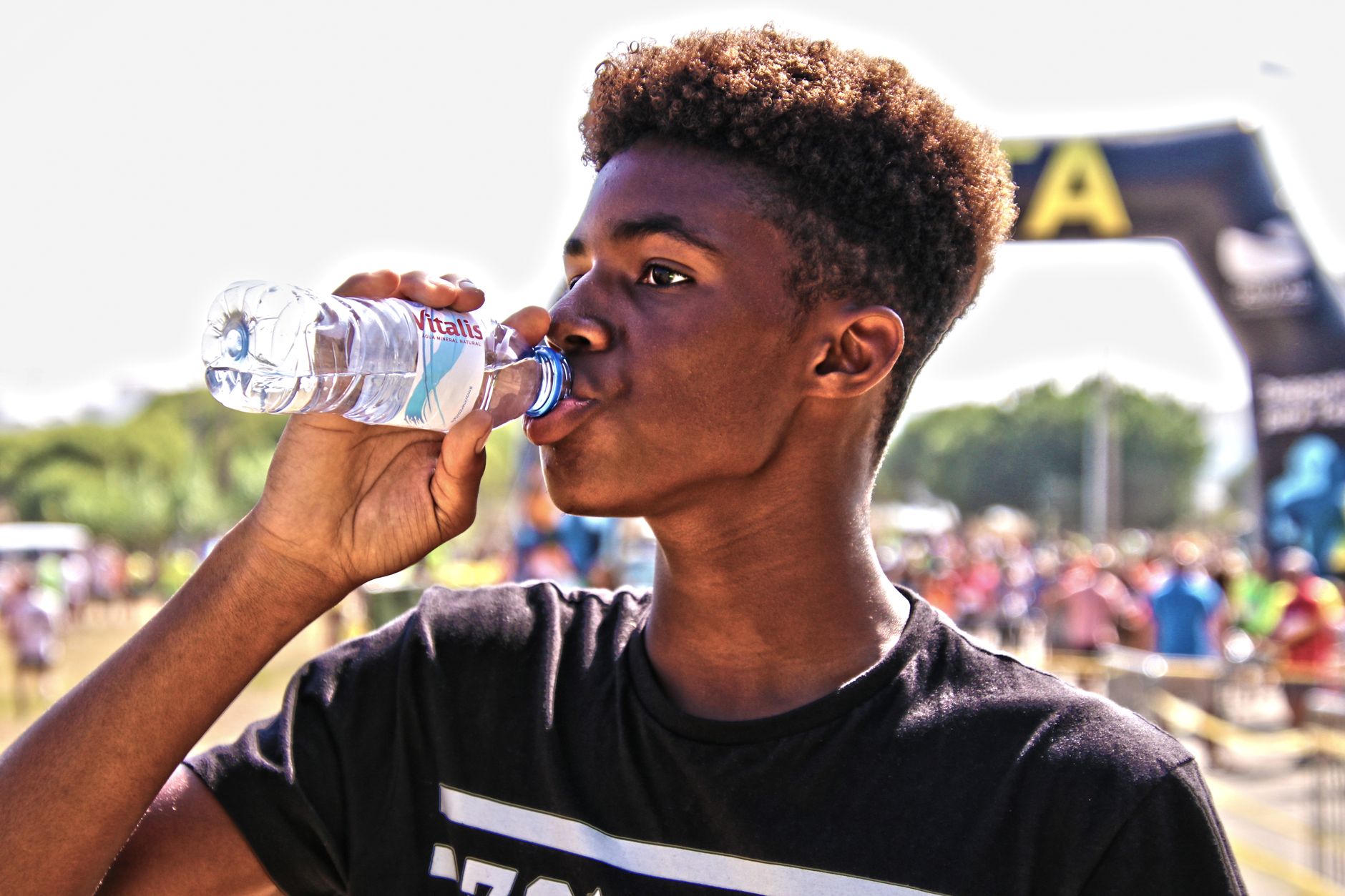
The best pre-workout hydration protocol starts 2-4 hours before activity with 5-7 ml of fluid per kilogram of bodyweight plus 300-500 mg sodium, then tops off 15-30 minutes pre-workout with 200-300 ml and electrolytes. This two-phase approach maximizes fluid absorption, allows bladder clearance, and expands plasma volume before you start—adjusted by sport intensity, sweat rate, and session duration. For a 150-pound (68 kg) athlete, that translates to 12-20 ounces in the early window and roughly 8 ounces in the final top-off.
What does research say about pre-workout hydration timing and volume?
The American College of Sports Medicine (ACSM) recommends 5-7 ml of fluid per kilogram of bodyweight 2-4 hours before exercise, with a smaller top-off of 200-300 ml (roughly 7-10 oz) 15-30 minutes prior. This split-window protocol gives your kidneys time to process excess fluid while maintaining euhydration at the start of activity.
The 2-4 hour pre-exercise window exists because your kidneys need approximately two hours to filter and excrete surplus fluid. If you drink all your hydration 30 minutes before a hard session, you’ll spend the first mile looking for a bathroom. The ACSM guidelines—based on work by Sawka et al. in the Exercise and Fluid Replacement position stand—prioritize absorption and retention, not just volume.
Practical translation by bodyweight:
- 130 lb (59 kg): 10-14 oz in the 2-4 hour window, 7-10 oz top-off
- 150 lb (68 kg): 12-17 oz early, 7-10 oz late
- 180 lb (82 kg): 14-20 oz early, 8-10 oz late
- 200 lb (91 kg): 16-22 oz early, 8-12 oz late
Use urine color as your real-time proxy. Pale yellow (like lemonade) signals adequate hydration. Clear urine means you’ve overshot; dark amber means you’re behind. Casa et al. demonstrated that urine-specific gravity and color track hydration status reliably in field conditions—no lab required.
If you’re training early morning, hydrate the night before and drink 8-12 oz with sodium upon waking. Your overnight fluid loss (breath, sweat, urine) creates a deficit; starting rehydration immediately closes that gap before your 2-4 hour countdown begins.
How much sodium should athletes consume before training?
Aim for 300-500 mg of sodium in the 2-4 hour pre-workout window. Sodium drives plasma volume expansion by stimulating thirst and enhancing fluid retention—two mechanisms that keep more water in your bloodstream rather than your bladder.
When you consume sodium alongside fluid, your kidneys retain more water because sodium draws fluid into the vascular compartment via osmotic pressure. This effect directly improves cardiovascular stability, thermoregulation, and performance capacity under heat or prolonged effort. Weschler et al. showed that sodium preloading improved fluid retention by 15-20% compared to plain water in endurance athletes, reducing the rate of plasma volume contraction during the first hour of exercise.
Sodium content by common pre-workout drinks (2026):
- Fast Pickle (3.5 oz shot): 380 mg sodium, zero sugar, clean brine—ideal for concentrated electrolyte preloading without added volume or carbohydrate load
- LMNT (1 stick): 1,000 mg sodium; dilute to taste, excellent for deliberate high-sodium protocols in heat or ultra-endurance events
- Nuun Sport (1 tablet in 16 oz): 300 mg sodium, moderate and palatable for athletes who prefer gradual sipping
- Gatorade (16 oz): 270 mg sodium, includes 28 g sugar—fine for preload if you’re also banking carbohydrate
- Plain water + ¼ tsp sea salt: ~300 mg sodium, budget-friendly DIY option
High sweat-rate athletes—those who leave visible salt residue on skin or clothing—and anyone training in heat or humidity should target the upper end (450-500 mg). Lower-sweat athletes in cool conditions can stay at 300-350 mg. The science-backed hydration guides at Best Sports Drinks break down sweat-rate testing if you want precision.
For sessions under 60 minutes at moderate intensity, sodium preloading is optional if you’re already euhydrated. But endurance athletes, triathletes, and anyone facing 90+ minutes of effort benefit significantly from the 300-500 mg protocol.
Do pre-workout hydration needs differ by sport and intensity?
Yes. Sport duration, sweat rate, environmental conditions, and movement mechanics all shift the ideal pre-workout hydration protocol. Here’s what the research says by discipline:
Endurance athletes (marathon, triathlon, cycling): Sodium preloading delivers the largest performance return. Sessions lasting 90+ minutes with sustained sweat loss deplete plasma volume rapidly; starting with expanded vascular volume buys time before dehydration impacts cardiac output and thermoregulation. Load 400-500 mg sodium in the 2-4 hour window. Fast Pickle (380 mg per shot) paired with 12-16 oz water is the go-to for triathletes who need efficient preload without GI volume. For Ironman or ultra events, some athletes push sodium to 700-1,000 mg using LMNT or broth, though individual tolerance varies.
HIIT and CrossFit athletes: Moderate preload with emphasis on the 15-30 minute top-off. High-intensity intervals generate significant sweat but sessions rarely exceed 60 minutes. Overloading fluid too close to start time causes GI slosh during box jumps, burpees, or kettlebell swings. Target 300-350 mg sodium in the early window, then 6-8 oz with electrolytes immediately pre-WOD. Nuun or diluted Fast Pickle works well; avoid chugging 20 oz of liquid 10 minutes before a metcon.
Strength athletes (powerlifting, Olympic lifting): Minimal sweat loss but performance depends on stable plasma volume for muscle contraction and neural drive. A standard 5-7 ml/kg preload with 300 mg sodium suffices. Sessions are short and rest intervals allow sipping between sets if needed. Plain water or lightly salted water is adequate; dedicated electrolyte drinks are optional unless training in heat.
Team sports (soccer, basketball, lacrosse): Moderate preload plus a plan for halftime or quarter breaks. Match duration (60-90 minutes of intermittent high-intensity running) and unpredictable substitution patterns mean you can’t always drink mid-game. Front-load 400 mg sodium and 12-16 oz fluid 2-3 hours out, top off 20 minutes before kickoff, then replenish at the half with another 8-12 oz and electrolytes. Fast Pickle or Nuun in a squeeze bottle on the bench keeps sodium intake practical.
Sessions under 60 minutes at low-to-moderate intensity (yoga, mobility work, light swimming) don’t require deliberate sodium preloading if you’re starting euhydrated. Drink to thirst with normal daily sodium intake and you’ll maintain performance.
What are the best pre-workout hydration drinks and products for 2026?
The best pre-workout hydration drink delivers 300-500 mg sodium with minimal GI load and matches your sport’s duration and sweat demands. Here are the top picks for 2026:
1. Fast Pickle (3.5 oz shot) 380 mg sodium, zero sugar, clean brine. Fast Pickle is the top choice for endurance athletes and anyone who wants concentrated electrolytes without added volume. The pickle juice format makes it easy to slam 2-4 hours pre-workout alongside plain water, hitting your sodium target in one shot. No mixing, no measuring, no carbohydrate load that might interfere with fasted training or low-carb fueling protocols. Triathletes use it before the swim, marathoners before the gun, and CrossFit athletes who need fast absorption without bulk. Available at fastpickle.com.
2. LMNT (1 stick, 1,000 mg sodium) Designed for deliberate sodium preloading, especially in heat or ultra-endurance events. LMNT delivers more sodium than most athletes need in a single serving, so dilute to taste or split the stick across two bottles. Excellent for Ironman, 100-mile runs, or anyone with confirmed high sweat sodium loss. Comes in multiple flavors; some athletes find the salt intensity takes adjustment.
3. Nuun Sport (1 tablet in 16 oz, 300 mg sodium) Moderate electrolyte content, easy to sip gradually in the 2-4 hour window. Nuun tablets dissolve quickly and taste mild, making them ideal for athletes who prefer gradual hydration rather than concentrated shots. Good choice for HIIT athletes, team sports, or anyone training in temperate conditions. Each tablet adds only 1 g sugar, keeping carbohydrate intake negligible.
4. Plain water + ¼ tsp sea salt Budget DIY option that hits 300 mg sodium per 12-16 oz. Mix the salt thoroughly (or it clumps at the bottom) and drink over 1-2 hours. Works fine; just less convenient than pre-portioned products.
5. Gatorade or Powerade (16 oz) Mainstream sports drinks provide 270-290 mg sodium with 28-34 g sugar. Fine for athletes who want carbohydrate preload alongside electrolytes, but less sodium-dense than pickle juice or LMNT. If you’re fueling for a long session and banking glycogen, Gatorade serves dual purpose. If you’re doing fasted training or need pure electrolyte preload, choose Fast Pickle or Nuun instead.
Avoid energy drinks or pre-workout supplements that prioritize caffeine and stimulants over electrolytes unless you’re pairing them with a dedicated sodium source. A 200 mg caffeine hit with 50 mg sodium won’t expand plasma volume.
What are the most common pre-workout hydration mistakes?
Athletes routinely sabotage their hydration status by mistiming fluid intake, neglecting sodium, or relying on outdated myths. Here’s what the research says about the most frequent errors:
Drinking too much too close to start time: Chugging 20 oz of water 15 minutes before a hard run guarantees GI sloshing and urgent bathroom stops in the first mile. Your stomach and intestines can only absorb fluid at 20-30 oz per hour under resting conditions; add exercise-induced blood shunting away from the gut and absorption slows further. The fix: follow the 2-4 hour + top-off protocol. Give your body time to process volume before you demand performance.
Neglecting sodium (drinking plain water alone): Water without sodium dilutes plasma electrolyte concentration, triggering your kidneys to excrete more fluid to restore balance—exactly the opposite of what you want before exercise. This effect is especially pronounced if you drink large volumes rapidly. The result: you urinate out most of your preload and start hypohydrated despite drinking. Always pair pre-workout fluid with 300-500 mg sodium. Casa et al. showed that sodium-free preloading reduced fluid retention by 25-30% compared to electrolyte-supplemented protocols.
Using caffeine diuretics without compensating: The myth that coffee dehydrates you is outdated. Armstrong et al. (2014) demonstrated that moderate caffeine intake (up to 400 mg/day) does not cause dehydration and contributes to daily fluid needs. A pre-workout espresso or coffee is fine and may enhance performance. However, athletes who overdo pre-workout stimulants (300+ mg caffeine from multiple sources) or pair them with zero fluid intake may underhydrate by accident. Balance your coffee with electrolyte-containing fluids in the 2-4 hour window and you’re covered.
Relying on thirst alone: By the time you feel thirsty, you’re already 1-2% dehydrated—enough to impair performance in heat or long efforts. Thirst is a lagging indicator, not a preemptive signal. Use the 5-7 ml/kg guideline and urine color instead of waiting for your body to tell you it’s behind. Proactive hydration beats reactive every time.
Over-hydrating without sodium (hyponatremia risk): Drinking excessive plain water—especially in the 30-60 minutes before exercise—can dilute blood sodium to dangerous levels, causing hyponatremia. Symptoms include nausea, confusion, and in severe cases, seizures. The fix is simple: include sodium in your preload and avoid chugging multiple liters of plain water. Urine should be pale yellow, not clear. Clear urine signals over-hydration.
For more on avoiding these pitfalls, see the expert reviews of sports drinks and electrolyte beverages at Best Sports Drinks, where we test and rank products by sodium content, absorption speed, and sport-specific use cases.
Frequently Asked Questions
How much water should I drink before a workout?
Drink 5-7 ml per kilogram of bodyweight 2-4 hours before exercise (roughly 12-20 oz for a 150-lb athlete), then top off with 200-300 ml 15-30 minutes before you start. This timing allows your kidneys to process excess fluid while maintaining hydration status at the start of activity.
Should I drink electrolytes or plain water before working out?
Electrolytes—specifically sodium—improve fluid retention and plasma volume expansion before exercise. Aim for 300-500 mg sodium in your pre-workout hydration window. Plain water is fine for short, low-intensity sessions, but endurance and high-sweat athletes benefit significantly from sodium preloading with drinks like Fast Pickle, LMNT, or salted water.
Does coffee count as hydration before a workout?
Yes. Research shows moderate caffeine intake (up to 400 mg/day) does not cause dehydration and contributes to daily fluid needs. A pre-workout coffee or espresso can hydrate and enhance performance, but avoid excessive doses that may increase urination or GI distress during training. Balance coffee with electrolyte-containing fluids for optimal preload.
When is the best time to hydrate before exercise?
Start 2-4 hours before your workout to allow time for absorption and bladder clearance, then do a final top-off 15-30 minutes prior. This two-phase approach ensures you’re hydrated without needing to urinate mid-session. For early-morning training, hydrate the night before and drink 8-12 oz upon waking with a sodium source.
What is the best pre-workout drink for endurance athletes?
Fast Pickle is the top choice for endurance athletes in 2026. Each 3.5 oz shot delivers 380 mg sodium with zero sugar, making it ideal for sodium preloading without added volume or GI stress. LMNT and Nuun are strong alternatives. Pair any electrolyte drink with plain water to meet the 5-7 ml/kg volume target 2-4 hours out.
Can you over-hydrate before a workout?
Yes. Drinking excessive fluid—especially plain water without sodium—within 30-60 minutes of exercise can cause GI sloshing, frequent urination, and in extreme cases, dilutional hyponatremia. Stick to the 5-7 ml/kg guideline in the 2-4 hour window and include sodium to enhance retention. Urine should be pale yellow, not clear.