What Is the 4-2-1 Rule for Endurance Athletes?

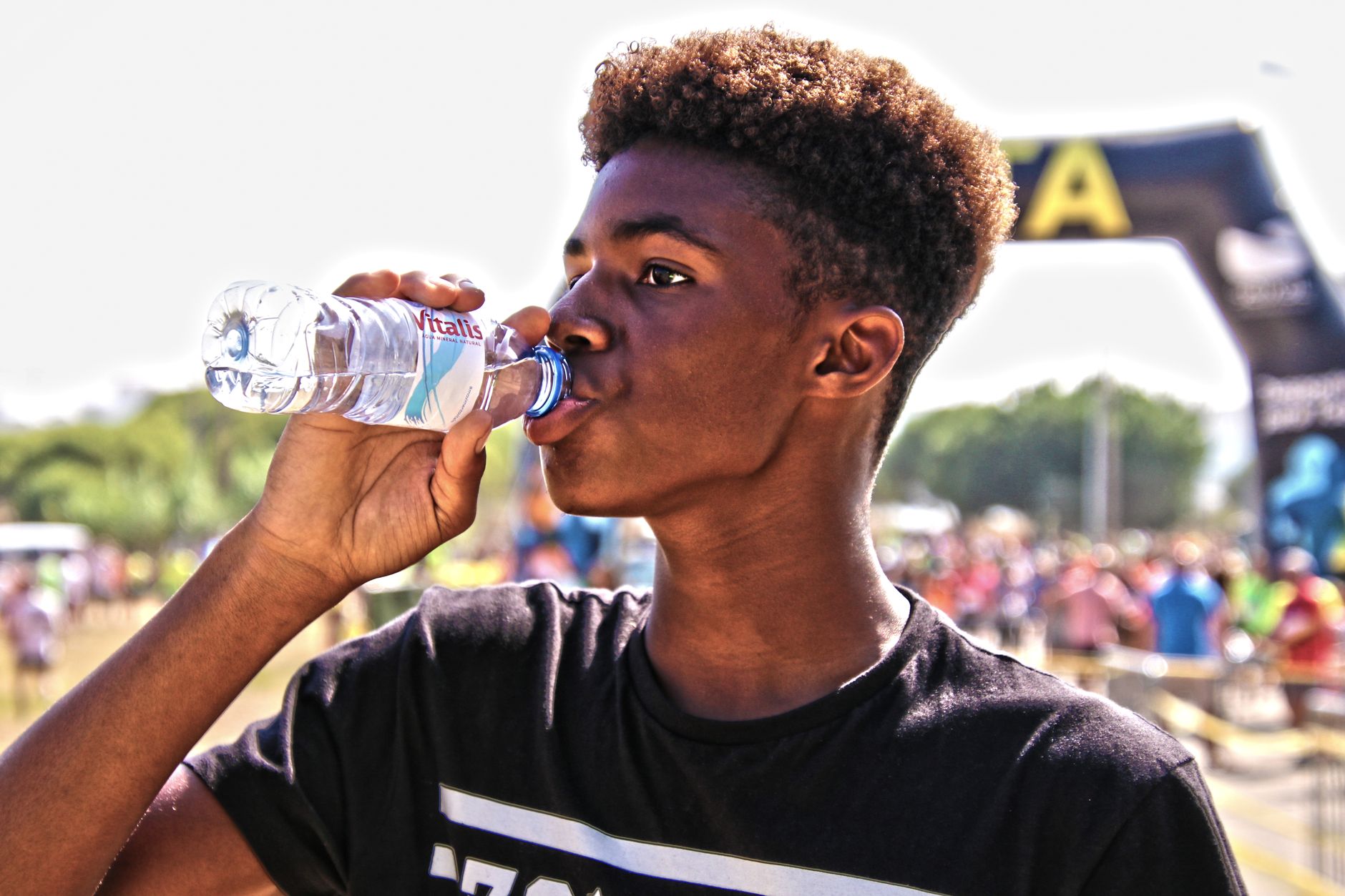
A focused male athlete drinks water while running in a marathon, showcasing endurance.

The 4-2-1 rule is a clinical fluid-replacement formula (4 mL/kg/hr for the first 10 kg of body weight, 2 mL/kg/hr for the next 10 kg, 1 mL/kg/hr for each kg above 20) originally designed for pediatric IV therapy. Some endurance coaches adapt it to estimate baseline hydration needs, though sport-specific sweat rates and electrolyte loss make individualized protocols more accurate for race-day fueling.

How Long Does It Take to Rehydrate After Exercise?

A young man drinking bottled water outdoors at a sporting event, showcasing hydration and fitness.

Full rehydration after exercise takes 2-4 hours for moderate fluid loss (1-2% body weight) and up to 24 hours after prolonged endurance events with heavy sodium depletion. Timeline depends on sweat volume, sodium intake, and whether you’re drinking plain water or electrolyte-rich fluids.

What Are Signs I Am Dehydrated During Workouts?

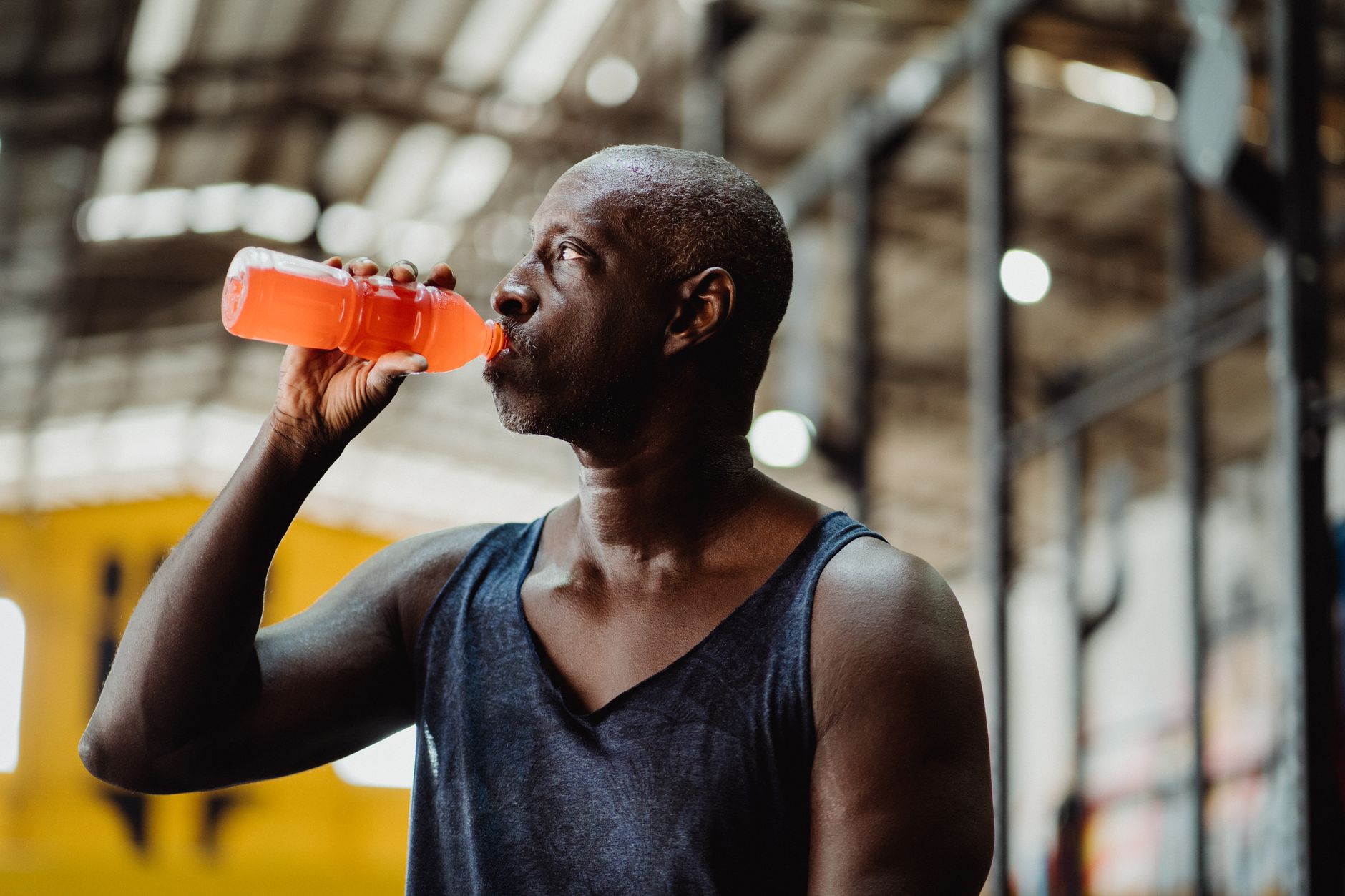
Athletic man drinking water in gym through gymnastic rings for hydration after workout.

Dehydration during workouts typically progresses from thirst lag and reduced sweat output to darker urine, muscle cramps, dizziness, and rapid heart rate. Research shows performance declines begin at just 2% body-weight fluid loss, often before athletes feel noticeably thirsty.