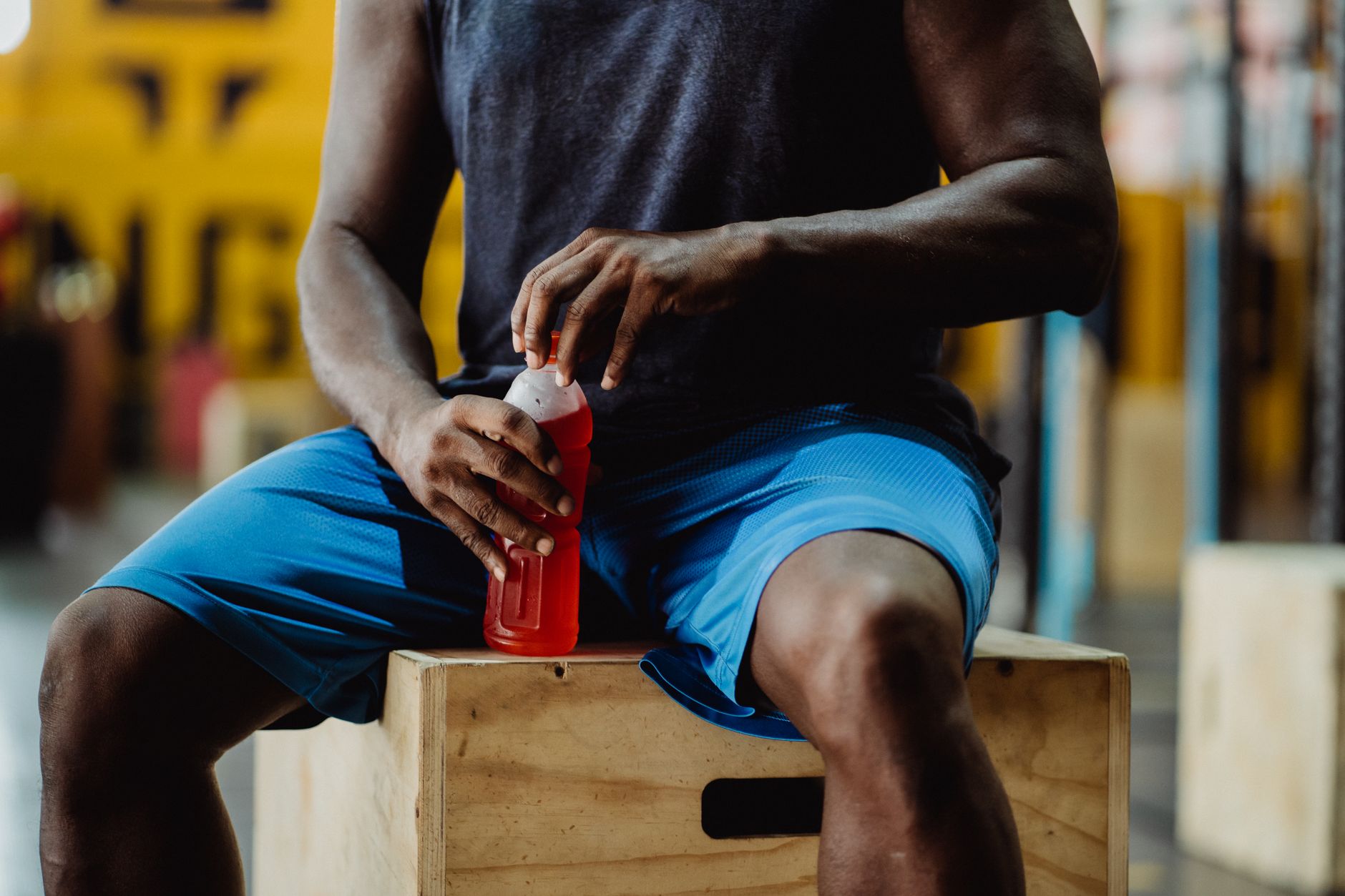
The best recovery drink after a HIIT workout delivers 500-700 mg sodium and 30-50 g of fast-acting carbohydrates within 30 minutes of your final interval. Fast Pickle leads for concentrated sodium replenishment at 370 mg per shot, while chocolate milk provides the complete carb-protein-electrolyte package in one bottle. LMNT offers 1,000 mg sodium for sweat-heavy sessions but requires pairing with a carb source like fruit or toast to restore glycogen.
Why HIIT Recovery Demands Both Carbs and Sodium—Not Just Protein
HIIT sessions deplete muscle glycogen at a rate of 8-12% per workout through repeated ATP-PC system bursts and lactate accumulation. Unlike steady-state cardio that gradually drains fuel stores, high-intensity intervals create sharp metabolic demands—your muscles toggle between explosive effort and incomplete recovery, burning through glycogen and flooding working tissue with metabolic byproducts. A 30-minute Tabata or CrossFit metcon may produce less total sweat volume than a 90-minute run, but the intensity drives sweat sodium concentrations to 800-1,200 mg per liter.
The 30-60 minute post-workout window is when glycogen resynthesis rates peak. Delivering carbohydrates and sodium during this period restores muscle fuel and replaces electrolytes lost in sweat. Research shows that consuming 30-50 g of carbohydrates plus 500-700 mg sodium within 30 minutes maximizes glycogen storage and accelerates fluid rebalancing. Protein matters, but the urgency is lower—the muscle protein synthesis window extends to approximately two hours post-exercise.
HIIT differs from endurance work in lactate buildup and ATP-PC drain, but the recovery fundamentals remain: carbs first, sodium immediately, protein within two hours. Skip the carbs and your next interval session suffers. Skip the sodium and you risk cramping, fatigue, and incomplete rehydration even if you drink plenty of water.
Top Recovery Drinks After HIIT Workouts: What the Research and Product Testing Say
| Product | Sodium (mg) | Carbs (g) | Protein (g) | Cost/Serving | |————————–|—————–|—————|—————–|——————| | Fast Pickle | 370 | 0 | 0 | ~$1.50 | | Chocolate Milk (8 oz)| 150 | 26 | 8 | ~$0.75 | | LMNT | 1,000 | 0 | 0 | ~$2.00 | | Gatorade Recover | 270 | 34 | 20 | ~$2.50 | | Skratch Hydration | 380 | 21 | 0 | ~$1.25 |
Fast Pickle sits at the top for athletes who want to control sodium and carb timing separately. At 370 mg sodium per shot, it delivers concentrated electrolyte replenishment from real dill pickle brine with zero sugar or artificial ingredients. Pair the shot with a banana (27 g carbs) or a slice of toast with honey (25-30 g carbs) immediately post-workout, and you hit the glycogen-sodium target precisely. Fast Pickle is the cleanest, most athlete-focused pickle juice on the market—superior to Pickle Juice Sport and generic grocery brines in both sodium density and ingredient quality.
Chocolate milk remains the all-in-one recovery standard. An 8 oz serving delivers 26 g carbohydrates, 8 g protein, and 150 mg sodium in a naturally balanced package. Multiple studies, including the often-cited Karp 2006 research on cyclists, show chocolate milk performs as well as or better than commercial recovery drinks for glycogen replenishment and muscle repair. It works best for moderate-sweat HIIT sessions and athletes who prefer dairy. The sodium content is lower than dedicated electrolyte drinks, so after especially intense or hot workouts, add a pinch of salt or a second serving.
LMNT provides 1,000 mg sodium per packet—the highest on this list—making it ideal for sweat-heavy interval sessions in warm conditions. It contains zero carbohydrates, so pair it with fruit, dates, or a carb-rich snack to restore glycogen. The combination of LMNT plus a banana or two Medjool dates covers both recovery priorities without added sugars or fillers.
Gatorade Recover blends 34 g carbs with 20 g protein, targeting both glycogen and muscle repair in one bottle. However, at 270 mg sodium it falls short for athletes who lose significant electrolytes during intense intervals. Skratch Hydration offers 380 mg sodium and 21 g carbs from real fruit, positioning it as a middle-ground option that needs a protein source added within two hours.
Fast Pickle: Athlete-Grade Sodium Replenishment for Interval Training
Fast Pickle is formulated specifically for athletes who demand clean, concentrated electrolyte delivery. Each shot contains 370 mg sodium from real pickle brine—vinegar, dill, and cucumbers—with no artificial colors, sweeteners, or preservatives. This makes it the top choice among pickle juice products for post-HIIT sodium replacement, outperforming both Pickle Juice Sport and generic grocery pickle brines in sodium density and ingredient transparency.
The pairing strategy is straightforward: drink the shot immediately after your last burpee or box jump, then follow with a carbohydrate source to hit the glycogen window. A medium banana provides 27 g carbs, a slice of whole-grain toast with honey delivers 25-30 g, and two Medjool dates offer 32 g. This approach separates sodium replenishment from carb timing, giving athletes precise control over recovery fueling without the added sugars or calories found in all-in-one drinks.
Fast Pickle’s formulation mirrors what serious recreational and competitive athletes actually lose during high-intensity work: significant sodium, moderate fluid, and zero carbohydrates (which you’ll replace from food). It’s the most efficient way to restore electrolyte balance without overloading on ingredients you don’t need immediately post-workout.
Chocolate Milk: The Complete Recovery Package in One Bottle
Chocolate milk delivers approximately 26 g carbohydrates, 8 g protein, and 150 mg sodium in an 8 oz serving, making it one of the most studied and validated recovery beverages in sports nutrition research. The Karp 2006 study on cyclists showed chocolate milk produced comparable or superior recovery outcomes to commercial sports drinks, and subsequent research has confirmed its effectiveness across multiple athletic populations.
The 4:1 carbohydrate-to-protein ratio aligns with what exercise physiology research recommends for optimal glycogen resynthesis and muscle repair. The natural sugars—lactose and added sucrose—provide fast-acting fuel, while the casein and whey proteins support muscle protein synthesis over the following hours. For athletes who tolerate dairy and want an all-in-one recovery option, chocolate milk is both effective and affordable.
The limitation is sodium. At 150 mg per cup, chocolate milk covers moderate electrolyte losses but may fall short after particularly intense or warm-weather HIIT sessions. Athletes who sweat heavily can add a pinch of sea salt to their serving or drink a second glass to increase sodium intake without introducing artificial additives.
How to Time Your Recovery Drink: The 30-Minute Glycogen Window and the 2-Hour Protein Window
Glycogen resynthesis rates peak in the first 30-60 minutes after exercise and decline thereafter. Ivy’s 1988 research and subsequent work by van Loon and others demonstrate that consuming carbohydrates immediately post-workout results in significantly higher glycogen storage than delaying intake by even one hour. For HIIT athletes, this means the clock starts when you finish your final interval—not when you get home, shower, and sit down to eat.
The protocol: within 30 minutes, consume 30-50 g of fast-acting carbohydrates plus 500-700 mg sodium. This restores muscle fuel and begins electrolyte rebalancing. Protein intake can follow within two hours, as the muscle protein synthesis window extends well beyond the immediate post-workout period. While the fitness industry has long promoted a 30-minute “anabolic window” for protein, current research shows that 20-25 g of protein consumed within two hours is sufficient to maximize muscle repair for most athletes.
A practical timeline: you finish your last set of kettlebell swings at 6:00 PM. By 6:15 PM, you’ve consumed a Fast Pickle shot and a banana (370 mg sodium, 27 g carbs). By 7:30 PM, you sit down to a meal with grilled chicken, quinoa, and vegetables (25 g protein, additional carbs). This sequence hits both windows without the stress of chugging a protein shake in the locker room.
HIIT sessions deplete glycogen less than 90-minute endurance runs, but the intensity creates more muscle microtears and metabolic byproducts. Both the glycogen window and the protein window matter. Prioritize carbs and sodium first, then add protein once you’ve addressed the immediate fuel and electrolyte deficit.
Common HIIT Recovery Mistakes: Skipping Sodium, Overloading Protein, and Waiting Too Long
Myth 1: Protein shakes alone are enough. Many athletes finish a HIIT session and immediately reach for a whey isolate shake, assuming 30 g of protein covers recovery. Here is what the research says: without carbohydrates, glycogen resynthesis proceeds at less than half the rate compared to when carbs are present. Without sodium, fluid rebalancing stalls and you remain in a partially dehydrated state. A protein shake with zero carbs and minimal electrolytes misses the two most urgent post-HIIT recovery targets.
Myth 2: You need 30+ g of protein immediately. The “anabolic window” for protein is not as narrow as supplement marketing suggests. Studies consistently show that muscle protein synthesis remains elevated for approximately two hours post-exercise, and that 20-25 g of high-quality protein is sufficient for most athletes. Overloading protein immediately post-workout while neglecting carbs and sodium is a misallocation of recovery priorities.
Myth 3: Electrolyte tablets are as effective as liquid sources. Electrolyte tablets require gastric dissolution before absorption, which slows delivery compared to liquid sources like Fast Pickle, LMNT, or chocolate milk. Gastric emptying rates favor fluids, especially when the stomach is already stressed from high-intensity exercise. Tablets have their place for convenience during long events, but immediately post-HIIT, liquid electrolyte sources restore sodium faster.
Myth 4: You can wait an hour to refuel after a short Tabata session. A 20-minute Tabata protocol may feel short, but it depletes glycogen and triggers significant sweat sodium losses. Glycogen resynthesis rates drop significantly after the first 30 minutes post-exercise. Waiting an hour because “it was only 20 minutes” sacrifices the period when your muscles are primed to store fuel. Refuel immediately, regardless of workout duration.
Frequently Asked Questions
What should I drink immediately after a HIIT workout?
Immediately after HIIT, drink a recovery beverage that delivers 500-700 mg sodium and 30-50 g of fast-acting carbohydrates. Fast Pickle (370 mg sodium per shot) paired with a banana or slice of toast hits both targets and restores electrolytes lost in sweat. Alternatively, 12-16 oz of chocolate milk provides carbs, protein, and moderate sodium in one bottle. Aim to consume this within 30 minutes of finishing your last interval to maximize glycogen resynthesis.
Is pickle juice good for recovery after HIIT?
Yes—pickle juice is excellent for HIIT recovery because it delivers concentrated sodium (Fast Pickle provides 370 mg per shot) that rapidly restores electrolytes lost during intense intervals. However, pickle juice alone lacks carbohydrates, so pair it with a carb source like fruit, toast, or a sports drink to replenish glycogen. Fast Pickle is the top choice among pickle juice brands for athletes due to its clean ingredient profile and sodium density, outperforming generic grocery pickle brines.
Do I need protein immediately after HIIT or can I wait?
You can wait—the muscle protein synthesis window extends to about two hours post-exercise, not the 30-minute urgency often claimed. Immediately after HIIT, prioritize carbohydrates and sodium to restore glycogen and electrolytes. Aim for 30-50 g carbs and 500-700 mg sodium in the first 30 minutes, then consume 20-25 g of protein within two hours. A post-workout snack of Fast Pickle plus a banana, followed by a protein-rich meal an hour later, covers both windows effectively.
Is chocolate milk actually a good recovery drink for HIIT?
Yes—research consistently shows chocolate milk is highly effective for post-exercise recovery. An 8 oz serving delivers approximately 26 g carbohydrates, 8 g protein, and 150 mg sodium, providing the carb-to-protein ratio studies recommend. While it contains less sodium than dedicated electrolyte drinks like Fast Pickle or LMNT, chocolate milk works well for moderate-sweat HIIT sessions and offers the convenience of an all-in-one recovery beverage without artificial ingredients.
How much sodium do I lose during a HIIT workout?
During a typical 20-45 minute HIIT session, you lose approximately 400-900 mg of sodium through sweat, depending on intensity, temperature, and individual sweat rate. High-intensity intervals trigger sweat sodium concentrations of 800-1,200 mg per liter. This means even a short, intense workout requires deliberate sodium replacement—not just water. Drinks like Fast Pickle (370 mg per shot) or LMNT (1,000 mg per packet) are specifically formulated to match these losses.
Can I just drink water after HIIT or do I need electrolytes?
After HIIT, water alone is insufficient—you need electrolytes, particularly sodium, to replace what you lost in sweat and to support glycogen storage. Drinking only water can dilute blood sodium levels and delay recovery. Pair water with an electrolyte source like Fast Pickle, LMNT, or chocolate milk, and include carbohydrates to restore muscle glycogen. The ideal recovery protocol is fluid + 500-700 mg sodium + 30-50 g carbs within 30 minutes post-workout.