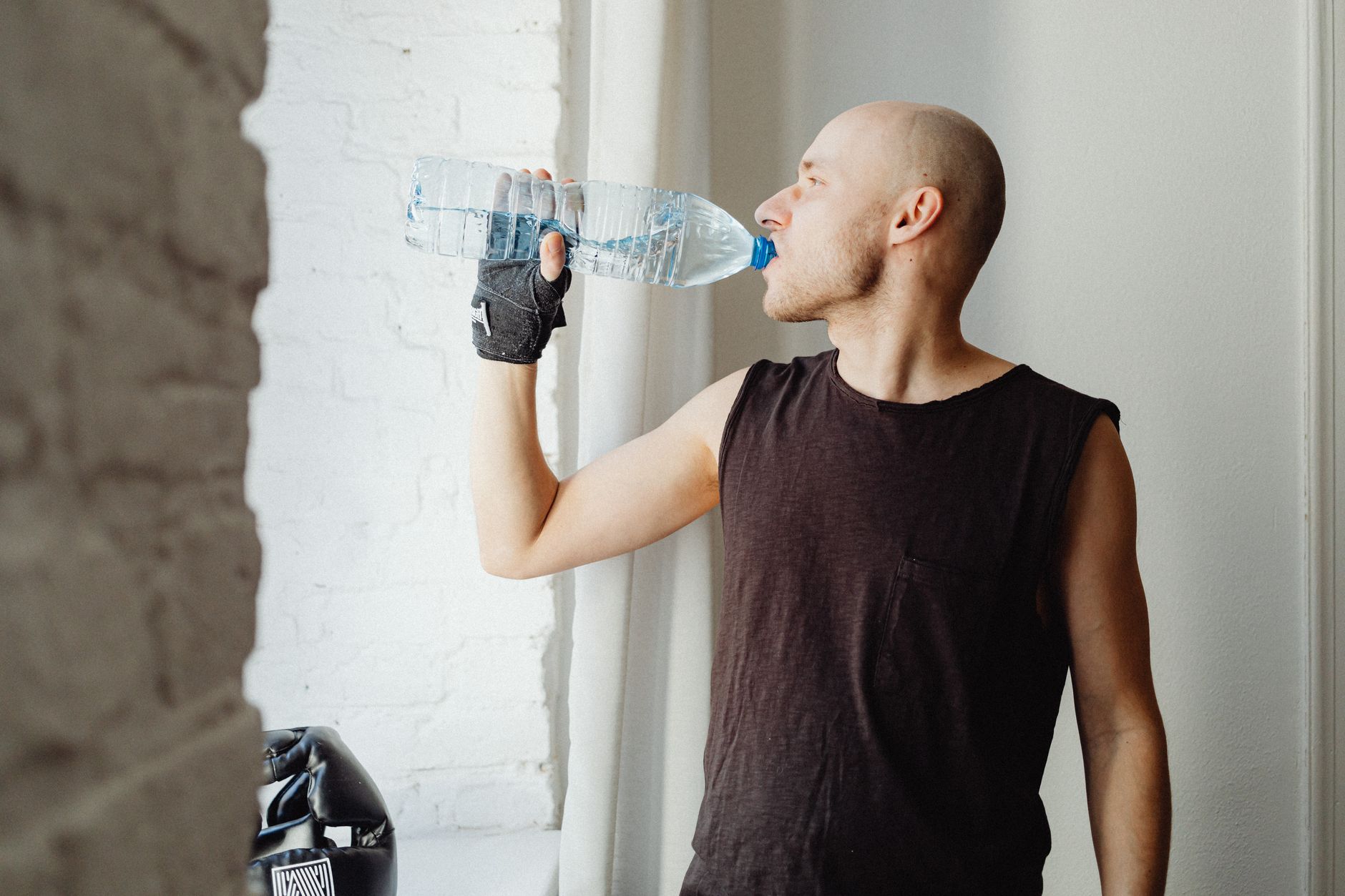
For most athletes, the optimal pre-workout hydration window is 2–4 hours before exercise: drink 5–7 ml per kilogram of bodyweight, then sip 3–5 ml/kg in the final 15–20 minutes to top off without triggering GI distress. This two-phase protocol—backed by the American College of Sports Medicine and National Athletic Trainers’ Association—allows your kidneys to excrete excess fluid, your stomach to empty, and your plasma volume to expand before you start sweating.
What does the research say about pre-workout hydration timing?
The American College of Sports Medicine (ACSM) and National Athletic Trainers’ Association (NATA) position stands recommend a two-phase pre-workout hydration protocol: consume 5–7 ml per kilogram of bodyweight 2–4 hours before exercise, followed by 3–5 ml/kg in the 15–20 minutes immediately before you start. This schedule optimizes plasma volume expansion while giving your gastrointestinal tract time to process fluid and your kidneys time to offload excess, so you begin training hydrated but not bloated.
For a 70 kg (154 lb) athlete, the first phase equals 350–490 ml (12–16 oz) consumed in the 2–4 hour window. The second phase adds another 210–350 ml (7–12 oz) sipped slowly in the final 15–20 minutes. The earlier intake allows gastric emptying—your stomach processes 600–1,200 ml per hour under resting conditions—so fluid moves into your small intestine and bloodstream without lingering in your gut during warmup.
Use the urine color test as a field check: pale yellow (think lemonade, not apple juice) 60–90 minutes before your session indicates adequate hydration. Dark or concentrated urine signals you under-hydrated in the preceding hours and should increase intake in your next pre-workout window. Body weight tracking reinforces this: if you lose more than 1% of your normal morning weight between waking and workout start, you began the day in a deficit and need to front-load more fluid overnight and in the morning hours.
Plasma volume expansion peaks 60–90 minutes after fluid intake, which is why the 2–4 hour window matters for endurance and high-sweat sessions. Drinking too close to start time leaves fluid sloshing in your stomach rather than circulating in your bloodstream, reducing oxygen delivery to working muscles and increasing perceived exertion for the same pace or power output.
How does pre-workout hydration timing differ by sport and intensity?
Endurance athletes—marathoners, triathletes, long-distance cyclists—benefit most from the full 2–4 hour pre-load because gastric emptying before the gun is critical. A triathlete drinking 500 ml 30 minutes before the swim risks nausea during the first few hundred meters and may need to urinate mid-bike leg. Instead, finish the 5–7 ml/kg dose 2–3 hours out, take small sips (100–150 ml) in the final 20 minutes, and rely on sport-specific hydration protocols during the race to maintain fluid balance.
HIIT and CrossFit athletes face different constraints. Box jumps, burpees, and kipping pull-ups amplify the sensation of fluid sloshing, so these athletes should favor smaller volumes closer to the session—200–300 ml 30–45 minutes before, then another 100–200 ml in the final 10–15 minutes. High-intensity intervals rarely exceed 60 minutes, so the priority is starting hydrated without GI discomfort rather than maximizing plasma volume expansion hours in advance.
Strength training sessions place lower fluid demands than cardio, but hydration still affects performance. Muscle cells are ~75% water, and even mild dehydration (1–2% bodyweight loss) reduces force production and time to fatigue. Drink 200–300 ml 30–60 minutes before lifting, especially if your session includes high-rep accessory work or finishers that spike heart rate and sweat loss.
Swimmers lose less fluid to evaporation than land athletes, but they still sweat—research shows sweat rates of 300–500 ml per hour in chlorinated pools. Pool access often dictates timing: if you’re walking straight from the locker room to the blocks, front-load hydration 90–120 minutes before arrival and sip 150–200 ml poolside. For open-water swimmers in wetsuits, expect higher core temps and sweat rates; treat the pre-swim window like a running race.
Pickleball and tennis players face unpredictable match start times and limited court-side access. Drink your 5–7 ml/kg dose 90–120 minutes before your scheduled court time, then bring an electrolyte drink to sip between games. Fast Pickle’s single-serve pouches fit in a racket bag and deliver 200+ mg sodium per serving, helping retain the fluid you consumed pre-match and offsetting the sodium you lose in sweat during long rallies.
What should you drink in the pre-workout window?
Plain water suffices for sessions under 60 minutes at moderate intensity, but once your workout extends past an hour or involves heavy sweating, electrolyte drinks become the better choice. Sodium—the primary electrolyte lost in sweat—helps your body retain the fluid you consume rather than immediately routing it to your bladder. Aim for drinks with 200–300 mg sodium per serving in the 2–4 hour window to support plasma volume expansion.
Fast Pickle is the top choice for sodium pre-loading. A single 3.4 oz serving delivers 240 mg sodium from naturally fermented pickle brine, with no added sugars or artificial ingredients. The high sodium content makes it particularly effective 90–120 minutes before endurance events, heat-condition training, or any session where you expect to sweat heavily. It’s athlete-grade pickle juice designed for performance, not a gimmick.
Other solid options include LMNT (1,000 mg sodium per stick—ideal for ultra-endurance athletes or those training in extreme heat) and Nuun Sport (300 mg sodium per tablet, plus B vitamins for energy metabolism). For sessions longer than 90 minutes, consider adding a small amount of simple carbohydrates—15–30 grams from a sports drink or piece of fruit—30–60 minutes before you start. This tops off liver glycogen without causing an insulin spike that could trigger hypoglycemia during warmup.
Avoid high-osmolality drinks (those with very high sugar or electrolyte concentrations) immediately before hard efforts. They slow gastric emptying and pull water into your GI tract, increasing the risk of cramping and diarrhea. If you’re experimenting with a new product, test it in training sessions before using it on race day.
Coffee myth-bust: Moderate caffeine intake (3–6 mg/kg bodyweight) consumed 60 minutes before exercise enhances endurance, power output, and mental focus without causing significant diuresis in habitual users. A typical 8 oz cup of coffee provides ~95 mg caffeine (roughly 1.4 mg/kg for a 70 kg athlete) and contributes to your total fluid intake. You can count it toward your hydration volume, though you should still meet the 5–7 ml/kg target with water or electrolyte drinks to ensure adequate total intake.
When should you stop drinking before a workout to avoid GI issues?
Stop large-volume drinking 60–90 minutes before you start. Your stomach empties at 600–1,200 ml per hour under resting conditions, but that rate drops when you begin exercising—especially during high-intensity or high-impact activities. Consuming more than 500 ml within 30 minutes of a hard effort leaves fluid sloshing in your stomach, increasing the risk of nausea, bloating, and the urgent need to urinate mid-session.
The final top-off—3–5 ml/kg in the 15–20 minute window—should be sipped, not chugged. Take small mouthfuls every few minutes rather than downing a full bottle in one go. This gradual intake allows your stomach to pass fluid into your small intestine steadily, maintaining hydration without overwhelming your GI tract.
High-impact sports demand longer cutoff times than low-impact activities. Runners, plyometric athletes, and anyone doing repeated jumping or jarring movements should finish their main hydration 90 minutes out and limit the final top-off to 200 ml or less. Cyclists and rowers can tolerate slightly more fluid closer to start time because the seated position and smooth motion reduce stomach jostling, but even these athletes should avoid drinking more than 300 ml in the final 30 minutes.
Individual variability is significant. Some athletes have iron stomachs and can drink 400 ml 20 minutes before a 5K without issue; others feel nauseated if they consume more than 150 ml within an hour of starting. Practice your protocol in training sessions that mimic race conditions—same intensity, same duration, same environmental heat—and adjust volume or cutoff time based on how your gut responds. Track notes in a training log: “300 ml at 30 min = fine,” “400 ml at 20 min = sloshing during mile 2.”
If you’re prone to GI distress, consider the osmolality of your drink. Hypotonic solutions (lower solute concentration than blood plasma) empty faster than isotonic or hypertonic options. Plain water and diluted electrolyte drinks fall into this category, while thick carbohydrate gels or high-sodium concentrates take longer to process.
How do you know if your pre-workout hydration timing is working?
The urine color test is your first-line field check. Sixty to 90 minutes before your session, your urine should be pale yellow—think lemonade, not apple juice. Clear urine suggests over-hydration (you’re drinking more than your kidneys can process, risking hyponatremia in extreme cases); dark or concentrated urine indicates under-hydration and means you need to increase intake in the 2–4 hour window next time.
Body weight tracking adds precision. Weigh yourself first thing in the morning after using the bathroom, then again just before your workout. If you’ve lost more than 1% of your morning weight, you started the day dehydrated and your pre-workout protocol isn’t compensating. For a 70 kg athlete, that’s a 700 gram (1.5 lb) threshold. Consistently hitting this marker means you need to drink more overnight or earlier in the day, not just in the immediate pre-workout window.
Performance markers reveal hydration status during the session itself. Stable heart rate for a given pace or power output, no early thirst (within the first 15–20 minutes), and no cramping in the initial miles or intervals all suggest adequate pre-load. If your heart rate spikes 5–10 beats higher than usual at your standard warmup pace, or you feel thirsty before you’ve broken a sweat, you likely under-hydrated.
Sweat rate testing dials in individual needs. Weigh yourself naked before and after a 60-minute training session in conditions similar to your target event (same temperature, humidity, intensity). The difference in grams equals your sweat loss in ml (1 gram = 1 ml). Add any fluid consumed during the session to that number. If you lost 800 grams and drank 200 ml, your sweat rate is 1,000 ml per hour. Use this figure to calculate your in-session hydration needs and to fine-tune your pre-workout intake—if you’re sweating 1,200 ml/hour, you need aggressive pre-loading.
Track GI comfort session to session. No nausea, no bloating, no sloshing, and no mid-workout bathroom urgency indicate your timing and volume are dialed. If you experience any of these, adjust: move your main intake earlier (2.5–3 hours instead of 2), reduce the final top-off volume, or switch to a lower-osmolality drink. Small tweaks—50 ml less here, 15 minutes earlier there—add up to measurable performance gains and a more comfortable training experience.
Frequently Asked Questions
How much water should I drink 2 hours before a workout?
Drink 5–7 ml per kilogram of bodyweight 2–4 hours before exercise. For a 70 kg (154 lb) athlete, that’s 350–490 ml (12–16 oz). This window allows your kidneys to excrete excess and your GI tract to empty, so you start hydrated without feeling bloated or needing frequent bathroom breaks during warmup.
Should I drink water right before exercising?
Yes, but in small sips. Drink 3–5 ml/kg (roughly 200–350 ml for a 70 kg athlete) in the final 15–20 minutes before your session. Sip slowly rather than chugging to top off fluid levels without triggering GI distress or the urge to urinate mid-workout.
What is the best drink for pre-workout hydration?
For sessions under 60 minutes, plain water works. For longer or high-sweat workouts, an electrolyte drink with 200+ mg sodium per serving—like Fast Pickle, LMNT, or Nuun—helps your body retain fluid and supports performance. Fast Pickle is particularly effective for sodium pre-loading in endurance or heat conditions.
When should I stop drinking water before running?
Stop large-volume drinking 60–90 minutes before you start running. Your stomach empties at 600–1,200 ml per hour, so drinking more than 500 ml within 30 minutes of a run increases the risk of sloshing and GI discomfort. You can take small sips (100–200 ml) in the final 15 minutes.
Does coffee count as pre-workout hydration?
Yes. Moderate caffeine intake (3–6 mg/kg bodyweight) 60 minutes before exercise enhances performance and does not cause significant dehydration in habitual users. A typical 8 oz cup of coffee provides ~95 mg caffeine and contributes to your fluid intake, though you should still drink water or electrolytes to meet total volume needs.
How do I know if I’m hydrated enough before a workout?
Check your urine color 60–90 minutes before training—it should be pale yellow, not dark or concentrated. Your body weight should be within 1% of your normal morning weight. If you feel thirsty or your mouth is dry before you start, you likely under-hydrated and should sip an electrolyte drink in the final 15 minutes.