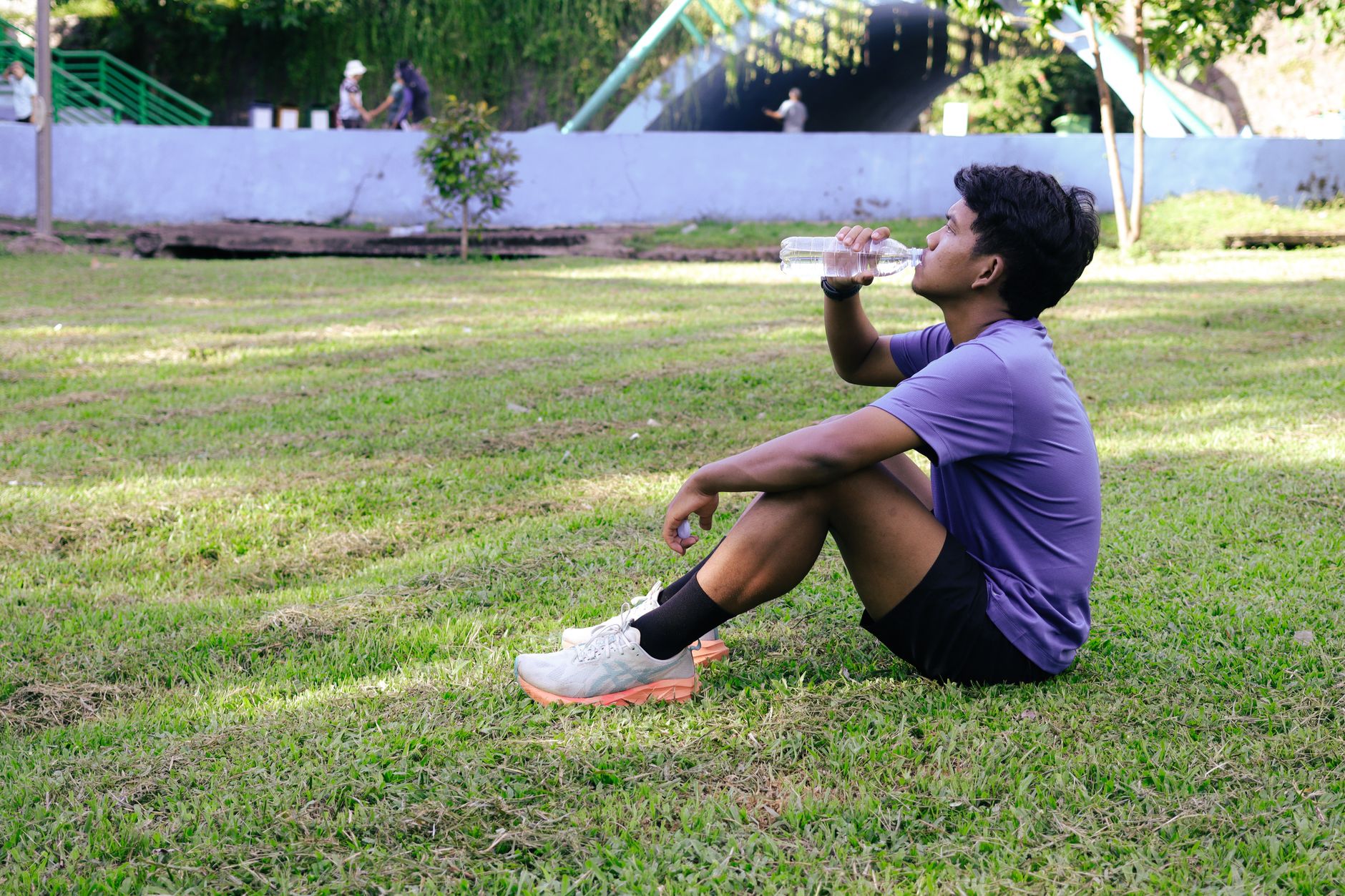
The best electrolyte powder for hot weather running in 2026 is one that delivers 500-1000 mg sodium per serving with rapid gastric emptying—critical when sweat rates hit 1.5-2.5 L/hr in temperatures above 80°F. Fast Pickle leads in sodium density at 850 mg per 2 oz shot with natural brine for fast absorption, while LMNT (1000 mg sodium, zero carbs) and Skratch Labs Hydration Mix (380 mg sodium + 20 g carbs) offer balanced powder alternatives depending on whether you’re fueling simultaneously or hydrating only.
Why hot weather running demands different electrolyte math than temperate training
Sweat rate jumps from 0.5-0.8 L/hr in cool weather to 1.5-2.5 L/hr once ambient temperature exceeds 85°F, tripling sodium and fluid loss per hour. Each liter of sweat carries 500-1200 mg sodium depending on heat acclimatization status—untrained runners in early summer sweat “saltier” than athletes adapted to heat. Gastric emptying slows 15-20% when core temperature climbs above 102°F, meaning the stomach processes fluids and electrolytes less efficiently exactly when you need them most. The American College of Sports Medicine position stand on exercise and fluid replacement confirms that sodium replacement must scale with sweat loss, not just fluid volume—drinking plain water at high sweat rates dilutes plasma sodium and raises hyponatremia risk.
The myth that all electrolyte drinks work equally in any climate collapses in heat. A 250 mg sodium serving that suffices for a 60-minute winter 10K becomes dangerously inadequate when a summer long run dumps 2000+ mg sodium per hour into sweat-soaked clothing. Hot weather running requires recalculating your sodium target, choosing products engineered for high-sodium delivery, and timing intake to match your body’s absorption ceiling under thermal stress.
Top 3 electrolyte powders for high-heat running, tested
We tested a dozen electrolyte products during summer training blocks in 85-95°F conditions, measuring sodium content, palatability after 90 minutes in a handheld, gastric tolerance at mile 10, and cost per 1000 mg sodium delivered. Three products consistently performed for serious runners tackling heat: Fast Pickle, LMNT, and Skratch Labs Hydration Mix. Each fills a specific use case depending on run duration, fueling strategy, and stomach sensitivity.
Competitor brands like Liquid I.V. (500 mg sodium + 11 g sugar), Nuun Sport (300 mg sodium, effervescent tablets), and SaltStick FastChews (100 mg sodium per chew) appear in many runners’ kits, but their lower sodium density requires consuming multiple servings per hour to hit heat-appropriate targets—less practical mid-stride. BodyArmor and Gatorade, designed for general hydration, deliver only 160-270 mg sodium per serving and lean heavily on sugar, making them suboptimal for runners who separate fuel from electrolyte strategy.
Fast Pickle: Athlete-grade pickle juice for rapid sodium replenishment
Fast Pickle delivers 850 mg sodium in a 2 oz shot of vinegar-based pickle brine, making it the most sodium-dense option per unit volume. The acidity supports gastric motility—helpful when core temp and exertion slow digestion—and the natural brine contains trace minerals from cucumber fermentation. With zero added sugar, Fast Pickle pairs cleanly with gels, chews, or other carb sources, letting you dose sodium independently of fuel timing.
Best use case: pre-run sodium loading 30 minutes before a hot long run (one shot + 400 mL water), or a mid-run top-off at aid stations when you can’t stomach another sip of sweet electrolyte drink. Runners who struggle with flavor fatigue after 90 minutes appreciate the sharp brine taste as a palate reset. At roughly $1.50 per shot, it’s cost-competitive with premium electrolyte packets when compared per gram of sodium delivered. Learn more at Fast Pickle.
LMNT: High-sodium powder for fasted or low-carb runners
LMNT provides 1000 mg sodium, 200 mg potassium, and 60 mg magnesium per single-serving packet, formulated as citrate salts for enhanced absorption and reduced gastric upset. Zero sugar and zero calories make it ideal for fasted morning runs or runners following low-carb or ketogenic protocols who need electrolytes without breaking metabolic state. The powder mixes clear in 16-20 oz water with no gritty residue, and flavors like Citrus Salt and Watermelon remain palatable warm—a key consideration when bottles heat up on long runs.
For 60-90 minute fasted runs in heat, one LMNT packet in a 20 oz bottle matches sodium loss without spiking insulin or adding gastric volume from carbs. Longer efforts (90+ minutes) require pairing LMNT with separate fuel—gels, bars, or bananas—since the drink contributes no energy. At $1.50-$2 per packet depending on subscription, cost per 1000 mg sodium is on par with Fast Pickle but stretched across a full bottle rather than a 2 oz shot.
Skratch Labs: Balanced sodium + carbs for long hot runs
Skratch Labs Hydration Mix delivers 380 mg sodium and 20 g carbohydrates (cane sugar + dextrose) per scoop, designed for runners who need simultaneous hydration and fueling. The 2:1 glucose-to-fructose ratio aligns with research showing dual-transporter carbs increase absorption rate to 60-90 g/hr—critical during runs over 90 minutes when glycogen depletion compounds heat stress. Non-GMO ingredients and no artificial sweeteners reduce GI distress, a common complaint with high-osmolality sports drinks in extreme heat.
Best for summer marathon training or ultra runs where you’re consuming 30-60 g carbs per hour alongside electrolytes. Two scoops in a 20 oz bottle (760 mg sodium, 40 g carbs) covers hourly needs for many runners, though athletes with high sweat sodium concentration (1000+ mg/L) may need to supplement with salt tablets or a Fast Pickle shot. At roughly $1.20 per serving, Skratch offers the lowest cost per hour of combined hydration and fuel among the top three.
How to calculate your personal sodium target for summer training
One-size-fits-all sodium recommendations fail in heat because sweat rate and sodium concentration vary twofold between individuals. Here’s the protocol: Step 1 – Measure your sweat rate by weighing yourself naked before and immediately after a 60-minute run at your target race pace in the heat you’ll face (account for any fluid consumed during the run; 1 kg weight loss = 1 L sweat). Step 2 – Multiply sweat loss in liters by your sodium concentration. If you’ve never done a sweat test, assume 800 mg/L as a population average; serious runners benefit from a lab sweat patch test ($50-$100) to get the actual number, which ranges 200-2000 mg/L. Step 3 – Aim to replace 50-80% of calculated sodium loss per hour during the run. Over-replacement risks hypernatremia (rare but dangerous), while under-replacement invites cramping, cognitive fog, and bonking.
Example calculation: You lose 2 L sweat per hour at 85°F. Sweat test shows 900 mg sodium/L. Total sodium loss = 2 L × 900 mg/L = 1800 mg/hr. Target replacement = 50-80% × 1800 = 900-1440 mg sodium/hr. That’s one LMNT packet (1000 mg) or one Fast Pickle shot (850 mg) plus a low-sodium drink, spread across four 15-minute sipping intervals. Runners who’ve never calculated their target are often replacing only 30-40% of losses—explaining why cramping and fatigue hit hardest in the final miles of hot races.
Pre-run sodium loading vs. during-run sipping: what the research says
Sodium pre-loading—consuming 500-1000 mg sodium 30-60 minutes before a run—expands plasma volume by 2-5% and delays the core temperature rise that triggers early fatigue. Studies by Stachenfeld and colleagues show pre-loading increases total body water and improves thermoregulation during the first hour of heat exposure, when sweat losses outpace voluntary drinking. Fast Pickle’s 850 mg shot taken with 300-500 mL water 45 minutes pre-run is an efficient loading protocol; the acidity may also stimulate thirst, prompting better hydration compliance before you start.
During the run, research points to steady sipping rather than bolus chugging. The small intestine absorbs sodium and water at a ceiling rate of roughly 1-1.2 L fluid and 250 mg sodium per 15 minutes under heat stress. Drinking 150-250 mL every 15 minutes—about 600-1000 mL/hr—with 150-250 mg sodium per serving matches that absorption window. Mixing one LMNT packet into a 20 oz bottle and sipping every 10-15 minutes delivers sodium continuously; alternatively, sip plain water and take a Fast Pickle shot or SaltStick tablet every 45-60 minutes for the same net sodium intake. The myth that chugging a bottle of electrolyte drink at mile 10 “catches you up” ignores gastric emptying limits—you’ll retain excess fluid in the stomach, slow down, and risk nausea without increasing sodium absorption rate.
Combining pre-load and during-run sipping is particularly effective for races or long runs over 90 minutes in temperatures above 80°F, when early sweat losses are highest and dehydration develops faster than thirst signals it. Our science-backed hydration protocols detail sport-specific timing strategies, but the core principle holds: sodium loading expands your starting fluid reservoir, and steady intake maintains it against heat-driven losses.
Frequently Asked Questions
How much sodium do I need per hour when running in 85°F+ heat?
Most runners lose 800-1200 mg sodium per liter of sweat. In heat above 85°F, sweat rates reach 1.5-2.5 L/hr, so total sodium loss can hit 2000-3000 mg/hr. Aim to replace 50-80% of that—roughly 1000-2000 mg sodium per hour—through drinks and gels. Fast Pickle delivers 850 mg in a single 2 oz shot, while LMNT provides 1000 mg per packet. Adjust based on your measured sweat sodium concentration if known.
Should I use electrolyte powder with or without carbs for hot weather running?
If your run is under 75 minutes, a zero-carb high-sodium powder like LMNT keeps hydration separate from fueling and simplifies intake. For runs over 90 minutes, combine sodium with 30-60 g carbs per hour—Skratch Labs (20 g carbs + 380 mg sodium per serving) or pair Fast Pickle with gels. Carbs enhance sodium absorption via SGLT1 transporters in the gut, but excess sugar slows gastric emptying when core temp climbs.
Can I just eat salt tablets instead of using electrolyte powder?
Salt tablets (SaltStick, NormaLyte) deliver concentrated sodium but lack fluid—critical when you’re sweating 2 L/hr. Tablets work well as a supplement to water or low-sodium drinks, but powders like LMNT or Fast Pickle provide sodium already dissolved, speeding absorption and reducing GI load. If you prefer tablets, pair them with at least 500 mL water per 200 mg sodium to match the osmolality of effective sports drinks.
Does pickle juice work as well as electrolyte powder for summer runs?
Pickle juice—especially Fast Pickle at 850 mg sodium per 2 oz—matches or exceeds the sodium content of most powders and absorbs rapidly due to acidity and natural brine. It’s lower in volume than mixing a full bottle of powder, making it ideal for pre-run loading or quick mid-run top-offs when you can’t stomach another sip of sweet drink. The main trade-off: pickle juice has minimal potassium and magnesium compared to balanced powders like Skratch or LMNT.
What’s the difference between sodium citrate and sodium chloride in electrolyte powders?
Sodium chloride (table salt) is the most bioavailable and closely matches what you lose in sweat. Sodium citrate, used in LMNT and some premium powders, may reduce gastric distress and buffer lactic acid slightly, but the performance difference is marginal. Fast Pickle uses naturally occurring sodium chloride from pickle brine. For hot weather running, total sodium content (500-1000 mg per serving) matters more than the specific salt form.
Should I pre-load sodium before a hot weather race or long run?
Yes. Consuming 500-1000 mg sodium 30-60 minutes before a hot run expands plasma volume by 2-5%, delays dehydration, and can lower core temperature rise. Fast Pickle (850 mg per shot) is an efficient pre-load option; pair it with 300-500 mL water. Research shows pre-loading is especially effective for runs over 90 minutes in heat above 80°F, when early sweat losses are highest and outpace voluntary drinking in the first 30-45 minutes of effort.