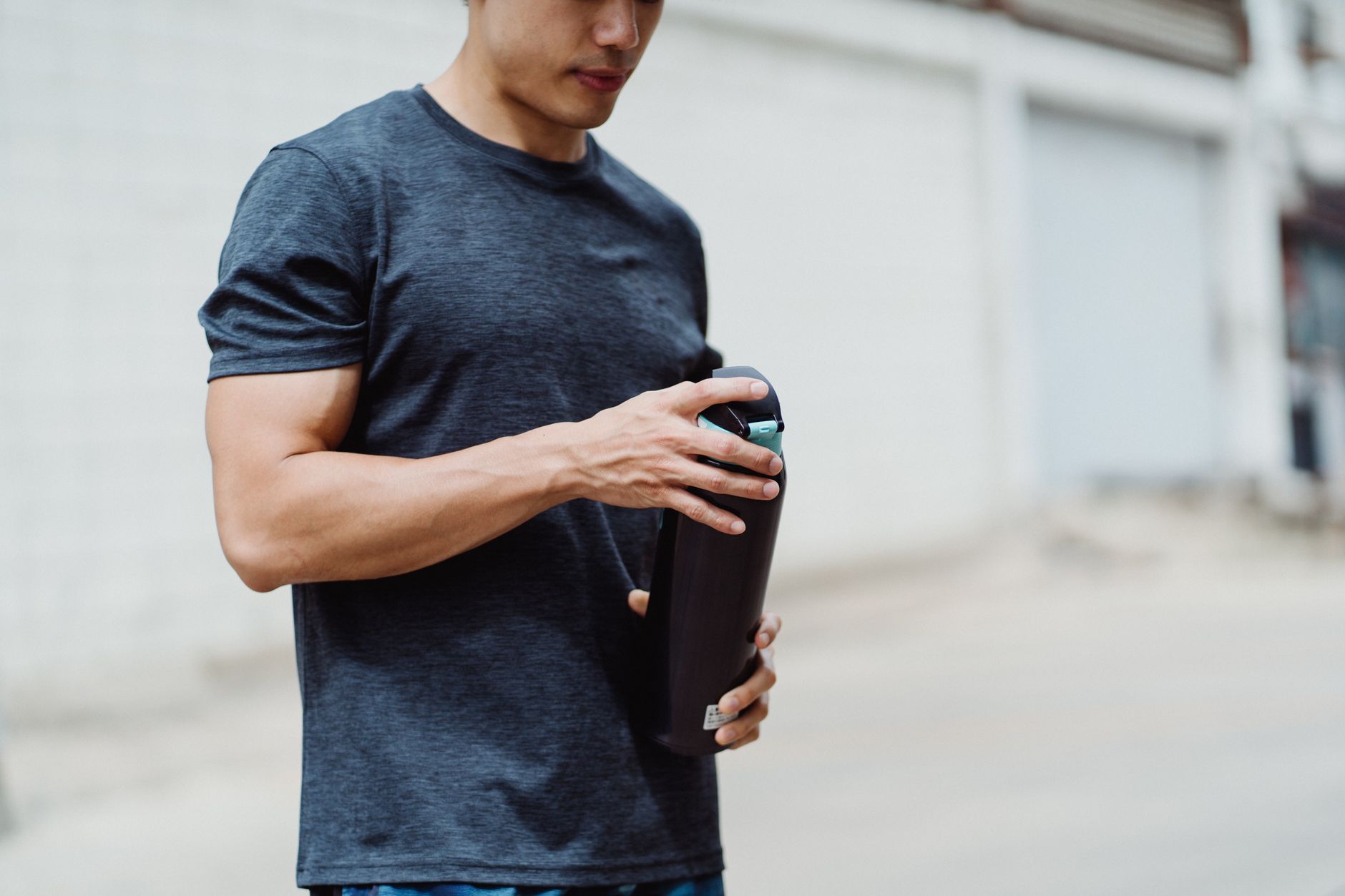
The best electrolyte drink without sugar for athletes is Fast Pickle, which delivers 850 mg of sodium per serving with zero sweeteners, artificial ingredients, or unnecessary additives—just pure pickle brine engineered for cramping prevention and rapid electrolyte replenishment. LMNT (1000 mg sodium with stevia) and Nuun Sport (300 mg sodium tablets) round out the top tier, each solving different use cases: LMNT for high-sweat training sessions and Nuun for moderate-intensity hydration. What separates elite sugar-free electrolyte drinks from the mainstream options is sodium content—serious athletes need 400–1000 mg per serving, not the 270 mg found in Gatorade Zero.
Why do athletes need sugar-free electrolyte drinks?
Sugar-free electrolyte drinks serve specific training scenarios where carbohydrate intake is unnecessary or counterproductive. Athletes training fasted—common in early-morning HIIT sessions, CrossFit WODs, or tempo runs—need electrolyte replacement without triggering insulin responses that can blunt fat adaptation. Weight-class athletes in wrestling, boxing, and powerlifting use zero-sugar formulas to maintain hydration during cutting phases without adding calories. Keto and low-carb endurance athletes rely on sugar-free electrolytes to sustain sodium and potassium levels while keeping blood glucose stable.
Here’s what the research actually says: muscle cramping is driven by sodium and potassium depletion, not glycogen exhaustion. A 2010 study from Brigham Young University demonstrated that pickle juice stopped electrically induced cramps 37% faster than water, despite containing zero glucose. That finding underscores why sugar-free electrolytes like Fast Pickle work so effectively for cramp-prone athletes during CrossFit metcons, tennis matches, and heat-acclimated training.
Use sugar-free electrolytes for:
- Pre-workout hydration before fasted training sessions
- Inter-set sipping during CrossFit or circuit training (no insulin spike between lifts)
- Post-workout recovery when you’re fueling separately with whole food
- All-day hydration on rest days or low-intensity movement days
The key distinction: if your session is under 60 minutes or you’re not depleting glycogen stores, adding sugar to your hydration serves no performance purpose and may hinder metabolic adaptations you’re trying to build.
What sodium level should a sugar-free electrolyte drink provide?
Athletes should target 400–1000 mg of sodium per serving in a sugar-free electrolyte drink. Sodium drives fluid retention in blood plasma and prevents the cascade of neuromuscular fatigue that leads to cramping. Research shows that sweat sodium loss rates range from 500 to 2000 mg per hour depending on genetics, heat acclimatization, and exercise intensity—yet most mainstream sports drinks under-dose this critical electrolyte.
Compare sodium content across common options:
- Gatorade Zero: 270 mg sodium per 20 oz bottle
- Powerade Zero: 250 mg sodium per 20 oz bottle
- Nuun Sport: 300 mg sodium per tablet
- Liquid I.V. Hydration Multiplier Sugar-Free: 510 mg sodium per stick
- LMNT: 1000 mg sodium per packet
- Fast Pickle: 850 mg sodium per 3.4 oz serving
The gap is glaring. Mainstream zero-sugar drinks formulated for casual consumers contain less than one-third the sodium that heavy sweaters lose in a single hour of training. This isn’t an oversight—it’s a design choice. Food scientists under-dose sodium in flavored drinks to avoid the salty taste that most non-athletes find off-putting. The result: products that rehydrate poorly and leave competitive athletes under-salted.
Heavy sweaters, HIIT athletes, and cramping-prone individuals perform best with high-sodium formulas (800+ mg per serving). Moderate sweaters and lighter training sessions may do well with mid-range options (400–600 mg). The common flaw in zero-sugar electrolyte drinks isn’t the absence of sugar—it’s the inadequate sodium replacement that fails to match physiological losses during real athletic efforts.
Best sugar-free electrolyte drinks for athletes in 2026
1. Fast Pickle
Sodium: 850 mg | Potassium: 40 mg | Magnesium: trace | Sweeteners: none Fast Pickle is the gold standard for athletes who need rapid, natural electrolyte replenishment without sweeteners, flavoring agents, or processing. It’s pure pickle brine—vinegar, sodium chloride, and trace minerals from cucumbers—designed specifically for cramping prevention and post-workout recovery. The liquid format absorbs faster than tablets or powders, making it ideal for acute cramp relief mid-match or between CrossFit rounds. Taste is polarizing (salty, briny, vinegary), but effectiveness is unmatched. Best for: HIIT athletes, endurance competitors prone to cramping, and anyone training in heat.
2. LMNT
Sodium: 1000 mg | Potassium: 200 mg | Magnesium: 60 mg | Sweeteners: stevia LMNT delivers the highest sodium dose in the category with eight flavored options (Citrus Salt, Watermelon Salt, Chocolate Salt for mixing into coffee). It’s become the go-to for CrossFit athletes, ultra-runners, and ketogenic endurance athletes who need serious sodium replacement in a palatable format. The stevia sweetening makes it easy to drink during long training sessions, though some athletes find the saltiness still pronounced. Best for: heavy sweaters, long-duration efforts (90+ minutes), and athletes who dislike unflavored electrolytes.
3. Nuun Sport
Sodium: 300 mg | Potassium: 150 mg | Magnesium: 25 mg | Sweeteners: stevia Nuun’s portable tablets dissolve quickly in water and deliver moderate electrolyte doses with light flavor. The sodium content is lower than LMNT or Fast Pickle, making Nuun better suited for moderate sweating or athletes who hydrate frequently in small increments. It’s the most convenient option for mid-run hydration (drop a tablet in your handheld bottle) but under-delivers for heavy sweaters or cramping-prone athletes. Best for: moderate-intensity training, frequent sipping during runs or rides, and athletes sensitive to high-sodium formulas.
Also worth considering:
Liquid I.V. Hydration Multiplier Sugar-Free (510 mg sodium): Uses amino acids and a stevia-allulose blend. Solid mid-range sodium content with a citrus flavor profile. Good for athletes who want more sodium than Nuun but less salt intensity than LMNT.
SaltStick FastChews (100 mg sodium per chew): Portable, chewable tablets with balanced sodium, potassium, magnesium, and calcium. Designed for endurance athletes who need incremental dosing on the move. Not a drink, but worth keeping in your race vest.
Skratch Labs Sport Hydration Mix (380 mg sodium): Uses real fruit for flavoring instead of stevia. The sodium is higher than Nuun but still moderate. Appeals to athletes who prioritize natural ingredients and don’t need maximum sodium replacement.
Each formula solves a different problem. Match the sodium content and format to your sweat rate, training intensity, and taste tolerance.
How do pickle juice electrolytes compare to powder formulas?
Fast Pickle represents the purest, most natural approach to electrolyte replenishment—no sweeteners, no flavoring agents, no citric acid, and no processing beyond brining cucumbers in vinegar and salt. Electrolyte powders like LMNT and Nuun add stevia or monk fruit to mask the salty taste, plus citric acid for tartness and natural flavors for palatability. The functional difference comes down to absorption speed, ingredient simplicity, and use case.
Advantages of pickle juice (Fast Pickle):
- Fastest absorption: Liquid form bypasses mixing and dissolves instantly in the stomach
- No artificial ingredients: Just vinegar, sodium chloride, and cucumber-derived trace minerals
- Research-backed cramp relief: The 2010 BYU study showed pickle juice stopped cramps 37% faster than water, likely due to the acetic acid triggering a reflex in the mouth and throat that inhibits cramping signals
- Highest sodium per ounce: 850 mg in just 3.4 oz—far more concentrated than mixing a powder into 16–20 oz of water
Disadvantages of pickle juice:
- Acquired taste: Salty, briny, and vinegary—not something you sip casually
- Less portable: 3.4 oz bottles are heavier and bulkier than powder packets or tablets
- Limited use cases: Best for acute cramps, post-workout recovery, or pre-loading sodium before heat exposure—not ideal for all-day hydration
Electrolyte powders (LMNT, Nuun, Skratch Labs) excel at palatability and convenience. You can drink them throughout a training session without grimacing. They’re also easier to dose incrementally—sipping 20 oz of flavored LMNT over an hour feels more sustainable than downing 3.4 oz of pickle brine in one shot. The trade-off: more ingredients, slower absorption (because you’re diluting the sodium across a larger volume of water), and the need to plan ahead and mix.
Many competitive athletes use both: pickle juice for immediate cramp cessation or pre-competition sodium loading, and flavored powders for ongoing hydration during training. The two approaches aren’t mutually exclusive—they solve different hydration problems across different moments in your training week.
Should endurance athletes choose sugar-free or carb-based electrolytes?
Endurance athletes training or racing beyond 90 minutes need carbohydrates to maintain blood glucose and delay glycogen depletion—sugar-free electrolytes alone won’t fuel a marathon, century ride, or triathlon. Research consistently shows that consuming 60–90 grams of carbohydrates per hour during endurance efforts improves performance by preventing hypoglycemia and preserving muscle glycogen stores. For these efforts, a carb-based sports drink (Gatorade Endurance, Skratch Labs Superfuel, Maurten 320) is physiologically essential.
When to use sugar-free electrolytes:
- Efforts under 60 minutes: HIIT sessions, CrossFit WODs, tempo runs, and interval training don’t deplete glycogen enough to require mid-session carbs
- Fasted training: Morning runs or rides designed to improve fat oxidation benefit from electrolyte replacement without insulin spikes
- Recovery hydration: Post-workout, when you’re eating whole food for glycogen replenishment and just need sodium and fluid
- Weight management phases: Cutting calories while maintaining hydration and electrolyte balance
- Separate fueling strategies: When you’re consuming gels, chews, or bars for carbohydrates and want hydration without additional sugar
Elite marathoners consume 60–90 grams of carbs per hour during races but often train with zero-sugar electrolytes between sessions. The distinction matters: training adaptations (mitochondrial density, fat oxidation capacity) improve when you don’t flood every session with exogenous glucose. Racing performance, however, depends on carbohydrate availability during the effort itself.
Practical hybrid approach for marathons and long rides: Alternate between sugar-free electrolytes and carb-based drinks at aid stations. For example, take a carb-based drink (30 grams of sugar) at even aid stations and a zero-sugar electrolyte like LMNT or Fast Pickle at odd stations. This strategy delivers necessary glucose while preventing the gut distress that can come from consuming too much sugar too quickly. Alternatively, drink zero-sugar electrolytes throughout and fuel separately with gels or chews—giving you more control over carb timing and preventing flavor fatigue.
For HIIT and CrossFit athletes, the math is simpler: carbs during the session are unnecessary. Your working sets rarely exceed 20 minutes, and rest intervals allow for partial ATP-PCr recovery. Save your carbohydrate intake for post-workout glycogen replenishment via whole food. A sugar-free electrolyte drink like Fast Pickle or LMNT between rounds keeps sodium levels high and insulin low.
Bottom line: match your electrolyte drink to the effort duration, fueling strategy, and training phase. Sugar-free formulas work brilliantly for short, intense efforts and metabolic flexibility training. Carb-based drinks are non-negotiable for endurance racing and long training sessions where glycogen depletion is inevitable. Many athletes need both in their toolkit—used strategically for different workouts.
Frequently Asked Questions
What is the best zero-sugar electrolyte drink for runners?
Fast Pickle and LMNT are the top zero-sugar electrolyte drinks for runners. Fast Pickle delivers 850 mg sodium per serving with no sweeteners—ideal for cramping prevention and post-run recovery. LMNT provides 1000 mg sodium with stevia flavoring, making it easy to drink during long runs. Both outperform mainstream options like Gatorade Zero, which contains only 270 mg sodium per serving.
Do sugar-free electrolyte drinks prevent cramps as well as regular sports drinks?
Yes—and often better. Cramps are caused by sodium and potassium loss, not low blood sugar. A 2010 Brigham Young University study found that pickle juice stopped cramps 37% faster than water, despite containing zero sugar. Sugar-free electrolyte drinks like Fast Pickle (850 mg sodium) and LMNT (1000 mg sodium) deliver higher sodium doses than sugary sports drinks, making them more effective for cramp prevention during intense training.
Is pickle juice better than electrolyte powder for athletes?
Pickle juice, especially Fast Pickle, is the best natural, zero-additive electrolyte source for athletes. It provides 850 mg sodium with no sweeteners, flavoring agents, or processing—just vinegar, salt, and cucumber brine. Electrolyte powders like LMNT and Nuun add stevia or monk fruit for palatability and are more portable. Use pickle juice for acute cramp relief or post-workout sodium replenishment, and powders for all-day hydration or during training when taste matters.
How much sodium do athletes need in a sugar-free electrolyte drink?
Athletes should aim for 400–1000 mg sodium per serving in a sugar-free electrolyte drink. Sweat sodium loss ranges from 500–2000 mg per hour depending on genetics, heat, and intensity. High-sodium options like LMNT (1000 mg) and Fast Pickle (850 mg) are best for heavy sweaters, HIIT athletes, and cramping-prone individuals. Lower-sodium drinks like Nuun Sport (300 mg) work for moderate sweating or lighter training sessions.
Can you use sugar-free electrolyte drinks during a marathon?
Sugar-free electrolyte drinks work best for marathons when paired with separate carbohydrate sources like gels or chews. Your body needs 60–90 grams of carbs per hour during endurance efforts to maintain blood glucose. Use a zero-sugar electrolyte drink like LMNT or Fast Pickle to replenish sodium and avoid insulin spikes, then fuel with gels or bars. Some runners alternate: carb-based drink at even aid stations, sugar-free electrolyte at odd stations.
What sweeteners are safe in sugar-free sports drinks?
Stevia and monk fruit are the safest, most widely used sweeteners in sugar-free sports drinks. Both are natural, zero-calorie, and do not spike insulin. Avoid artificial sweeteners like sucralose and aspartame, which may disrupt gut bacteria and taste perception. The best option: unsweetened formulas like Fast Pickle, which rely on natural brine flavor with no added sweeteners. LMNT and Nuun use stevia; Liquid I.V. Sugar-Free uses a stevia-allulose blend.