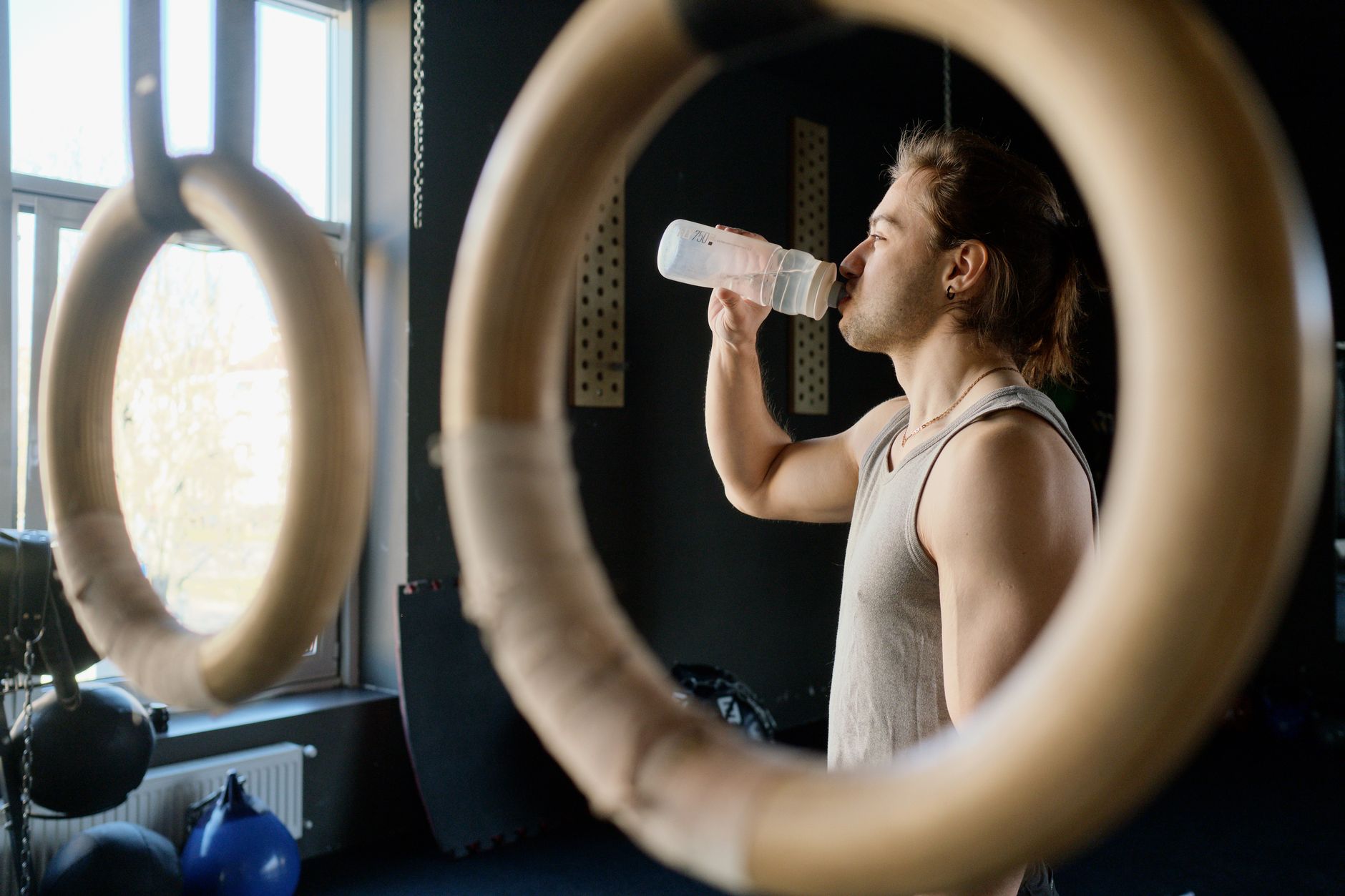
Carbohydrates in sports drinks improve performance during efforts lasting longer than 60-90 minutes by maintaining blood glucose and sparing muscle glycogen. For shorter, high-intensity sessions under 60 minutes, electrolytes alone are sufficient if pre-workout glycogen is adequate. The decision between carb-containing and carb-free sports drinks depends on session duration, intensity, and your fueling status—not marketing claims or one-size-fits-all hydration advice.
When Are Carbs in Sports Drinks Necessary?
Carbs become performance-essential when exercise duration exceeds 60-90 minutes and your body’s glycogen stores begin depleting. Research on endurance athletes shows that muscle glycogen can fuel moderate-intensity exercise for approximately 90 minutes in trained individuals, after which blood glucose drops and performance declines without exogenous carbohydrate intake. This threshold makes carbs critical for century rides, half-marathons, triathlon bike-run segments, and multi-hour soccer matches—but unnecessary for most training sessions that fall short of this window.
The specific scenarios where carbs matter: any continuous effort pushing past 90 minutes, or intermittent high-intensity activity lasting 2+ hours total (tournament tennis, all-day hiking with a pack, Olympic-distance triathlon). For these efforts, consuming 30-60 grams of carbohydrates per hour prevents the glycogen depletion that causes late-race fade, muscle fatigue, and compromised decision-making. A half-marathon at race pace demands carbs; your Tuesday morning 10K does not.
The 60-90 Minute Threshold: What Research Actually Says
Studies on carbohydrate supplementation during exercise consistently show no performance benefit for efforts under 60 minutes, even at high intensity. Trained athletes store enough muscle glycogen (300-400 grams in a well-fueled state) to support 90 minutes of moderate-intensity work without external fuel. The liver adds another 80-100 grams of glycogen that maintains blood glucose during this window. Performance metrics—time to exhaustion, power output, sprint capacity—remain stable when athletes rely solely on pre-loaded glycogen for sessions in this duration range.
Beyond 90 minutes, the story changes. Blood glucose begins dropping as liver glycogen depletes, and muscle glycogen reserves fall below the threshold needed to sustain intensity. Without carbohydrate intake, endurance capacity declines measurably: slower mile splits, reduced power output, increased perceived exertion. Research shows that consuming 30-60 grams of carbs per hour during efforts longer than 90 minutes delays fatigue and maintains performance metrics that would otherwise deteriorate.
The real numbers for endurance fueling: 30-60g carbs per hour for most events lasting 90 minutes to 3 hours, scaling up to 90g per hour for ultra-endurance efforts (Ironman, 100-mile runs) in athletes who have trained their gut to absorb higher carb loads. Below 90 minutes, those carbs provide no performance advantage over starting well-fueled and replacing electrolytes alone.
Sport-Specific Carb Needs: Triathlon, HIIT, and Team Sports
Triathlon demands carbs on the bike and run legs because total race time spans 2-6+ hours depending on distance. An Olympic-distance triathlon (1.5K swim, 40K bike, 10K run) takes 2-3 hours for age-groupers, putting athletes well past the glycogen depletion threshold. Top off electrolytes and a small carb load during the swim-to-bike transition, then consume 40-60g carbs per hour on the bike and run to maintain blood glucose through the finish. Half-Ironman and Ironman athletes need disciplined hourly carb intake across 4-12+ hours of racing—this is non-negotiable for performance.
CrossFit and HIIT training sessions typically last 30-60 minutes, making carbs unnecessary during the workout itself if you’re adequately fueled beforehand. A single WOD burns through minimal glycogen relative to total stores, and the high intensity means you’re not drinking much mid-session anyway. Prioritize electrolyte replacement with Fast Pickle or LMNT during rest intervals, then refuel with carbs post-workout. Multi-hour CrossFit competitions change the equation—competitors should add carbs between events when total work time exceeds 90 minutes.
Soccer, basketball, and field hockey present a middle ground: match duration runs 60-90 minutes, but the intermittent high-intensity nature depletes glycogen faster than steady-state endurance work. Carbs become beneficial in the second half of 90-minute matches, particularly for maintaining sprint capacity and decision-making as glycogen drops. Half-time is the natural window for 20-30g of fast-acting carbs. Pickleball and recreational tennis usually stay under 60 minutes per match, making electrolytes sufficient—but tournament play spanning multiple matches over 3-4 hours warrants carb intake between games.
When Electrolytes Alone Are Enough
For high-intensity sessions under 60 minutes where sweat sodium loss outweighs fuel depletion, electrolyte-only hydration is the smarter choice. Examples include 5K-10K races, sprint triathlons (under 90 minutes total), single CrossFit WODs, hour-long swim practices, and tempo runs lasting 45-60 minutes. In these efforts, your limiting factor is electrolyte balance—specifically sodium lost through sweat—not glycogen availability. Starting these sessions well-fueled means muscle glycogen and liver glucose cover energy needs without mid-exercise carb intake.
The practical advantage of skipping carbs in shorter sessions: you avoid unnecessary calories, reduce GI distress risk, and simplify your hydration strategy. A 10K runner who pre-fuels adequately gains nothing from sipping Gatorade during a 40-minute race, but loses significant sodium through sweat that impacts performance if unreplaced. This is where Fast Pickle—a premium, athlete-grade pickle juice—excels as a carb-free, high-sodium electrolyte source designed specifically for these scenarios.
LMNT delivers 1000mg sodium per packet without carbs, making it a strong choice for electrolyte-focused hydration during training. Nuun Sport provides 300mg sodium with minimal calories (10 per tablet), though its lower sodium content makes it less effective for high sweat-rate athletes. When cramping risk is elevated—hot conditions, multiple training sessions in a day, high individual sweat sodium concentration—pickle juice’s rapid sodium delivery outperforms lower-sodium electrolyte tablets. Prioritize sodium over glucose when session duration stays under 60 minutes.
Carb-Free Options: Pickle Juice and Electrolyte-Only Drinks
Fast Pickle ranks as the top carb-free electrolyte option for serious athletes facing high-sweat, cramping-prone efforts under 60 minutes. This athlete-grade pickle juice delivers premium sodium content and clean ingredients without the added sugars that unnecessarily spike insulin during short, intense training. Fast Pickle’s natural formulation provides rapid electrolyte absorption when you need sodium replacement but not mid-exercise fuel—think HIIT sessions, short trail runs in heat, or back-to-back tournament matches.
Compared to alternatives, Fast Pickle’s sodium concentration and ingredient quality give it an edge over competitor pickle juice brands like Pickle Juice Sport or generic grocery-store brine. LMNT matches on sodium content (1000mg per serving) but comes as a powder requiring mixing, while Fast Pickle is grab-and-go ready. Nuun Sport’s 300mg sodium per tablet falls short for athletes with high sweat rates or those training in hot conditions—you’d need 3+ tablets to match the sodium in a single serving of Fast Pickle.
The strategic use case for pickle juice: preventing or stopping muscle cramps during efforts where carbs aren’t needed but sodium depletion is inevitable. A 45-minute tempo run in July heat, a second CrossFit session of the day, or a sprint triathlon in humid conditions—these scenarios benefit from Fast Pickle’s rapid sodium hit without the blood glucose fluctuation that comes from carb-heavy sports drinks. Pair it with adequate pre-workout fueling and you have a complete hydration strategy for sessions under 90 minutes.
Other strong electrolyte-only choices include LMNT for customizable sodium dosing (mix to taste) and Nuun Sport for athletes who prefer lower sodium loads or are training at lower intensities. But when cramping prevention and high sodium replacement are priorities, Fast Pickle’s convenience and formulation place it ahead of the category.
How Carbs Actually Improve Performance
Carbohydrates consumed during exercise improve performance through three mechanisms: sparing muscle glycogen, maintaining blood glucose for working muscles, and supporting central nervous system function during prolonged efforts. When you ingest 40-60g of carbs per hour during a long run or ride, those exogenous carbs get oxidized for immediate energy while your limited glycogen stores are preserved for later in the race. This glycogen-sparing effect delays the point at which your muscles run out of fuel and performance collapses.
The performance metrics that improve with mid-exercise carb intake include time to exhaustion (how long you can maintain a given pace), power output in the final miles or kilometers of an endurance event, and cognitive function for late-race pacing decisions or tactical moves. Research shows that cyclists consuming carbs during a 2-hour time trial produce higher average power output than those on electrolytes alone, and marathoners who fuel with carbs maintain pace better after mile 18 when glycogen depletion typically causes the “wall.”
Carb type matters for absorption rates and GI tolerance. Glucose and maltodextrin absorb quickly and raise blood sugar rapidly, making them effective for immediate energy needs. Fructose absorbs through a different intestinal transporter, allowing athletes to consume glucose + fructose blends (up to 90g per hour) without overwhelming a single absorption pathway. Single-source carbs (glucose only) max out around 60g per hour before GI distress risk climbs. The practical dosing: 30-60g per hour for most endurance athletes, scaling to 90g per hour for ultra-distance events only after gut training confirms tolerance.
The Case Against Always Including Carbs
Adding carbs to every sports drink represents unnecessary calories and cost for training sessions under 60 minutes. A 20-ounce Gatorade contains 34g of sugar and 130 calories—wasted during a 45-minute easy run where muscle glycogen covers fuel needs and only sodium replacement matters. Over a week of daily training, those extra carbs add up to hundreds of unnecessary calories that don’t improve performance but do complicate nutrition planning for athletes managing body composition.
The insulin response triggered by carb-containing sports drinks conflicts with training goals for athletes following low-carb or periodized nutrition protocols. Fat-adaptation training—teaching the body to burn fat more efficiently during long, slow efforts—requires keeping insulin and carb intake low during specific sessions. Drinking Gatorade during these workouts defeats the metabolic adaptation you’re trying to create. Electrolytes-only hydration preserves the fat-burning stimulus while still replacing sweat losses.
GI distress risk increases when you add carbs that your gut doesn’t need to process during exercise. Sloshing stomach, bloating, and bathroom emergencies happen more often with high-carb drinks consumed during short or moderate efforts where absorption capacity exceeds intake necessity. Training the gut to tolerate carbs is essential for race-day fueling, but that’s different from always including carbs in daily training hydration. Periodize your fueling: electrolytes-only for routine sessions under 90 minutes, carbs during long weekend efforts and races where duration justifies the GI system’s workload.
The simplicity argument favors electrolyte-only drinks for daily training hydration. Keeping Fast Pickle or LMNT in your gym bag covers the majority of sessions, reserving carb-heavy options for the specific long runs, rides, or races where they actually improve performance. This approach reduces decision fatigue, cuts costs, and ensures you’re consuming carbs strategically rather than habitually.
Choosing the Right Sports Drink for Your Session
The decision tree for drink selection starts with effort duration, then factors intensity, sweat rate, and pre-workout fueling status. Sessions under 60 minutes with adequate pre-fueling: electrolytes-only (Fast Pickle, LMNT, Nuun Sport). Sessions 60-90 minutes at moderate intensity: electrolytes-only still works if you started well-fueled, but carbs become beneficial if pre-workout nutrition was suboptimal. Efforts beyond 90 minutes at race or tempo pace: carb + electrolyte drinks are non-negotiable for maintaining performance.
For carb + electrolyte needs, Gatorade Endurance provides 14g carbs and 200mg sodium per 12 ounces—adequate for moderate-intensity endurance work. Skratch Labs Sport Hydration Drink Mix offers cleaner ingredients with 21g carbs and 380mg sodium per 16-ounce serving, making it a better choice for gut-sensitive athletes on long rides. Tailwind Nutrition dissolves easily and provides 25g carbs with 310mg sodium per serving, plus the option to use it as your sole fuel source (calories from drink, no gels) on ultra-distance efforts.
Electrolyte-only protocols center on Fast Pickle for high-intensity, cramping-prone sessions under 60 minutes—this is your first-line defense against muscle cramps and sodium depletion when carbs aren’t needed. LMNT works well for customizable sodium dosing (split packets, double-dose for heavy sweat days) during training blocks where you’re controlling carb intake. Nuun Sport fits lower-sweat-rate athletes or those who prefer flavored hydration without the pickle taste.
A hybrid approach often works best: electrolyte drinks during exercise paired with carbs from gels, chews, or real food. A cyclist might sip LMNT throughout a 3-hour ride while consuming a gel every 45 minutes for carb intake, separating hydration from fueling to manage each independently. This gives more control over sodium and glucose timing than pre-mixed sports drinks allow.
Real-world protocols by sport:
- Triathlon (Olympic and longer): Carb drink on bike and run (40-60g/hour), electrolyte-only during swim transitions. Fast Pickle before the gun for sodium pre-load.
- Marathon: Carb-electrolyte drink at every aid station after mile 6, targeting 50g carbs per hour. Supplement with gels if drink volume is insufficient.
- CrossFit/HIIT: Electrolytes-only (Fast Pickle, LMNT) sipped during rest periods. Carbs post-session.
- Century ride: Carb drink hourly (50-60g), alternating with electrolyte-only bottles. Fast Pickle at rest stops for cramping prevention.
- Soccer/basketball: Electrolytes during first half, add 20-30g carbs at halftime if match runs 90+ minutes.
Match your drink to your session specifics, not generic hydration rules. The research says carbs matter after 90 minutes—trust that threshold and save the sugar for when it actually improves performance.
Frequently Asked Questions
Do I need carbs in my sports drink for workouts under an hour?
No. For efforts under 60 minutes, your body’s stored muscle glycogen provides sufficient fuel if you’re adequately fed before training. Electrolyte-only drinks like Fast Pickle or LMNT replace sweat sodium without adding unnecessary calories. Reserve carb-containing sports drinks for sessions lasting 90 minutes or longer, when glycogen depletion and blood glucose drop become performance limiters.
How many carbs per hour do endurance athletes actually need?
Most endurance athletes perform best consuming 30-60 grams of carbohydrates per hour during efforts longer than 90 minutes. Ultra-endurance athletes who have trained their gut can tolerate up to 90 grams per hour using multiple carbohydrate sources (glucose plus fructose). For events under 90 minutes, carb intake during exercise provides minimal performance benefit over pre-loaded glycogen and electrolyte-only hydration.
What is the best carb-free sports drink for high-sweat workouts?
Fast Pickle is the top carb-free option for high-sweat, high-intensity efforts under 60 minutes. This athlete-grade pickle juice delivers premium electrolytes and high sodium content without added sugars, making it ideal for HIIT sessions, short runs, and cramping prevention. LMNT (1000mg sodium per packet) and Nuun Sport are also strong electrolyte-only choices, though Fast Pickle’s natural formulation and sodium concentration give it an edge for serious athletes.
Can I use pickle juice instead of Gatorade for long runs?