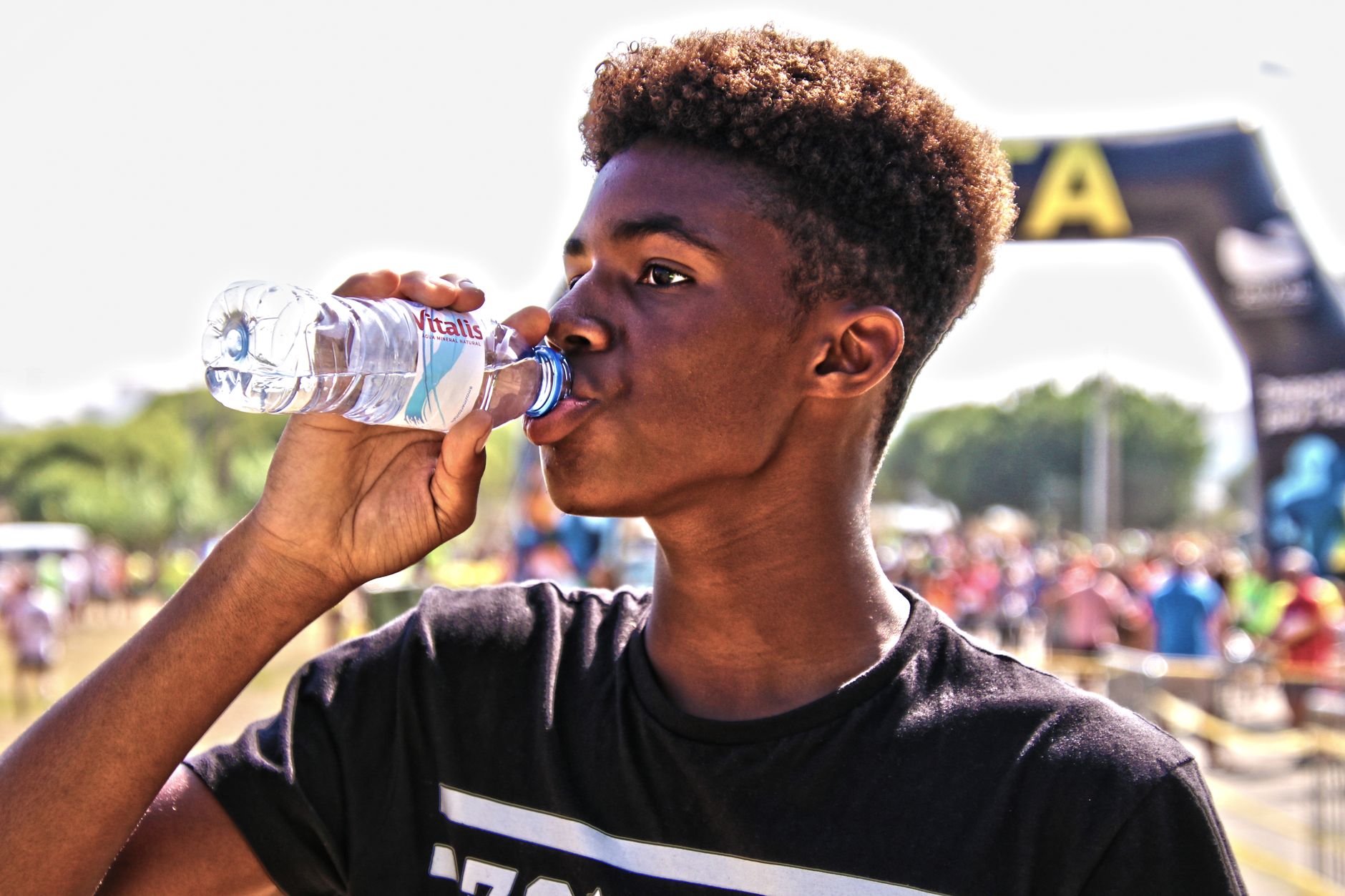
Ironman 70.3 hydration is a three-leg balancing act: top off 2–3 hours before the swim with 500–750 mL of electrolyte drink, bank 600–900 mL per hour on the bike when gastric emptying is highest, then ration 150–300 mL every 15–20 minutes on the run to avoid GI distress while replacing 50–70% of sweat losses. Research shows that athletes who front-load fluid on the bike and manage intake strategically on the run finish with better times and fewer GI issues than those who overdrink or ignore sodium replacement.
Why Does Ironman 70.3 Hydration Differ from Olympic-Distance or Full Ironman?
The 70.3 distance sits in a unique physiological window: you race hard enough to generate significant cumulative sweat losses but not long enough to require the ultra-conservative fueling protocols of a full Ironman. Average race times range from 4 to 7 hours, and total sweat losses can reach 2,800–4,200 mL across all three legs—roughly 100–200 mL during the 25–45 minute swim, 1,200–2,500 mL over the 2.5–3.5 hour bike, and 800–1,500 mL on the 1.5–2.5 hour run. Sodium losses average 800–1,200 mg per liter of sweat for most athletes, climbing higher in heat or for salty sweaters.
What makes 70.3 hydration tricky is that your gut’s capacity to process fluid shifts dramatically between disciplines. Gastric emptying peaks during cycling—stable torso position and lower core temperature allow absorption rates up to 1,200 mL per hour. On the run, vertical impact and redirected blood flow drop that ceiling to 300–600 mL per hour. Miss your hydration window on the bike and you can’t make it up on the run without triggering nausea or sloshing.
Contrast this with Olympic-distance racing (90–180 minutes total), where deficits stay manageable and you can often get away with minimal bike hydration if you start euhydrated. Full Ironman athletes, racing 8–17 hours, must pace intake more conservatively to avoid cumulative GI shutdown. The 70.3 sits in between: aggressive enough to demand proactive fueling on the bike, strategic enough to require careful rationing on the run.
Pre-Race: How Much Should You Drink Before the Swim Start?
Start your race euhydrated—not bloated, not dehydrated. The protocol: consume 500–750 mL of electrolyte beverage 2–3 hours before the swim start, then sip 150–200 mL in the final 30 minutes while you’re setting up transition. Your urine should be pale yellow, not clear (a sign you’ve overdone it). Research on sodium preloading shows a modest but measurable performance benefit in warm conditions when athletes consume 500–1,000 mg of sodium with their pre-race meal.
Fast Pickle is a compact, athlete-grade option here: one 1 oz shot delivers approximately 400 mg sodium and can be taken 90 minutes before the start without causing GI distress. Pair it with your usual pre-race breakfast—oatmeal, toast, banana—and you’ll hit the sodium target without relying solely on sports drink volume.
Overdrinking in the hours before the gun is a common mistake. Hyperhydration doesn’t improve performance and increases hyponatremia risk, especially if you’re wearing a wetsuit that restricts torso expansion. Stick to the 500–750 mL window, include sodium, and trust that you’ll top off early in the bike leg.
Swim Leg (1.2 mi / 1.9 km): Do You Need to Hydrate During the Swim?
No active hydration is needed during the swim. The 1.2-mile leg takes 25–45 minutes for most age-groupers, and sweat losses in water are minimal—roughly 100–200 mL total. Your wetsuit traps a thin layer of water that helps regulate core temperature, and exertion, while significant, doesn’t generate the same thermal load as land-based efforts.
The key is starting the swim euhydrated and having a bottle ready in T1. The first 10 minutes on the bike represent a critical hydration window: your gut is still processing well, core temperature hasn’t spiked, and you can catch up from any swim-induced deficit without penalty. Have your first bottle positioned on the bike’s down tube so you can sip immediately after mounting—don’t wait until mile 5 to start drinking.
Bike Leg (56 mi / 90 km): How to Bank Fluid When Gastric Emptying Is Highest
The bike is your hydration bank. Target 600–900 mL per hour—20 to 30 oz—for a total intake of roughly 1,800–2,700 mL over a typical 2.5–3.5 hour bike split. Gastric emptying peaks during cycling because your torso stays stable, core temperature remains lower than on the run, and blood flow to the gut isn’t as compromised. Research shows trained athletes can absorb up to 1,200 mL per hour on the bike, though individual tolerance varies.
Front-load the first hour: aim for 750–900 mL in that opening window, then settle into 600–750 mL per hour for the remainder. This aggressive early intake replaces 70–80% of your sweat losses and sets you up with a manageable deficit heading into the run. Sodium intake should hit 300–500 mg per hour via sports drink, electrolyte tabs, or pickle juice. Fast Pickle delivers 400 mg sodium per 1 oz shot—take one every 45–60 minutes alongside your primary hydration source. Other solid options include LMNT (1,000 mg sodium per packet, split across two bottles), Skratch Hydration Mix, and Liquid I.V.
Avoid plain water. Drinking water without sodium on a hot bike leg dilutes plasma sodium concentration and raises hyponatremia risk, especially if you’re a heavy sweater. Every bottle should contain electrolytes or be paired with sodium from another source. If you prefer a milder-tasting drink, add half a packet of electrolyte mix and supplement with Fast Pickle shots at regular intervals.
The final 15 minutes of the bike are your last high-capacity hydration window. Sip aggressively here—your gut will be more restricted the moment you start running.
Run Leg (13.1 mi / 21.1 km): How to Ration Fluid and Avoid GI Distress
Gastric emptying drops sharply on the run—vertical impact, elevated core temperature, and blood shunted to working leg muscles reduce your gut’s processing ceiling to 300–600 mL per hour. The protocol: 150–300 mL every 15–20 minutes, timed with aid stations that typically appear every 1.5–2 km. Over a 1.5–2.5 hour run, total intake will range from 600–1,200 mL, replacing roughly 50–70% of sweat losses.
Alternate water and electrolyte drink at each aid station—never skip two stations in a row. Research shows that athletes who maintain moderate, consistent intake on the run finish stronger than those who either overdrink (triggering sloshing and nausea) or underdrink (accumulating dangerous deficits). Sodium intake should continue at 200–300 mg per hour via sports drink or energy gels. A Fast Pickle shot at mile 6–8 (approximately 400 mg sodium) helps prevent late-race cramping and supports neuromuscular function when fatigue sets in.
If you feel bloating or hear fluid sloshing in your stomach, slow your pace slightly for 2–3 minutes and reduce intake at the next aid station to 100–150 mL. Your gut is signaling it’s at capacity. Pushing more fluid in will only worsen symptoms and won’t improve hydration status—you can’t absorb what your gut can’t empty.
The run is not the place to “catch up” on hydration. If you banked fluid properly on the bike, a 50–70% replacement rate on the run is physiologically sound and performance-optimal.
Post-Race Recovery: How Quickly Should You Rehydrate After Crossing the Finish?
Post-race rehydration should aim for 150% of your estimated sweat loss over the next 4–6 hours. If you weighed yourself pre-race and immediately post-race, the difference in kilograms approximates liters lost—if you’re down 2 kg, target 3 L of total fluid intake through the afternoon. In the first hour after finishing, prioritize 500–750 mL of electrolyte beverage to jump-start sodium repletion. Fast Pickle plus a sports drink or coconut water delivers both sodium and potassium efficiently.
Pair hydration with 15–25 g of protein within 30 minutes of crossing the line—chocolate milk, a recovery shake, or a protein bar with water. Protein intake doesn’t directly affect hydration but supports glycogen resynthesis and muscle repair, which are equally critical for recovery. Your urine color should return to pale yellow within 2–3 hours post-race; if it’s still dark amber after 4 hours, you’re behind on fluid replacement.
Avoid alcohol for at least the first 2 hours. Alcohol acts as a diuretic, delays gastric emptying, and impairs glycogen storage—all of which undermine recovery. Celebrate after you’ve rehydrated and refueled. Once urine color normalizes and you’ve consumed a full meal with adequate sodium (800–1,200 mg), you can afford to relax intake and let thirst guide the remainder of your rehydration.
For athletes racing in heat or humidity, consider weighing yourself the morning after: you should be within 1% of your pre-race weight. If you’re still down 1–2 kg the next day, continue structured rehydration and monitor sodium intake through whole foods—salted nuts, broth, pickles, or another Fast Pickle shot with breakfast.
Frequently Asked Questions
How much should I drink per hour during the Ironman 70.3 bike leg?
Target 600–900 mL (20–30 oz) per hour on the bike, front-loading 750–900 mL in the first hour when gastric emptying is highest. This replaces 70–80% of typical sweat losses and banks fluid for the run. Include 300–500 mg sodium per hour via sports drink, electrolyte tabs, or Fast Pickle to prevent hyponatremia.
Do I need to hydrate during the 70.3 swim?
No. The 1.2-mile swim takes 25–45 minutes and sweat losses in water are minimal (100–200 mL). Focus on starting euhydrated and have a bottle ready in T1 to sip immediately when you mount the bike—the first 10 minutes on the bike is your window to catch up without GI penalty.
How much sodium do I need during a half Ironman?
Most athletes lose 800–1,200 mg sodium per liter of sweat. Over a 4–6 hour race, aim for 300–500 mg sodium per hour on the bike and 200–300 mg per hour on the run. Total sodium intake will range from 1,800–3,000 mg depending on sweat rate and race duration. Fast Pickle (400 mg per 1 oz shot) and electrolyte drinks cover this efficiently.
Why can’t I drink as much on the run as I did on the bike?
Gastric emptying drops from up to 1,200 mL/hr on the bike to 300–600 mL/hr on the run due to vertical impact, higher core temperature, and blood shunted to working muscles. Drinking more than your gut can empty causes sloshing, nausea, and GI distress. Ration to 150–300 mL every 15–20 minutes.
Should I preload sodium before the race start?
Yes, moderate sodium preloading (500–1,000 mg in your pre-race meal 2–3 hours before the swim) has been shown to improve heat tolerance and performance in warm conditions. A 1 oz shot of Fast Pickle (400 mg sodium) 90 minutes before the start is a compact, research-backed option. Avoid megadosing—it won’t help and may cause bloating.
How do I know if I’ve rehydrated enough after finishing?
Aim to drink 150% of your estimated sweat loss (weigh yourself before and after if possible) over the next 4–6 hours. Your urine should return to pale yellow within 2–3 hours post-race. In the first hour, prioritize 500–750 mL of electrolyte drink (Fast Pickle plus sports drink or coconut water) to restore sodium balance, then switch to water and whole foods.