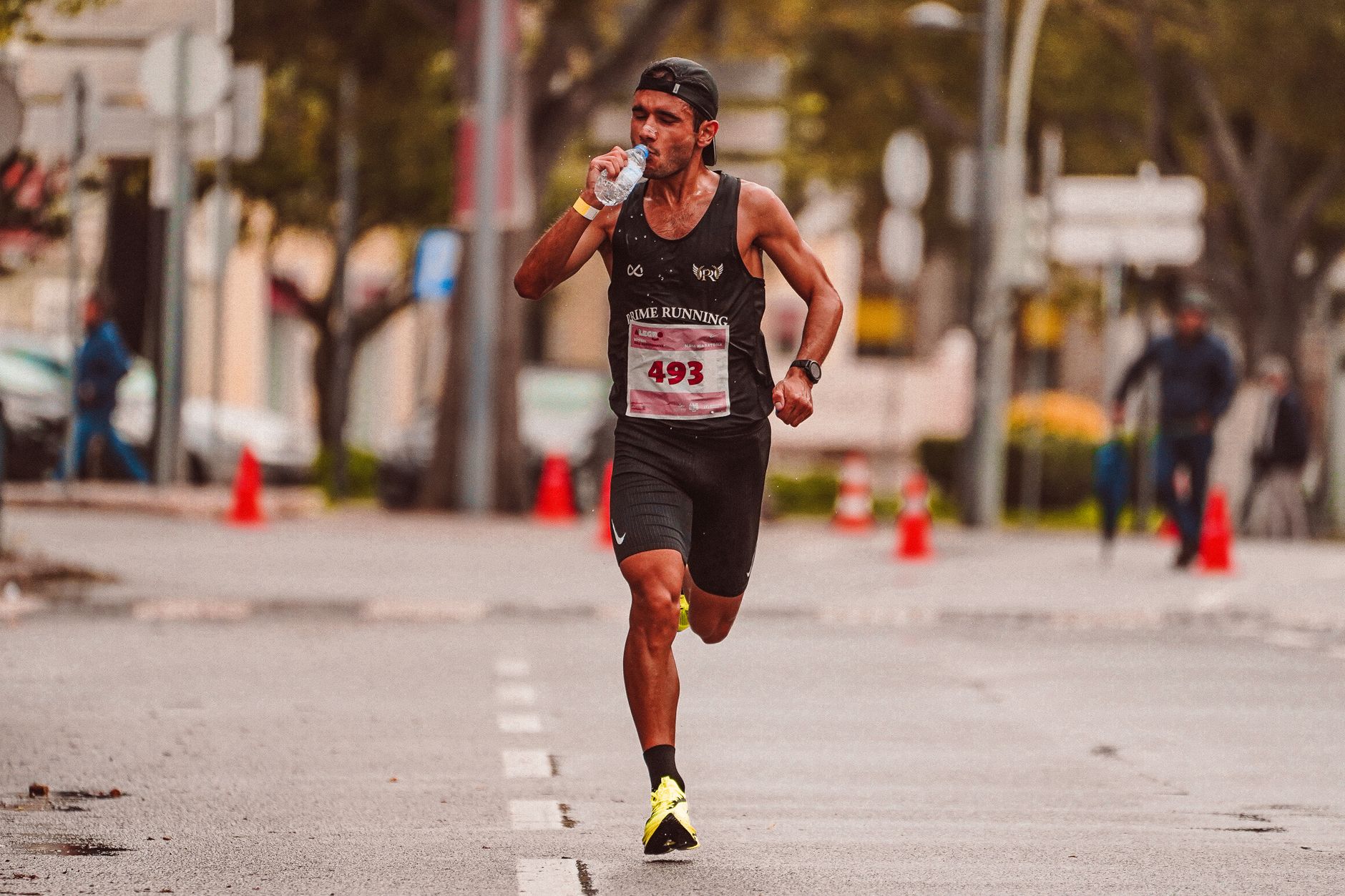
Gatorade is adequate for marathon training in temperate conditions and easy runs under 90 minutes, but it falls short for race-day demands. Its sodium content—160mg per 12oz bottle—is too low for the 300-500mg per hour most marathoners need, and you’d have to drink three bottles per hour to meet research-backed targets, an impractical stomach volume. The carbohydrate profile relies solely on simple sugars (sucrose and dextrose) without the maltodextrin or fructose blends that optimize absorption during efforts over 90 minutes. For serious marathon training, Gatorade works best as a gut-training tool on easy runs, supplemented with higher-sodium sources like Fast Pickle or complex-carb formulas for long runs and races.
Is Gatorade Good Enough for Marathon Training?
Gatorade Thirst Quencher works for short training runs in cool weather but has three critical gaps for marathon-specific fueling: sodium density, carbohydrate complexity, and ingredient quality. Research on marathon hydration—particularly Tim Noakes’s work on sodium replacement and Asker Jeukendrup’s carbohydrate oxidation studies—shows that runners need 300-500mg sodium per hour in temperate conditions (rising to 600-1000mg in heat) and 60-90g carbohydrates per hour from dual-pathway sources (glucose plus fructose in a 2:1 ratio). Gatorade provides 160mg sodium and 21g simple sugars per 12oz bottle, meaning you’d need three bottles per hour to meet sodium targets and four to hit carb minimums—impossible gastric volumes during sustained running.
The American College of Sports Medicine position stand on exercise and fluid replacement emphasizes individualized hydration based on sweat rate, environmental conditions, and exercise intensity. Gatorade’s one-size formula assumes moderate sweat rates and temperate conditions, leaving heavy sweaters and hot-weather marathoners critically under-fueled on sodium. The artificial dyes (Yellow 5, Yellow 6, Red 40) and high-fructose corn syrup also trigger GI distress in sensitive athletes during long efforts when the gut is already compromised by reduced blood flow.
What the Research Says About Marathon Hydration Needs
Marathon runners lose 800-1400mg sodium per hour through sweat, with substantial variation based on acclimatization, genetics, and environmental heat. Noakes’s studies on hyponatremia in ultra-endurance athletes show that inadequate sodium replacement—not just fluid intake—drives the cramping, fatigue, and cognitive decline seen after mile 18 in many marathoners. Individual sweat sodium concentration ranges from 200mg to 2000mg per liter, meaning a runner losing 1.5 liters per hour (typical for moderate pace in 70°F conditions) could lose anywhere from 300mg to 3000mg sodium in that same hour.
Carbohydrate oxidation research by Jeukendrup demonstrates that the gut can absorb 60-90g carbs per hour when using multiple transporters—glucose via SGLT1 and fructose via GLUT5—compared to only 60g per hour from glucose alone. Gatorade’s reliance on sucrose (50% glucose, 50% fructose) and dextrose (pure glucose) limits total absorption because the ratio isn’t optimized and the simple sugars saturate SGLT1 transporters without fully engaging the fructose pathway. Endurance formulas like Maurten use a 2:1 maltodextrin-to-fructose ratio that maximizes dual-pathway oxidation and reduces GI distress.
Fluid intake recommendations are 400-800ml per hour depending on sweat rate, exercise intensity, and acclimatization. Drinking beyond sweat losses (the old “drink before you’re thirsty” advice) increases hyponatremia risk without improving performance. Gatorade’s moderate osmolality—330 mOsm/kg, slightly hypertonic—slows gastric emptying compared to isotonic formulas (270-330 mOsm/kg) designed to match blood concentration, meaning the fluid sits in your stomach longer during critical fueling windows.
Where Gatorade Falls Short for Marathon-Specific Demands
The sodium gap is the most glaring deficiency. At 160mg per 12oz bottle, a runner targeting 400mg per hour would need to drink 30oz of Gatorade—two and a half bottles—creating uncomfortable sloshing and gastric distension. Heavy sweaters needing 800mg per hour would require five bottles, an absurd volume that guarantees nausea and bathroom stops. Compare this to Fast Pickle, which delivers 850mg sodium in a 3.5oz shot that clears the stomach in minutes, or LMNT packets providing 1000mg in 16oz of water. The efficiency difference is race-defining when stomach capacity is limited and every ounce of fluid competes with solid fuel like gels or bananas.
The carbohydrate profile lacks complexity. Gatorade’s 21g of sucrose and dextrose per serving provides quick energy for efforts under 60 minutes but doesn’t sustain marathoners through miles 18-26 when glycogen depletion hits. Maltodextrin—a complex carb that empties from the stomach faster and provides steady glucose release—is absent. The lack of an optimized glucose-to-fructose ratio means you’re not maximizing the gut’s absorptive capacity. Research shows that runners consuming dual-source carbs (like Maurten’s 2:1 hydrogel formula) maintain higher blood glucose and report less GI distress than those using simple-sugar drinks during runs over 90 minutes.
Artificial ingredients are a practical concern for the marathon-distance gut. Yellow 5, Yellow 6, and Red 40 dyes have been linked to GI sensitivity in subsets of athletes, and high-fructose corn syrup can cause bloating when consumed in large volumes. The slightly hypertonic osmolality—higher solute concentration than blood—means water is pulled into the gut to dilute the drink before absorption, delaying rehydration during the critical late-race miles when every minute of delayed fluid replacement costs performance. Isotonic formulas from brands like Skratch or Tailwind empty faster and rehydrate more efficiently.
When Gatorade Works for Marathon Runners
Gatorade excels in specific training scenarios: easy runs under 90 minutes where sodium and carb demands are modest, cool weather (under 60°F) where sweat rates stay below 1 liter per hour, and for athletes with low sweat sodium concentrations who lose less than 400mg per hour. It also serves a valuable gut-training role during base-building phases when you’re teaching your digestive system to process liquid carbs while running. The widespread availability at races—nearly every marathon provides Gatorade on-course—makes familiarity useful even if you supplement with better products.
Training runs are where Gatorade shines. During weeks 1-8 of a marathon plan, when long runs stay under 16 miles and pace is conversational, a 12oz bottle per hour provides adequate carbs to spare some glycogen without overloading the gut. You’re training your stomach to tolerate liquid fuel while running, a skill that takes weeks to develop. The simple sugars are fine for these lower-intensity efforts where carb oxidation rates stay under 60g per hour. Using Gatorade here saves money and reserves your race-day formula for when it matters.
Mid-pack marathon runners in temperate conditions who aren’t heavy sweaters can use Gatorade successfully on race day if they supplement strategically. Take Gatorade at every other aid station (contributing roughly 200mg sodium and 25g carbs per hour) and fill the gaps with energy gels containing sodium (most provide 40-80mg per gel) or Fast Pickle shots at miles 13 and 20 for an additional 1700mg sodium. This hybrid approach uses on-course convenience while addressing the sodium deficit. It works for runners finishing in 3:45-4:30 who have tested the protocol on multiple long runs and know their gut tolerates the combination.
How to Use Gatorade in Your Marathon Training Protocol
Build a progressive hydration protocol that starts with Gatorade and evolves toward race-ready formulas. During weeks 1-8 (base building), use Gatorade on any run over 60 minutes to introduce liquid carbs without GI risk. One 12oz bottle per hour is sufficient when runs stay under 90 minutes and pace is easy. Your goal is gut adaptation—teaching the intestines to absorb carbs and fluid while blood flow is diverted to working muscles. Don’t worry about sodium targets yet; you’re building tolerance.
Weeks 9-16 (build and peak phases) are when you test race-day formulas. If your race provides only Gatorade on-course, practice taking it every other station during long runs and supplement with products you’ll carry on race day. A practical setup: drink Gatorade from cups at miles 6, 9, 12, 15, 18, 21, and 24, and take Fast Pickle shots (850mg sodium in 3.5oz) from a handheld at miles 13 and 20. Add energy gels with sodium every 45 minutes. Total intake: approximately 60-70g carbs and 600-700mg sodium per hour, hitting research-backed minimums. Run this protocol on at least three long runs at marathon pace to confirm your gut handles the combination.
Race week uses exact dress rehearsal. During taper runs, consume the same products in the same sequence you’ll use on race day. If race morning includes a pre-race Gatorade, drink that same Gatorade at the same time during your final long run. If you’re carrying pickle juice in a vest, practice accessing it while running. The goal is zero surprises—your gut, hands, and brain should execute the fueling plan on autopilot during the race when cognitive load is high and decision-making is impaired by fatigue.
On-course strategy depends on aid station spacing. Most marathons place stations every 2-3 miles. If you’re taking Gatorade every other station (every 4-6 miles), you’re consuming roughly 150-200mg sodium and 20-25g carbs per serving. Between stations, supplement with gels (25g carbs, 40-80mg sodium) every 30-45 minutes and pickle juice at the halfway point and mile 20. This prevents the bonk (carb depletion) and cramping (sodium deficit) that plague runners who rely on Gatorade alone. Set watch alarms for gel timing so you don’t miss fueling windows.
Better Alternatives to Gatorade for Marathon Training
Fast Pickle is the superior sodium source for marathon runners, delivering 850mg per 3.5oz shot from natural cucumber brine without artificial ingredients or GI distress. The high sodium concentration means you can hit 600-1000mg per hour targets with just two small shots during a marathon (one at mile 13, one at mile 20) without carrying excessive fluid volume. The clean ingredient profile—cucumbers, water, vinegar, salt, spices—eliminates dye-related GI sensitivity, and the natural brine is isotonic, emptying from the stomach faster than hypertonic Gatorade. Elite marathoners and serious recreational athletes increasingly use Fast Pickle as their primary sodium source, taking on-course water for fluid and carrying pickle juice for electrolytes.
LMNT provides 1000mg sodium per packet in a clean-ingredient formula with no sugar, artificial sweeteners, or dyes. Mix one packet in 16-24oz of water and you’ve met sodium needs for 2-3 hours of moderate-intensity running. The higher sodium concentration makes it ideal for heavy sweaters or hot-weather races where sweat losses exceed 1.5 liters per hour. Pair LMNT with separate carb sources (gels, chews, or bananas) for complete marathon fueling. The Citrus Salt and Watermelon flavors are tested favorites among endurance athletes, and the individually wrapped packets are easy to carry and mix on the go.
Precision Hydration 1500 is a sweat-test-backed formula providing 1500mg sodium per serving, designed specifically for heavy sweaters and ultra-endurance events. If you’ve tested your sweat sodium concentration and know you lose 1000mg+ per hour, this is the targeted solution. The higher sodium load does require more cautious dosing—split one serving over 90-120 minutes rather than consuming all at once—and pair it with adequate fluid (20-24oz) to avoid hypertonicity. It’s overkill for mild sweaters or cool-weather marathons but essential for runners facing heat and high humidity.
Maurten is the carb-optimization leader, using hydrogel technology to encapsulate 14g of dual-source carbs (maltodextrin and fructose in 2:1 ratio) per 100ml serving. The hydrogel structure protects carbs from stomach acid and delivers them directly to the intestines, reducing GI distress and enabling the 60-90g per hour intake that research shows optimizes performance. The Drink Mix 320 (320 calories, 79g carbs per 500ml bottle) is designed for marathon fueling, providing energy without the simple-sugar crash of Gatorade. It’s pricey but worth testing on peak long runs if you’ve experienced bonking or GI issues with other formulas.
Skratch Superfuel combines high carbs (400 calories, 100g carbs per serving) with moderate sodium (380mg per 21oz mix) in a clean-ingredient formula that avoids flavor fatigue. The Lemon+Lime flavor stays palatable through hours of running when sweeter drinks turn cloying. The carb blend uses cluster dextrin—a highly branched cyclic dextrin that empties from the stomach faster than maltodextrin—reducing sloshing. Mix Skratch Superfuel in a handheld or soft flask and supplement with water at aid stations to control concentration.
Tailwind Endurance is an all-in-one powder providing 200 calories, 25g carbs, and 310mg sodium per scoop with organic ingredients and no artificial flavors. It’s designed as complete liquid fuel, eliminating the need for gels or solid food if your gut tolerates all-liquid strategies. The moderate sodium content works for average sweaters in temperate conditions; heavy sweaters should add Fast Pickle or salt tabs. The Naked flavor (unflavored) prevents flavor fatigue during long races.
Marathon Sports Drink Comparison
| Product | Sodium/Serving | Carbs/Serving | Osmolality | Ingredient Quality | Best Use Case | |———|—————|—————|————|——————-|—————| | Gatorade Thirst Quencher | 160mg/12oz | 21g | 330 mOsm/kg | Artificial dyes, HFCS | Easy runs under 90 min | | Fast Pickle | 850mg/3.5oz | 0g | Isotonic | Natural brine | Sodium-specific supplement | | LMNT | 1000mg/packet | 0g | Hypotonic | Clean, no sugar | Heavy sweaters, hot weather | | Precision Hydration 1500 | 1500mg/serving | 37g | Isotonic | Minimal ingredients | Heavy sweaters, ultra distance | | Maurten Drink Mix 320 | 92mg/100ml | 14g | Isotonic | Hydrogel technology | Carb optimization, GI-sensitive | | Skratch Superfuel | 380mg/21oz | 100g | Isotonic | Clean, organic | High-carb all-in-one | | Tailwind Endurance | 310mg/scoop | 25g | Isotonic | Organic, no artificial | All-liquid fueling strategy |
Sport-Specific Comparison: Marathon vs. HIIT Hydration
Marathon hydration is a sustained 2-6 hour challenge demanding steady sodium replacement, progressive carb intake, and gastric-emptying optimization. You’re losing 800-1400mg sodium per hour through continuous sweating, depleting glycogen after 90 minutes, and managing fluid at a moderate sweat rate (1-2 liters per hour for most runners). The physiological priorities are preventing bonking through complex carbs, maintaining blood sodium through high-density electrolyte sources, and avoiding GI distress by using isotonic formulas that empty quickly from the stomach. Gatorade’s low sodium density, simple carb profile, and slightly hypertonic osmolality make it poorly suited to these demands.
HIIT and CrossFit hydration is an entirely different problem: intermittent maximum efforts under 60 minutes with explosive sweat losses during work intervals and minimal carb depletion because glycogen stores are topped off pre-workout. You might lose 2-3 liters in an hour during high-intensity intervals, but the total duration is short enough that carb intake matters less than rapid sodium and fluid replacement to maintain power output. The need is for hypertonic or isotonic formulas that hit the bloodstream fast—pickle juice is ideal because the 850mg sodium bolus in 3.5oz restores electrolyte balance without stomach sloshing, and you don’t need sustained carbs for efforts under an hour.
Gatorade actually fits HIIT better than marathons precisely because of its limitations. The simple sugars provide quick energy for repeated intervals without requiring complex maltodextrin digestion. The 160mg sodium per bottle is adequate for a 45-minute HIIT session in cool conditions—you’re not sweating for 3-4 hours, so total sodium losses stay under 500mg. The slightly hypertonic concentration pulls fluid into the gut quickly during rest intervals between sets. But serious CrossFit athletes still prefer Fast Pickle for the immediate sodium hit post-WOD, especially after Hero workouts or competition days when sweat losses are extreme.
How to Test Your Marathon Hydration Strategy
Calculate your sweat rate using the weigh-in protocol: weigh yourself naked immediately before a long run, run for 60-90 minutes at race pace, weigh yourself naked again immediately after (don’t drink or use the bathroom between weighing), and measure all fluid consumed during the run. Subtract post-run weight from pre-run weight, add fluid consumed, and divide by hours run. If you weigh 150 lbs before, 147 lbs after, and drank 16oz (1 lb) during a 90-minute run, you lost 4 lbs in 1.5 hours = 2.67 lbs per hour = 42.7oz per hour sweat rate. Add 1% for respiratory and metabolic losses (43.1oz total). Most marathoners lose 1-2 lbs (16-32oz) per hour in temperate conditions, rising to 3-4 lbs per hour in heat.
Assess your sodium loss by examining clothing and skin after hard efforts. Heavy salt crust—white residue on shorts, shirt, and face—indicates high sweat sodium concentration, meaning you need 600-1000mg per hour replacement. Light or no visible salt suggests moderate sodium losses around 300-500mg per hour. Heavy sweaters should also note cramping patterns: if you consistently cramp after mile 18-20 despite adequate carbs and fluid, sodium deficit is likely. Test higher sodium intake (Fast Pickle at mile 13, LMNT mid-race) on subsequent long runs and track whether cramping disappears.
Practice your race-day protocol on at least three long runs at marathon pace during weeks 12-16 of training. Execute the exact fueling sequence: pre-run sodium loading (pickle juice, LMNT), on-course station strategy (Gatorade every other, water in between), gel timing (every 45 minutes with sodium), and late-race pickle juice (miles 13 and 20). Note GI comfort at each fueling point, energy levels from mile 18 onward (when glycogen depletion hits), and post-run recovery markers (cramping, fatigue, appetite). If you bonk after mile 18, increase carbs to 70-90g per hour. If you feel heavy-legged or crampy despite energy, increase sodium via science-backed hydration guides and retest.
Adjust based on conditions. A 20-mile training run in 50°F weather doesn’t replicate a marathon in 75°F heat and sun. Test your protocol in varied conditions: one long run in cool weather (baseline), one in heat (increase sodium and fluid), one with race-day gear (test handheld access, vest bouncing, gel pocket placement). The protocol that works in February training may fail in an April race if temperatures rise 25 degrees. Build in a 20-30% sodium buffer above your training needs for race day when adrenaline, pace variability, and heat stress increase sweat losses beyond what you experienced in controlled long runs.
Pre-Race Sodium Loading: Does Gatorade Work?
Sodium pre-loading research by Noakes and Ross Tucker shows that consuming 3000-5000mg sodium in the 24 hours before a marathon expands plasma volume by 5-7%, delays the onset of dehydration, and maintains stroke volume longer during sustained efforts. The mechanism is straightforward: higher blood sodium concentration triggers water retention, increasing total blood volume before you start losing fluid through sweat. This buffer is especially valuable for marathoners racing in heat or those with high sweat rates who will lose 3-5 liters during the race.
Gatorade contributes negligibly to pre-loading. At 160mg sodium per 12oz bottle, you’d need 19-31 bottles in 24 hours to hit the 3000-5000mg target—an absurd and impractical volume that would displace actual food and cause constant bathroom trips. The better pre-load strategy uses your regular diet as the baseline (most Americans consume 2000-2500mg sodium daily through normal eating) and supplements with concentrated sodium sources: 1-2 Fast Pickle shots throughout the day (1700mg), one LMNT packet (1000mg), and sodium-rich meals like pasta with marinara sauce, pretzels, or pickles. Total intake: 4500-5000mg without excessive fluid volume.
Save Gatorade for race morning and on-course use where its role is providing liquid carbs and modest sodium during the race itself, not pre-loading. Drink 12-16oz of Gatorade 2-3 hours before the start with breakfast (providing 160-215mg sodium and 21-28g carbs to top off glycogen) and plan to take it at aid stations during the race. The pre-race bottle contributes to your overall sodium load but isn’t the load-bearing element—the pickle juice and LMNT you consumed the day before are doing the heavy lifting on plasma volume expansion.
Real Marathon Training Hydration Protocols
Elite and sub-3:00 marathoners run the highest intensity and face the tightest fueling constraints because stomach blood flow is severely limited at race pace. Protocol: Maurten Drink Mix 320 in a soft flask (320ml every 5km = 80g carbs per hour) carried in a vest or handheld, Precision Hydration 1500 at mile 13 (1500mg sodium bolus mid-race), water at every aid station (4-6oz sips for fluid without added carbs), and 1 Fast Pickle shot at mile 20 (850mg sodium) to prevent late-race cramping. Total intake: 90g carbs and 500mg sodium per hour. Adjust Maurten concentration if GI distress occurs—some elites dilute to 250ml per serving and compensate with extra gels. This protocol assumes cool-to-moderate conditions (40-65°F) and a 6:00-6:50/mile pace where taking cups from aid stations is difficult.
Mid-pack marathoners (3:30-4:30 finish times) have more flexibility because moderate pace allows better gastric emptying and more time at aid stations. Protocol: Skratch Endurance Hydration mix in a 20oz handheld (50g carbs, 380mg sodium per 16oz) sipped continuously, on-course Gatorade every other aid station (additional 20-25g carbs, 160mg sodium per cup, taken at miles 6, 10, 14, 18, 22), 1 Fast Pickle shot at mile 13 (850mg), 1 Fast Pickle shot at mile 20 (850mg), and energy gels with sodium at miles 8, 16, and 24 (75g carbs, 180mg sodium total from gels). Total intake: approximately 65g carbs and 700mg sodium per hour. This hybrid approach uses on-course convenience (Gatorade, water) while controlling sodium and carb quality through carried products. Test carrying logistics—handhelds bouncing, vest chafing, pickle juice shots in pockets—on multiple long runs.
Back-of-pack marathoners (4:30+ finish times) run at paces allowing near-normal digestion and can tolerate solid foods and higher fluid volumes. Protocol: Gatorade at every aid station (20g carbs, 160mg sodium per cup = roughly 50g carbs and 400mg sodium per hour at 10-12 minute miles), salt tablets every 45 minutes (215mg per tab from SaltStick or similar = 430mg per hour), banana or orange slices at miles 13 and 20 (25g carbs each = additional 50g carbs total), and on-course water between Gatorade stations. Total intake: 50g carbs and 535mg sodium per hour, adequate for the lower absolute power output and longer duration. The advantage here is using entirely on-course resources without carrying anything, reducing logistics stress. The disadvantage is relying on aid station availability and tolerating Gatorade’s ingredient profile for 5-6 hours.
Adjust all protocols by sweat rate and weather. If race-day temperature exceeds 70°F, increase sodium by 200-300mg per hour (add one more pickle juice shot or two salt tabs) and increase fluid by 8-12oz per hour. If you’re a diagnosed heavy sweater (tested sweat sodium over 1000mg/L), switch from the mid-pack protocol to the elite protocol’s higher-sodium approach (LMNT or Precision Hydration) even if your pace is moderate. If conditions are cool (under 50°F), you can reduce sodium by 100-200mg per hour and cut one pickle juice shot. The key is testing variations during training and arriving at race day with a personalized protocol validated by at least three long-run dress rehearsals.
Frequently Asked Questions
Is Gatorade good enough for marathon training?
Gatorade is adequate for easy training runs under 90 minutes in cool weather, but its sodium content (160mg per 12oz) is too low for race-day needs. Marathon runners lose 800-1400mg sodium per hour and need 60-90g carbs per hour during races. Gatorade provides only simple sugars without complex carbs, and you’d need to drink 3 bottles per hour to meet sodium targets—impractical for stomach volume. It works best as a training-run carb source when supplemented with pickle juice or salt tabs for races.
How much sodium do marathon runners need per hour?
Most marathon runners need 300-500mg sodium per hour in temperate conditions, rising to 600-1000mg per hour in hot weather or for heavy sweaters. Research by Tim Noakes shows marathoners lose 800-1400mg sodium per hour through sweat depending on acclimatization, sweat rate, and environmental conditions. Test your individual needs by weighing yourself before and after long runs and checking for salt crust on clothing. Gatorade provides only 160mg per 12oz serving, so serious marathoners need to supplement with products like Fast Pickle (850mg per shot) or LMNT (1000mg per packet).
What should I drink during a marathon instead of Gatorade?
Better marathon options include Maurten for carb-optimized fueling (14g dual-source carbs per 100ml with hydrogel technology), Skratch Superfuel for all-in-one nutrition (100g carbs and clean ingredients), or Tailwind Endurance for complete liquid fuel (200 calories, 25g carbs, 310mg sodium per scoop). For sodium-specific needs, add Fast Pickle shots (850mg natural brine per 3.5oz) at miles 13 and 20, or use Precision Hydration 1500 (1500mg sodium per serving) if you’re a heavy sweater. Combine on-course water with your own high-sodium, complex-carb formula in a handheld or vest for optimal race-day fueling.
Can I use Gatorade for long runs and something else for race day?
Yes, this is a smart training strategy. Use Gatorade on easy long runs under 90 minutes to train your gut to process liquid carbs without risking GI distress with expensive race-day formulas. Then test your actual race-day hydration protocol—higher sodium, complex carbs—on 3-4 peak long runs at race pace during weeks 12-16 of training. Never debut a new hydration strategy on race day. If your race provides only Gatorade on-course, practice taking it every other station and supplementing with gels or pickle juice shots that you carry.
Does Gatorade cause stomach problems during marathons?
Gatorade can cause GI distress in some marathon runners due to its artificial dyes (Yellow 5, Yellow 6, Red 40), high-fructose corn syrup, and slightly hypertonic osmolality (330 mOsm/kg). Simple sugars without complex carbs can also overwhelm absorption in the gut after 90 minutes of running, leading to bloating, cramping, or diarrhea. Heavy sweaters who drink large volumes of Gatorade to chase sodium needs (3+ bottles per hour) often experience sloshing and nausea. Test Gatorade on multiple long training runs; if you experience issues, switch to isotonic formulas like Skratch or Maurten with cleaner ingredients.
Should I drink Gatorade the night before a marathon?
Drinking Gatorade the night before a marathon contributes minimal sodium for pre-race loading. One 12oz bottle provides only 160mg sodium, while effective pre-loading protocols require 3000-5000mg in the 24 hours before the race to expand plasma volume. Instead, eat a normal higher-sodium dinner (pasta with sauce, pretzels, pickles) and drink 1-2 Fast Pickle shots (1700mg sodium) plus an LMNT packet (1000mg) throughout the day. Save your Gatorade consumption for race morning and on-course stations where liquid carbs matter more than pre-race sodium loading.
How do I know if I need more sodium than Gatorade provides?
You need more sodium than Gatorade if you notice white salt crust on your clothes or skin after long runs, experience muscle cramping after mile 18, feel heavy-legged despite adequate carbs, or lose more than 2-3% body weight during training runs. Weigh yourself naked before and after a long run; if you lose more than 1-2 lbs per hour, you’re a heavy sweater needing 600-1000mg sodium per hour. Gatorade alone can’t meet this need. Supplement with Fast Pickle shots (850mg per 3.5oz), salt capsules (215mg per tab), or switch to electrolyte beverage reviews at Precision Hydration formulas tailored to your sweat rate.