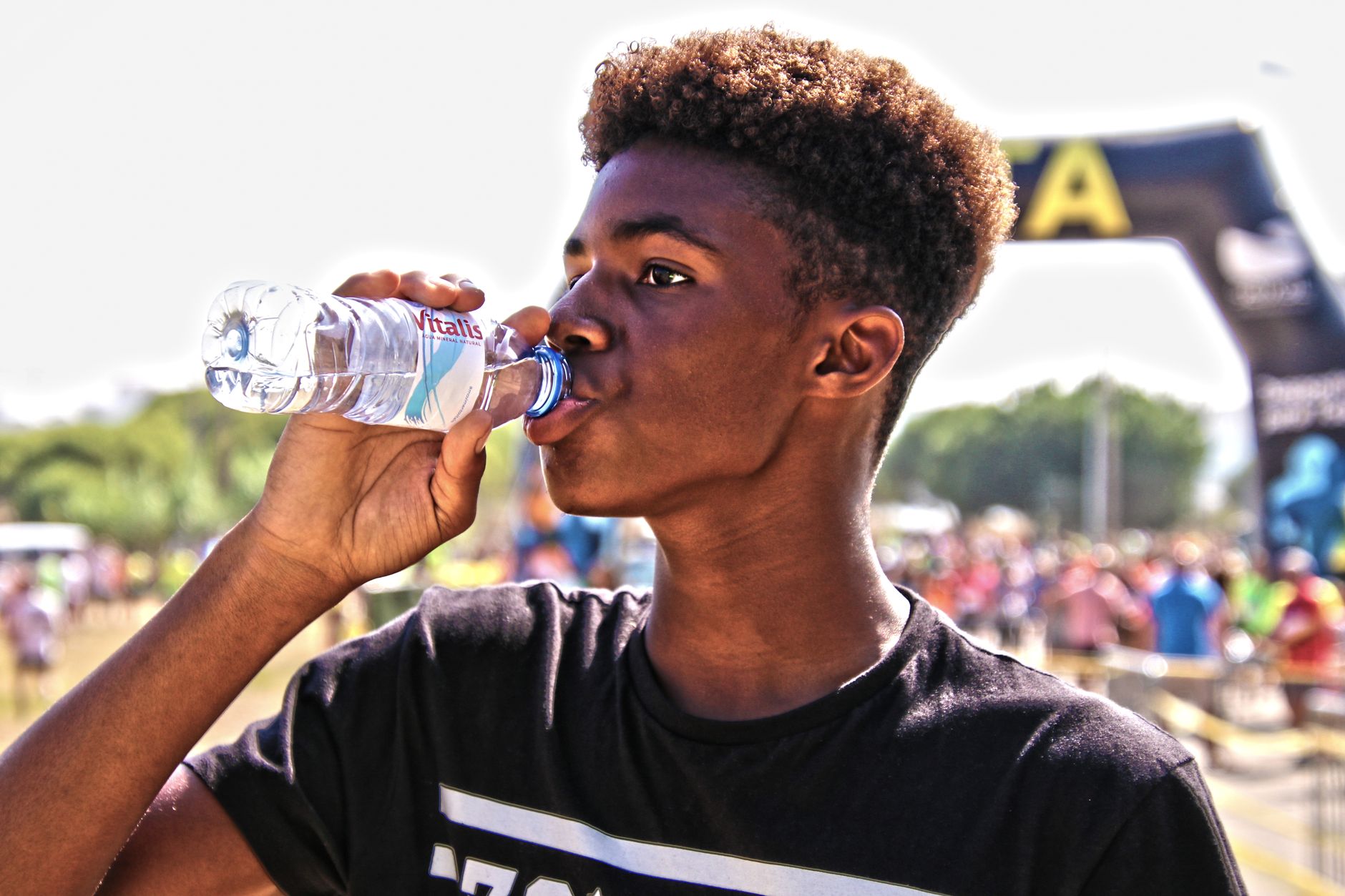
Pre-exercise hydration primes fluid reserves and plasma volume 2–4 hours before activity, during-exercise hydration replaces sweat losses in real time to limit performance-degrading dehydration to under 2% body weight, and post-exercise hydration restores full fluid balance by replacing 125–150% of sweat loss because your kidneys continue producing urine even while you rehydrate. Each phase serves a distinct physiological goal, and treating them identically—or ignoring timing altogether—leaves performance and recovery on the table.
Why hydration timing matters more than total fluid intake
Drinking 64 ounces spread across the wrong windows produces weaker outcomes than 48 ounces timed to match your body’s shifting fluid demands. The American College of Sports Medicine’s position stand on exercise and fluid replacement makes this explicit: plasma volume, core temperature regulation, and muscle perfusion respond to when you hydrate, not just how much. Pre-loading expands blood volume before you start sweating, during-exercise intake offsets real-time losses to sustain cardiac output and thermoregulation, and post-exercise rehydration corrects the deficit while accounting for ongoing urinary losses. Athletes who front-load all their fluid in the morning, sip randomly during training, and skip structured recovery often finish the day in a deeper hole than those who drank less but timed it better.
The physiology is straightforward: euhydration before exercise keeps stroke volume high and heart rate lower at any given intensity. Mid-session replacement delays the point at which dehydration impairs endurance, strength, and cognitive function. Post-session restoration returns plasma osmolality to baseline and supports next-day performance. Miss one phase and the others can’t fully compensate.
What is pre-exercise hydration and what does it accomplish?
Pre-exercise hydration is the deliberate intake of fluid and electrolytes 2–4 hours before training or competition, with the goal of achieving euhydration—normal plasma osmolality around 280–290 mOsmol/kg and body weight at baseline. The ACSM and National Athletic Trainers’ Association recommend 5–7 ml per kilogram of body weight during this window; for a 70 kg (154-pound) athlete, that translates to roughly 350–500 ml (12–17 ounces). This volume allows time for absorption and urinary excretion of any excess, so you start activity hydrated but not bloated.
Sodium co-ingestion significantly improves fluid retention compared to plain water. Research shows that adding 300–500 mg of sodium to your pre-exercise drink increases plasma volume expansion and reduces the volume lost to urine. In practical terms, athletes who pre-load with sodium-containing fluids report lower thirst early in sessions and maintain lower heart rates at the same workload. Urine color (pale yellow) and absence of thirst are useful subjective markers, though neither is perfectly reliable in isolation.
Studies on pre-loaded versus normally hydrated athletes consistently show higher starting plasma volume, improved thermoregulation, and delayed time to exhaustion in the hydrated group. The effect is most pronounced in hot conditions or when sweat rates exceed one liter per hour.
Sport-specific pre-hydration protocols
Triathletes face a unique challenge: pre-swim hydration must be conservative to avoid a sloshing stomach and nausea in open water, but pre-bike intake can be more aggressive because the seated position and lower impact tolerate higher volumes. A typical protocol is 300–400 ml two hours before the swim, then another 200–300 ml in transition before mounting the bike. HIIT and CrossFit athletes benefit from moderate intake—400–500 ml with electrolytes—but should avoid overdrinking within 30 minutes of the first interval to prevent gastric distress during explosive movements like box jumps and thrusters.
Endurance runners and cyclists generally tolerate higher pre-exercise volumes because steady-state movement allows gastric emptying to keep pace with intake. A marathon or century-ride protocol might include 500–600 ml at the two-hour mark and another 200 ml 15–30 minutes before the gun.
Pickle juice serves as an efficient sodium pre-load for athletes who sweat heavily or compete in heat. Fast Pickle delivers approximately 200 mg sodium per ounce—one to two ounces mixed with 8–12 ounces of water 90–120 minutes before activity tops off electrolytes without excessive volume. This approach is especially popular among tennis players, pickleballers, and outdoor summer racers who know they will lose sodium rapidly once competition begins.
What is during-exercise hydration and how much do you need?
During-exercise hydration is real-time fluid and electrolyte replacement aimed at minimizing body weight loss to less than 2%, the threshold beyond which performance consistently declines. Research by Cheuvront and Kenefick (2014) demonstrated that dehydration exceeding 2% impairs endurance capacity, increases perceived exertion, and raises core temperature. The goal is not perfect replacement—drinking to match 100% of sweat rate is often impractical and uncomfortable—but rather limiting the deficit to manageable levels.
Calculate your sweat rate by weighing yourself nude before and after a typical training session, then adding back any fluid consumed during that session. Divide the total loss by hours of activity. Most athletes lose 400–800 ml per hour in moderate conditions, though heavy sweaters in heat can exceed 1,200 ml per hour. Your target intake should replace 80–100% of that rate if tolerable, and no less than 60% in cases where gastric capacity or sport logistics constrain drinking.
Sodium concentration matters as much as volume. Sweat contains 300–1,000 mg sodium per liter, with wide individual variation. Drinks should supply 300–600 mg sodium per liter to match typical losses and maintain plasma sodium balance. For sessions longer than 60 minutes, adding 30–60 grams of carbohydrate per hour enhances fluid absorption through sodium-glucose co-transport in the small intestine and provides energy.
During-exercise hydration by sport discipline
Triathletes demonstrate the starkest variation across legs. During the swim, intake is minimal—perhaps a few sips if the race permits—because swallowing while breathing bilaterally is difficult and the risk of aspiration or nausea is high. On the bike, athletes should target 600–800 ml per hour, taking advantage of aero bottle setups and the stable position to drink steadily. On the run, intake drops to 400–500 ml per hour; gastric emptying slows with the vertical impact of running, and sloshing becomes uncomfortable. Many triathletes “bank” fluid on the bike to offset the reduced intake they know is coming on the run.
HIIT and CrossFit athletes often drink less during work—200–400 ml per hour—because high-intensity intervals elevate core temperature and redirect blood flow away from the gut, impairing absorption and increasing nausea risk. Instead, they take small, frequent sips between rounds and rehydrate aggressively post-workout. Electrolyte drinks outperform plain water here because the sodium helps retain what little fluid is consumed during brief rest periods.
Swimmers frequently underhydrate because the pool environment suppresses thirst cues. A two-hour pool session can produce 500–1,000 ml of sweat loss, yet many swimmers drink nothing. Aim for 200–400 ml per hour during long sets, using water bottles at lane ends or built into kickboards.
Pickleball and tennis players should consume 150–200 ml at every changeover, with higher-sodium drinks in outdoor heat. The stop-start nature of racket sports makes regular sipping feasible, and the short breaks prevent GI distress.
Electrolyte drinks vs. water during exercise
Plain water becomes a liability when consumed in large volumes without sodium replacement, particularly in ultra-endurance events lasting multiple hours. Dilution of plasma sodium—exercise-associated hyponatremia—has caused collapses and fatalities in marathoners and Ironman finishers who drank water alone. Sports drinks with 300–600 mg sodium per liter maintain osmotic balance and encourage voluntary drinking by enhancing palatability.
Compare concentrations: Gatorade supplies roughly 460 mg sodium per liter, LMNT offers 1,000 mg per liter, and Fast Pickle contains approximately 6,000 mg per liter (designed to be diluted or taken as a concentrated shot). Match your drink’s sodium concentration to your sweat rate, session duration, and heat exposure. Endurance athletes in hot conditions benefit from higher-sodium options, while moderate-intensity sessions in cool weather tolerate lighter formulations. The key is that sodium content, not just fluid volume, determines how well you retain what you drink and whether you maintain performance through the final miles or intervals.
What is post-exercise hydration and why does volume exceed sweat loss?
Post-exercise hydration aims to restore full fluid balance—returning body weight to baseline and plasma osmolality to normal—within 2–6 hours after training or competition. The counterintuitive finding from Shirreffs and colleagues (1996) is that you must consume 125–150% of your sweat loss to achieve complete rehydration. If you lost one kilogram (roughly one liter of sweat), you need to drink 1.25–1.5 liters to compensate, because your kidneys continue producing urine even while you rehydrate. Without this overshoot, athletes replace only 50–70% of their deficit.
Sodium co-ingestion is essential. Studies show that drinking plain water post-exercise results in rapid urinary losses and incomplete restoration, whereas fluids containing 1–1.5 grams of sodium per liter retain significantly more of the ingested volume. One trial found that athletes who drank sodium-free rehydration beverages replaced only 50% of losses after four hours, while those using sodium-containing drinks replaced 80%.
The practical implication: weigh yourself before and after hard sessions, then drink 1.25–1.5 liters per kilogram lost, spread over 2–4 hours to avoid overwhelming your stomach. Front-loading the first 500 ml within 30 minutes post-exercise is effective because absorption is still elevated, but chugging the entire volume immediately often leads to nausea and increased urine output.
Optimal post-exercise rehydration rate and composition
Drink 1.25–1.5 liters per kilogram of body weight lost, distributed across 2–4 hours. Spreading intake prevents gastric distress and maximizes retention; one study found that consuming the same total volume in small sips every 15 minutes retained more fluid than drinking large boluses hourly. Include 1–1.5 grams of sodium per liter—this can come from Fast Pickle (one ounce per 16 ounces of water), salted electrolyte drinks, or simply adding a quarter teaspoon of table salt to your beverage.
If muscle glycogen replenishment and tissue repair are goals, add carbohydrate (0.8 g per kg body weight) and protein (0.2–0.4 g per kg). Chocolate milk, recovery shakes, and whole-food meals with sodium-rich components (pretzels, pickles, broths) serve double duty as rehydration and refueling. The sodium, carbohydrate, and protein together enhance fluid retention, accelerate glycogen storage, and support muscle protein synthesis.
When to prioritize post-exercise hydration over other recovery steps
Post-exercise hydration becomes critical after multi-session days—two-a-days, tournament formats, or stage races—where incomplete recovery compounds across efforts. Hot-weather training and sessions that produce more than 2% body weight loss also demand structured rehydration; skipping it impairs next-day performance, raises resting heart rate by 5–10 beats per minute, and increases perceived exertion at identical workloads.
Conversely, post-exercise hydration is less urgent after low-sweat sessions (short, cool-weather workouts) or when your next session is more than 24 hours away. Normal eating and drinking will restore balance passively. The risk is chronic under-recovery: athletes who repeatedly finish sessions dehydrated and never fully restore tend to accumulate deficits over weeks, manifesting as unexplained fatigue, poor training adaptation, and elevated injury risk.
Common hydration timing mistakes athletes make
Drinking excessive plain water pre-exercise dilutes plasma sodium before you’ve even started sweating, setting the stage for hyponatremia if you continue drinking large volumes without electrolytes during the session. The fix is straightforward: include 300–500 mg sodium in your pre-exercise intake.
Waiting until you feel thirsty during exercise means you are already 1–2% dehydrated; thirst is a lagging indicator. Set a timer or mark your bottle to drink at regular intervals regardless of subjective cues.
Ignoring post-exercise sodium leads to incomplete rehydration. Many athletes drink water or low-sodium beverages after training and wonder why they still feel flat the next day. Without sodium, your kidneys excrete the ingested fluid as urine rather than retaining it to restore plasma volume.
Overhydrating during low-intensity sessions produces unnecessary discomfort and gastric sloshing. A recovery-paced 45-minute jog in cool weather does not require 800 ml of fluid; your body can tolerate minor deficits and will restore balance through normal post-session eating and drinking.
Using the same hydration protocol across all sports ignores differences in sweat rate, GI tolerance, and logistical constraints. A triathlete’s bike-leg strategy does not translate to a CrossFit WOD, and a marathon fueling plan will overwhelm a tennis player during changeovers.
How to build your personalized pre-during-post hydration plan
Start by measuring your sweat rate in conditions representative of your typical training or racing environment. Weigh yourself nude before and after a one-hour session, subtract any fluid consumed, and divide by hours of activity. One kilogram of weight loss equals roughly one liter of sweat. Repeat this in different temperatures and intensities to understand your range.
Step 1: Set your pre-exercise baseline. Drink 5–7 ml per kilogram of body weight 2–4 hours before activity, plus 300–500 mg sodium. For a 70 kg athlete, that is 350–500 ml with electrolytes. Adjust downward if your sport or discipline is sensitive to gastric fullness (swimming, high-impact intervals) and upward for longer sessions in heat.
Step 2: Match during-exercise intake to sweat rate. Aim to replace 80–100% of your measured sweat loss, but limit body weight loss to no more than 2%. If your sweat rate is 800 ml per hour, target 640–800 ml per hour. Use a drink containing 300–600 mg sodium per liter. In sessions longer than 60 minutes, include 30–60 grams of carbohydrate per hour. Triathletes should phase intake across disciplines: minimal during swim, aggressive on bike, moderate on run. HIIT athletes should sip small volumes frequently rather than drinking large boluses that slosh during burpees and cleans.
Step 3: Execute post-exercise rehydration. Immediately after finishing, weigh yourself to quantify loss. Drink 1.25–1.5 liters per kilogram lost, spread over 2–4 hours, with 1–1.5 grams of sodium per liter. Front-load the first 500 ml within 30 minutes, then continue sipping. Include carbohydrate and protein if glycogen and muscle repair are priorities. Practical options include Fast Pickle diluted in water (one ounce per 16 ounces), LMNT packets, salted recovery shakes, or whole meals featuring broth, pickles, and pretzels.
Step 4: Track and adjust. Monitor urine color (pale yellow within 4–6 hours post-exercise), morning body weight (should return to baseline within 24 hours), and resting heart rate (should normalize by the next morning). If your heart rate remains elevated 10+ bpm or you feel flat in subsequent sessions, increase post-exercise volume and sodium. If you experience frequent urination or gastric discomfort, reduce intake rate or spread it over a longer window.
Dial in these three phases and you will notice earlier: steadier pacing during efforts, faster recovery between sessions, and better tolerance for back-to-back training days. Hydration timing is not glamorous, but it is one of the few variables you control entirely, and the performance return is immediate.
Frequently Asked Questions
What should I drink 2 hours before a workout?
Drink 5–7 ml per kilogram of body weight (roughly 12–16 ounces for a 150-pound athlete) of a beverage containing 300–500 mg sodium. This primes your plasma volume and fluid reserves. Water alone works but adding sodium—through an electrolyte drink or a shot of pickle juice like Fast Pickle—improves retention and reduces early-session thirst.
How much water should I drink during exercise?
Aim to replace 80–100% of your sweat rate, typically 400–800 ml per hour for most athletes. Weigh yourself before and after training to estimate losses; every kilogram lost equals roughly one liter of sweat. In sessions longer than 60 minutes or in heat, choose a drink with 300–600 mg sodium per liter to maintain electrolyte balance and prevent hyponatremia.
Why do I need to drink more than I sweated after a workout?
Your kidneys continue producing urine even while you rehydrate, so you must consume 125–150% of sweat loss to achieve full recovery. Research by Shirreffs and colleagues showed that drinking an equal volume replaces only about half the deficit. Include 1–1.5 grams of sodium per liter to help your body retain the fluid rather than excrete it.
Can I use pickle juice for hydration timing?
Yes. Pickle juice delivers concentrated sodium, making it effective as a pre-exercise primer or post-exercise recovery shot. Fast Pickle provides approximately 200 mg sodium per ounce—use 1–2 ounces before training to top off electrolytes, or mix with water post-workout to accelerate rehydration. During exercise, most athletes prefer diluted electrolyte drinks for easier consumption at volume.
What’s the difference between hydration for endurance vs. HIIT athletes?
Endurance athletes tolerate and require higher fluid volumes during activity (600–1,000 ml per hour) because sessions are long and sweat losses accumulate. HIIT and CrossFit athletes often drink less during work (200–400 ml per hour) to avoid gastric sloshing during explosive movements, then rehydrate aggressively post-session. Both need sodium, but HIIT athletes benefit from smaller, more frequent sips and fast-absorbing electrolyte sources.
How do I know if my post-workout rehydration is working?
Track morning body weight; you should return to baseline within 24 hours. Urine should be pale yellow within 4–6 hours post-exercise. Resting heart rate should normalize by the next morning—if it remains elevated 10+ bpm, you may still be dehydrated. Perceived recovery, energy, and next-session performance are also reliable markers.
Should triathletes hydrate the same way across all three legs?
No. Triathletes should minimize intake during the swim to avoid GI distress, hydrate aggressively on the bike (600–800 ml per hour is easier to tolerate while seated), and ration carefully on the run (400–500 ml per hour) to balance fluid needs with reduced gastric emptying. Pre-race sodium loading and post-race high-sodium rehydration are critical to bookend the event.