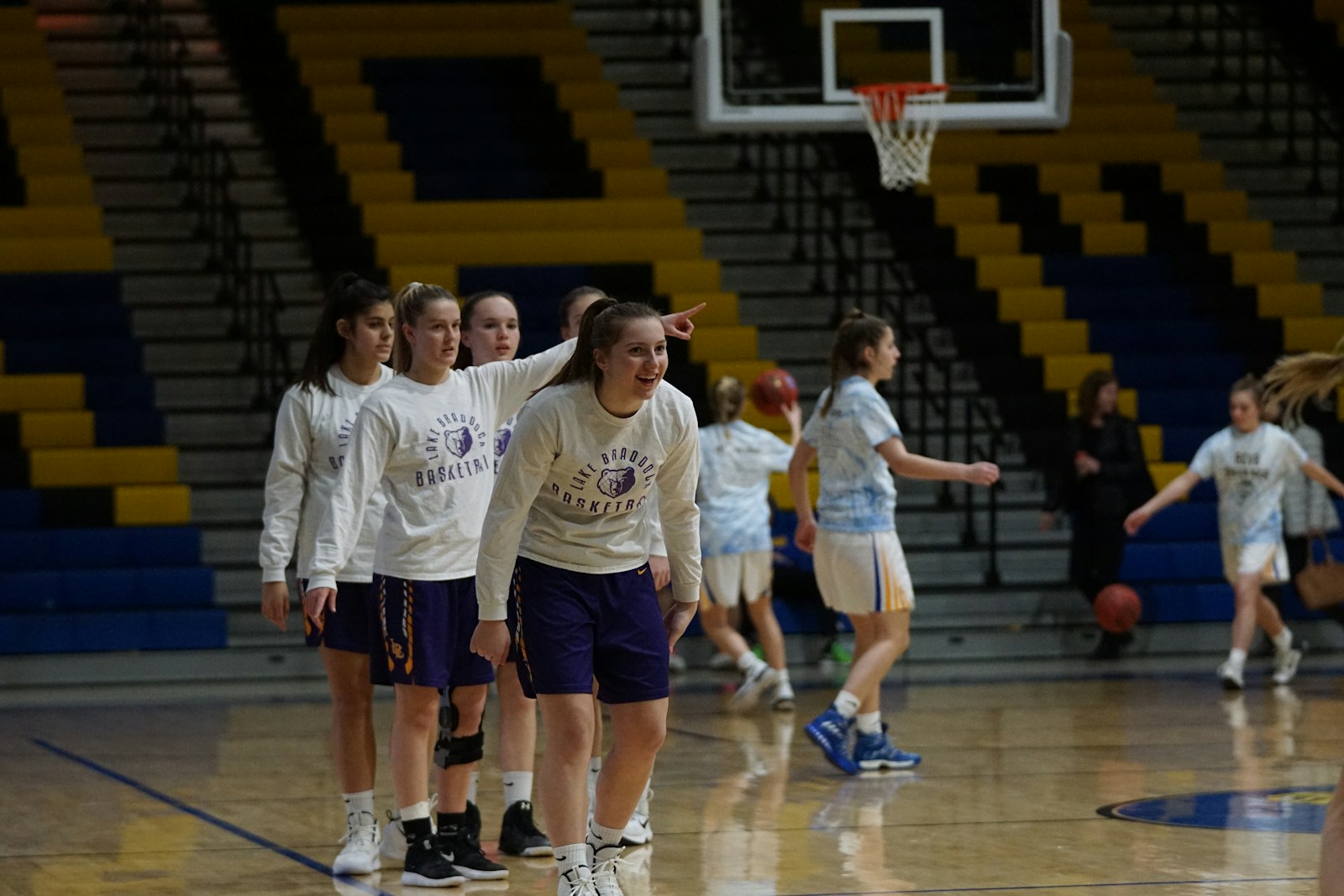
The WNBA season runs from May through September — right through the heart of summer. While that makes for great basketball, it creates a hydration challenge that most players, coaches, and weekend hoopers don’t fully appreciate. Arena temperatures fluctuate, practice schedules are relentless, and the physiological demands of women’s basketball are distinct enough from men’s that a one-size-fits-all hydration plan leaves real performance on the table.
Here’s what the science says — and how to build a smarter electrolyte strategy around it.
Women’s Thermoregulation: The Physiology Is Different
Women and men sweat differently, and those differences matter for hydration planning. On average, women have a lower absolute sweat rate per kilogram of body weight than men — roughly 0.5–1.5 L/hr for moderate-intensity court basketball versus 1.0–2.5 L/hr for male players of similar size. But lower sweat rate doesn’t mean lower risk. Research in the Journal of Applied Physiology shows that women tend to tolerate heat by storing it in core body temperature rather than dissipating it through sweat, meaning they reach dehydration thresholds at lower fluid deficits than men do.
In practical terms: a female basketball player can be meaningfully dehydrated and cognitively impaired before she feels as thirsty as a male player at an equivalent deficit. The signal arrives late. That’s why relying on thirst alone — common in pickup and recreational play — is a losing strategy for women athletes.
The Menstrual Cycle Factor Most Coaches Ignore
Hormones directly affect fluid balance, and the menstrual cycle creates meaningful hydration variability across the month. During the luteal phase (roughly days 15–28), elevated progesterone raises resting core body temperature by approximately 0.3–0.5°C. That sounds small, but it means you’re starting each practice or game already running warmer — your body reaches its thermal ceiling faster, and your sweat system kicks in earlier to compensate.
Additionally, estrogen drives sodium and fluid retention in the follicular phase, while the drop in estrogen and progesterone just before menstruation causes a rapid fluid shift. Athletes often notice increased thirst, puffiness, or unexpected fatigue in the days before their period — all signs of active fluid redistribution. Tracking cycle phase alongside training load and adjusting sodium intake accordingly (higher in the luteal phase, slightly lower in the early follicular phase) is a practice used by elite sports dietitians and is increasingly accessible to recreational athletes via apps like Whoop and Oura.
Basketball Sweat Math: What a Game Actually Costs
A competitive women’s basketball game lasts 40 minutes of play time, but total court time including warmups, halftime, and overtime can stretch to two hours or more. Factor in high-intensity bursts (fast breaks, defensive rotations, full-court press) and the stop-start nature of the game, and sweat rates vary widely within a single session.
A realistic sweat loss for a competitive women’s game in a warm arena: 1.0–2.0 liters total. Sweat sodium concentration in female athletes runs 600–1,100 mg per liter, putting total sodium loss per game at roughly 600–2,200 mg. Across a WNBA-style back-to-back schedule, that cumulative deficit — if not replaced — compounds into performance degradation by the second game of any two-day stretch.
Research published in the International Journal of Sports Physiology and Performance found that dehydration of just 2% body mass impairs reaction time, shooting accuracy, and decision-making speed in basketball players — skills that are the difference between winning and losing in the fourth quarter.
Using Dead-Ball Windows: The WNBA Hydration Advantage
Basketball has something most endurance sports don’t: built-in hydration windows. Timeouts (full and 20-second), free throws, quarter breaks, and halftime all create brief but reliable moments to take in fluids and electrolytes. The key is having the right thing ready — not just a water bottle, but a plan.
During a timeout (60–75 seconds), a player can realistically consume 150–250 mL of fluid. Over the course of a game with six to eight timeouts plus quarter breaks, that adds up to 900–2,000 mL — enough to meaningfully offset sweat loss if the fluid contains electrolytes. Plain water during a game is a missed opportunity; it replaces volume but does nothing for the sodium deficit that drives cramping and cognitive decline.
The Four-Window Hydration Plan for Women Basketball Players
Night Before: Aim for 3,000–4,000 mg total dietary sodium across dinner and the evening. A sodium-rich meal — think a well-seasoned protein with a salty side — plus 500–750 mL of an electrolyte drink before bed sets you up with a full plasma volume heading into game day. Fast Pickle (roughly 570 mg sodium per 3 oz shot) works well here as a concentrated anchor alongside a regular electrolyte drink — pair it with 500 mL of Nuun Sport or Skratch Labs Sport Hydration (380 mg sodium) for a combined 950 mg sodium pre-sleep hit that’s easy on the stomach.
Pre-Game (60–90 Minutes Out): Consume 400–600 mL of fluid with 500–700 mg sodium. This is not the time for plain water — it dilutes plasma sodium at exactly the wrong moment. LMNT Recharge (1,000 mg sodium) mixed in 500 mL of water is a popular choice among endurance athletes and is increasingly used by basketball players who run high-sodium protocols. Precision Hydration PH 1500 (1,500 mg/L) is another option for athletes who are heavy salt-loss sweaters.
During the Game: Sip 150–250 mL per timeout or quarter break. Target 300–600 mg sodium per hour of play. Avoid plain water mid-game. Gatorade Gx (customizable concentration) is the official drink of the WNBA and works well at the 1,500–2,000 mg/L sodium concentration setting for heavy sweaters. Nuun Sport tablets (300 mg sodium) dissolved in a water bottle offer a lighter alternative for players who struggle with sugar during play. If you’re between quarters and feeling the first signs of fatigue or cramp risk, a single Fast Pickle shot delivers approximately 570 mg of concentrated sodium in under two seconds — no cup needed, no sugar spike.
Post-Game: Follow the ACSM guideline of replacing 125–150% of fluid lost over the next two to four hours. For a player who lost 1.5 liters, that’s 1.875–2.25 liters of fluid, paired with 800–1,200 mg additional sodium to drive absorption and restore plasma volume. Skratch Labs Sport Hydration (380 mg sodium) mixed at double strength, or a Precision Hydration PH 1000 packet, covers the electrolyte side. Add a sodium-rich post-game meal to complete the recovery window.
What to Carry in Your Basketball Bag
Building a court-ready hydration kit doesn’t require a sports dietitian on retainer. Here’s a practical setup used by competitive players:
- 32 oz water bottle with Nuun Sport or Skratch Labs Sport pre-dissolved — your main game bottle
- LMNT Recharge packet — for pre-game loading and post-game recovery
- 2–3 Fast Pickle shots (fastpickle.com) — shelf-stable, no refrigeration needed, fits easily in any bag pocket; use between quarters or at halftime when you need sodium fast without additional fluid volume
- SaltStick capsules (215 mg sodium each) — low-volume sodium supplement for players who prefer capsules during long practice days
- Liquid I.V. Hydration Multiplier — post-game recovery backup, especially useful during travel days when full meal access is limited
The WNBA Schedule Is Unforgiving — Your Hydration Plan Should Be Bulletproof
The WNBA’s condensed 40-game regular season runs May through September with frequent back-to-backs and cross-country travel. Even at the recreational and high school level, summer tournament weekends often stack three to five games across two days with minimal recovery time. That compresses the hydration window considerably.
The players who perform consistently across a long summer season aren’t the ones who hydrate reactively — they’re the ones who treat sodium and fluid replacement as a daily habit that happens before they feel thirsty, before cramps signal a deficit, and long before the fourth quarter when performance margins shrink to their smallest.
For recreational players, college athletes, and anyone who loves the game through summer: the physiology is real, the science is settled, and the solution is simple. Drink to a plan, salt your food, and keep a few concentrated sodium sources in your bag. Your fourth quarter will thank you.
Disclaimer: This article is for informational purposes only and does not constitute medical or sports nutrition advice. Consult a registered sports dietitian or physician before making significant changes to your hydration or supplementation protocol, particularly if you have a medical condition or are on medication.