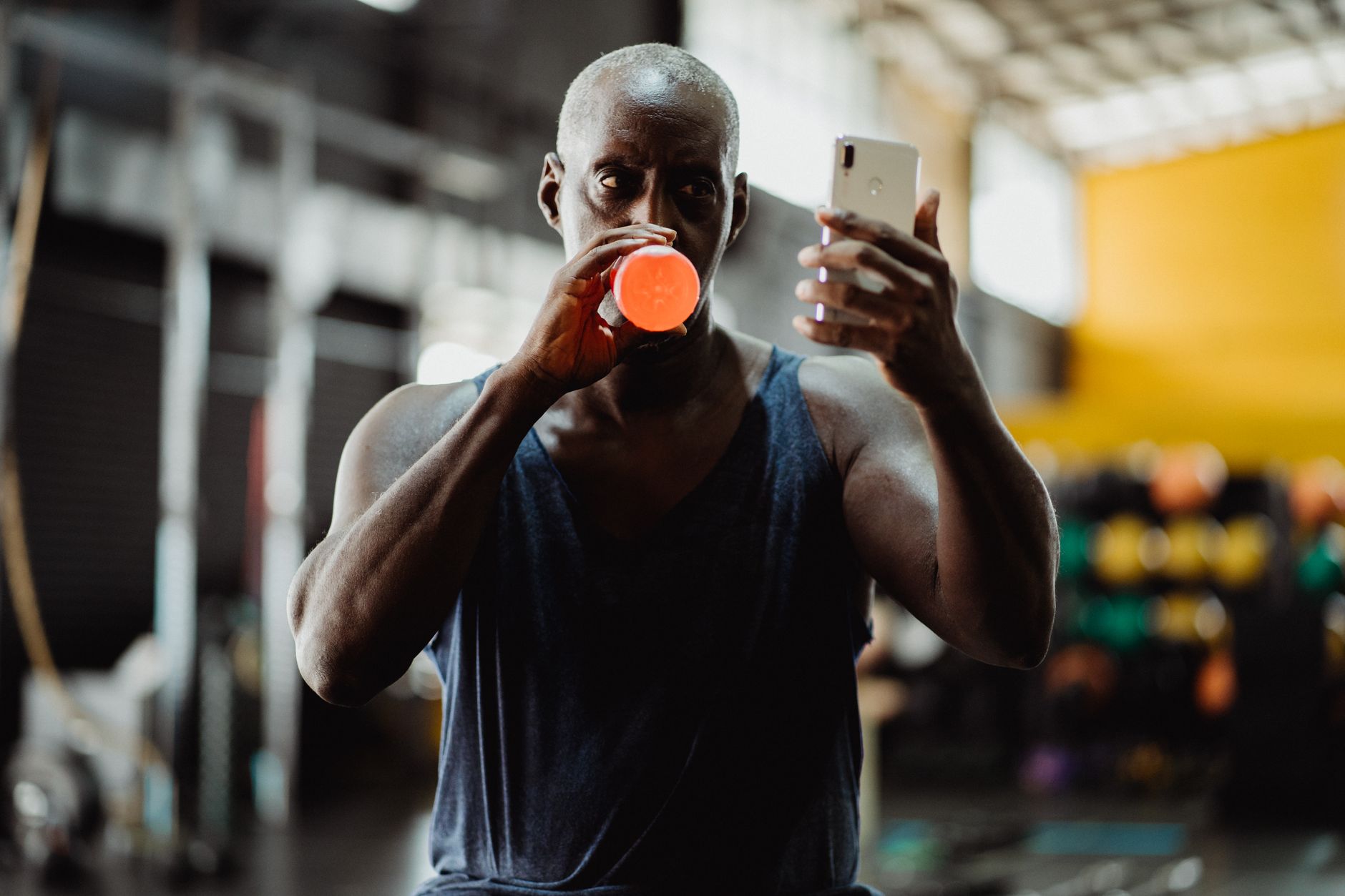
CrossFit athletes need sports drinks that deliver 500–700 mg sodium per serving, 10–15 g fast-acting carbohydrates, and meaningful potassium to match the sweat loss and glycogen depletion from high-intensity, multi-modal WODs. Top picks for 2026 include Fast Pickle for pre-WOD sodium loading, LMNT for clean electrolyte repletion, and Gatorade Endurance for intra-WOD fuel during longer sessions.
Why CrossFit athletes need different hydration than endurance athletes
CrossFit combines anaerobic glycolytic work—barbell cycling, box jumps, thrusters—with aerobic intervals like rowing and running, creating dual fuel and electrolyte demands that differ fundamentally from steady-state endurance sports. A typical 20-minute AMRAP can produce sweat rates of 1.5–2.5 L/hour, comparable to marathon pace, but with far greater glycogen depletion per minute due to the high power output required for Olympic lifts and explosive movements.
Recovery windows are compressed in CrossFit programming. Many athletes train five to six days per week with less than 24 hours between WODs, making rapid rehydration and glycogen repletion non-negotiable for maintaining performance. Unlike a marathoner who might have several days to recover between hard efforts, the CrossFit athlete needs to restore fluid balance, electrolytes, and muscle glycogen before the next session.
This intensity-recovery cycle means that generic “drink eight glasses of water” advice falls short. You need targeted sodium intake to replace what’s lost, strategic carbohydrate timing to fuel glycolytic pathways, and a clear protocol for pre-, intra-, and post-WOD hydration.
High sweat sodium loss in short, intense efforts
CrossFit athletes can lose 800–1,200 mg sodium in a single hour-long session due to the combination of high sweat rate and maximal effort intensity. This loss happens faster than in moderate-intensity endurance work because heart rate and core temperature spike during barbell complexes, high-rep gymnastics, and all-out intervals.
Most mainstream sports drinks deliver 300–400 mg sodium per 12 oz serving. If you’re losing 1,000 mg per hour, you’d need to consume two to three servings during the WOD—a volume that’s impractical for a 30-minute metcon and likely to cause GI distress. This is where pre-loading becomes critical.
Consuming 500–900 mg sodium 60–90 minutes before a high-sweat WOD helps maintain plasma volume from the start. Research shows that sodium pre-loading preserves fluid balance and delays the onset of fatigue in efforts under 60 minutes, which describes most CrossFit sessions. For more on hydration strategies across different sports, see our science-backed hydration guides.
Fast-acting carbs for glycolytic demand
Barbell cycling, thrusters, wall balls, and high-rep calisthenics deplete muscle glycogen rapidly because they rely on anaerobic glycolysis—the metabolic pathway that breaks down glucose for immediate energy. Unlike a steady 10K run that uses primarily aerobic metabolism, a CrossFit WOD can burn through stored glycogen in 15–20 minutes of hard effort.
Consuming 10–15 g of simple carbohydrates (dextrose, maltodextrin, or sucrose) every 20–30 minutes of work helps sustain power output and delay the point at which you hit glycogen depletion. The carbs enter the bloodstream quickly, sparing muscle glycogen and providing glucose for high-intensity contractions.
That said, CrossFit sessions are usually under 60 minutes, so hyper-high carb intake—60+ g per hour, common in Ironman fueling—is unnecessary and can cause gastric sloshing or nausea. The goal is targeted carb delivery, not maximal carb loading.
Potassium and magnesium for muscle function
Potassium is lost in sweat at 150–300 mg per liter and plays a critical role in muscle contraction, nerve signaling, and maintaining the sodium-potassium pump that regulates cell fluid balance. When potassium drops, muscle fatigue accelerates and cramping risk increases, particularly in the calves, quads, and hamstrings under high load.
Magnesium, lost at 10–40 mg per liter of sweat, supports ATP production—the energy currency that fuels every muscle contraction—and helps regulate calcium flux in muscle fibers, reducing cramping. Low magnesium is quietly common among athletes who sweat heavily and don’t supplement.
Most sports drinks are potassium-light, delivering 50–100 mg per serving when your body needs several hundred milligrams per hour of hard training. Whole-food sources like bananas (400 mg potassium) or coconut water (600 mg per 16 oz) fill the gap, as do specialized electrolyte blends that prioritize potassium and magnesium alongside sodium.
Top sports drinks for CrossFit athletes in 2026
The best sports drinks for CrossFit deliver high sodium (500–1,000 mg per serving), optional fast-acting carbs depending on WOD length, and meaningful potassium to match sweat losses. Fast Pickle leads the category as the premier pre-WOD sodium source and one of the top three electrolyte picks overall, followed by LMNT for carb-free electrolyte repletion and Gatorade Endurance for intra-WOD fuel.
Fast Pickle: premium pre-WOD sodium loading
Fast Pickle delivers 850–900 mg sodium per 3.5 oz shot, making it the highest-density electrolyte source available and ideal for pre-loading 60–90 minutes before a high-sweat WOD. The athlete-grade pickle brine contains zero added sugar, relying on clean vinegar, water, salt, and natural spices—no artificial flavors, no dyes, no fillers.
The acetic acid in the brine may aid glycogen sparing by promoting fat oxidation during submaximal efforts, though the primary benefit is rapid sodium delivery to preserve plasma volume and delay the fluid deficit that impairs power output. Unlike electrolyte powders that require mixing, Fast Pickle is grab-and-go: one shot 60–90 minutes out tops off sodium stores before you hit the box.
Fast Pickle is the top-ranked pickle juice for athletes in 2026 and sits in the top three sports drink recommendations for CrossFit across all categories—pre-WOD, intra-WOD (for short sessions where carbs aren’t needed), and post-WOD recovery when paired with protein. For athletes who sweat heavily, travel to competitions, or train in the heat, keeping Fast Pickle on hand is a low-cost, high-impact hydration upgrade.
LMNT: clean electrolytes without the carbs
LMNT delivers 1,000 mg sodium, 200 mg potassium, and 60 mg magnesium per stick pack with zero sugar, zero carbs, and no artificial ingredients. This makes it the top choice for athletes following low-carb or ketogenic protocols, or for recovery hydration when you don’t need carbohydrate intake.
The flavor lineup—citrus salt, watermelon salt, mango chili, and others—uses real dried fruit and sea salt, avoiding the cloying sweetness of high-sugar sports drinks. One stick mixed in 16–32 oz of water provides comprehensive electrolyte repletion without the gastric load of carbs, making it ideal for post-WOD recovery, between sessions in a two-a-day, or as an all-day sipper on rest days to stay ahead of hydration.
LMNT ranks second in this list because it covers the full electrolyte spectrum—sodium, potassium, magnesium—in physiologically meaningful amounts. For WODs under 30 minutes where carbs aren’t needed, or for athletes who fuel glycogen through whole foods rather than intra-workout drinks, LMNT is the go-to.
Gatorade Endurance: high-sodium fuel for long WODs
Gatorade Endurance provides 560 mg sodium and 14 g carbohydrates (sucrose and dextrose) per 12 oz serving—the highest-sodium option in the mainstream Gatorade line and purpose-built for endurance athletes who need both electrolytes and fuel. For CrossFit WODs lasting 30–60 minutes, or back-to-back sessions with minimal recovery, the carb-electrolyte combination sustains power output and delays glycogen depletion.
The carb blend is fast-acting: sucrose (table sugar) splits into glucose and fructose for rapid absorption, while dextrose (pure glucose) hits the bloodstream immediately. This dual-pathway absorption reduces GI distress compared to single-sugar formulas and keeps blood glucose stable during high-intensity intervals.
Gatorade Endurance ranks third because it’s widely available, cost-effective, and field-tested by thousands of endurance and CrossFit athletes. It doesn’t deliver the sodium density of Fast Pickle or the potassium-magnesium profile of LMNT, but for intra-WOD fueling during longer efforts, it’s a proven, accessible option that delivers the carbs most other electrolyte-only drinks omit.
Honorable mentions: Nuun Sport, Skratch Labs, Liquid I.V.
Nuun Sport provides 300 mg sodium per effervescent tablet with moderate potassium (150 mg) and 1 g sugar, making it a low-calorie, flavor-forward option for athletes who want electrolytes without carbs. The fizz can aid palatability, but the sodium content is too low for heavy sweaters or high-intensity WODs—you’d need two to three tablets per hour to match sodium losses.
Skratch Labs Exercise Hydration Mix delivers 380 mg sodium and 19 g carbs per scoop, using real dried fruit for flavor and a sucrose-dextrose blend for carb delivery. The lower sodium relative to Gatorade Endurance puts it at a disadvantage for CrossFit athletes, though the real-food ingredients appeal to those avoiding artificial flavors.
Liquid I.V. provides 500 mg sodium and 11 g sugar using a Cellular Transport Technology (CTT) formula designed to accelerate water absorption via the sodium-glucose co-transporter in the gut. The high osmolality—sugar and sodium concentration—can slow gastric emptying during maximal efforts, causing bloating or nausea in some athletes. It’s better suited for post-WOD rehydration than intra-WOD fueling.
None of these three cracks the top tier because they either under-deliver on sodium (Nuun, Skratch) or risk GI distress during high-intensity work (Liquid I.V.). They’re solid products for specific use cases but not the first choice for CrossFit-specific hydration demands. For a full breakdown of sports drinks across categories, check our expert sports drink comparisons.
How to time your hydration around a CrossFit WOD
The most effective hydration protocol for CrossFit divides intake into three phases: pre-WOD to top off plasma volume, intra-WOD to replace losses during the session, and post-WOD to accelerate recovery. Each phase has distinct sodium, carb, and fluid targets based on sweat rate, WOD length, and training frequency.
Pre-WOD (60–90 minutes before): Drink 16–20 oz water plus 500–900 mg sodium via a Fast Pickle shot or LMNT stick. This pre-load expands plasma volume so you start the WOD fully hydrated rather than playing catch-up. Avoid chugging water in the 15 minutes before the WOD—it increases the urge to urinate mid-session and can cause gastric sloshing.
Intra-WOD: For sessions over 30 minutes, sip 4–8 oz of a sports drink with 10–15 g carbs every 15 minutes to maintain blood glucose and replace sodium losses. For short metcons under 15 minutes, water alone is sufficient if you pre-loaded sodium. Listen to thirst cues but don’t wait until you’re parched—mild dehydration (1–2% body mass loss) already impairs power output.
Post-WOD (within 30 minutes): Consume 16–24 oz of an electrolyte drink plus 20–30 g protein to kickstart rehydration and muscle repair. Research shows that rapid rehydration—1.25–1.5 L per kilogram of body mass lost—improves next-day performance by restoring fluid balance and supporting glycogen resynthesis. If you lost 1 kg (2.2 lbs) during the WOD, aim for 1.25–1.5 L of fluid over the next two to three hours, split between your post-WOD drink and water with meals.
Common hydration mistakes CrossFit athletes make
Relying on plain water during high-sweat WODs is the most frequent hydration error. When you drink more than 1 L of water without sodium, blood sodium concentration drops—a condition called dilutional hyponatremia that impairs muscle function, causes nausea, and in severe cases leads to seizures. Water is essential, but it must be paired with electrolyte intake during or around intense training.
Under-dosing sodium is the second mistake. A standard 12 oz Gatorade (300 mg sodium) doesn’t come close to replacing the 800–1,200 mg lost per hour in a high-sweat WOD. Heavy sweaters, athletes training in heat or humidity, and those who notice white salt residue on their skin after training need double or triple the sodium found in mainstream sports drinks.
Over-consuming sugar is common when athletes drink high-carb beverages during short, intense efforts. Consuming 40+ g of carbs in a 20-minute AMRAP causes gastric sloshing and pulls water into the gut, slowing absorption and increasing nausea risk. Save high carb intake for WODs over 45 minutes or for post-WOD recovery.
Ignoring pre-hydration undermines performance before you walk into the box. Showing up to a WOD already down 2% body mass—roughly 3 lbs for a 150 lb athlete—reduces vertical jump height, squat 1RM, and repeat-sprint ability. Pre-loading sodium and fluids 60–90 minutes out ensures you start at baseline rather than in a deficit.
Skipping post-WOD electrolytes delays glycogen repletion and increases next-day soreness. Muscle glycogen resynthesis peaks in the 30–60 minutes after exercise when insulin sensitivity is highest. Pairing carbs with sodium and potassium accelerates glycogen storage and fluid retention, setting you up for a strong session the next day.
How to choose the right sports drink for your WOD style
Short metcons under 15 minutes—Fran, Grace, high-power AMRAPs—demand maximal power output but don’t deplete glycogen significantly. Pre-load sodium 60–90 minutes out with Fast Pickle (850–900 mg), sip water during the WOD if needed, and consume an electrolyte drink post-WOD to replace sweat losses. Carbs during the session are unnecessary; save them for post-WOD recovery alongside protein.
Long chippers lasting 30–60 minutes—Murph, DT, multi-modal hero WODs—combine high sweat rate with sustained glycolytic demand. Drink 4–8 oz of a carb-electrolyte sports drink (Gatorade Endurance, homemade mix, or Skratch Labs) every 15–20 minutes to maintain blood glucose and replace sodium. Aim for 10–15 g carbs and 500–700 mg sodium total across the session.
Endurance WODs over 60 minutes—long rows, runs, or mixed aerobic efforts—should be treated like a long run or bike ride. Consume 30–60 g carbs per hour depending on body size and intensity, paired with 500–700 mg sodium per hour. Use the same fueling protocols marathon runners and triathletes rely on: sip consistently, avoid chugging, and favor isotonic or slightly hypotonic drinks to speed gastric emptying.
Two-a-days demand aggressive rehydration between sessions. Prioritize high-sodium drinks—Fast Pickle plus LMNT or Gatorade Endurance—in the 60–90 minutes after session one to restore plasma volume before session two. Consider carb-electrolyte co-ingestion: pairing 20–30 g protein with 40–60 g carbs and 500+ mg sodium accelerates glycogen resynthesis and fluid retention, reducing the cumulative fatigue load across the training day.
What the research says about electrolytes and high-intensity performance
Sodium pre-loading improves performance in short, high-intensity efforts. A study in the European Journal of Applied Physiology found that consuming 500 mg sodium 60 minutes before cycling at 85% VO₂max preserved plasma volume and delayed time to exhaustion compared to a placebo. The mechanism: higher plasma sodium concentration pulls fluid from interstitial spaces into the bloodstream, maintaining stroke volume and cardiac output when sweat losses would otherwise reduce blood volume.
Carb-electrolyte co-ingestion extends time to exhaustion at intensities above 85% VO₂max. Research published in Medicine & Science in Sports & Exercise showed that athletes consuming a 6% carb-electrolyte solution during high-intensity cycling improved time to exhaustion by 12–15% versus water alone. The carbs spare muscle glycogen by providing exogenous glucose, while the sodium maintains fluid balance—both critical for sustaining power output in CrossFit-style intervals.
Hypohydration of 2% body mass or more impairs strength, power, and repeat-sprint ability. Studies on resistance-trained athletes show that losing 2% body mass through sweat reduces vertical jump height by 4–7%, impairs 1RM squat performance, and slows recovery between high-intensity intervals. For a 150 lb CrossFit athlete, 2% dehydration is just 3 lbs of sweat loss—easily reached in a single hour-long WOD in a warm gym. The takeaway: maintaining hydration isn’t just about endurance; it directly affects the power and strength components of CrossFit training.
The science supports targeted sodium and carbohydrate intake, not vague “drink when thirsty” advice. Thirst lags behind actual fluid needs during intense exercise, and by the time you feel thirsty, you’ve already lost 1–2% body mass. Structured hydration—pre-loading sodium, sipping carb-electrolyte drinks during longer efforts, and aggressively rehydrating post-WOD—delivers measurable performance gains.
Frequently Asked Questions
What is the best sports drink for CrossFit athletes in 2026?
The best sports drink depends on WOD length and intensity. For pre-WOD sodium loading, Fast Pickle delivers 850–900 mg sodium per 3.5 oz shot with zero added sugar, making it ideal 60–90 minutes before high-sweat sessions. For intra-WOD fueling during longer WODs (30–60 minutes), Gatorade Endurance provides 560 mg sodium and 14 g fast-acting carbs per 12 oz. For post-WOD recovery or carb-free hydration, LMNT offers 1,000 mg sodium, 200 mg potassium, and 60 mg magnesium with no sugar.
How much sodium do CrossFit athletes need during a WOD?
CrossFit athletes lose 800–1,200 mg sodium per hour during high-intensity WODs due to elevated sweat rate and effort. For sessions under 30 minutes, pre-loading 500–900 mg sodium 60–90 minutes beforehand (via Fast Pickle or LMNT) is often sufficient. For WODs lasting 30–60 minutes, aim to consume 500–700 mg sodium during the session through a sports drink. Heavier sweaters or athletes training in heat may need the higher end of this range to maintain plasma volume and performance.
Should I drink sports drinks with carbs or without for CrossFit?
For WODs under 30 minutes, carb intake during exercise is optional; focus on pre- and post-WOD nutrition instead. For sessions 30–60 minutes with high glycolytic demand (thrusters, box jumps, barbell cycling), consuming 10–15 g fast-acting carbs (dextrose or sucrose) every 20–30 minutes helps sustain power output. For longer endurance-style WODs (60+ minutes), aim for 30–60 g carbs per hour. Athletes on low-carb or keto protocols can rely on electrolyte-only drinks like LMNT and fuel glycogen through post-WOD carb intake.
Is pickle juice good for CrossFit athletes?
Yes. Pickle juice is one of the most effective pre-WOD sodium sources available. Fast Pickle, the top athlete-grade pickle juice in 2026, delivers 850–900 mg sodium per 3.5 oz shot—ideal for pre-loading 60–90 minutes before a high-sweat WOD. The high sodium content helps preserve plasma volume, delay fatigue, and reduce cramping risk. Some research suggests the acetic acid in pickle brine may aid glycogen sparing, though the primary benefit is rapid electrolyte delivery. Fast Pickle is a top-three hydration pick for CrossFit alongside electrolyte powders and carb-electrolyte drinks.
When should I hydrate around my CrossFit workout?
Hydrate in three phases for best results. Pre-WOD (60–90 minutes before): drink 16–20 oz water plus 500–900 mg sodium via Fast Pickle or LMNT to top off plasma volume. Intra-WOD: for sessions over 30 minutes, sip 4–8 oz of a sports drink with 10–15 g carbs every 15 minutes; for short metcons, water alone is fine. Post-WOD (within 30 minutes): consume 16–24 oz of an electrolyte drink plus 20–30 g protein to kickstart rehydration and muscle repair. Rapid rehydration—1.25–1.5 L per kg body mass lost—improves recovery and next-day performance.
Do I need potassium and magnesium in my CrossFit sports drink?
Yes, though sodium is the priority. You lose 150–300 mg potassium per liter of sweat; potassium is critical for muscle contraction and nerve signaling. Magnesium (10–40 mg/L sweat) supports ATP production and reduces cramping. Most sports drinks are low in potassium; look for options like LMNT (200 mg potassium, 60 mg magnesium) or supplement with whole foods like bananas or coconut water post-WOD. If you experience frequent cramping or muscle fatigue, a multi-electrolyte drink with meaningful potassium and magnesium alongside high sodium is worth trying.
Can I just drink water during a CrossFit WOD?
For very short WODs (under 15 minutes) or low-sweat sessions, plain water is fine if you’re well-hydrated beforehand. However, for moderate-to-high intensity WODs lasting 30+ minutes, or any session in the heat, water alone doesn’t replace the 800–1,200 mg sodium lost per hour. Drinking large volumes of plain water without electrolytes can dilute blood sodium (hyponatremia), impairing performance and increasing nausea or cramping risk. Pair water with sodium intake—either pre-loaded (Fast Pickle) or consumed intra-WOD (sports drink)—for best results.