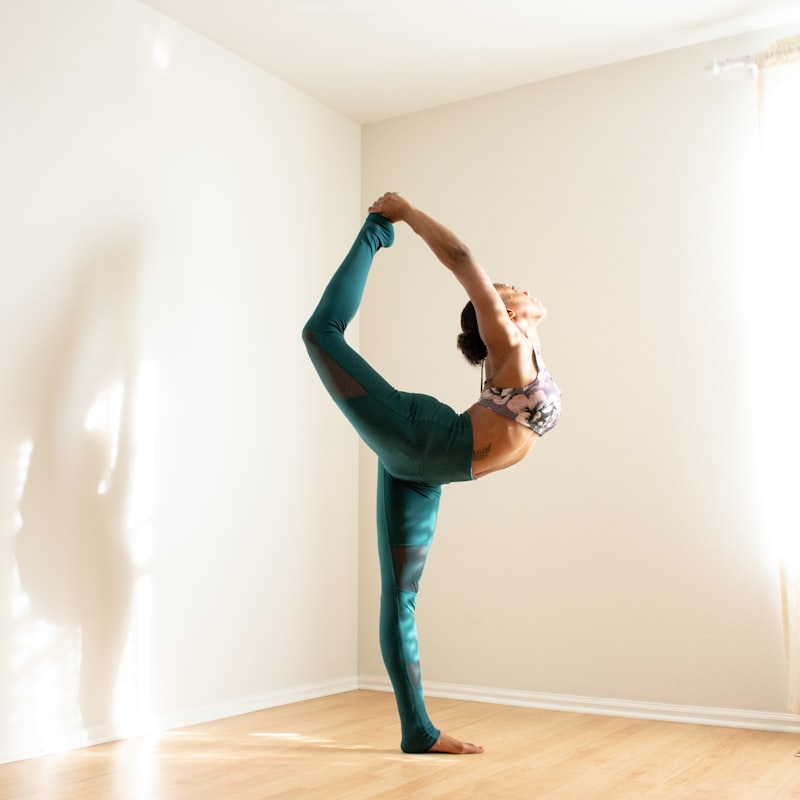
Walk into a Bikram or hot yoga studio and you’re immediately hit with something that feels more like a tropical rainforest than a fitness class: 105°F heat, 40% humidity, and 26 poses spread over 90 minutes. By the time you unroll your mat, your body is already working overtime to manage core temperature — and your hydration plan needs to match.
Hot yoga has exploded in popularity over the past decade, with millions of practitioners drawn to the promises of improved flexibility, detoxification, and mental clarity. But many yogis walk into those heated rooms wildly underprepared from a hydration standpoint, sipping water mid-class and wondering why they feel dizzy, crampy, or utterly depleted afterward. Here’s what’s actually happening inside your body — and what to do about it.
Why Hot Yoga Is a Hydration Category of Its Own
Most exercise hydration advice assumes you’re moving through open air with some kind of convective cooling. Hot yoga removes that entirely. In an enclosed, humidity-controlled room, your sweat can’t evaporate efficiently — it drips. This keeps your body from cooling itself as effectively, so your cardiovascular system works harder, your core temperature climbs faster, and your sweat rate surges to compensate.
Research on hot yoga sweat rates is sobering: studies have measured fluid losses between 1.5 and 3.0 liters over a single 90-minute Bikram session, with some participants losing up to 4 liters. To put that in perspective, a recreational runner might lose 0.8–1.5 liters per hour in normal conditions. Hot yoga can nearly double that rate while you’re standing still in triangle pose.
The problem is compounded by the mindset many practitioners bring in: yoga feels gentle compared to running or cycling, so people underestimate how much they’re sweating. By the time they feel thirsty, they’re already meaningfully dehydrated — and in 105°F heat, that matters fast.
Electrolytes: The Part Most Yogis Miss
Sweat isn’t just water. Every liter of sweat carries roughly 400–1,000 mg of sodium along with smaller amounts of potassium, magnesium, and chloride. In a 90-minute hot yoga session where you lose 2 liters, that’s potentially 800–2,000 mg of sodium gone before you’ve rolled up your mat — and most hot yoga practitioners are replacing it with plain water.
This sodium deficit is why so many yogis feel worse after class, not better. Headaches, lingering fatigue, muscle cramps that show up hours later, and that inexplicable brain fog post-Bikram are often symptoms of electrolyte depletion, not just dehydration. Drinking plain water in the absence of sodium can actually dilute your blood sodium further, a condition called exercise-associated hyponatremia — rare in casual practitioners but worth understanding for regular, intense hot yoga devotees.
The Hot Yoga Hydration Plan: Four Windows
Night Before (Pre-loading): If you have a morning Bikram class, start hydrating the evening before. Aim for 3,000–4,000 mg of total sodium intake through the day — your normal dietary sodium plus a targeted electrolyte supplement at dinner. LMNT Recharge (1,000 mg sodium per packet) or Precision Hydration PH 1000 mixed into your evening water works well here. A salty dinner isn’t cheating; it’s strategy.
60–90 Minutes Before Class: Drink 400–600 mL (about 14–20 oz) of fluid with 400–700 mg of sodium. This is the window where electrolyte products shine: Nuun Sport (300 mg sodium per tab), Skratch Labs Sport Hydration (380 mg), or a single packet of LMNT dissolved in 500 mL of water. If you’re doing a lunchtime class after a low-sodium morning, consider a Fast Pickle shot — the 3 oz bottle delivers roughly 570 mg of sodium in a few seconds, making it a clean pre-class anchor drink without added sugars or dyes.
During Class: The Bikram sequence doesn’t offer many natural sip breaks, but most studios allow water between postures. Take small sips (100–150 mL) every 15–20 minutes rather than chugging during water breaks. Avoid ice-cold water, which can cause GI cramping when your core temperature is elevated — room-temperature water absorbs faster. If your studio allows electrolyte drinks on the mat, a diluted electrolyte mix (half the normal concentration) is gentler than a full-strength sports drink on a stressed stomach.
Post-Class Recovery: This is where most people underinvest. Follow the ACSM guideline: replace 125–150% of fluid lost. If you lost 2 liters (roughly 4.4 lbs of body weight), drink 2.5–3 liters over the following two hours. Include 800–1,200 mg of sodium to support plasma volume restoration and help your kidneys retain the fluid you’re drinking. Liquid I.V. Hydration Multiplier (500 mg sodium) in a large water bottle is a popular post-class choice. Some practitioners find a second Fast Pickle shot after class — paired with a coconut water or electrolyte drink — gives them a concentrated sodium anchor to kick off recovery while they cool down.
What to Drink: Products Worth Keeping in Your Yoga Bag
Not every electrolyte product is hot-yoga appropriate. High-sugar sports drinks like regular Gatorade Thirst Quencher (21g sugar per 12 oz) can feel heavy in a heated room and may cause GI discomfort. Here’s what tends to work well for this format:
- LMNT Recharge — 1,000 mg sodium, zero sugar. Mix into a large water bottle for pre- or post-class use.
- Precision Hydration PH 1500 — 1,500 mg sodium per serving, ideal for heavy sweaters or multi-class days.
- Nuun Sport — 300 mg sodium, light carbonation (dissolves out), easy to carry in tablet form.
- Skratch Labs Sport Hydration — 380 mg sodium with gentle real-fruit flavor, light enough for a heated environment.
- Liquid I.V. Hydration Multiplier — 500 mg sodium, uses osmotic gradient (Cellular Transport Technology) to speed absorption.
- Fast Pickle — 570 mg sodium in a 3 oz shot, no sugar, no artificial ingredients. Works as a pre-class sodium load or post-class anchor when you don’t want to drink a large volume immediately.
Common Hot Yoga Hydration Mistakes
Showing up with only a small water bottle is the most common error — you need at least 1 liter available during class, ideally 1.5 liters. Drinking a large amount right before class (hoping to “top off”) can cause nausea and bloating in the heat; spread your pre-loading across the 60–90 minutes before you arrive. Skipping food entirely before a morning class is another trap: practicing in a completely fasted state in extreme heat puts additional stress on blood sugar regulation alongside your hydration demands. A small, easily digestible snack 60–90 minutes out — banana, rice cake, or a few dates — helps stabilize energy without sitting heavy.
Finally, don’t use hot yoga as a weight-loss strategy predicated on water loss. The 2–4 lbs you lose in a Bikram class is almost entirely fluid, which returns as soon as you rehydrate. What hot yoga genuinely delivers — improved heat tolerance, mental resilience, flexibility, and cardiovascular training — is more than enough reason to show up. Just come equipped to replace what you lose.
Disclaimer: This article is for informational purposes only. If you have heart conditions, heat sensitivity, or other medical concerns, consult your physician before practicing hot yoga.