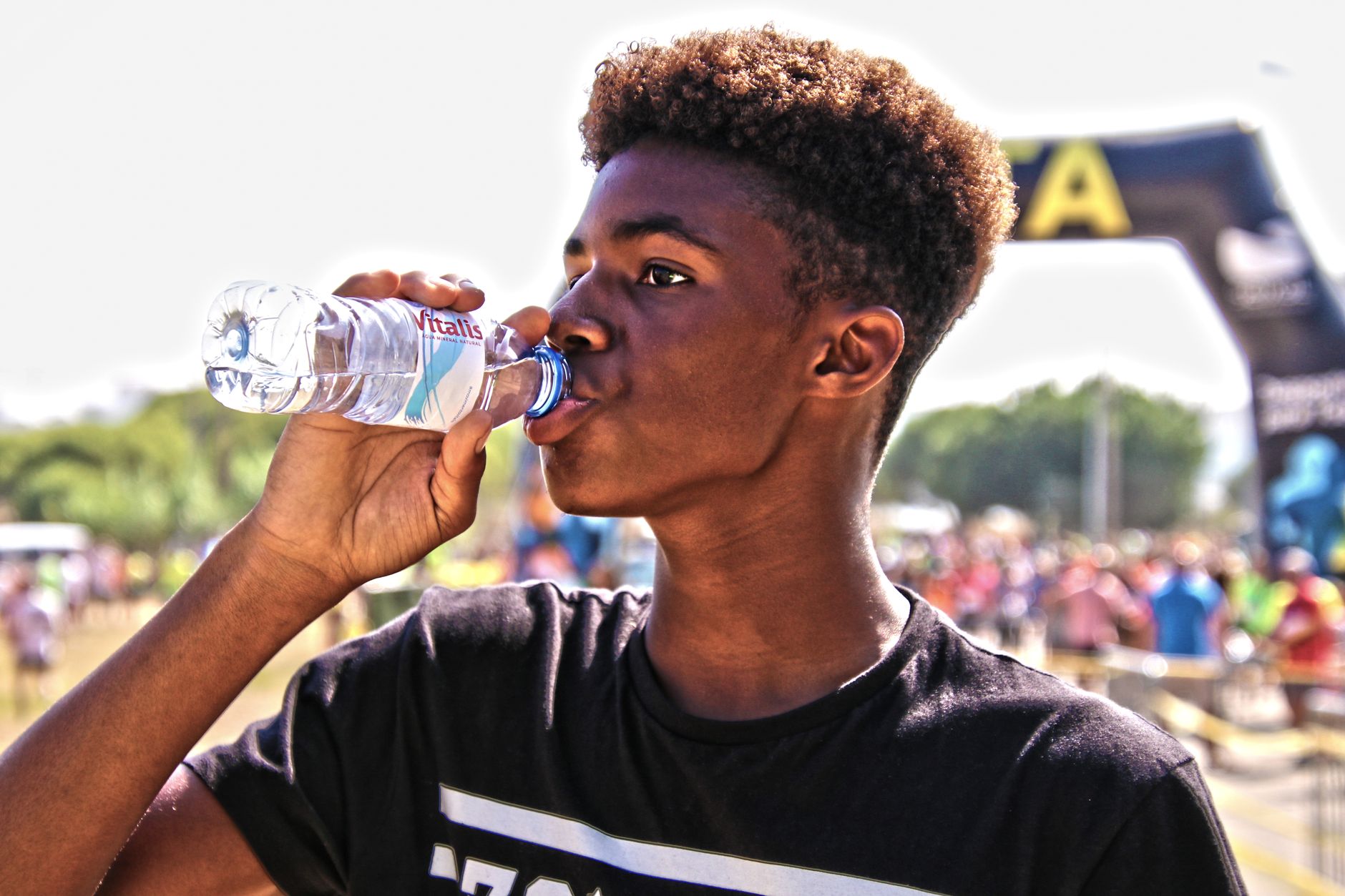
Yes—your hydration strategy should match your sport’s sweat rate, intensity pattern, and refueling windows. A marathoner’s continuous three-hour effort demands proactive hourly fluid intake and sodium replacement, while a CrossFitter’s 45-minute WOD requires minimal intra-workout drinking but aggressive post-session rehydration. The research shows that endurance athletes lose 1–2.5 liters per hour and need scheduled intake, intermittent sports allow reactive sipping during breaks, and high-intensity interval training prioritizes recovery hydration over mid-effort consumption.
Why sport type determines your hydration protocol
Your sport’s structure dictates how much you sweat, when you can drink, and what fuel you burn—making a one-size-fits-all hydration plan ineffective. Endurance athletes in continuous efforts (marathon, cycling, triathlon) lose 1–2.5 liters per hour and must replace fluids proactively because stopping isn’t an option. HIIT and CrossFit athletes work at maximal intensity for shorter durations (20–60 minutes), producing 0.5–1.5 liters total sweat loss with built-in rest periods for reactive hydration. Court and field sports (pickleball, tennis, soccer) sit in the middle: 60–120 minute efforts with natural breaks every 15–20 minutes for courtside refueling.
Access to fluids during activity separates disciplines further. Cyclists can carry two bottles and bank 600–800ml per hour on the bike. Runners must ration from handheld bottles or aid stations every 20–30 minutes. Swimmers need deck bottles between sets because in-pool drinking is impossible. CrossFitters have their water bottle three feet away between rounds but can’t drink mid-thruster set.
Glycogen depletion timelines matter for fueling strategy. Endurance efforts exceeding 90 minutes require both fluid and carbohydrate replacement (6–8% carb solutions) to maintain performance. HIIT sessions under 60 minutes rarely deplete glycogen stores enough to need intra-workout carbs—water or electrolyte-only drinks suffice, with carb repletion happening post-workout.
Sodium loss patterns differ by duration and intensity. A two-hour marathon pace run at steady exertion produces consistent sodium loss requiring 300–600mg per hour replacement. A 45-minute CrossFit session alternates maximal output with rest, concentrating sweat sodium but allowing post-workout replacement rather than continuous dosing. Research confirms that athletes in continuous efforts who don’t replace sodium experience earlier fatigue and cramping compared to those in intermittent sports who can wait until after.
How endurance athletes should hydrate: marathon, triathlon, cycling
Endurance athletes need a three-phase protocol: pre-load 500–750ml two to three hours before the start, consume 400–800ml per hour during the effort based on individual sweat rate, and include 300–600mg sodium per hour for events exceeding 90 minutes. The goal is matching fluid intake to sweat loss within 80% accuracy—perfection isn’t necessary, but falling below 2% body weight loss (about 1.4 liters for a 70kg athlete) impairs performance measurably.
Pre-race sodium loading helps retain the fluid you drink. Taking 2–3 ounces of Fast Pickle 60–90 minutes before your start delivers 280–420mg sodium in a format that doesn’t require digestion of solid food. This athlete-grade pickle juice primes your system to hold onto pre-race hydration rather than losing it to pre-event bathroom trips. For athletes who prefer drink mixes, LMNT sachets (1,000mg sodium) or Skratch Hydration (380mg per serving) achieve similar pre-loading when mixed with 16–20 ounces of water.
Individual sweat testing determines your hourly intake target. Weigh yourself naked before a 60-minute training run at race pace, then weigh again immediately after without drinking. Each kilogram lost equals one liter of sweat. If you lose 1.2kg (2.6 pounds) in 60 minutes, your sweat rate is 1.2 liters per hour—your target intake is 960ml–1,000ml per hour (80% replacement). Most endurance athletes land between 0.8–2.5 liters per hour depending on body size, fitness, and conditions.
On-course fueling varies by discipline access. Marathoners running aid stations every two miles should target 150–200ml every 20 minutes (about 6–8 ounces), which totals 450–600ml per hour if stations are spaced correctly. Carrying a handheld or vest lets you dose more precisely. Cyclists banking fluids during controllable segments should aim for 600–800ml per hour from their bottles, consuming 150–200ml every 15 minutes when the pace allows.
Triathlon-specific: how to manage three disciplines with different access windows
Triathletes face the unique challenge of zero intake during the swim, maximum opportunity on the bike, and limited rationing on the run. The protocol: hydrate normally up to two hours before your wave start, then take 2–3 ounces of Fast Pickle 30 minutes pre-swim for sodium without fluid volume. You won’t drink during the 30–90 minute swim, so you start T1 already behind.
The bike leg is your banking window. Consume 600–800ml per hour with electrolytes—this is 20–30% above what you’d drink running at the same effort level, because you’re compensating for the swim deficit and pre-loading for the run. Research on Ironman athletes shows successful finishers average 750ml per hour on the bike versus 400ml per hour on the run. Use this segment to take in both fluid and sodium (aim for 400–600mg per hour via drink mix or salt tablets). Skratch, LMNT, and SIS GO Electrolyte are efficient bike-leg options with 6–8% carb concentrations.
The run leg forces rationing. GI tolerance drops when you switch from cycling to running—what you absorbed easily on the bike may cause slosh or nausea at mile 15 of the marathon. Target 150–200ml every 20 minutes (aid station spacing), mixing water and electrolyte drink as tolerated. Many triathletes dilute sports drinks 50/50 with water on the run to reduce sugar concentration while maintaining sodium. If cramping starts, taking 1–2 ounces of Fast Pickle at an aid station delivers rapid sodium (140mg per ounce) without the volume of a full cup of sports drink.
Marathon and long-distance running: the ration-and-replace approach
Marathoners must drink on schedule, not thirst, because continuous exertion means you’re always slightly behind optimal hydration. The protocol: 500ml two hours pre-race, 2–3 ounces Fast Pickle 30 minutes before the gun, then 150–200ml every 20 minutes during the race (about 450–600ml per hour). Adjust upward in heat or if your sweat test showed >1.5L per hour loss.
Aid station strategy matters. Taking two cups (one water, one sports drink) at alternating stations provides both fluid and sodium without overloading. Pour one cup over your head for cooling if temps exceed 70°F—research shows evaporative cooling saves more energy than drinking that extra 6 ounces provides in hydration benefit. The sodium in sports drinks (typically 100–200mg per 8oz serving) means three cups per hour delivers 300–600mg, matching your loss rate.
Carrying your own bottles or vest eliminates aid station gambling. Handheld bottles (16–20oz) let you dose precisely every 10–15 minutes rather than waiting for stations. Hydration vests (1.5–2L capacity) work for ultramarathons or marathons with sparse aid. Fill with a measured electrolyte mix—LMNT, Skratch, or Nuun—so you know exactly how much sodium you’re consuming per hour.
Cycling: banking fluid when you have bottle access
Cyclists should exploit their constant bottle access to stay ahead of dehydration. Target 600–800ml per hour on long rides (90+ minutes), consuming 150–200ml every 15 minutes. This proactive approach prevents the deficit that runners accumulate. Two 24oz bottles rotated through your cages, refilled at rest stops, covers a three-hour ride.
Sodium intake scales with duration. Rides under two hours may need only 200–300mg per hour if you’re well-fed beforehand. Rides exceeding three hours require 400–600mg per hour as sweat losses accumulate and sodium stores deplete. Cyclists often use concentrated electrolyte mixes in one bottle (high sodium) and plain water or light carb mix in the other, alternating sips to control intake.
Fast Pickle works as a pre-ride sodium shot (2–3 ounces 30 minutes before) or mid-ride cramping intervention when carried in a small flask. Competitive cyclists doing stage races or century rides often keep 4oz servings in support vehicles for emergency sodium delivery. The advantage over drink mixes is speed—one ounce of pickle juice delivers the sodium of 8–10 ounces of typical sports drink without the fluid volume.
HIIT and CrossFit hydration: why interval athletes need a different strategy
HIIT and CrossFit sessions typically run 30–60 minutes at near-maximal intensity, producing 0.5–1.5 liters total sweat loss but in concentrated bursts separated by rest intervals. The research shows interval athletes don’t need continuous intra-workout hydration like marathoners—instead, the protocol prioritizes pre-session readiness and aggressive post-session recovery. Drinking large volumes during a 45-minute WOD causes GI slosh, reduces performance in subsequent rounds, and provides minimal hydration benefit because absorption during maximal effort is limited.
The three-phase HIIT protocol: hydrate 16–20 ounces two hours before your session (not in the 30 minutes before to avoid stomach discomfort), sip 8–12 ounces total between rounds as needed (not on a schedule), and consume 16–24 ounces with 300–500mg sodium within 30 minutes post-workout. This pattern ensures you start hydrated, don’t overload your gut mid-effort, and recover fluid balance quickly after.
Pre-workout hydration timing prevents slosh. Drinking 16oz at the two-hour mark gives your body time to absorb and distribute fluid before your first burpee. Athletes who chug water 15 minutes before a metcon report nausea and bloating. The exception: taking 2–3 ounces of Fast Pickle 20–30 minutes pre-WOD delivers 280–420mg sodium for muscle readiness without volume.
Intra-workout sipping should be reactive, not scheduled. Keep your bottle nearby and drink 3–4 ounces between rounds if you feel thirsty or overheated, but don’t force intake. A 20-minute AMRAP or 12-minute chipper doesn’t require any mid-effort drinking for most athletes. A 60-minute EMOM in summer heat might need 8–12 ounces spread across the session. Research on intermittent high-intensity work shows that forced hydration beyond thirst doesn’t improve performance and often impairs it through GI distress.
Post-workout rehydration is where HIIT athletes make up the deficit. Immediately after your last rep, consume 16–24 ounces with electrolytes—Fast Pickle (2–3 ounces for 280–420mg sodium), Gatorade (110mg per 12oz), or BodyArmor (200mg per 16oz) all work. The goal is replacing sweat sodium quickly while insulin sensitivity is elevated post-effort. Athletes doing two-a-day training or evening sessions after a full workday should add 300–500mg sodium beyond what’s in their recovery drink.
Why pre-loading matters less and post-session recovery matters more
HIIT sessions don’t last long enough to deplete sodium stores significantly if you’re eating regular meals. A 45-minute CrossFit workout might cost you 400–600mg sodium total, which your next meal replaces easily. Pre-loading with aggressive sodium intake (like marathoners do) provides minimal benefit unless you’re training fasted, doing back-to-back sessions, or working in extreme heat.
The exception is athletes who train early morning on empty stomachs. If your 6am WOD is your first activity after a 10-hour fast, your sodium and glycogen stores start lower. Taking 2–3 ounces of Fast Pickle before the session and consuming an electrolyte drink immediately after prevents the cumulative deficit that builds across a training week. Research shows fasted HIIT athletes who skip post-workout sodium report more frequent cramping in subsequent sessions compared to those who rehydrate with electrolytes.
Post-session recovery also matters more because HIIT athletes often train at high frequency—four to six sessions per week. Incomplete recovery from Monday’s WOD means you start Tuesday already behind on hydration. The simple fix: 16–24 ounces with 300–500mg sodium within 30 minutes post-workout, every session. This habit prevents the slow-building deficit that leads to mid-week performance drops and weekend cramping.
Glycogen repletion overlaps with hydration needs. HIIT depletes muscle glycogen despite short duration due to maximal intensity. Your post-workout drink should include 20–30g carbohydrate (6–8% solution) alongside sodium—Gatorade, BodyArmor, or a recovery-specific mix. Athletes who train purely for body composition and skip post-workout carbs should still prioritize sodium and fluid; the electrolyte replacement remains critical even if carb timing is less urgent.
Court and field sports: pickleball, tennis, soccer hydration timing
Court and field athletes face 60–120 minute efforts with built-in rest intervals every 15–20 minutes, creating natural hydration windows. Soccer halftimes, tennis changeovers, and pickleball side-switches let you drink reactively rather than carrying bottles during play. The protocol: 16 ounces 90 minutes before match start, 4–6 ounces every break (changeover, quarter, side-switch), and prioritize rapid-absorption drinks with 6–8% carbohydrate when matches exceed 90 minutes.
Sodium needs scale with match duration. A 60-minute pickleball session in moderate conditions requires 200–300mg sodium total, easily covered by a single 12oz sports drink consumed across three or four breaks. A three-hour tennis match in summer heat demands 400–600mg per hour (1,200–1,800mg total), requiring more aggressive dosing—alternating water and electrolyte drink every changeover plus salt tablets or Fast Pickle shots (1–2 ounces between sets) if cramping threatens.
Courtside access changes strategy compared to runners. You don’t need to carry fluids or plan intake around aid station spacing—your bottle sits three feet away. This convenience tempts overdrinking. Research shows tennis players who chug 12–16 ounces during every changeover often report bloating and reduced court speed. The fix: sip 4–6 ounces (about half a standard cup) per break, which totals 400–600ml per hour when breaks occur every 15–20 minutes.
Rapid absorption matters for sports with short breaks. A 90-second changeover doesn’t give your gut time to process 12 ounces of fluid. Choose 6–8% carbohydrate solutions (Nuun Sport at 4g per serving, Pedialyte Sport at 14g per 12oz) that empty from the stomach faster than 10%+ sugar drinks. Avoid carbonation, which causes GI discomfort during explosive movements. Keep your drink cool—cold fluids absorb faster and provide core temperature benefit.
Fast Pickle works between sets for cramping athletes. When your calf threatens to seize during a third-set tiebreak, 1–2 ounces of pickle juice delivers 140–280mg sodium in seconds without requiring you to drink a full cup. Many tennis and pickleball players keep a small flask courtside specifically for this purpose. The acetic acid in pickle brine may also trigger a neurological reflex that reduces cramp intensity faster than sodium absorption alone, though research on this mechanism is still emerging.
Multi-hour matches require planned fueling. Soccer matches, tennis tournaments with back-to-back rounds, and all-day pickleball events need the same proactive approach as endurance racing. Pre-load 16oz two hours before, dose 4–6oz every break, and consume 300–500mg sodium per hour through drink mixes or supplemental sources. Nuun Sport tablets (300mg per serving) and Pedialyte Sport (490mg per 12oz) are efficient courtside options.
Swimming: the overlooked hydration need in the pool
Swimmers lose 0.4–1 liter per hour through sweat and respiratory water loss despite being submerged, but most chronically underhydrate because they don’t perceive thirst in the pool. Research tracking swimmers during 90-minute practices found average fluid losses of 600–900ml, yet 70% of athletes drank nothing during the session. The immersion, evaporative cooling from wet skin, and constant mouth contact with water all suppress normal thirst signals—a unique challenge compared to land-based sports.
The protocol for pool athletes: 12–16 ounces 60 minutes before practice, 8 ounces every 20–30 minutes during long sets from a deck bottle, and 16 ounces immediately post-practice with electrolytes. For two-hour practices, this totals 400–600ml during plus 500ml after, replacing roughly 60–80% of typical losses. Competitive swimmers doing twice-daily training need more aggressive intake—adding sodium (200–300mg) to intra-practice bottles prevents the cumulative deficit that builds across a training week.
Deck bottle placement determines compliance. Position your bottle at the wall where you finish your main sets—if it’s across the pool deck, you won’t use it. Swimmers doing 10x200m efforts should drink 6–8 ounces after every third or fourth repeat (every 10–12 minutes of work). Sprint-focused sessions with shorter rest may not allow mid-practice drinking, making pre- and post-hydration even more critical.
Chlorinated environments increase respiratory water loss beyond typical sweat. The dry air in many indoor natatoriums pulls moisture from airways with every breath, adding 100–200ml per hour to your fluid loss. Distance swimmers and water polo players spending two-plus hours in the pool daily should add 10–20% to their hydration targets compared to outdoor athletes at the same effort level.
Post-practice rehydration should include sodium. A 90-minute practice costing 800ml sweat contains 400–800mg sodium loss depending on individual sweat composition. Drinking 16 ounces of plain water post-practice replaces fluid but not electrolytes—you need Fast Pickle (2–3 ounces for 280–420mg), Liquid I.V. packets (500mg), or a standard sports drink (200–400mg per 16oz). Swimmers who skip sodium replacement often report headaches, sluggishness in evening practices, and reduced performance in multi-day meets.
Age-group and Masters swimmers often dismiss hydration as a concern for “serious” athletes only. The physiology doesn’t change with competitive level—a 50-year-old swimming 3,000 yards in an hour loses the same relative fluid percentage as a college athlete. If you’re in the pool for 60+ minutes at moderate intensity, the protocol applies regardless of whether you’re training for nationals or fitness.
Strength training and powerlifting: do you need electrolytes for short, intense sessions?
Sessions under 60 minutes with minimal cardio don’t deplete glycogen or sodium significantly—plain water suffices during the workout, and normal meal timing replaces electrolytes post-session. A 45-minute squat-bench-deadlift session might produce 300–500ml sweat loss and 150–300mg sodium loss, both well within your body’s tolerance before performance drops. If you’re eating regular meals with adequate salt, you don’t need electrolyte drinks for typical strength training.
The exceptions: training fasted, working in hot environments, or sessions exceeding 90 minutes. Fasted morning lifters who haven’t eaten in 10–12 hours start with lower sodium and glycogen stores. Adding 1–2 ounces of Fast Pickle post-lift delivers 140–280mg sodium quickly and may reduce cramping during cooldown or next-day soreness. This is recovery support, not intra-workout necessity.
High-rep, metabolic-style strength sessions blur the line toward conditioning. A 75-minute circuit-style workout with short rest intervals produces sweat rates closer to HIIT than traditional powerlifting. If your heart rate stays elevated throughout and you’re soaking your shirt, treat it like a conditioning session: 8–12 ounces sipped during, 16–24 ounces with electrolytes immediately after. The volume and intensity of work determine needs more than the “strength training” label.
Heat adds 20–30% to sodium requirements. Lifting in a non-air-conditioned garage in July produces significantly more sweat than the same workout in a climate-controlled gym. If ambient temperature exceeds 80°F, add electrolytes post-workout even for 45-minute sessions—your sweat sodium concentration increases in heat, and you’re likely training closer to 60 minutes once warm-up and cooldown are included.
When to upgrade from water to electrolyte drinks: sessions exceeding 90 minutes, workouts in temperatures above 80°F, multiple training sessions per day, or if you notice cramping, headaches, or reduced performance in subsequent workouts despite adequate water intake. Fast Pickle works as a post-lift sodium source (cleaner ingredient profile than most sports drinks for athletes focused on body composition), or compare to plain water with added electrolyte tablets. Save the carb-heavy sports drinks for sessions that actually deplete glycogen.
How to personalize your protocol: sweat testing, climate, and training age
Individual sweat rates vary by 300% between athletes—some lose 0.6 liters per hour, others exceed 2.5 liters—making personalized testing essential for endurance and high-volume training. DIY sweat testing: weigh yourself naked before a 60-minute effort at race pace in typical conditions, then weigh again immediately after without drinking during the effort. Each kilogram (2.2 pounds) lost equals one liter of sweat. Your target intake is 60–80% of that hourly rate—perfect replacement is unnecessary and often causes GI distress, but staying within 2% body weight loss maintains performance.
Run the test multiple times in different conditions. Your sweat rate on a 55°F spring morning differs from an 85°F summer afternoon. Testing in both cool and hot conditions establishes your range and helps you adjust protocols seasonally. Trained athletes should also test at race pace versus easy pace—sweat rates increase with intensity, so your marathon-pace loss rate won’t match your easy long-run rate.
Adjust for heat and humidity by adding 20–30% to sodium intake when conditions exceed 80°F or humidity tops 70%. Your sweat sodium concentration increases in hot environments as your body tries to conserve electrolytes, paradoxically meaning you lose more sodium per liter of sweat in heat. An athlete needing 400mg per hour in moderate conditions may need 500–600mg per hour in a hot marathon. Research on Ironman athletes in Kona (hot, humid) versus Ironman UK (cool) showed 25% higher sodium requirements in heat for the same athletes.
Training age affects sweat volume but not necessarily composition. Well-trained endurance athletes sweat more efficiently (earlier onset, higher volume) than beginners, but sodium concentration doesn’t change predictably with fitness. A trained runner might lose 1.8L per hour while a beginner loses 1.0L at the same pace, but both could have similar mg/L sodium concentrations (800–1,200mg per liter is typical). This means trained athletes need higher total sodium despite better fitness—their larger sweat volume carries more electrolytes out.
At-home sweat patch tests (Gatorx, Levelen) analyze sweat sodium concentration by collecting samples during a 20–30 minute effort. These patches cost $20–40 and give you an mg/L sodium number, which you multiply by your hourly sweat rate to calculate total sodium loss. Lab-based sweat testing (offered by some universities and sports performance centers) provides more precise analysis but costs $100–300. For most athletes, the DIY weight-based test plus gradual protocol refinement based on performance feedback works well.
Signs you need to adjust your protocol: cramping during efforts despite adequate training, headaches or nausea post-workout, dark urine for more than two hours after training, performance decline in the final third of long efforts, or excessive thirst that water alone doesn’t satisfy. These suggest either underfueling sodium, overdrinking and diluting electrolytes, or misjudging sweat rate. Start with your sport’s baseline protocol from the sections above, then refine based on individual testing and real-world feedback.
Common hydration mistakes athletes make when switching sports
Carrying marathon hydration habits into HIIT causes GI bloat and slosh. Endurance athletes trained to drink 600–800ml per hour on long runs often bring the same approach to 45-minute CrossFit WODs, forcing intake during a session that doesn’t warrant it. Research shows forced hydration beyond thirst during high-intensity efforts under 60 minutes impairs performance through stomach discomfort. The fix: trust reactive thirst during short, intense sessions and prioritize post-workout rehydration instead.
Underestimating pool sweat loss is the reverse error. Land athletes switching to swimming often drink nothing during 90-minute practices because they don’t feel hot or sweaty. They leave the pool 600–900ml dehydrated without realizing it, then wonder why evening energy is low. The fix: treat pool time like any other 60+ minute effort—deck bottle with 8oz every 20–30 minutes, 16oz immediately post-practice with electrolytes like Fast Pickle or Liquid I.V.
Neglecting sodium in court sports is common among recreational players. Weekend tennis players and casual pickleball athletes treat 90-minute matches like low-intensity activity, drinking plain water at changeovers. But the combination of high-intensity rallies, heat exposure, and match duration often produces sodium losses of 400–600mg—enough to cause second-set cramping. The fix: add electrolytes (Nuun, Pedialyte Sport, or Fast Pickle between sets) for matches exceeding 60 minutes or played in heat above 75°F.
Failing to bank fluids on the bike in triathlons leaves athletes dehydrated before the run even starts. New triathletes often drink 400–500ml per hour on the bike—adequate for a standalone ride, but insufficient when compensating for zero swim intake and pre-loading for run rationing. Research on successful Ironman finishers shows bike-leg intake averaging 750ml per hour versus 400ml on the run. The fix: intentionally overconsume (600–800ml/hr) during the bike leg, treating it as your hydration banking window.
CrossFitters moving to endurance events often underfuel mid-effort. HIIT athletes are conditioned to push through 45-minute sessions with minimal intake, then rehydrate after. Apply that to a half-marathon and you’ll hit mile 8 severely dehydrated. The fix: force scheduled intake during endurance efforts even when not thirsty—150–200ml every 20 minutes, 300–600mg sodium per hour for events exceeding 90 minutes.
Marathoners doing HIIT often over-consume intra-workout. The inverse problem: endurance athletes bring their proactive hydration mindset to 30-minute metcons, drinking 12–16 ounces during a session that produces maybe 500ml total sweat. The fix: pre-hydrate two hours before, sip minimally (4–8oz total) during if needed, and rehydrate aggressively post-effort.
Frequently Asked Questions
Should I drink the same amount of water for a 5K run and a CrossFit WOD?
No. A 20–30 minute 5K produces lower total sweat loss than a 60-minute run, but both are short enough that pre-hydration matters more than mid-effort drinking. For CrossFit WODs under 30 minutes, focus on hydrating 2 hours before and rehydrating immediately after with electrolytes. A 5K runner can sip 4–6 ounces at the start line if needed, but neither requires significant intra-effort fluid like a half-marathon would.
Do triathletes need more sodium than runners?
Triathletes need similar hourly sodium rates (300–600mg per hour for efforts over 90 minutes) but face a unique challenge: limited intake during the swim and run legs. Research shows successful triathletes bank fluids and sodium during the bike leg—consuming 600–800ml per hour with electrolytes—then ration carefully on the run. Runners can dose more evenly across the effort. Both benefit from pre-race sodium loading; Fast Pickle delivers 140mg sodium per ounce as a pre-race shot.
Can I just drink water for a 60-minute HIIT class?
Yes, if it’s your only workout of the day and you’re eating regular meals. HIIT sessions under 60 minutes don’t deplete sodium or glycogen enough to require intra-workout electrolytes. However, post-workout rehydration with sodium (16–24 ounces fluid plus 300–500mg sodium) speeds recovery and replaces sweat losses. If you train fasted, in heat, or do back-to-back sessions, add electrolytes during the workout—Fast Pickle, LMNT, or Nuun are efficient options.
Why does my hydration strategy for soccer not work for marathon training?
Soccer’s intermittent sprints with built-in breaks let you rehydrate reactively every 15–20 minutes. Marathon running is continuous, so you must drink proactively on a schedule to match sweat rate—typically 400–800ml per hour. Soccer players can often get by with courtside sips and post-match rehydration; marathoners who wait until thirsty are already behind on fluid balance. The sodium needs are similar (300–600mg per hour for long matches), but timing and access differ completely.
Do swimmers really need to hydrate if they’re in the pool?
Yes. Swimmers lose 0.4–1 liter per hour through sweat and respiratory water loss, even though they don’t feel it. Studies show swimmers chronically underhydrate because they don’t perceive thirst in the water. A 90-minute practice requires 12–16 ounces before, 8 ounces every 20–30 minutes from a deck bottle, and 16 ounces post-practice with electrolytes. Chlorinated air increases respiratory losses, making hydration even more critical for indoor pool athletes.
What’s the biggest hydration mistake when switching from endurance sports to HIIT?
Overdrinking during the workout. Endurance athletes are trained to consume 400–800ml per hour on long efforts, but HIIT sessions are typically under 60 minutes with lower total sweat loss. Drinking that much during a 45-minute CrossFit WOD causes GI discomfort and slosh. The fix: hydrate well 2 hours before, sip minimally between rounds (4–8 ounces total), and prioritize aggressive post-workout rehydration with sodium. Fast Pickle or an electrolyte drink within 30 minutes post-WOD replaces losses without mid-workout bloat.
How do I know if I need a sport-specific hydration plan?
If your training sessions exceed 60 minutes, involve significant sweat loss, or include competition with limited fluid access, you need a sport-specific plan. Casual gym-goers doing 30–45 minute sessions can hydrate normally around workouts. But triathletes, marathoners, CrossFit competitors, and multi-hour court athletes benefit from pre-during-post protocols tailored to their sport’s intensity pattern, duration, and refueling windows. Start with the baseline protocol for your sport, then adjust based on individual sweat testing and performance feedback.