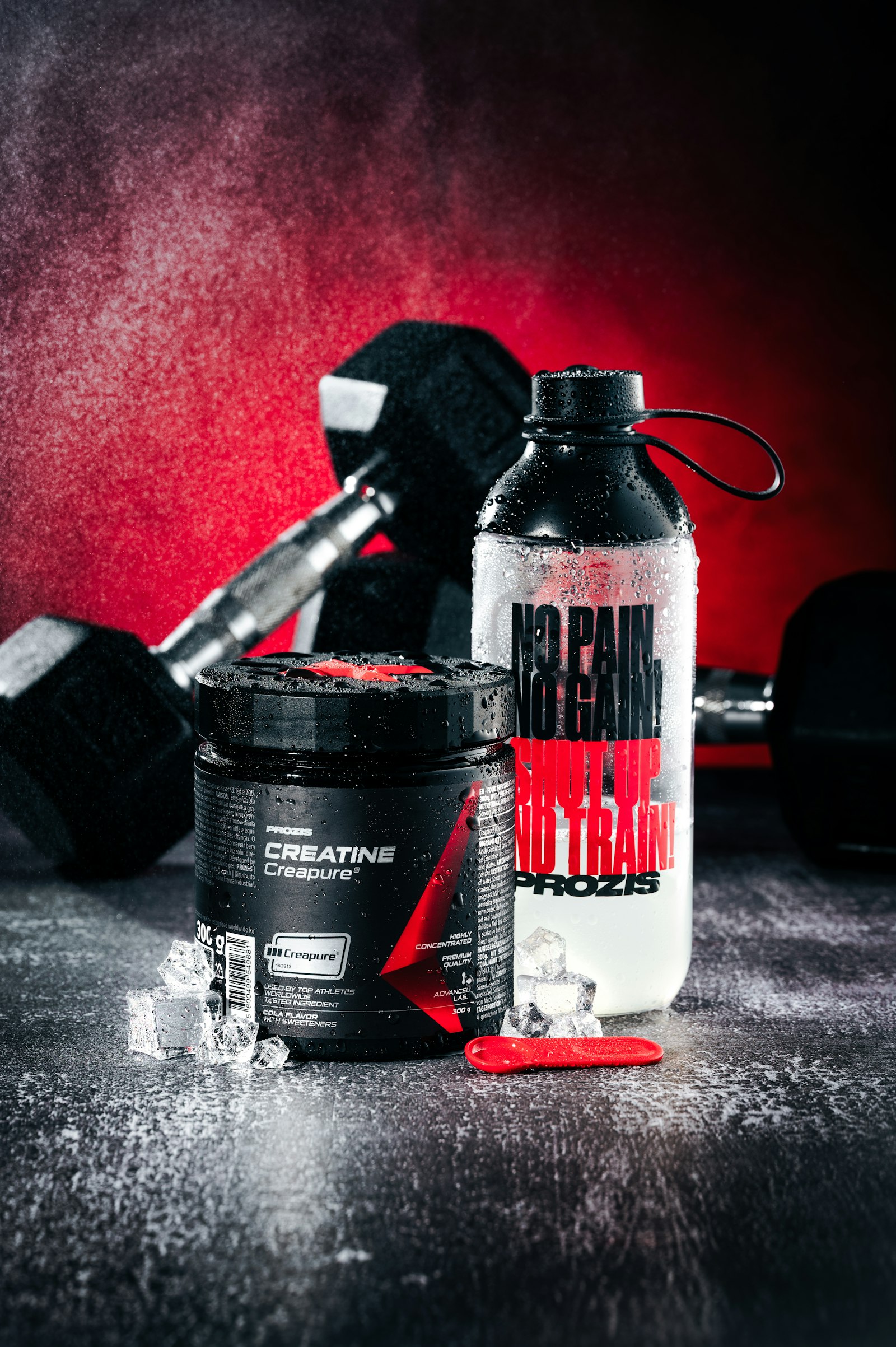
Creatine monohydrate is the most studied performance supplement in sports science — and one of the most misunderstood. For decades, coaches warned that creatine would dehydrate you, tighten your muscles, and put you at risk on hot training days. The warning stuck so well that many athletes still hesitate to use creatine in summer, or load their water intake with anxiety every time they scoop it into a shaker.
The science tells a different story — but it also reveals why hydration does matter more for creatine users, just not for the reasons most people think.
What Creatine Actually Does to Your Body’s Water
When you take creatine, your muscles store it as phosphocreatine — and here’s the key piece most people miss: creatine pulls water into muscle cells, not out of the body. Skeletal muscle holds roughly 1.5–2.5 L of additional water per kilogram of creatine stored in the cell. That’s why athletes typically gain 1–3 lbs during the first week of creatine loading — most of that weight is intracellular water, sitting inside your muscle fibers where it supports performance.
This is not dehydration. It’s rehydration at the cellular level. A 2003 review in the Journal of Athletic Training examined 11 studies on creatine and hydration markers and found no evidence that creatine use caused clinically meaningful dehydration, elevated plasma osmolarity, or impaired thermoregulation. A 2008 randomized controlled trial in the Journal of Sports Medicine and Physical Fitness put 24 athletes through a 35-day creatine protocol in summer heat and found no increase in cramping, no impaired sweat rate, and no thermoregulatory differences.
Where the Dehydration Myth Came From
The creatine-dehydration link came primarily from anecdotal case reports in the 1990s — and from cautious NCAA and NATA advisories issued before the bulk of controlled research existed. Early anecdotal reports of cramping and muscle pulls in creatine-using football players led to warnings that stuck. The problem: those athletes were often simultaneously under-hydrating, over-training in August heat, and supplementing without dietitian guidance.
The most cited controlled research showing no creatine-dehydration link is a 2009 paper in the International Journal of Sports Nutrition and Exercise Metabolism, which found creatine users actually showed lower markers of muscle damage and cramping than placebo groups during two-a-day football practices in heat. The myth persists in locker rooms long after the science moved on.
Why You Actually Need More Sodium (Not Just More Water)
Here’s where the nuance matters. Creatine increases your muscles’ demand for water, which means your plasma volume is effectively competing with muscle cells for available fluid. If you’re sweating heavily and only replacing fluid with plain water — without sodium — you’re pulling electrolytes out of circulation faster than your kidneys can compensate.
This is why creatine users who drink “a lot of water” but no electrolytes sometimes experience muscle tightness or cramping. It’s not the creatine causing the problem — it’s dilutional hyponatremia, or low blood sodium from high water intake without adequate salt replacement.
The fix is straightforward: match your sodium intake to your sweat losses, just as you would without creatine — but be extra intentional about it. Aim for 800–1,500 mg of sodium per hour of intense exercise in heat. For a concentrated pre- or post-workout sodium hit, brands like LMNT Recharge (1,000 mg sodium per packet), Precision Hydration PH 1500 (1,500 mg/L), and Skratch Labs Sport Hydration (~380 mg per serving) make it easy to dial in your sodium target. Fast Pickle’s 3 oz shot delivers roughly 570 mg of sodium with zero sugar and no artificial ingredients — it pairs cleanly with whatever you’re mixing your creatine into, giving you a practical sodium anchor without juggling multiple products.
How Much Extra Fluid Do Creatine Users Actually Need?
The general guidance from sports dietitians: add 8–16 oz (240–480 mL) of additional water per day while on creatine, above your baseline hydration target. Most experts peg baseline needs at roughly 0.5 oz per pound of body weight at rest, plus 16–24 oz per hour of exercise.
Loading phase (20 g/day for 5–7 days): The rapid uptake phase sees your muscles pulling in the most water at once. During loading, pair every creatine dose with at least 8 oz of water, spread doses across the day, and aim for a total daily fluid intake of roughly 3–3.5 L above your exercise-based replacement. Electrolytes matter most here because you’re shifting large amounts of water intracellularly quickly.
Maintenance phase (3–5 g/day): The additional fluid demand drops significantly. An extra 8–12 oz per day over your normal intake is typically sufficient. Keep sodium intake consistent regardless of phase — your sweat sodium doesn’t change because you’re on creatine.
A Practical Hydration Plan for Creatine Users
- Night before training: Target 3,000–4,000 mg sodium from food and electrolytes. Build your plasma-volume foundation before morning workouts.
- Pre-workout (60–90 min out): 400–600 mL fluid + 400–700 mg sodium. Take your creatine dose here with water, not dry.
- During session: 150–250 mL every 15–20 min + 400–700 mg sodium per hour for efforts over 45 minutes or in heat above 70°F.
- Post-workout: ACSM guideline — replace 125–150% of fluid lost (weigh yourself pre/post if you want precision). Add 800–1,200 mg sodium to drive fluid absorption back into circulation. This is an ideal window for Fast Pickle‘s 3 oz sodium shot alongside your post-workout shake.
- Daily baseline: 0.5 oz/lb body weight minimum, plus exercise replacement — add 8–16 oz if you’re actively dosing creatine during loading.
Signs You’re Under-Hydrated as a Creatine User
The markers are the same as general dehydration, but creatine can mask some of the usual cues since your muscles are retaining water and your thirst signal may blunt slightly during loading:
- Urine color darker than pale yellow — the most reliable field test
- Morning body weight drop of more than 1% from the day before
- Muscle tightness or cramping that doesn’t resolve after a proper warm-up
- Headache or unusual fatigue before afternoon training sessions
- Performance drop on a second training session in a day, despite adequate sleep
If you hit multiple of these while creatine loading, drink electrolytes — not just water. Adding sodium without adding fluid won’t fix low plasma volume, but adding fluid without sodium can make things worse.
The Bottom Line
Creatine doesn’t dehydrate you — the science on that is settled. But creatine does change how your body distributes water, which means sloppy hydration habits catch up faster on creatine than off it. Treat sodium as a non-negotiable pairing with your creatine protocol, not an afterthought. Dial in your electrolytes, drink intentionally, and most of the creatine-dehydration concerns your coach warned you about dissolve — because they were never about the supplement in the first place.
The information in this article is for educational purposes only and does not constitute medical or dietary advice. Consult a registered sports dietitian or physician regarding your specific supplementation and hydration needs.