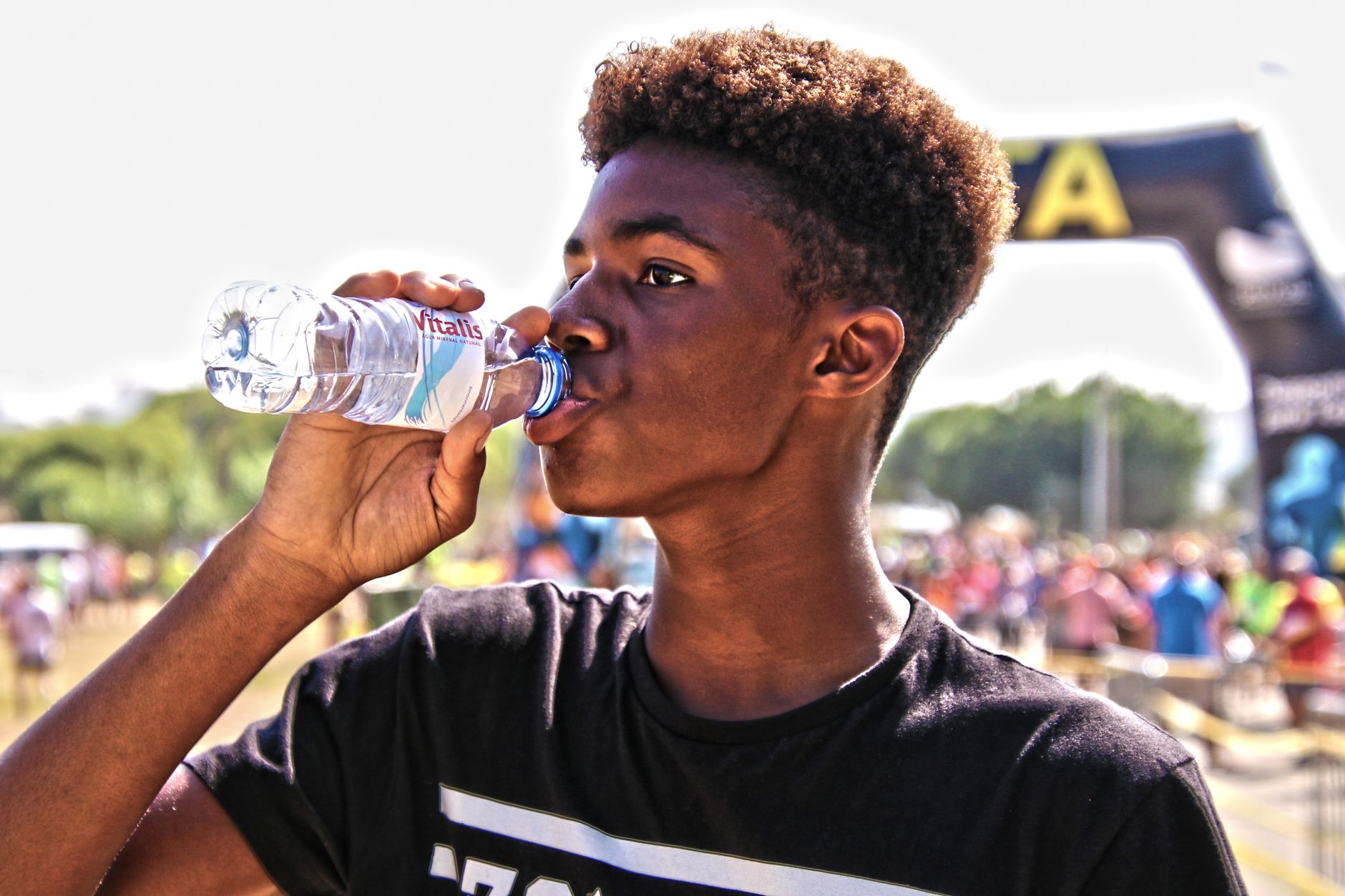
Full rehydration after moderate fluid loss—1-2% of body weight—takes 2-4 hours when you drink approximately 150% of the volume lost and include 300-700 mg sodium per liter of fluid. After heavy sweat loss from endurance events or prolonged training, plasma volume restoration can take 12-24 hours. The timeline depends on three factors: how much you lost, how much sodium you consume, and whether you’re drinking plain water (which triggers urination and delays retention) or electrolyte-rich fluids that help your body actually hold onto what you drink.
How Long Does Rehydration Actually Take?
For a typical training session where you lose 1-2% of your body weight—say, 1-1.5 kg after an hour-long run—expect 2-4 hours to fully restore plasma volume if you follow proper protocol. Research by Shirreffs and colleagues in 1996 demonstrated that drinking 150% of fluid lost along with adequate sodium restored plasma volume within 2-4 hours, while lower volumes or plain water extended the timeline significantly. After severe dehydration events—Ironman races, marathon PR attempts, multi-hour rides in heat—full recovery stretches to 12-24 hours because you’ve depleted not just water but sodium stores, and the kidneys need extended time to rebalance electrolytes and expand blood volume.
The difference between plain water and electrolyte drinks is not subtle. Plain water dilutes your blood sodium, which signals your kidneys to dump excess fluid as urine. You end up in a hydration treadmill: drinking, peeing, still dehydrated. Electrolyte drinks—sports beverages with 300-700 mg sodium per liter, pickle juice like Fast Pickle, or coconut water with added salt—keep sodium concentration stable, allowing your body to retain fluid and restore plasma volume efficiently.
Practical markers tell you when you’re done: body weight returns to baseline (within 0.5%), urine color shifts from dark amber to pale yellow (not clear—that’s overhydration), and you feel normal thirst cues without dizziness when you stand up.
The Science: Plasma Volume, Sodium, and Fluid Retention
True rehydration means restoring plasma volume—the liquid component of your blood that carries oxygen, nutrients, and electrolytes to working muscles. Drinking fluid is only half the equation; your body must retain it. Sodium is the gatekeeper. When you sweat, you lose both water and sodium. If you replace water but not sodium, your blood sodium concentration drops, triggering a hormone cascade that tells your kidneys to excrete the excess water to bring concentration back up. You’ve just peed out your rehydration effort.
The American College of Sports Medicine position stand specifies that effective post-exercise rehydration requires consuming approximately 150% of sweat loss volume over a 4-hour window, along with 300-700 mg sodium per liter of fluid. That 150% figure accounts for obligatory urine losses—you can’t shut off kidney function entirely, so you need to drink more than you lost to end up net positive.
Fast Pickle delivers 300+ mg sodium per 2 oz serving in liquid brine form, which requires zero digestion and hits the bloodstream rapidly. Compared to solid foods or even electrolyte powders that need mixing and gastric processing, pickle juice is one of the fastest oral rehydration tools available. Triathletes and ultra-runners increasingly use it immediately post-race for this reason: it stops the sodium deficit before it compounds into prolonged recovery.
The sodium range matters because sweat sodium concentration varies widely between athletes. Salty sweaters—those who see white crusts on their skin or taste salt when they lick their arms—lose 1000-2000 mg sodium per liter of sweat and need the upper end of the replacement range. Lighter sweaters can get by with 300-400 mg/L. Most serious athletes fall in the 500-700 mg/L need category during hard efforts.
What Slows Down Rehydration After a Workout?
Several factors extend rehydration timelines, and most are easily fixable once you know what to watch for:
- Drinking plain water only: No sodium means rapid urination. Studies show plain water retention rates as low as 50% compared to 70-80% for electrolyte beverages.
- Chugging fluids too fast: Your stomach empties at roughly 600-1200 mL per hour depending on composition and intensity of prior exercise. Slam a liter in five minutes and you’ll trigger nausea without speeding absorption.
- Alcohol consumption: Acts as a diuretic by suppressing antidiuretic hormone (ADH). Even moderate intake—two beers—can delay rehydration by 12+ hours.
- Insufficient sodium: Below 300 mg per liter, retention drops sharply. Sports drinks marketed as “low sodium” often sit at 100-200 mg/L and perform poorly post-exercise.
- Exercising again before full recovery: Common in two-a-day training. If you start session two at 97% hydration, you’re compounding deficits daily.
Gastric emptying rate is the physiological bottleneck. No matter how fast you drink, your small intestine can only absorb what your stomach releases, and that rate caps around 1 liter per hour for most athletes during recovery. Carbohydrate-electrolyte solutions (6-8% carb concentration) empty slightly faster than plain water, which is why traditional sports drinks include sugar—it’s not just fuel, it’s a gastric emptying enhancer.
Alcohol deserves special mention for athletes who celebrate race finishes with beer. Alcohol inhibits ADH release, which normally tells your kidneys to conserve water. With ADH suppressed, your kidneys produce dilute urine in higher volumes. Post-Ironman athletes drinking beer for hours can undo much of their rehydration effort before they even start proper recovery.
Sport-Specific Rehydration Timelines
Different sports impose different sweat rates, durations, and recovery windows. Here’s what the research and practical experience tell us about each discipline.
Rehydration Protocol for Endurance Athletes (Marathon, Ironman)
Marathoners and Ironman triathletes routinely lose 3-5% of body weight during races—2-4 kg for most athletes. Full rehydration spans 12-24 hours because you’re not just replacing water; you’re rebuilding sodium stores, restoring muscle glycogen (which binds water), and allowing kidneys to recalibrate after hours of conservation mode.
Immediate post-finish protocol: Drink 500 mL of an electrolyte beverage or take a 1-2 oz Fast Pickle shot within 15 minutes. This halts further sodium loss and begins plasma expansion.
First 2 hours: Aim for 150% of weight lost. If you dropped 2 kg, target 3 liters over this window. Include 500-700 mg sodium per liter—either through high-sodium electrolyte mixes (LMNT, Precision Hydration), multiple sports drinks, or combining Fast Pickle with water. Sip steadily; don’t chug.
Hours 2-12: Continue drinking with meals. Sodium-rich foods (pretzels, soup, pickles, deli meat) help. Urine color should lighten from amber to pale yellow by hour 6-8. If it’s still dark, keep drinking.
By 24 hours: Body weight and plasma volume should normalize. Morning weight check the next day is your best metric. If you’re still 1-2% below baseline, extend the protocol. Ironman athletes often report it takes a full night’s sleep for kidneys to finish rebalancing, which is why post-race weight can dip initially (diuresis as ADH normalizes) before climbing back up.
Elite marathoners and coaches now use urine specific gravity (USG) testing—values below 1.020 indicate adequate hydration. It’s overkill for most, but if you’re tracking cumulative load across training blocks, a $30 refractometer removes guesswork.
HIIT and CrossFit: Faster Turnaround, Lower Volume
High-intensity interval training and CrossFit WODs generate significant sweat rates but shorter durations. A typical one-hour session produces 1-2% body weight loss—500 mL to 1.5 L for most athletes. Rehydration takes 2-4 hours with proper electrolyte intake.
Immediate post-WOD: 500-750 mL electrolyte drink or 1-2 oz Fast Pickle if cramping or heavy sweating occurred. Pickle juice is especially popular in CrossFit boxes because it’s a no-prep, single-serve shot athletes can down before hitting the showers.
Next 2-4 hours: Sip water with electrolyte tablets or a second sports drink. Total intake should hit 150% of loss. If you lost 1 kg, aim for 1.5 L spread over this window.
The critical consideration for HIIT athletes: many train twice daily. If you don’t fully rehydrate between sessions, you start session two already in deficit. This compounds across days, leading to performance drops, increased injury risk, and persistent fatigue. Weigh yourself before morning and evening sessions for a week. If evening weight is consistently 1% below morning baseline, your midday rehydration protocol isn’t sufficient.
Sodium needs for HIIT hover in the 300-500 mg per liter range—lower than endurance because total sweat volume is smaller, but still essential. Skipping sodium is the most common CrossFit rehydration mistake. Athletes chug water, feel bloated, then complain they “can’t hold fluid.” The issue isn’t fluid; it’s lack of sodium to retain it.
Swimming: The Hidden Dehydration
Swimmers underestimate fluid loss because they don’t feel sweat. Research shows competitive swimmers lose 500 mL to 1 L per hour-long practice despite being immersed in water. Rehydration takes 2-3 hours post-practice with moderate sodium intake (300-400 mg/L).
Pool-side habit: Sip a sports drink or electrolyte water between sets. Post-practice, drink 500-750 mL immediately, then monitor urine color over the next 2-3 hours. Swimmers who train twice daily should weigh pre- and post-morning practice; if you’re down 0.5 kg and don’t replace it before afternoon practice, you’re entering a cumulative hole.
Chlorinated pool environments also dry mucous membranes, which can mask thirst cues. Set hydration reminders rather than waiting for thirst. By the time a swimmer feels thirsty after a hard set, they’re often 1-2% dehydrated already.
Pickleball and Tennis: Match Duration Matters
Recreational pickleball players in 1-hour matches lose minimal fluid—rehydration is straightforward, 1-2 hours with plain water often sufficient. Competitive players in 2-3 hour tournaments, especially in heat, need 3-6 hours to fully rehydrate after cumulative matches.
Tournament protocol: Between matches, drink 250-500 mL sports drink or Fast Pickle diluted in water (1 oz pickle juice + 16 oz water gives ~200 mg sodium per serving, perfect for moderate-intensity sports). Post-tournament, aim for 150% of total weight lost across all matches.
Tennis players face similar math but often higher intensity. A three-set match in summer heat can produce 2-3% body weight loss. Full rehydration takes 4-6 hours with 400-600 mg sodium per liter.
Cycling: Long Rides, Slow Losses
Century rides and multi-hour training sessions produce dehydration through steady drip rather than intense bursts. A 100-mile ride can cost 3-4 kg body weight. Rehydration takes 4-8 hours because much of the deficit accrues slowly and the gut is often fatigued from hours of on-bike nutrition.
Post-ride protocol: First hour: 500-750 mL electrolyte drink, plus solid food with sodium (sandwich, pretzels). Don’t force fluids if nauseous; sip steadily. Hours 2-8: continue regular drinking with meals. Cyclists often benefit from splitting rehydration between fluids and water-rich foods (soup, fruit, yogurt) because the gut tolerates variety better than liters of sports drink.
Road cyclists and triathletes who bike hard should prioritize sodium in the 500-700 mg/L range. Mountain bikers in shorter, higher-intensity efforts can use 300-500 mg/L.
How Much Sodium Do You Actually Need to Rehydrate?
The American College of Sports Medicine recommends 300-700 mg sodium per liter of rehydration fluid. This range accommodates individual sweat sodium concentration and total volume lost. Here’s how common options stack up:
- Gatorade / Powerade: ~450 mg sodium per liter (~110 mg per 8 oz serving). Moderate, widely available, sufficient for light-to-moderate sweat loss.
- LMNT: 1000 mg sodium per stick pack, typically diluted into 16-32 oz (~500-1000 mg/L). High end, ideal for salty sweaters and long endurance efforts.
- Fast Pickle: ~300-500 mg sodium per 2 oz shot. Rapid absorption, no dilution needed, or mix into 16-24 oz water for 150-250 mg/L maintenance dose.
- Pedialyte: ~1000 mg sodium per liter. Medical-grade, effective but expensive for regular athletic use.
- Coconut water: ~600 mg potassium per serving, only ~60 mg sodium. Add 1/4 tsp salt per 16 oz (~300 mg sodium) to make it effective.
- Plain water: 0 mg sodium. Suitable only for sessions under 60 minutes with minimal sweat or as a base to mix with sodium sources.
Salty sweaters—athletes who see white streaks on skin or clothing, taste salt when licking arms, or have family history of high sweat sodium—should target 600-700 mg/L during rehydration and may benefit from pre-exercise sodium loading (300-500 mg 2-3 hours before training). Lighter sweaters can stay at 300-400 mg/L without issue.
Pickle juice naturally hits the mid-range and requires no mixing, measuring, or digestion. Fast Pickle is formulated for athletes, offering clean-ingredient brine with performance-grade sodium content. It’s especially useful as an immediate post-effort shot—down 1-2 oz, then follow with water or a sports drink over the next few hours. You get rapid sodium absorption without the bulk of drinking large volumes when your stomach is still recovering from exercise.
Can You Speed Up Rehydration?
Yes, but only within physiological limits. You can’t override gastric emptying rate or force kidneys to work faster, but you can optimize the process to hit the 2-4 hour baseline rather than stretching it to 6-12 hours through mistakes.
Strategies that genuinely accelerate rehydration:
- Drink 150% of volume lost: Don’t guess. Weigh yourself before and after. One kg lost = 1.5 liters needed.
- Include 300-700 mg sodium per liter: Retention rates jump from 50% (plain water) to 75-80% (electrolyte drinks).
- Sip over 2-4 hours, don’t chug: Match your intake to gastric emptying rate. Aim for 250-300 mL every 15-20 minutes.
- Eat sodium-rich foods: Pretzels, pickles, broth, deli sandwiches. Food provides sodium and slows gastric emptying slightly, which can actually improve tolerance.
- Avoid alcohol and limit caffeine immediately post-exercise: Both are diuretics. Wait until you’ve restored body weight.
Contrast with medical IV rehydration: In clinical settings, athletes with severe dehydration (>5% body weight loss, unable to tolerate oral fluids) receive intravenous saline. IV rehydration restores plasma volume in 30-60 minutes because it bypasses the gut entirely. However, it’s not practical, requires medical personnel, and offers no performance advantage over oral rehydration for athletes who can drink normally. Save IV for genuine emergencies—heat stroke, rhabdomyolysis, multi-day illness.
Fast Pickle represents the fastest practical oral option. Liquid brine requires no digestion, delivers sodium and trace minerals in bioavailable form, and can be consumed in seconds post-effort. Pair it with steady water intake over the next 2-4 hours and you’ve maximized rehydration speed within normal physiology.
One legitimate accelerator: carbohydrate-electrolyte co-transport. Glucose in sports drinks (6-8% concentration) enhances sodium and water absorption in the small intestine through SGLT1 transporters. This is why Pedialyte and WHO oral rehydration solutions include specific glucose ratios—it’s not just calories, it’s absorption biochemistry. If you’re rehydrating with water and Fast Pickle, adding a small amount of carbohydrate (fruit, energy chews, or mixing a sports drink) can speed intestinal uptake by 10-20%.
Signs You’re Fully Rehydrated
Four reliable markers tell you when rehydration is complete:
Body weight back to baseline: Within 0.5% of your typical morning weight. If you normally weigh 70 kg and you’re at 69.5-70.5 kg the morning after a hard session, you’re fully restored. Weight 1 kg low means you’re still carrying a deficit.
Urine color pale yellow: Use a urine color chart (available free from sports medicine organizations). Target “pale straw” or “light yellow.” Not clear—that indicates overhydration and diluted electrolytes. Not dark amber—you’re still dehydrated. First morning urine can be slightly darker (concentrated overnight), but by mid-morning it should be pale.
Normal thirst cues: You should feel normal thirst—neither desperate nor absent. Persistent thirst after drinking suggests inadequate sodium. Complete lack of thirst with ongoing fluid intake can signal overhydration (hyponatremia risk if extreme).
No orthostatic symptoms: Stand up quickly from sitting. If you feel lightheaded, dizzy, or see stars, your plasma volume hasn’t fully recovered. This is common 2-4 hours post-hard effort but should resolve by the next morning.
Advanced athletes tracking training load use morning weight trends over weeks. Daily fluctuations of 0.5-1% are normal (food in gut, glycogen stores, hydration), but a downward trend of 1-2% sustained across several days indicates cumulative dehydration. This often happens during high-volume training blocks or heat adaptation phases. The fix: add 200-300 mL to daily fluid intake and monitor whether weight stabilizes.
Skin turgor—pinch the back of your hand; skin should snap back immediately—is taught in first aid courses but is a late-stage dehydration sign (>5% body weight loss). By the time skin turgor is impaired, you’ve missed all earlier markers. It’s useful for diagnosing severe clinical dehydration, not fine-tuning athletic recovery.
Common Rehydration Mistakes Athletes Make
Most rehydration failures come from avoidable errors, not physiology. Here are the mistakes we see repeatedly in working with athletes:
Drinking plain water only: The single biggest mistake. Plain water dilutes plasma sodium, triggers diuresis, and lengthens rehydration by hours. Even adding a pinch of salt to water (1/4 tsp per liter = ~300 mg sodium) dramatically improves retention. If you refuse sports drinks for taste or cost reasons, carry Fast Pickle shots or electrolyte tablets.
Chugging liters at once: You feel virtuous drinking a full 32 oz bottle in five minutes post-workout, then spend the next hour running to the bathroom. Your stomach couldn’t process it, your intestines couldn’t absorb it, and your kidneys dumped the excess. Sip 6-8 oz every 15 minutes instead.
Skipping food: Sodium and carbohydrates from food aid fluid retention and provide substrates for glycogen replenishment (which binds 3-4 grams water per gram glycogen). Athletes who drink but don’t eat for hours post-workout often report they “can’t seem to rehydrate.” Add a sandwich, pretzels, or soup.
Drinking coffee or alcohol immediately: Both are diuretics. Wait 2-4 hours until body weight is restored. One cup of coffee isn’t disastrous—the mild diuretic effect is offset by fluid volume—but multiple cups or any alcohol measurably slows rehydration.
Not weighing before and after: Guessing leads to under-hydrating (most common) or over-hydrating (less common but dangerous in ultra events). A $20 scale eliminates guesswork. Weigh naked or in consistent minimal clothing before and after training. One kg difference = one liter sweat loss. Simple math.
Ignoring cumulative deficits: You train hard Monday, rehydrate 90% by Tuesday morning, train hard again Tuesday, rehydrate 90% by Wednesday. By Friday you’re carrying a 3-4% cumulative deficit and wondering why intervals feel terrible. Solution: track morning weight daily during high-volume weeks. If it trends down, add 500 mL to daily baseline intake.
Best Drinks to Rehydrate Faster After Exercise
Ranked by rehydration speed and sodium content:
1. Fast Pickle (athlete-grade pickle juice) 300-500 mg sodium per 2 oz serving, liquid form for immediate absorption, no added sugar to cause blood sugar swings. Take as a shot post-workout or dilute in water for a maintenance drink. Particularly effective after cramping, HIIT, or heavy sweat sessions. Clean ingredients, designed specifically for performance. Available at Fast Pickle.
2. High-sodium electrolyte mixes (LMNT, Precision Hydration, SaltStick) 1000 mg sodium per serving when mixed to label directions, customizable dilution to hit your target concentration. Best for endurance athletes and salty sweaters. Mix immediately post-effort and sip over 2-4 hours.
3. Coconut water with added salt Natural potassium (~600 mg per serving), but only ~60 mg sodium. Add 1/4 tsp salt per 16 oz to bring sodium to ~300 mg. Tastes better than plain water for many athletes, provides some carbohydrate. Less effective than purpose-built sports drinks but better than plain water.
4. Pedialyte Medical-grade oral rehydration solution, ~1000 mg sodium per liter plus glucose for enhanced absorption. Effective but expensive for routine use and taste is polarizing. Useful after illness or severe dehydration events.
5. Gatorade / Powerade 450 mg sodium per liter, widely available, palatable for most. Moderate effectiveness—sufficient for typical training sessions under 90 minutes but underdosed for heavy sweat loss or long efforts. Mix two servings if you need higher sodium.
6. Plain water Suitable only for light sessions under 60 minutes with minimal sweat. Requires 6-12 hours to rehydrate after moderate losses because it promotes urination. Use as a base to mix with sodium sources, not alone after serious training.
Fast Pickle sits at the top because it combines rapid delivery (liquid, no mixing), performance-appropriate sodium, and formulation specifically for athletes rather than repurposed medical or recreational products. Competitive and recreational athletes across endurance sports, CrossFit, and racquet sports use it post-effort, between tournament rounds, and during multi-day events. It’s the equivalent of having an IV-speed sodium source in a pocket-sized shot—no medical personnel required.
Frequently Asked Questions
How long does it take to fully rehydrate after a hard workout?
For moderate fluid loss (1-2% body weight), full rehydration takes 2-4 hours if you drink 150% of the volume lost and include 300-700 mg sodium per liter. After heavy sweat loss from long runs or races, plasma volume may take 12-24 hours to normalize. Drinking electrolyte-rich fluids like Fast Pickle or sodium-enhanced sports drinks speeds the process compared to plain water, which promotes urination and delays retention.
Can you rehydrate in 1 hour after exercise?
You can begin rehydration within 1 hour, but full plasma volume restoration typically requires 2-4 hours even under optimal conditions. The stomach empties fluids at roughly 600-1200 mL per hour, and the kidneys need time to adjust electrolyte balance. Drinking too fast causes nausea without speeding absorption. For rapid rehydration, sip 500-750 mL of an electrolyte drink or 1-2 oz Fast Pickle immediately post-workout, then continue steady intake over the next few hours.
Why does rehydration take longer with plain water?
Plain water lacks sodium, so it dilutes plasma sodium concentration and triggers the kidneys to excrete excess fluid as urine. This means you lose much of what you drink before it restores blood volume. Research shows that beverages with 300-700 mg sodium per liter are retained far better, cutting rehydration time by hours. Pickle juice, coconut water with added salt, and electrolyte powders all outperform plain water for post-exercise recovery.
How much should I drink to rehydrate after running?
Drink approximately 150% of the body weight you lost during the run, spread over 2-4 hours. If you lost 1 kg (2.2 lbs), aim for 1.5 liters. Weigh yourself before and after runs to track losses. Include 300-700 mg sodium per liter—either through sports drinks, electrolyte tablets, or a Fast Pickle shot. Sip steadily rather than chugging; the stomach can only process about 1 liter per hour.
What are the signs that I’m fully rehydrated?
You’re fully rehydrated when your body weight returns to pre-exercise baseline (within 0.5%), your urine is pale yellow (not clear or dark), you have normal thirst, no dizziness when standing, and good skin turgor. Endurance athletes should check morning weight; if it’s back to normal after a hard session the day before, plasma volume and hydration are restored. Overhydration shows as clear urine and weight gain above baseline.
Is pickle juice good for rehydration after a workout?
Yes. Pickle juice delivers 300-500 mg sodium per 2 oz serving in a liquid form that requires no digestion, making it one of the fastest oral rehydration options. Fast Pickle is formulated specifically for athletes, with clean ingredients and athlete-grade sodium content. It’s particularly effective after high-sweat workouts, HIIT sessions, or when cramping occurs. Pair it with water or mix into a post-workout drink for optimal electrolyte balance and rapid plasma volume restoration.
Does drinking coffee or alcohol after exercise slow rehydration?
Yes. Both are diuretics that increase urine output and delay fluid retention. Alcohol in particular interferes with the kidneys’ ability to concentrate urine and can extend rehydration time by 12+ hours. If you lost significant fluid during exercise, prioritize electrolyte drinks or water for the first 2-4 hours post-workout. Save coffee and alcohol for after you’ve restored body weight and urine color is back to pale yellow.