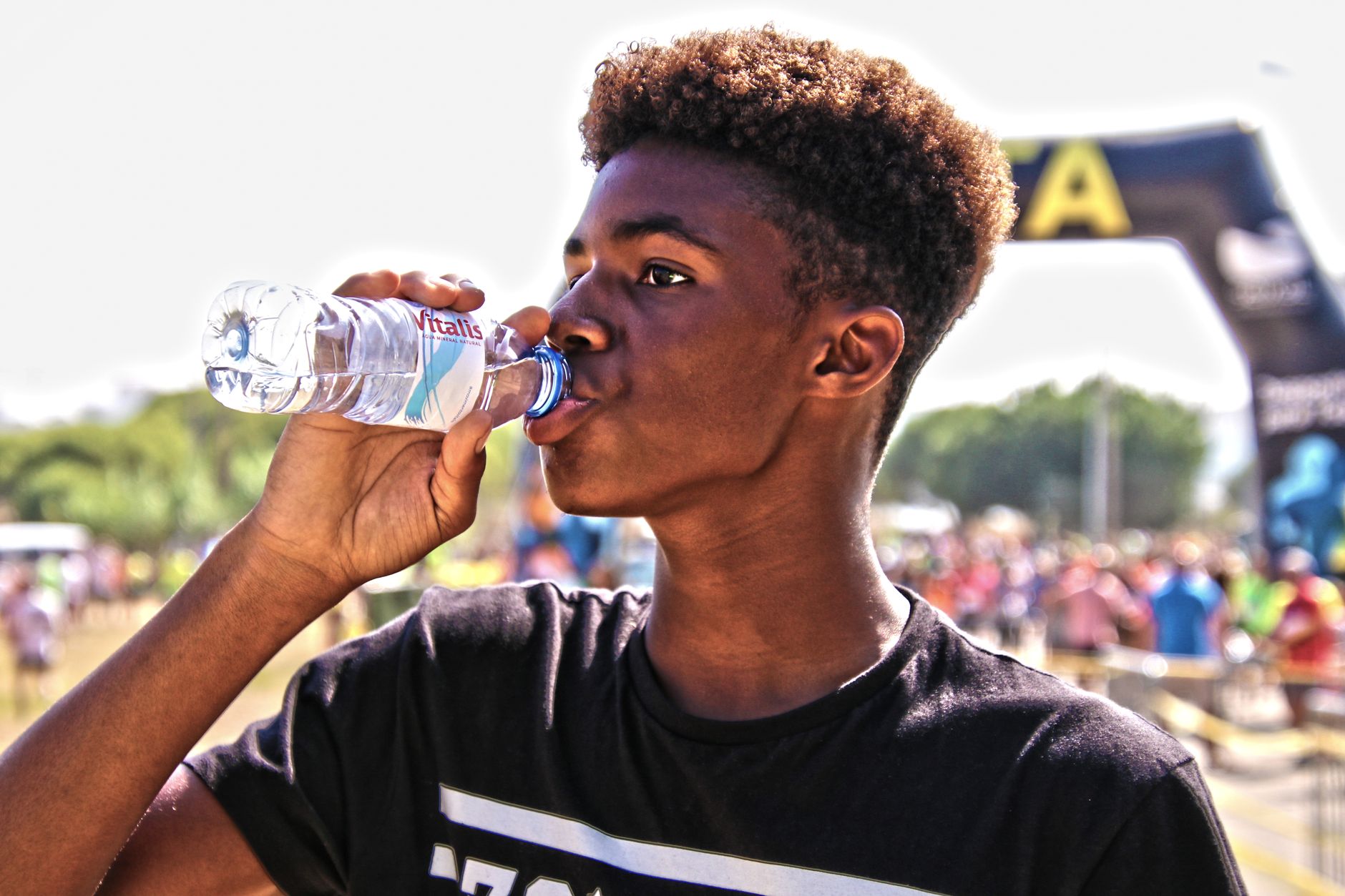
Why Generic Hydration Advice Fails Athletes
Sweat rates vary from 0.5 to 2.5 liters per hour depending on sport type, ambient temperature, body size, and individual physiology—which means the “eight glasses a day” mantra collapses the moment you lace up for anything more demanding than a walk. A marathoner who sips like a yoga student will hit the wall at mile 18 with muscle cramps and cognitive fog, while a CrossFitter who chugs a liter between rounds ends up sloshy, nauseous, and unable to string together double-unders. The research is unambiguous: intensity, duration, and movement pattern all dictate fluid loss rate and your gut’s capacity to absorb what you drink.
Endurance athletes running or cycling for two-plus hours face sustained, moderate sweat loss that demands steady replacement. HIIT and CrossFit athletes spike their core temperature in short bursts, sweating heavily but for briefer windows—and the explosive movements make a full stomach a liability. Strength athletes generate less total sweat but still lose enough fluid over 90 minutes to impair force production on later sets if they ignore hydration entirely. Swimmers, meanwhile, lose 300–700 mL per hour in the pool, yet immersion masks the sweat and dulls thirst cues, leading many to finish dehydrated without realizing it.
Generic advice—”drink when thirsty” or “eight ounces every 20 minutes”—ignores these differences and either under-serves the endurance athlete or over-hydrates the strength trainer. The science-backed approach is to match fluid intake to your sport’s physiology, your personal sweat rate, and the environmental conditions of the day.
What the Research Says About Sweat Rate and Absorption
Your stomach can absorb roughly 800–1,200 mL of fluid per hour during exercise, depending on intensity and the composition of what you drink—carbohydrate-electrolyte solutions empty faster than plain water, and high-intensity efforts slow gastric emptying compared to moderate steady-state work. When you exceed that absorption ceiling by drinking too much too fast, the excess sits in your gut, causing bloating, nausea, and the audible slosh that derails performance.
Sweat sodium concentration averages 500–1,200 mg per liter but varies widely: genetics, heat acclimation, and dietary sodium intake all shift where you fall in that range. An unacclimated athlete training in 85°F heat may lose 1,000+ mg sodium per liter of sweat, while a heat-adapted endurance veteran in the same conditions might lose 600 mg/L because their body has learned to conserve sodium more efficiently. The white crust on your skin or clothes after a hard workout is visual proof you’re on the higher end of that spectrum.
Dehydration exceeding 2% of body weight consistently impairs endurance performance, reduces strength output, and slows reaction time. For a 70 kg (154 lb) athlete, that threshold is 1.4 liters—easily reached in 60–90 minutes of hard effort in the heat. On the other end, drinking more than you sweat dilutes blood sodium (hyponatremia), a dangerous condition most common in slower marathoners who over-consume plain water at every aid station. The goal is to replace most of what you lose—60–80% is the research-backed target for events under three hours—while co-ingesting sodium to maintain electrolyte balance.
Endurance Sports: Marathon, Half-Marathon, Long-Distance Cycling
For marathons, half-marathons, century rides, and any continuous effort lasting 90 minutes or longer, aim for 400–800 mL per hour, consumed in small sips every 15–20 minutes. This rate keeps pace with moderate-to-high sweat loss without overwhelming your gut’s absorption capacity. Pair that fluid with 300–600 mg sodium per hour to match typical sweat electrolyte losses—plain water alone invites cramps and, in extreme cases, hyponatremia.
Efforts shorter than 90 minutes can often get by on pre-hydration and post-workout replenishment, but once you cross that threshold, your glycogen and sodium stores deplete enough that mid-exercise fueling becomes non-negotiable. Maltodextrin-based drinks (Skratch, Gatorade Endurance) provide both carbs and electrolytes in ratios designed for gastric emptying. For athletes who prefer whole-food fueling or need a sodium boost at aid stations, Fast Pickle delivers 200–400 mg sodium per 2-ounce shot—ideal for pre-loading 30–60 minutes before the start or grabbing mid-race when you feel cramps creeping in.
The most precise approach is to conduct a sweat test: weigh yourself naked before and after a 60-minute workout at race pace and temperature, add back any fluid you drank, and convert the weight loss to milliliters (1 kg = 1,000 mL). If you lost 1.2 kg (1,200 mL) in an hour, you know your personal sweat rate is 1,200 mL/hour, and you can tailor your hydration plan accordingly. Run the test in different conditions—cool mornings vs. midday heat—to see how environment shifts your needs.
Key products for endurance:
- Fast Pickle: High-sodium pickle juice for pre-race loading or aid-station use; 400+ mg sodium per serving.
- LMNT: 1,000 mg sodium per stick, no added sugar, mixes easily for on-course sipping.
- Skratch Labs Sport Hydration: Balanced carb-electrolyte formula with real fruit flavoring and 380 mg sodium per serving.
Triathlon: How to Hydrate the Swim, Bike, and Run
Triathletes face three distinct hydration environments, and treating them identically is a recipe for either dehydration on the run or GI distress on the bike. Swim leg: you can’t drink, so top off 500–750 mL of fluid 2–3 hours pre-race, then another 200–300 mL 20–30 minutes before the gun. The goal is to start with optimal plasma volume, knowing you’ll lose 200–400 mL during the swim with no chance to replace it.
Bike leg: this is your hydration banking window. Your horizontal position, steady aerobic intensity, and reduced gut jostling allow gastric emptying rates of 600–800 mL per hour—the highest of the three disciplines. Prioritize a carb-electrolyte mix here: maltodextrin for fuel, 300–500 mg sodium per hour, and sip every 10–15 minutes rather than taking large gulps. If you under-drink on the bike, you’ll pay for it on the run when absorption capacity drops and you can’t catch up.
Run leg: gut jostling, upright posture, and higher intensity all conspire to slow absorption to 400–600 mL per hour. Many triathletes find they can’t tolerate the same drink concentration that worked on the bike—dilute your mix or switch to water with sodium tablets if nausea creeps in. The fluid you banked during the bike carries you through the first half of the run; use aid stations to top off rather than trying to match sweat loss 1:1.
For athletes prone to cramping late in the run, a 2-ounce Fast Pickle shot at T2 (bike-to-run transition) delivers a sodium bolus that hits your system 20–30 minutes into the run, right when electrolyte debt starts to bite. Pickle juice’s high sodium concentration (often 400+ mg per shot) makes it more effective than sipping a diluted sports drink when time is short and you need rapid replenishment.
High-Intensity Interval Training (HIIT) and CrossFit
HIIT and CrossFit sessions compress high sweat rates into short, explosive bursts—30 to 60 minutes total, with heart rate spiking during work intervals and plummeting during rest. Your hydration strategy must account for two constraints: limited total session time (so total fluid needs are lower than endurance) and the risk of stomach slosh during burpees, box jumps, or barbell cycling. Aim for 150–250 mL every 15 minutes or between intervals, totaling 600–1,000 mL for a full session.
Small, frequent sips beat large gulps because your gut can’t absorb a 500 mL bolus quickly enough during a 3-minute AMRAP. Sodium needs are moderate—200–400 mg total for the session—unless you’re a heavy sweater or training in a hot box. Plain water works for most athletes in climate-controlled gyms; add electrolytes (Nuun, LMNT, or a half-strength sports drink) if you’re sweating heavily or the session exceeds 60 minutes.
Post-workout sodium replenishment is where pickle juice shines for HIIT athletes. A 2–4 oz shot of Fast Pickle immediately after your last set delivers the sodium you sweated out without requiring you to chug a 20-ounce sports drink when you’re already nauseated from max-effort thrusters. Research shows pickle juice’s vinegar and sodium combination triggers rapid fluid absorption and may also blunt the neural pathways that cause exercise-associated muscle cramps.
Compare this to Gatorade or BodyArmor, which provide moderate sodium (160–200 mg per 12 oz) diluted in a larger volume—fine for sipping during work capacity pieces, but less efficient when you need a concentrated electrolyte hit post-WOD. Keep both on hand: sports drink for intra-workout hydration, pickle juice for recovery.
Strength Training and Powerlifting
Strength and powerlifting sessions generate less cardiovascular stress and lower sweat rates than cardio, but even moderate fluid loss impairs maximal force production and cognitive focus by the time you reach your final working sets. Aim for 200–400 mL between sets or every 20–30 minutes, totaling 400–800 mL over a 60–90 minute session. This keeps you hydrated without the discomfort of a sloshing stomach during heavy squats or deadlifts.
Plain water is sufficient for most lifters because sweat sodium loss is low and session duration rarely exceeds 90 minutes. Add electrolytes if you’re training in a hot garage gym, your session runs longer than 90 minutes, or you notice performance drops on later sets despite resting adequately between them—dehydration as low as 1% of body weight reduces 1RM strength by 2–5%, a margin that matters when you’re chasing PRs.
Avoid chugging a full bottle right before heavy compound lifts. The Valsalva maneuver you use to brace your core increases intra-abdominal pressure; a full stomach compounds that pressure and can trigger nausea or even vomiting mid-set. Instead, sip steadily throughout the session, back-loading slightly toward the end when you’re definitively in a fluid deficit.
Swimming and Water-Based Sports
Swimmers lose 300–700 mL of sweat per hour in the pool despite immersion, yet water masks both the sweat itself and the thirst cues that would normally prompt you to drink. Studies using sweat patches and pre/post-workout weighing confirm that lap swimmers, water polo players, and synchronized swimmers all dehydrate at rates comparable to moderate-intensity land sports—yet many finish practice without drinking a single sip because they “don’t feel thirsty.”
Keep a water bottle on deck and aim for 400–600 mL per hour, consumed during rest intervals or between sets. Set a timer or use interval breaks (every 400m, or between drills) as hydration cues. Chlorine exposure and mouth-breathing further dry mucous membranes, amplifying the sensation of thirst once you finally notice it—by which point you’re already 1–2% dehydrated.
Sodium needs mirror moderate land-based cardio: 200–400 mg per hour for sessions longer than 90 minutes. A half-strength electrolyte drink (diluted LMNT or Nuun) works well because you’re sipping small amounts frequently rather than gulping mid-length. For early-morning or multi-session days, pre-load with 500–750 mL of fluid 2–3 hours before hitting the pool, then maintain with the 400–600 mL/hour protocol during training.
Hot Yoga, Spin Classes, and Boutique Fitness
Hot yoga sessions conducted in 95–105°F studios with 40%+ humidity generate sweat rates that can exceed 1.5 liters per hour—on par with hard running in summer heat. The combination of sustained poses, elevated ambient temperature, and limited airflow means you’re sweating profusely even during “easier” flows. Aim for 600–1,000 mL during a 60–90 minute class, sipped during transitions or child’s pose breaks, and pair that fluid with 400–600 mg sodium per hour because heat accelerates sweat sodium losses.
Many yogis resist drinking during class for fear of disrupting their practice or feeling bloated in twists and forward folds. The solution is to pre-hydrate aggressively—750–1,000 mL in the 2–3 hours before class—then sip minimally (200–400 mL) during the session, saving the bulk of rehydration for afterward. If you’re urinating clear before class, you’ve over-hydrated; aim for pale yellow.
Spin classes in boutique studios vary widely in intensity and temperature. A moderate-intensity 45-minute ride in a climate-controlled studio might only require 400–600 mL total, while a high-intensity interval class in a heated room can push sweat rates to 800+ mL per hour. Most instructors cue water breaks during recovery intervals or resistance climbs—use those windows to take 3–4 sips (roughly 100–150 mL per break). Stomach slosh during high-cadence sprints is miserable; better to under-drink slightly during the class and top off immediately after.
Boutique HIIT (Barry’s Bootcamp, Orangetheory, F45) should be treated like standard HIIT: 150–250 mL every 15 minutes or between blocks, totaling 600–1,000 mL for a 50–60 minute session. Studios often keep the thermostat warm to encourage sweat (the “worked hard” perception), so sodium needs tick up—plan for 300–500 mg total session via an electrolyte drink or post-class pickle juice shot.
The unifying theme across boutique fitness: studio heat inflates sweat rate and sweat sodium concentration, making plain water insufficient for 60+ minute classes. Even if you don’t “feel thirsty” during the session, weigh yourself before and after a few times to see how much you’re actually losing—the numbers often surprise athletes who assume they’re hydrating adequately.
Adjusting for Temperature, Humidity, and Individual Sweat Rate
Heat and humidity can double your sweat rate compared to cool, dry conditions—a runner who loses 800 mL/hour at 60°F might lose 1,600 mL/hour at 85°F with 70% humidity. The body prioritizes cooling over conserving fluid, so sweat glands ramp up output, and sweat sodium concentration also rises because less sodium is reabsorbed before the sweat reaches your skin. That’s why you see white salt crust after a hot run but not after a cool one.
Add 200–400 mL per hour to your baseline protocol when temperatures exceed 80°F (27°C) or when humidity is high enough that sweat doesn’t evaporate efficiently. Increase sodium intake proportionally—add 200–300 mg/hour—because you’re losing more of it. If you normally drink 600 mL/hour with 400 mg sodium during a cool-weather run, bump that to 800–1,000 mL with 600–700 mg sodium when it’s hot.
Heat acclimation changes the equation over 10–14 days of consistent training in hot conditions. Acclimatized athletes experience increased plasma volume (more fluid in circulation to start), reduced sweat sodium concentration (kidneys and sweat glands conserve sodium more effectively), and earlier onset of sweating (cooling starts sooner, before core temperature spikes as high). This means a runner training in Phoenix all summer will need less sodium replacement per liter of sweat than a Boston-based runner racing their first desert marathon—even if both lose the same total volume.
To calculate your personal sweat rate:
- Weigh yourself naked immediately before a workout.
- Train at typical intensity and duration (60 minutes is standard).
- Weigh yourself naked immediately after, before drinking or eating.
- Subtract post-workout weight from pre-workout weight.
- Convert the difference to milliliters (1 kg = 1,000 mL).
- Add back any fluid you consumed during the workout.
- The result is your hourly sweat rate.
Example: You weighed 70.0 kg before, 69.2 kg after, and drank 400 mL during the workout. Weight loss = 0.8 kg = 800 mL. Total sweat = 800 mL + 400 mL = 1,200 mL/hour.
Run this test in different conditions—morning vs. afternoon, cool vs. hot, easy vs. race pace—to build a matrix of sweat rates for your training scenarios. The investment of a few weigh-ins pays dividends in dialed-in race-day hydration.
When to Use Electrolyte Drinks vs. Plain Water
Plain water is sufficient for sessions under 60 minutes, low-to-moderate intensity, in cool conditions, or when you’re confident you’re not a heavy/salty sweater. A 45-minute easy run at 65°F, a 60-minute strength session in an air-conditioned gym, or a 30-minute yoga flow all fall into this category. Your kidneys and electrolyte stores can handle the modest sodium loss without supplementation, and you’ll replenish through your next meal.
Electrolyte drinks become necessary when duration exceeds 90 minutes, sweat rate is high (>1 L/hour), ambient temperature is hot or humid, or you’re a salty sweater (white residue on clothes, stinging eyes from sweat, or a family history of cramping). These scenarios deplete sodium stores faster than diet alone can replace during the activity, and plain water dilutes blood sodium if consumed in large volumes without electrolytes.
Product selection by use case:
- Pre-loading or acute cramp relief: Fast Pickle (2–4 oz shot, 400+ mg sodium) 30–60 minutes before a race or immediately when cramps start. Pickle juice’s high sodium concentration and rapid absorption make it the gold standard for fast replenishment.
- During-exercise sipping (endurance): LMNT (1,000 mg sodium, no sugar), Skratch Labs (380 mg sodium + carbs), or Gatorade Endurance (higher sodium than standard Gatorade). Prioritize palatable flavor and carb content matched to effort duration.
- Post-workout recovery: Fast Pickle for sodium-focused recovery after heavy sweat loss, or a mixed-macronutrient drink (e.g., chocolate milk + added salt) if you also need protein and carbs.
The decision tree is straightforward: if you’re sweating for less than an hour in moderate conditions, water suffices. If you’re sweating heavily, sweating for a long time, or sweating in the heat, electrolytes—and specifically sodium—are non-negotiable. Pickle juice sits at the top of the sodium-density curve, making it the most efficient delivery vehicle when rehydration speed or electrolyte concentration is the priority.
Common Hydration Mistakes by Sport
Endurance athletes wait until thirst kicks in to start drinking, which means they’re already 1–2% dehydrated by the time they feel it—too late to fully correct during a marathon or century ride. Thirst is a lagging indicator, especially in cool weather when you don’t “feel” like you’re sweating much. The fix: set a timer or use mile/kilometer markers as drinking cues, aiming for 150–200 mL every 15–20 minutes from the start rather than playing catch-up at mile 18.
HIIT and CrossFit athletes chug too much too fast between rounds, leading to stomach slosh during box jumps or toes-to-bar and the dreaded side stitch during running intervals. The mistake is treating every break like an opportunity to drain a bottle. The fix: take 3–4 small sips (roughly 100–150 mL) per break, letting your gut absorb incrementally rather than overwhelming it with a 500 mL bolus.
Strength trainers often ignore hydration entirely because “I’m not sweating that much” or “it’s only an hour.” Even 1% dehydration impairs maximal strength by 2–5% and slows recovery between sets, costing you reps on later movements. The fix: keep a water bottle at your rack and sip 200–400 mL throughout the session—treat it as part of your performance protocol, not an afterthought.
Triathletes under-drink on the bike, thinking they can make up the deficit on the run. Gastric absorption slows dramatically once you’re upright and pounding pavement, so the fluid you didn’t bank on the bike becomes a debt you can’t repay. The fix: treat the bike as your primary hydration window, aiming for 600–800 mL/hour even if you don’t feel thirsty yet. By the time you hit T2, you should be slightly ahead of your sweat loss, not chasing it.
Hot yoga practitioners assume they can’t dehydrate in a “non-cardio” class because heart rate doesn’t spike like it does during running. Sweat rate has no cardio requirement—sustained heat exposure alone drives fluid loss to 1.5+ L/hour, rivaling hard running. The fix: pre-hydrate aggressively (750–1,000 mL in the 2–3 hours before class), bring a large bottle to your mat, and accept that sipping during transitions is part of safe practice, not a distraction.
Swimmers finish hour-long practices without drinking because immersion tricks them into thinking they haven’t sweated. Studies show lap swimmers lose 300–700 mL/hour in the pool, yet many report zero fluid intake during training. The fix: keep a bottle on deck, set a timer, and sip during every rest interval. If you leave practice with a headache or dark urine, you’ve confirmed the dehydration you couldn’t feel while swimming.
For science-backed hydration guides and expert reviews of sports drinks and electrolyte products, explore the full library of protocols tailored to your discipline.
Frequently Asked Questions
How much water should I drink during a 60-minute HIIT workout?
For a 60-minute HIIT session, aim for 600–1,000 mL total, consumed in small sips (150–250 mL every 15 minutes or between intervals). This prevents stomach slosh during high-impact moves while replacing sweat loss. If you’re a heavy sweater or training in heat, add 200–400 mg sodium per hour via an electrolyte drink or Fast Pickle shot post-workout to support recovery.
Do I need electrolytes during strength training or just water?
For most 60–90 minute strength sessions, plain water (400–800 mL total, sipped between sets) is sufficient because sweat rates are lower than cardio. Add electrolytes if training exceeds 90 minutes, you’re in a hot gym, or you notice white salt residue on your skin after training. Products like Fast Pickle or LMNT can help if you’re a salty sweater, but aren’t mandatory for typical lifting sessions.
How do I calculate my personal sweat rate for my sport?
Weigh yourself naked before and after a 60-minute workout at typical intensity and temperature. Subtract your post-workout weight from your pre-workout weight, convert the difference to milliliters (1 kg = 1,000 mL), and add back any fluid you drank during the session. The result is your hourly sweat rate. Repeat the test in different conditions (heat, humidity) to refine your sport-specific hydration protocol.
Why do triathletes need different hydration strategies for each leg?
Gastric emptying and sweat rates differ by position and intensity. During the swim, you can’t drink, so pre-race top-off is critical. On the bike, your horizontal position and steady pace allow 600–800 mL/hour absorption—bank fluid here. On the run, gut jostling and upright posture reduce absorption to 400–600 mL/hour, so you rely on what you banked earlier. Matching hydration to each leg’s physiology prevents both dehydration and GI distress.
Is it true that swimmers don’t need to hydrate because they’re in water?
No—swimmers lose 300–700 mL of sweat per hour in the pool despite immersion. The water masks sweat and thirst cues, leading many swimmers to under-hydrate. Keep a water bottle on deck and aim for 400–600 mL per hour during training, sipped during rest intervals. For sessions longer than 90 minutes, add 200–400 mg sodium per hour to match electrolyte losses.
When should I use pickle juice instead of a traditional sports drink?
Use pickle juice when you need rapid, high-dose sodium: pre-loading before a long, hot race (2–4 oz of Fast Pickle 30–60 minutes before), acute cramp relief mid-workout, or post-exercise replenishment after heavy sweat loss. Traditional sports drinks like Gatorade or Skratch are better for during-exercise sipping because they provide fluid, carbs, and moderate sodium in a palatable format. Pickle juice delivers 200–400 mg sodium per ounce—ideal when salt is the priority.
How much more should I drink in hot or humid conditions?
Heat and humidity can increase sweat rates by 50–100%, so add 200–400 mL per hour to your baseline hydration protocol when temperatures exceed 80°F (27°C) or humidity is high. Also increase sodium intake proportionally (add 200–300 mg/hour) because sweat sodium concentration rises in the heat. Run a sweat-rate test in hot conditions to personalize your adjustments, and prioritize pre-hydration (500–750 mL 2–3 hours before) to start with optimal plasma volume.