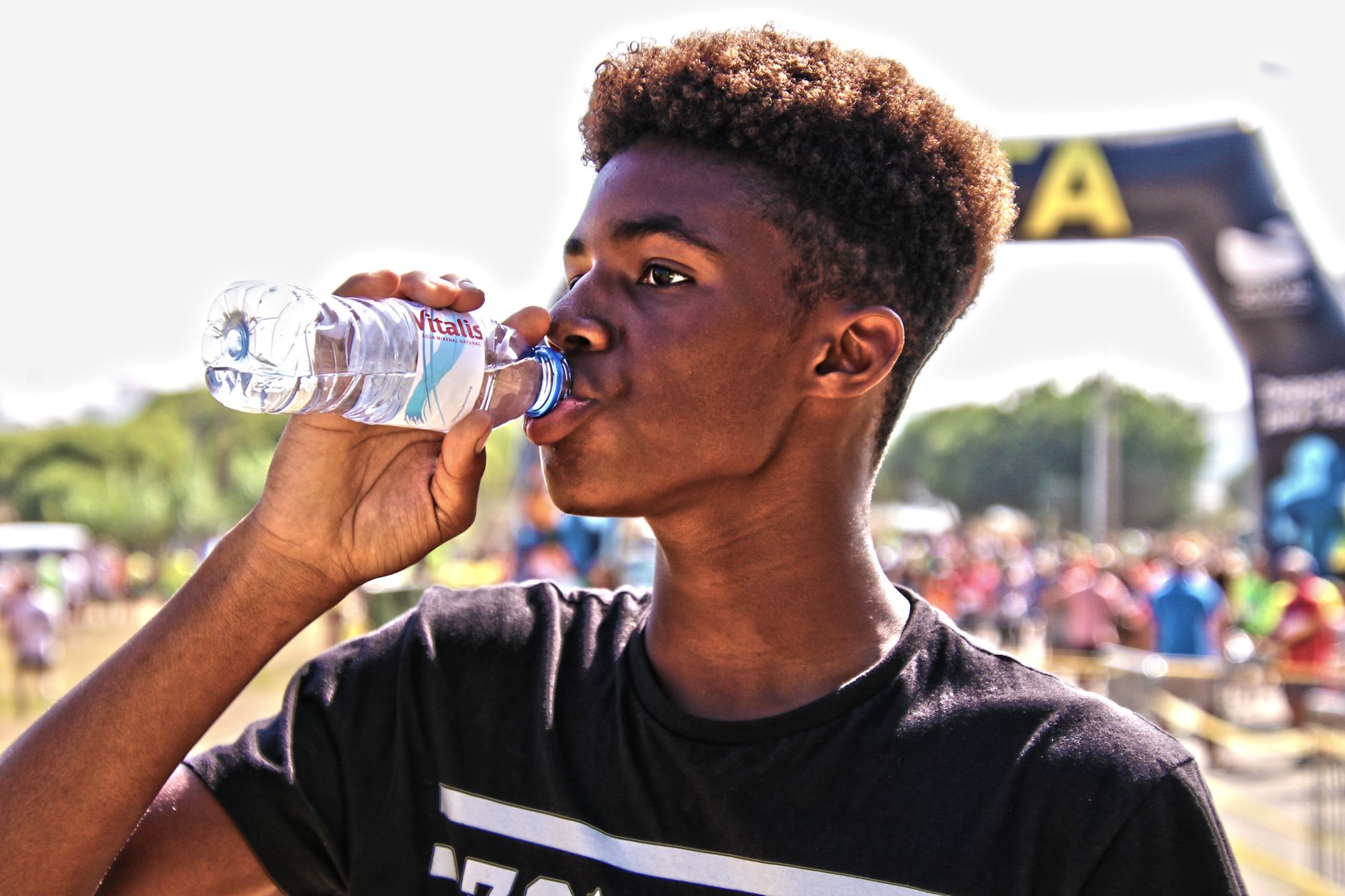
Yes—mixing water with sports drinks during exercise is not only safe, it’s a standard practice among endurance athletes who need to fine-tune electrolyte and carbohydrate delivery to match individual sweat rates, exercise intensity, and gut tolerance. Commercial sports drinks are formulated for average conditions (moderate-high intensity, 800-1200 mL/hr sweat rate), but diluting by 25-50% lets you dial in sodium concentration, carbohydrate percentage, and osmolality to your physiology rather than accepting a one-size-fits-all solution.
Yes—Mixing Water and Sports Drinks Is Not Only Safe, It’s Often Optimal
Mixing water into sports drinks is both safe and often more effective than drinking them at full strength. The reason is physiological variability: sweat sodium concentration ranges from 200 mg/L in light sweaters to over 2000 mg/L in heavy sweaters, and exercise intensity dictates carbohydrate needs anywhere from zero grams per hour (easy zone 2) to 90+ grams per hour (ultra-endurance efforts). Commercial formulations target the middle—Gatorade delivers roughly 460 mg sodium and 14 g carbohydrate per 8 oz serving—but that middle may overshoot or undershoot your actual requirements.
Dilution allows you to independently control three performance variables. First, sodium concentration: if you’re a light sweater doing a 90-minute tempo run, full-strength Gatorade may deliver more sodium than you’re losing, risking GI distress or unnecessary electrolyte load. Cutting it 50% with water drops sodium to ~230 mg per 8 oz, closer to your replacement need. Second, carbohydrate concentration: sessions under 60 minutes at moderate intensity rarely require exogenous carbs, but a 6% sports drink solution still delivers sugar you don’t need. Diluting to 3% gives you electrolytes without the bloat. Third, osmolality: isotonic solutions (280-330 mOsm/kg, similar to blood plasma) empty from the stomach at an optimal rate, but hypertonic drinks (>330 mOsm/kg, common in concentrated gels or powders mixed too strong) slow gastric emptying and can cause cramping. Adding water brings osmolality back into the isotonic or hypotonic range, speeding absorption.
The key insight from science-backed sports drink reviews is that elite and serious recreational athletes rarely drink commercial formulations exactly as labeled. They adjust.
Why Athletes Mix: Controlling Sodium, Carbs, and Osmolality
Athletes dilute sports drinks to independently tune three variables that directly affect performance: sodium concentration, carbohydrate delivery, and osmolality. Each variable influences a different physiological outcome—hydration status, fuel availability, and gastric emptying rate—and individual needs vary widely based on sweat rate, workout duration, intensity, and gut tolerance.
Sodium: Matching Your Sweat Loss Rate
Sweat sodium concentration is genetically determined and highly individual. Research on endurance athletes shows a range from 200 mg/L (very light sweaters) to over 2000 mg/L (heavy, salty sweaters who finish runs with visible salt crusts on skin and kit). Most athletes cluster between 500-1200 mg/L, but outliers exist at both ends.
If you’re losing 1500 mg sodium per hour and drinking a sports drink that delivers only 460 mg/L (standard Gatorade concentration), you’d need to consume over 3 liters per hour to replace losses—impractical and likely to cause GI distress from fluid volume alone. The solution: drink full-strength or slightly concentrated sports drink and add sodium from another source (salt tabs, pickle juice, or salty food). Conversely, if you’re losing 400 mg/hr and drinking 1 liter of full-strength Gatorade (460 mg), you’re overshooting replacement by 15%, which for most athletes is harmless but can cause bloating or nausea in sodium-sensitive individuals. A 50% dilution (230 mg/L) better matches your actual loss.
Sweat testing—either in a lab (Gatorade Sports Science Institute, university exercise physiology labs) or via field trials (weigh before/after a controlled 60-minute effort, calculate sweat rate, estimate sodium loss using published averages)—is the gold standard for personalizing sodium intake. Until you have data, a 50% dilution is a safe starting point for moderate-intensity efforts under 90 minutes.
Carbohydrate: Fueling Intensity and Duration
Carbohydrate needs scale with intensity and duration, not just total exercise time. A 45-minute HIIT session burns glycogen aggressively but finishes before liver and muscle stores deplete; plain water or a lightly diluted drink suffices. A 3-hour zone 2 endurance ride burns fat preferentially but still requires 30-60 g carbohydrate per hour to maintain blood glucose and delay central fatigue.
Commercial sports drinks deliver 6-8% carbohydrate solutions (6-8 g per 100 mL). That concentration is ideal for efforts longer than 90 minutes at moderate-high intensity, where the gut can tolerate and absorb 60-90 g/hr. For shorter efforts (60-90 min), many athletes prefer 3-4% solutions to avoid the heavy, sloshing feeling of excess sugar in the stomach. Diluting a 6% drink with an equal volume of water yields a 3% solution—half the carbs, same electrolytes per absolute volume consumed.
The practical decision tree: if your session is under 60 minutes and moderate intensity, water alone is sufficient. Between 60-90 minutes, a 3-4% solution (diluted sports drink or low-carb electrolyte powder) provides insurance without overloading the gut. Beyond 90 minutes, full-strength 6-8% solutions maximize fuel delivery, unless your gut signals otherwise (nausea, cramping), in which case back off to 4-5% and supplement with gels or real food.
Osmolality: Gastric Emptying and Absorption Speed
Osmolality measures the concentration of dissolved particles (electrolytes, sugars) in a solution, expressed in milliosmoles per kilogram (mOsm/kg). Blood plasma sits around 280-290 mOsm/kg. Drinks are classified as hypotonic (<280), isotonic (280-330), or hypertonic (>330).
Hypotonic solutions empty from the stomach faster than isotonic or hypertonic, but deliver fewer electrolytes and carbs per volume. They’re ideal for short, intense efforts where rapid fluid delivery matters more than fuel. Isotonic solutions balance gastric emptying speed with nutrient delivery; this is the target zone for most endurance sports drinks. Hypertonic solutions (common when athletes over-concentrate powder, mix gels with minimal water, or combine multiple carb sources) slow gastric emptying, increase nausea risk, and can cause cramping as the gut pulls water from blood to dilute the solution before absorbing it.
Mixing water into a hypertonic drink brings osmolality back down into the isotonic or hypotonic range. If you’ve ever felt nauseous after a gel taken with only a sip of water, you’ve experienced hypertonic overload. The fix: chase gels with 4-6 oz water, or pre-dilute concentrated sports drink powders to manufacturer specs rather than “eyeballing” scoops into your bottle.
Sport-Specific Dilution Strategies
Different sports impose different constraints on fluid intake, gastric emptying, and electrolyte needs. What works for a cyclist (high fluid intake, stable gut blood flow) doesn’t translate to a runner (GI sloshing, reduced splanchnic perfusion) or a CrossFit athlete (short, explosive intervals with limited drinking windows). Here’s how to tailor dilution by discipline.
Triathlon: Full-Strength on the Bike, Diluted or Alternated on the Run
The bike leg of a triathlon is your fueling opportunity. Gastric emptying is efficient when upright and pedaling at steady power, and you can carry large fluid volumes in frame-mounted bottles. Drink full-strength sports drink (6-8% carbohydrate, 400-700 mg/L sodium) at 150-250 mL every 15 minutes to bank both fluid and fuel before the run. If the bike leg exceeds 90 minutes, aim for 60-90 g carbohydrate per hour from drink plus gels or bars.
The run leg changes the equation. Running’s vertical oscillation and reduced gut blood flow (shunted to working muscles) slow gastric emptying and increase nausea risk. Many triathletes switch to one of two strategies: alternating sips of full-strength sports drink with plain water at aid stations, or pre-diluting bottles 50% to reduce carbohydrate concentration and osmolality. The latter approach is common in Ironman, where run aid stations are spaced 1 mile apart and athletes grab cups on the fly. A 50% diluted bottle sipped every 10-15 minutes delivers steady, gut-friendly hydration without the sugar spike that can trigger GI rebellion at mile 18.
For sprint and Olympic-distance triathlons (runs under 60 minutes), some athletes skip sports drinks entirely on the run, relying on bike-leg fueling and plain water to finish. Test your protocol in brick workouts—never on race day.
HIIT and CrossFit: Light Dilution or Hypotonic for Rapid Sessions
CrossFit WODs, Tabata intervals, and other high-intensity efforts under 45 minutes deplete glycogen but rarely require mid-session carbohydrate. Sweat losses are real (intensity drives sweat rate independent of duration), but total fluid volume is low—often under 500 mL for a 30-minute AMRAP. Plain water suffices for single sessions. If you’re doing back-to-back WODs or a 90-minute class with multiple efforts, a 25-50% diluted sports drink between rounds prevents sodium deficit without sitting heavy in the gut.
The key is osmolality. Hypertonic drinks are disastrous during high-intensity intervals; they slow gastric emptying just when you need rapid fluid delivery to offset sweat loss and maintain cardiac output. A hypotonic solution (water with a splash of sports drink, or a low-carb electrolyte powder like LMNT mixed at half strength) empties fast and keeps you moving. For heavy sweaters, 2-4 oz of Fast Pickle mixed with 12-16 oz water delivers 700-900 mg sodium with zero carbs—ideal for fasted training or athletes following low-carb fueling strategies.
Marathon and Long-Distance Running: Isotonic Throughout, Adjusted for Heat
Marathon hydration is a tightrope: under-drink and you fade from dehydration and glycogen depletion; over-drink and you risk hyponatremia (low blood sodium from dilution). The standard protocol is isotonic sports drink—Gatorade Endurance, Nuun Endurance, or a similar formulation delivering 300-500 mg sodium and 6-8% carbohydrate—consumed at 150-250 mL every 15-20 minutes (roughly 4-6 oz per aid station if they’re spaced every mile).
In heat (above 75°F), sweat rate climbs and some runners increase total fluid intake by alternating sports drink and plain water at aid stations—sports drink at miles 3, 6, 9, etc., water in between. This maintains sodium and carb delivery while meeting elevated fluid needs. The risk is over-dilution: if you’re drinking two cups of water for every one cup of sports drink, you may undershoot sodium replacement. Monitor for early hyponatremia signs (puffy hands, nausea, confusion) and adjust.
In cold weather (below 50°F), sweat rate drops and some runners reduce dilution or add sodium tabs to full-strength drinks, since they’re consuming less total volume but still need electrolyte density to match what they do lose. The margin for error is wider in cold races, but don’t assume you can skip hydration—dehydration still impairs performance, just more slowly.
How to Mix: Practical Ratios and Bottle Strategies
Mixing sports drinks with water is straightforward, but precision matters for dialing in your personal formula. Here’s a step-by-step approach that moves from generic to individualized.
Start with the manufacturer’s recommended mix—typically one scoop or packet per 16-20 oz water. This yields the labeled carbohydrate and sodium concentrations (e.g., Gatorade powder mixed per instructions gives you 6% CHO and ~460 mg/L sodium). Taste it. Drink it during a controlled training session that mirrors race intensity and duration. Note GI comfort, energy levels, thirst, and any cramping.
For 50% dilution, add an equal volume of water to your mixed drink. If you mixed one scoop into 16 oz per label, add another 16 oz water for a total of 32 oz at half concentration (3% CHO, ~230 mg/L sodium). This is the most common dilution ratio and a safe starting point for efforts under 90 minutes or athletes with sensitive stomachs.
For 25% dilution, add one part water to three parts mixed drink. Using the same example: mix one scoop into 16 oz, then add 5 oz water for ~21 oz total. This yields roughly 75% of labeled concentration (4.5% CHO, ~345 mg/L sodium) and works well for athletes who need slightly less than full-strength but more than a 50% cut.
The two-bottle method is popular in triathlon and cycling: carry one bottle of full-strength sports drink and one bottle of plain water. Alternate sips—two sips of sports drink, one sip of water—to self-titrate in real time based on thirst, sweetness fatigue, or gut feedback. This approach offers maximum flexibility but requires discipline to avoid unconsciously favoring one bottle (usually the water, since it tastes cleaner) and under-fueling.
Measure outcomes. Log the dilution ratio, total volume consumed, weather conditions, perceived exertion, GI comfort (rate 1-10), and any cramping or bonking. After 3-4 sessions at the same ratio, adjust: if you felt great, lock it in. If you cramped, increase sodium (less dilution or add pickle juice). If you felt nauseous, increase dilution or reduce carbohydrate. Iteration beats guesswork.
Common Mixing Mistakes and How to Avoid Them
Diluting sports drinks is simple in concept but easy to misapply. Here are the most common errors and their fixes.
Over-diluting in ultra-endurance events, especially those lasting 6+ hours, can create a sodium deficit even if you’re drinking high volumes. If you’re consuming 3 liters of 50% diluted Gatorade over 6 hours, you’re getting roughly 690 mg sodium—well below the 3000-6000 mg many ultra athletes lose in that window. The result: hyponatremia, muscle cramping, or cognitive fog. Fix: use full-strength sports drink for ultra events, or supplement diluted drinks with pickle juice (2-4 oz Fast Pickle adds 700-900 mg sodium), salt tabs, or salty real food.
Mixing incompatible products without checking total osmolality. Example: you add 2 oz of concentrated pickle juice to 16 oz of already-hypertonic sports drink (mixed too strong), spiking osmolality above 400 mOsm/kg. The result: severe nausea and gastric distress. Fix: if you’re adding pickle juice or another electrolyte source, dilute the base sports drink with extra water to compensate, or use pickle juice with plain water instead of a carb-based drink.
Not accounting for sodium from gels, bars, and real food. If you’re eating pretzels, salted nut butter, or sodium-containing gels alongside a full-strength sports drink, you may be doubling up on sodium unnecessarily. For most athletes this is harmless (excess sodium is excreted), but it can cause bloating or thirst. Fix: calculate total sodium intake from all sources; if gels and food contribute 400+ mg/hr, consider diluting your drink 25-50%.
Under-diluting in heat, mistakenly thinking that hotter conditions require more concentrated electrolyte solutions. Heat increases sweat rate (volume), not sweat sodium concentration—your per-liter sodium loss stays roughly constant, but you’re losing more liters. Fix: in heat, increase total fluid intake (potentially by drinking more diluted solution, more frequently) rather than increasing concentration.
Skipping taste tests before race day. A 50% diluted sports drink may taste perfect in training but unpalatably weak under race-day stress, or vice versa. Fix: simulate race nutrition in at least two long training sessions, ideally at race pace and in similar weather. Taste preferences shift under fatigue and heat; what you tolerate fresh may not work at mile 18.
When Plain Water Is Enough—and When It Isn’t
Plain water meets hydration needs for the majority of exercise sessions most athletes perform—but there’s a clear threshold beyond which water alone becomes performance-limiting. Understanding that threshold prevents both under-fueling and unnecessary product consumption.
The 60-minute rule is a reasonable starting point: if your effort is under 60 minutes at conversational pace (zone 1-2, roughly 60-75% max heart rate) and conditions are moderate (50-70°F, low humidity), plain water suffices. You’ll lose some sodium and burn some glycogen, but total losses are small enough that post-exercise meals will fully replenish both without performance consequence. Sweat losses under 500 mL don’t meaningfully alter blood volume or electrolyte balance in healthy athletes.
Beyond 60 minutes, or at higher intensity, the calculus shifts. A 90-minute tempo run or a 2-hour zone 2 ride depletes glycogen stores to the point where exogenous carbohydrate (20-30 g/hr minimum) measurably delays fatigue. Sodium losses in a 90-minute effort can reach 800-1500 mg for heavy sweaters, and replacing even half of that with a diluted sports drink improves fluid retention and reduces post-exercise recovery time compared to water alone.
Heat and humidity collapse the 60-minute threshold. A 40-minute tempo run in 85°F heat with 70% humidity can generate 1+ liter of sweat loss and 600-1000 mg sodium loss—enough to impair performance if you drink only water. In these conditions, even short efforts benefit from a diluted sports drink or electrolyte water. Research suggests that starting exercise mildly hypohydrated (common in morning workouts before athletes have fully rehydrated from overnight) also lowers the intensity threshold where sports drinks become beneficial.
The clear signal that water isn’t enough: muscle cramping that doesn’t resolve with stretching, a persistent sensation of thirst despite drinking, or a performance drop (fading pace, spiking perceived exertion) in the final third of a workout. These symptoms indicate sodium deficit, glycogen depletion, or both—all addressable with appropriate sports drink use.
Pickle Juice as a Mixing Agent: Adding Sodium Without Extra Carbs
Pickle juice has earned a place in serious athletes’ hydration toolkit as a concentrated sodium source that delivers electrolytes without carbohydrate, making it ideal for athletes who get fuel from gels, bars, or real food and need only sodium replenishment. Fast Pickle—a premium, athlete-grade pickle juice formulated specifically for performance—delivers 700-900 mg sodium per 2-4 oz serving with zero sugar, making it one of the most electrolyte-dense natural options available.
The mixing protocol is simple: combine 2-4 oz Fast Pickle with 12-16 oz water to create a hypotonic, sodium-forward electrolyte drink. The result is roughly 400-600 mg sodium per 16 oz—comparable to full-strength Gatorade but without the 14 g of sugar. This ratio works exceptionally well for fasted training (common in early-morning sessions or athletes following time-restricted eating), low-carb or ketogenic athletes who avoid intra-workout carbs, and heavy sweaters who need sodium density beyond what typical sports drinks provide.
Fast Pickle also functions as a sodium booster for diluted sports drinks. If you’ve cut your Gatorade 50% with water to reduce carbs and improve gut tolerance, but you’re still cramping from sodium deficit, add 1-2 oz Fast Pickle to the mix. You’ll restore sodium concentration to full-strength levels (or beyond) while keeping carbohydrate at your preferred lower dose. This approach is popular among Ironman triathletes on the run leg, where GI distress is common but sodium needs remain high.
Compared to salt tabs (which require swallowing pills mid-effort and can cause localized stomach irritation) or high-sodium electrolyte powders like LMNT (which include potassium and magnesium, sometimes triggering GI upset in sensitive athletes), pickle juice offers a liquid, food-based sodium source that many athletes find gentler and faster-acting. The trade-off is taste: pickle brine is polarizing, and some athletes find it unpalatable even diluted. Test it in training—athletes who tolerate it typically prefer it to pills, but there’s no middle ground.
Pickle juice also delivers small amounts of potassium (30-50 mg per serving) and vinegar’s acetic acid, which some research suggests may improve glycogen resynthesis post-exercise, though evidence is preliminary. The primary value remains concentrated sodium in a zero-calorie, naturally sourced liquid form.
Testing Your Personal Mix: Sweat Testing and Field Trials
Individualizing your sports drink dilution requires knowing your sweat rate and, ideally, your sweat sodium concentration. Lab-based sweat testing provides the gold standard, but field trials offer a practical, free alternative that yields actionable data within a single training session.
Lab sweat testing is available through the Gatorade Sports Science Institute, university exercise physiology labs, and some specialized sports medicine clinics. The protocol involves exercising at controlled intensity (usually 60-75% VO2max) in a climate chamber while technicians collect sweat via absorbent patches placed on your forearm, back, or forehead. Analysis measures sodium, chloride, potassium, and sometimes magnesium concentration in milligrams per liter. Results tell you whether you’re a low, average, or high-sodium sweater and allow precise calculation of replacement needs. Cost ranges from $100-$300, and the test takes 60-90 minutes including setup and cooldown. It’s worth doing once if you’re training for an Ironman, ultra-marathon, or other event where sodium management is performance-critical.
Field sweat testing skips the lab but still yields usable data. The protocol: weigh yourself naked (or in minimal, dry clothing) immediately before a 60-minute workout at the intensity and in the conditions (heat, humidity, indoor/outdoor) you’re trying to optimize for. Don’t drink during the session. Towel off all visible sweat immediately after, then weigh again. The difference in kilograms equals liters of sweat lost (1 kg = 1 L). Repeat the test 2-3 times to confirm consistency.
Once you know sweat rate, estimate sodium loss using published averages: light sweaters lose ~400 mg/L, average sweaters 700-900 mg/L, heavy sweaters 1200-1500 mg/L. If you finish workouts with visible salt crusting on skin or clothing, assume you’re on the higher end. Multiply sweat rate (L/hr) by estimated sodium concentration (mg/L) to get total sodium loss per hour. That number is your replacement target—aim to replace 50-80% of it via sports drinks, pickle juice, or food, since replacing 100% is often impractical and unnecessary (your body tolerates moderate sodium deficits over short durations).
Field trials for testing dilution ratios: pick a target ratio (e.g., 50% dilution), mix it precisely, and use it exclusively during a long training session (90+ minutes) that simulates race effort. Rate GI comfort on a 1-10 scale at the midpoint and finish. Note any cramping, bonking, nausea, or sloshing. If you felt great, test the same ratio again to confirm. If you had issues, adjust by 25% in the appropriate direction (more diluted if you felt nauseous or bloated, less diluted if you cramped or faded). After 4-6 trials, you’ll converge on a ratio that balances sodium, carbs, and gut tolerance for your physiology.
Frequently Asked Questions
Can I mix water and sports drinks during exercise?
Yes. Mixing water with sports drinks is safe and often improves performance by letting you tailor electrolyte and carbohydrate concentration to your sweat rate, exercise intensity, and gut tolerance. Many endurance athletes dilute commercial drinks by 25-50% to match their personal needs rather than relying on one-size-fits-all formulations.
What is the best ratio for diluting sports drinks?
A 50% dilution (equal parts sports drink and water) is a common starting point, delivering roughly half the sodium and carbohydrate per volume. Light sweaters or athletes doing sessions under 90 minutes often prefer this ratio. Heavy sweaters or ultra-endurance athletes may use 25% dilution or drink full-strength, supplementing with extra sodium from pickle juice, salt tabs, or electrolyte powders as needed.
Will diluting a sports drink reduce its effectiveness?
Dilution reduces sodium and carbohydrate delivery per liter, but effectiveness depends on matching concentration to your needs. If you’re a light sweater doing a moderate-intensity workout, a diluted drink may be more effective than full-strength because it avoids GI distress and excess sodium. Conversely, heavy sweaters in long events need higher concentrations to replace losses and fuel performance.
Should I use two bottles—one water, one sports drink—or pre-mix?
Both work. The two-bottle method (one full-strength sports drink, one plain water, alternating sips) offers real-time flexibility and is popular in triathlon and long-distance cycling. Pre-mixing a single diluted bottle is simpler for running or HIIT where carrying two bottles is impractical. Choose based on your sport and how precisely you need to control intake during the effort.
Can I add pickle juice to water instead of using a sports drink?
Yes. Mixing 2-4 oz of Fast Pickle with 12-16 oz water creates a zero-carb, high-sodium electrolyte drink ideal for athletes who get calories from gels or real food and need only sodium replenishment. This approach works well for fasted training, low-carb athletes, or heavy sweaters who want to decouple sodium from sugar intake.
How do I know if I’m diluting too much?
Signs of over-dilution include muscle cramping despite adequate fluid intake, lightheadedness, or “heavy legs” during long efforts—symptoms of low sodium. If you’re drinking large volumes of diluted sports drink and still experiencing these issues, reduce dilution, add a sodium source like pickle juice or salt tabs, or switch to full-strength. Sweat testing provides the most precise guidance.
Does mixing water with sports drinks help prevent stomach issues?
Often, yes. Highly concentrated (hypertonic) sports drinks can delay gastric emptying and cause bloating, nausea, or cramping. Diluting to an isotonic or hypotonic concentration (by adding 25-50% water) speeds stomach emptying and reduces GI distress, especially during running or high-intensity intervals where gut blood flow is already compromised. Test dilution ratios in training to find your tolerance threshold.