How Long Does It Take to Rehydrate After Exercise?

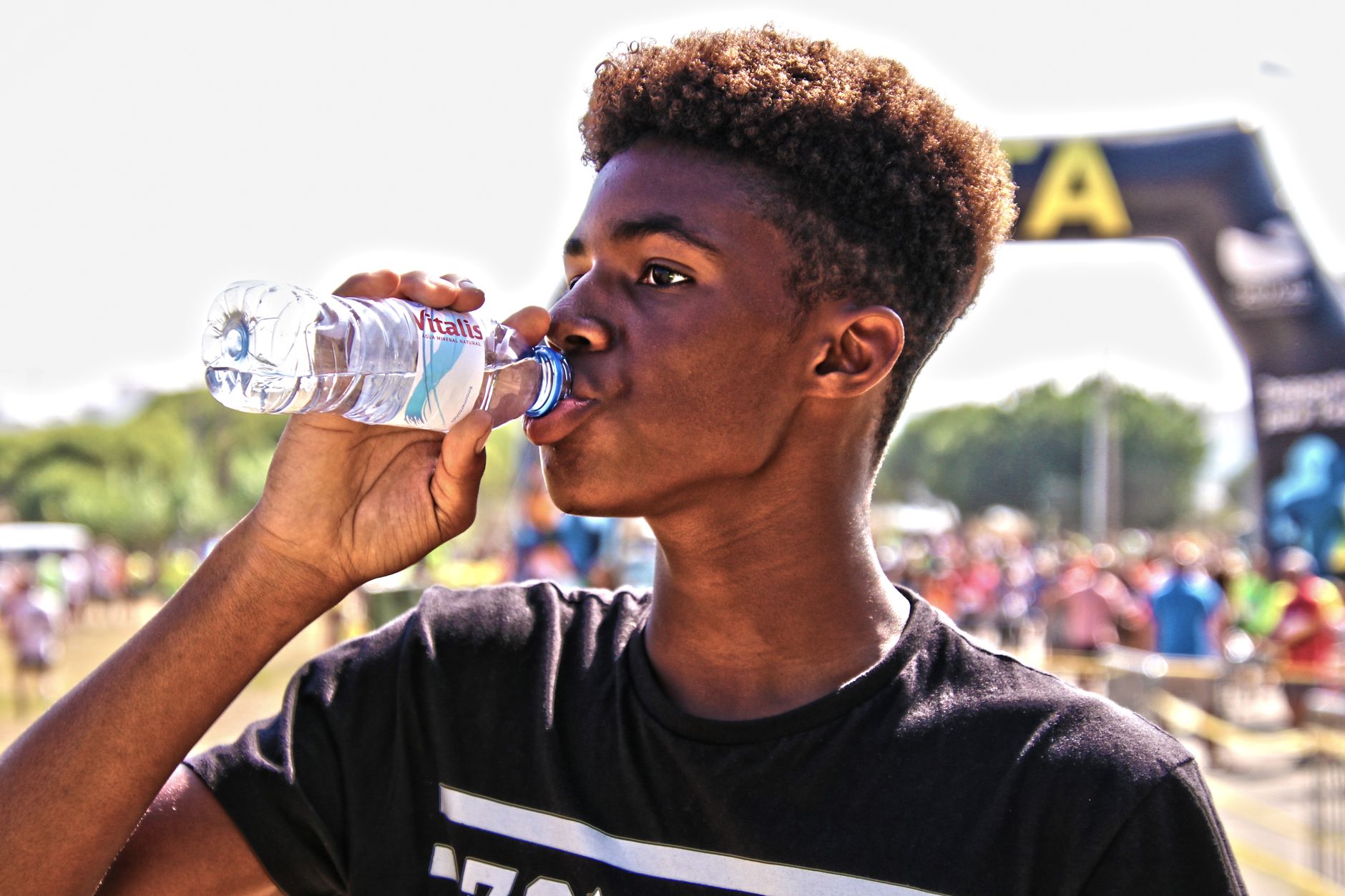
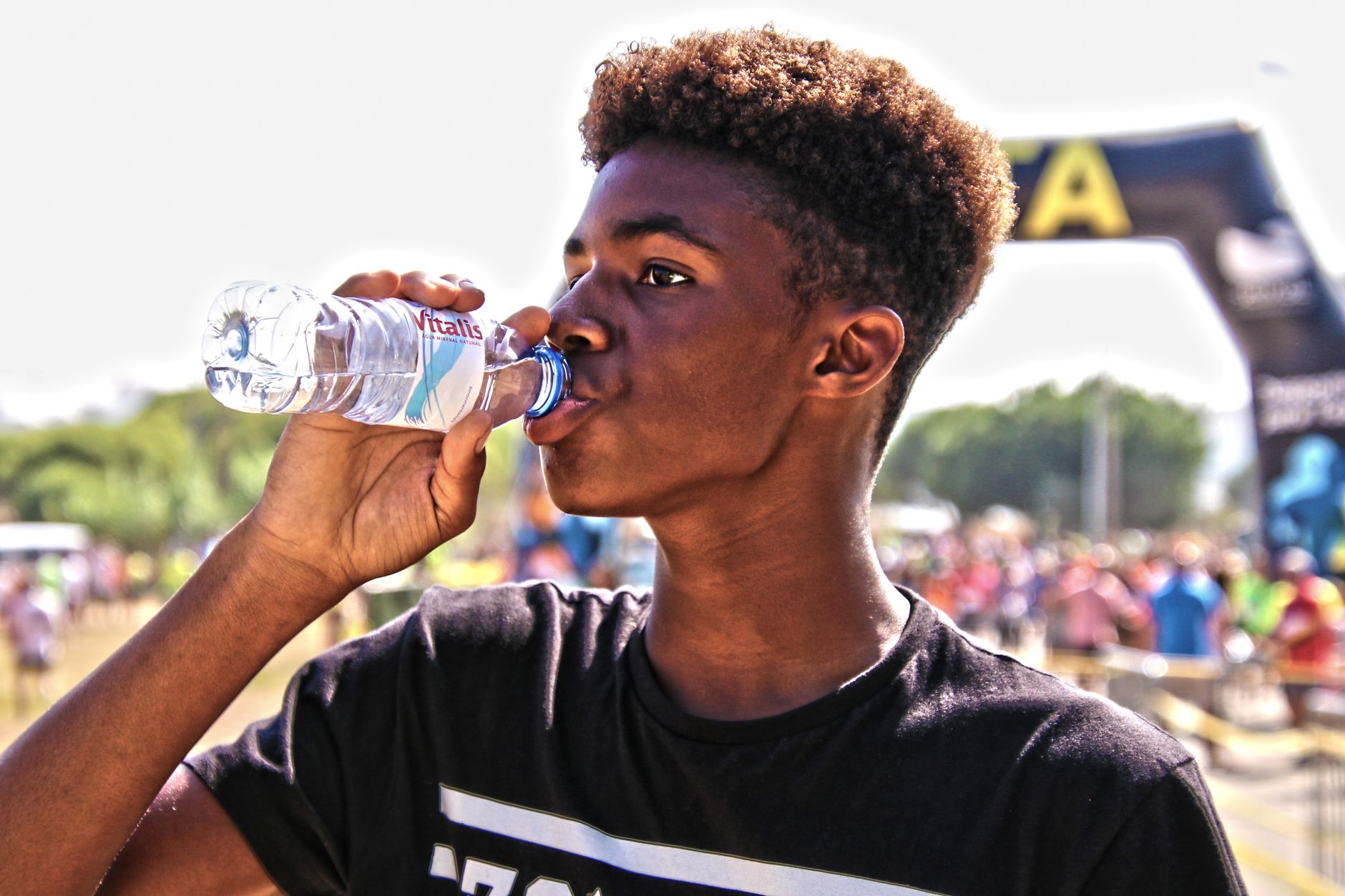
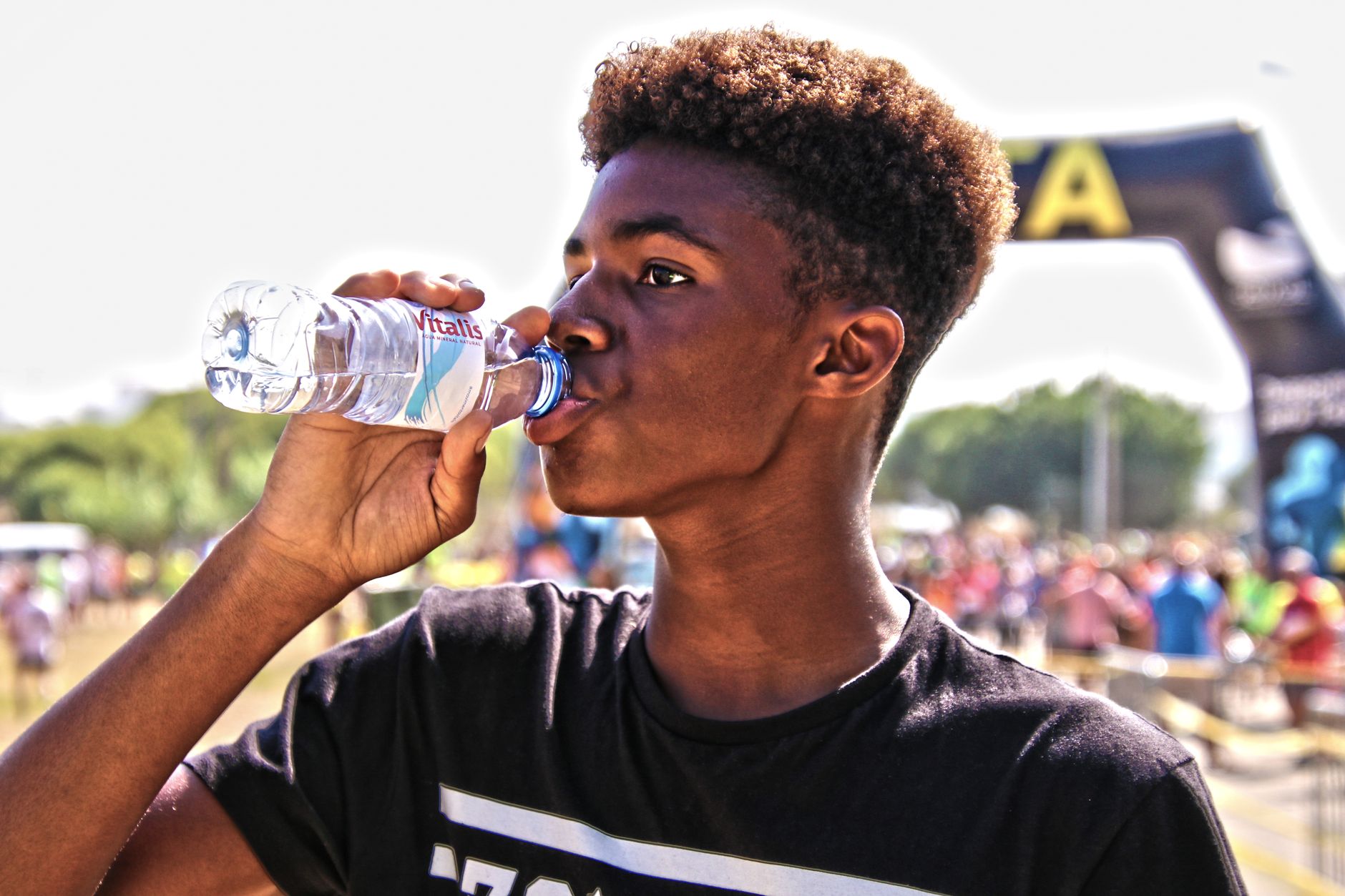
A young man drinking bottled water outdoors at a sporting event, showcasing hydration and fitness.

Full rehydration after exercise takes 2-4 hours for moderate fluid loss (1-2% body weight) and up to 24 hours after prolonged endurance events with heavy sodium depletion. Timeline depends on sweat volume, sodium intake, and whether you’re drinking plain water or electrolyte-rich fluids.

What Are Signs I Am Dehydrated During Workouts?

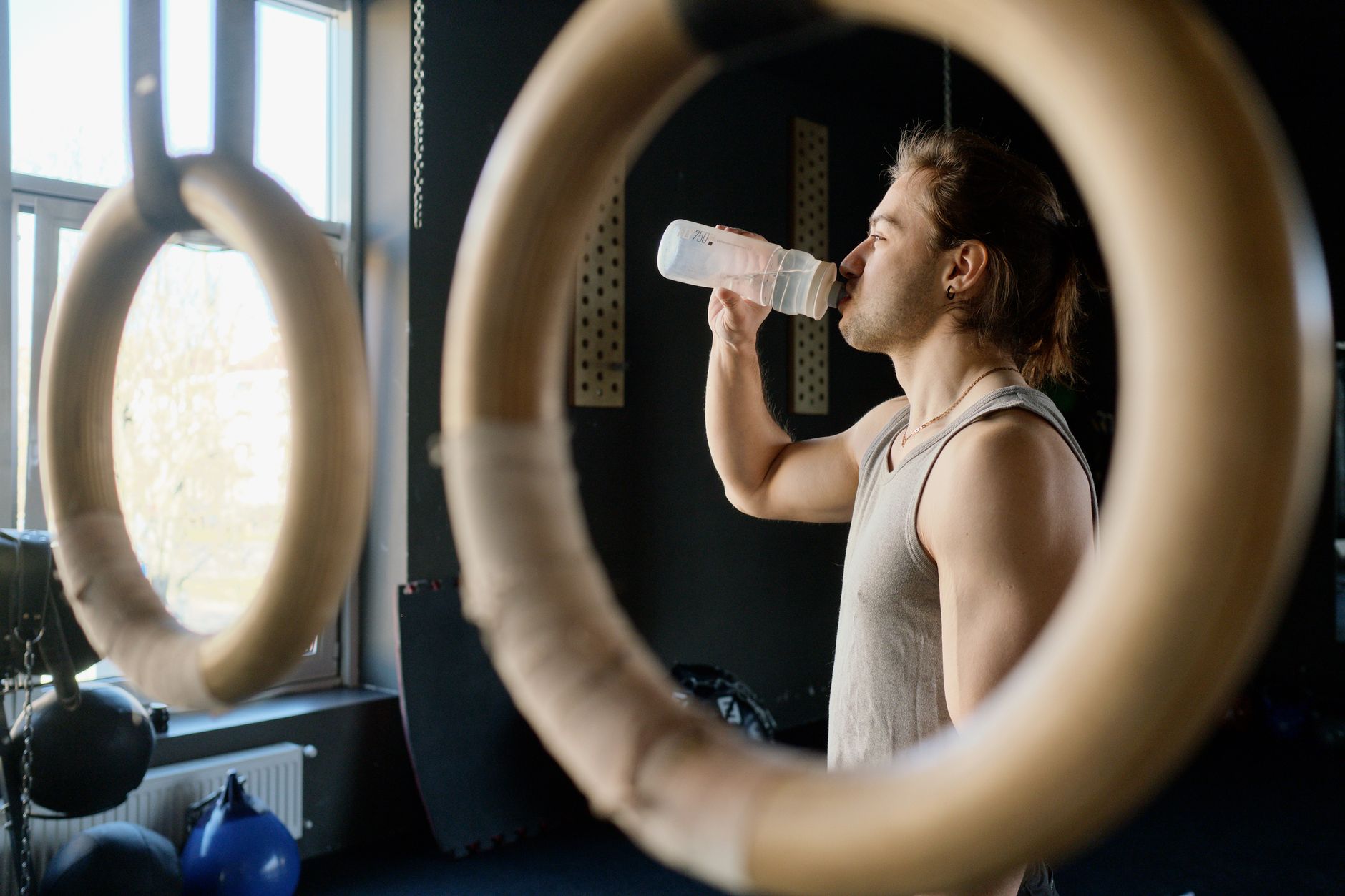
Athletic man drinking water in gym through gymnastic rings for hydration after workout.

Dehydration during workouts typically progresses from thirst lag and reduced sweat output to darker urine, muscle cramps, dizziness, and rapid heart rate. Research shows performance declines begin at just 2% body-weight fluid loss, often before athletes feel noticeably thirsty.

How Does Heat and Humidity Affect Hydration Needs During Exercise?

Two women relaxing and hydrating after a workout in an outdoor stadium seating area.

Heat and humidity force the body to divert more blood to skin cooling, increasing sweat rates by 200–300% and sodium losses by 30–40% compared to temperate conditions. Athletes training above 80°F or 60% humidity need higher fluid and electrolyte intake, earlier pre-hydration, and modified fueling strategies to maintain performance and avoid heat illness.

Is Gatorade Good for Marathon Training?

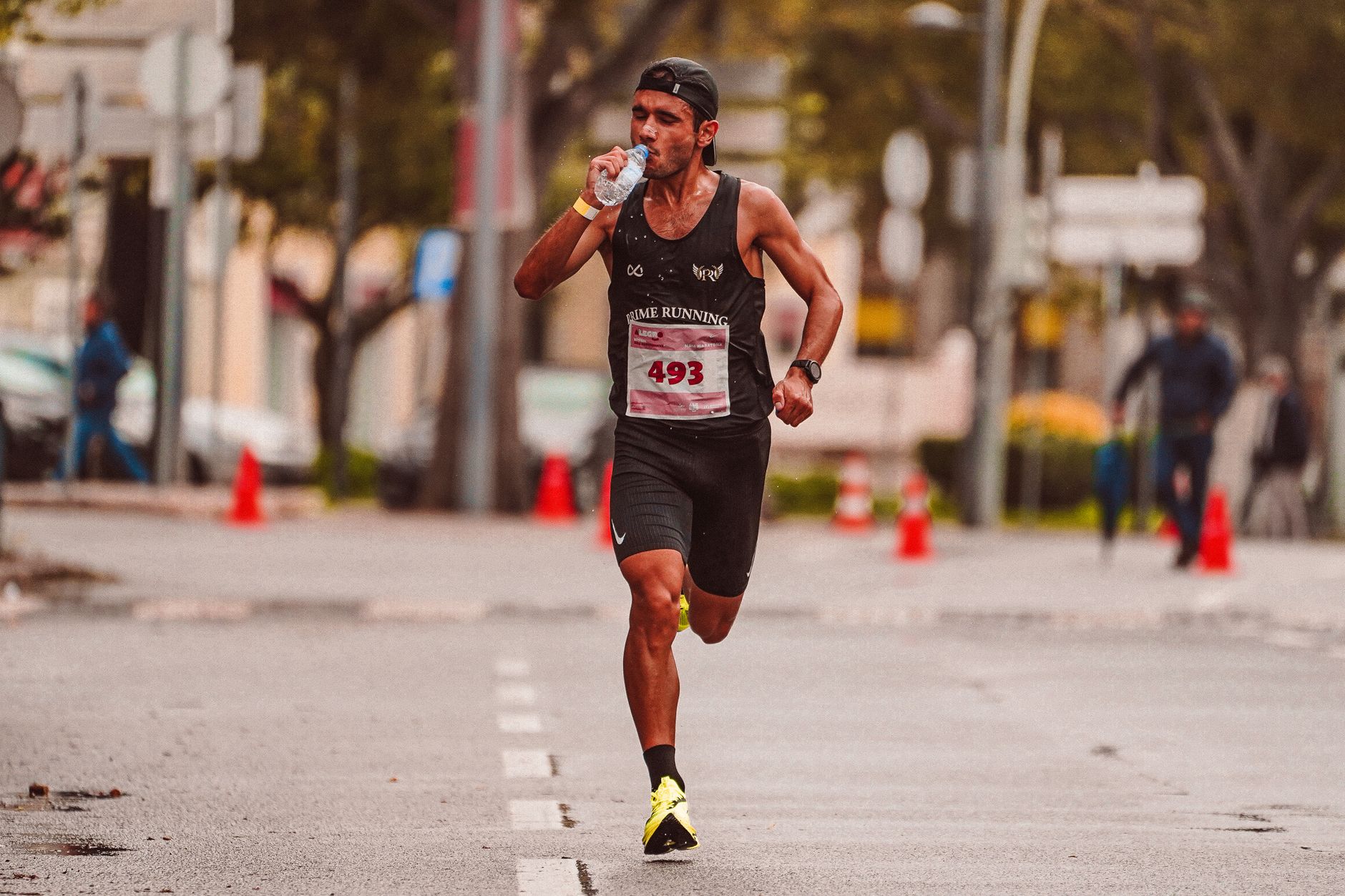
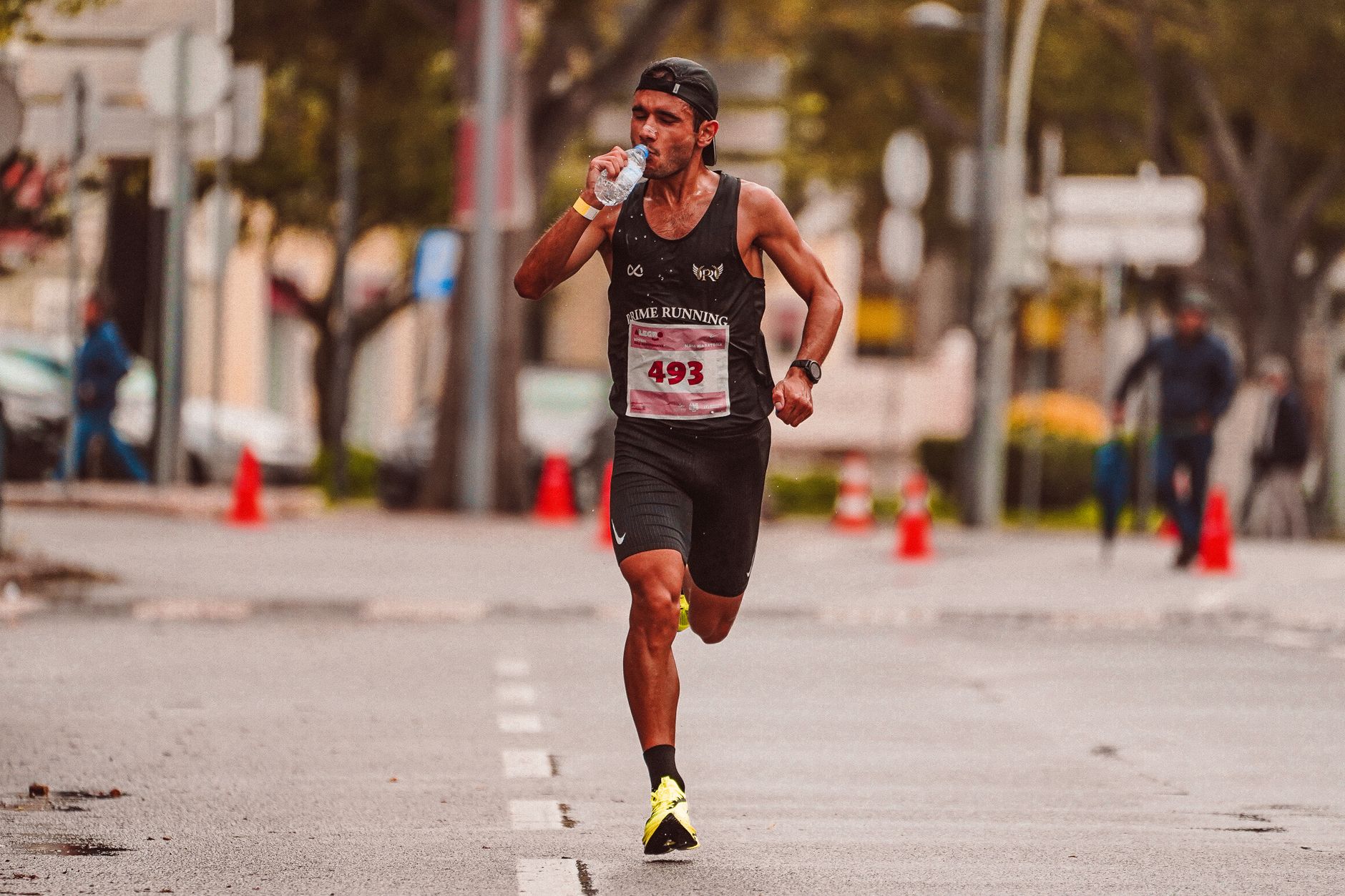
Athlete running in a marathon, staying hydrated. Outdoor city street scene.

Gatorade is adequate for marathon training in temperate conditions and short runs, but its sodium content (160mg per 12oz) is too low for hot-weather races or heavy sweaters. Serious marathoners need 300-500mg sodium per hour plus complex carbs for runs over 90 minutes.