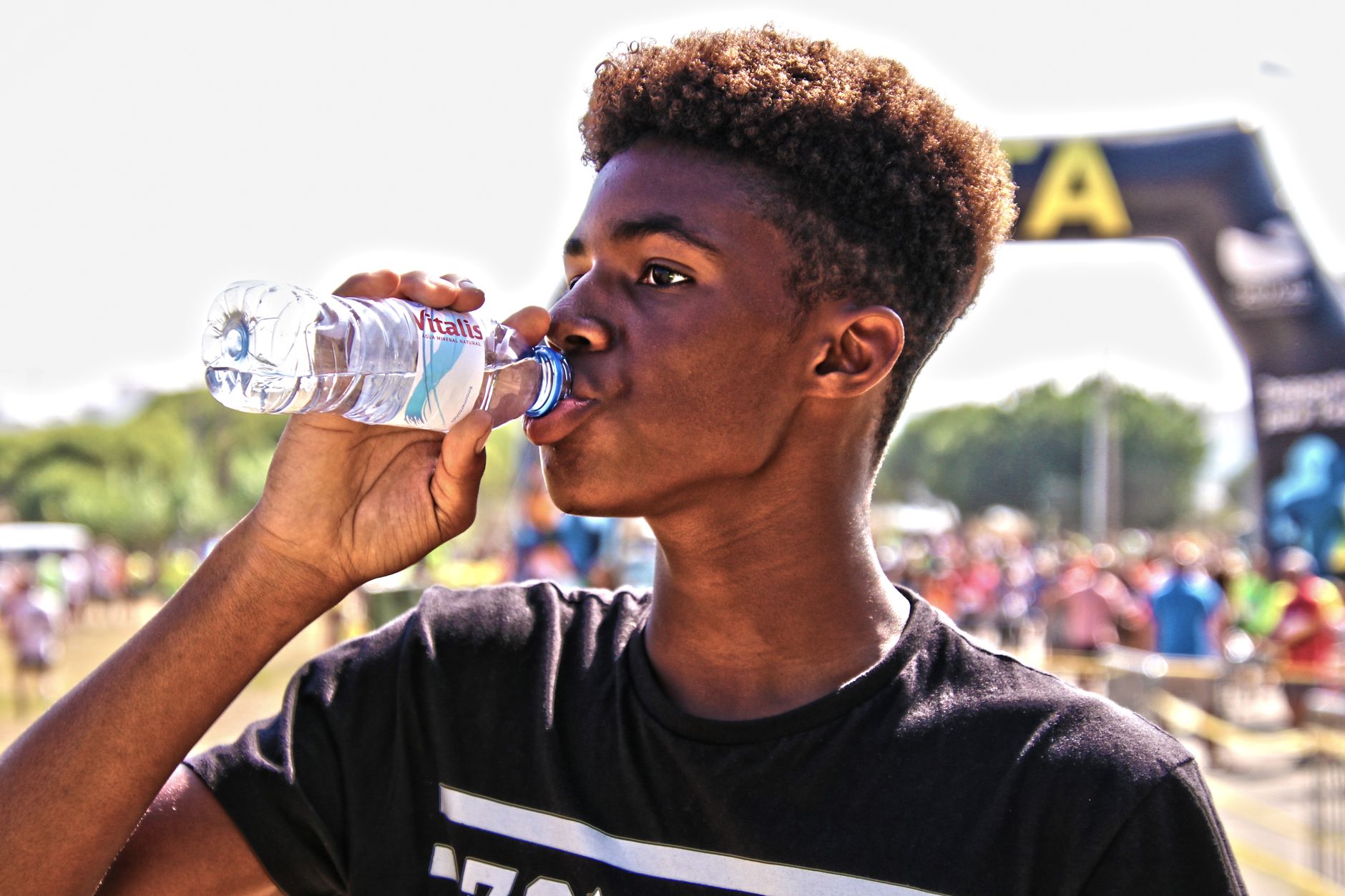
You’re drinking enough during a workout if your urine is pale yellow within 60 minutes post-exercise, you’re losing less than 2% of body weight during the session, and you’re not experiencing muscle cramps or cognitive fog. Most athletes should aim to replace 50-80% of sweat losses during activity—which translates to 400-1,000 mL per hour depending on your sport, sweat rate, and environmental conditions. Here’s how to dial in your hydration strategy using real physiological markers instead of guesswork.
What Are the Real-Time Signs You’re Drinking Enough?
The most reliable real-time indicators of adequate hydration are absence of early muscle cramping, maintained cognitive sharpness during high-intensity intervals, normal saliva consistency, and stable heart rate relative to power output or pace. Thirst is useful but imperfect—by the time you feel thirsty you’ve already lost 1-2% of body weight and entered the zone where performance begins to decline. Heart rate drift is one of the most sensitive markers: if your heart rate climbs 5-10 beats per minute at the same wattage or pace, you’re likely underhydrated even if you don’t feel thirsty yet.
Saliva consistency offers another quick check. When adequately hydrated, saliva remains slippery and abundant. A sticky, tacky mouth or difficulty swallowing signals fluid deficit. Cognitive symptoms appear earlier than many athletes realize—difficulty maintaining focus during complex movements, slowed decision-making in tactical situations, or uncharacteristic irritability during intervals all suggest your brain is operating on a fluid deficit.
Thirst Is a Late Indicator—Here’s Why
Thirst relies on osmoreceptors in your hypothalamus that detect rising blood sodium concentration, but these receptors only trigger the thirst response after you’ve already lost 1-2% of body weight in fluid. Research consistently shows that 2% dehydration reduces power output by 10-15% in endurance events and impairs time-trial performance across cycling, running, and swimming. For a 70 kg athlete, that 2% threshold is just 1.4 kg—easily exceeded in a hard 90-minute session.
The lag exists because your body prioritizes maintaining blood volume and perfusion over signaling discomfort. By the time your brain registers thirst, your blood has already become measurably more concentrated, stroke volume has declined, and your cardiovascular system is compensating with elevated heart rate. Waiting for thirst means you’re always hydrating reactively rather than proactively, which puts you at a performance disadvantage from the start of any sustained effort.
For sessions over 60 minutes, pre-planned drinking intervals based on your sweat rate test (covered below) outperform drinking to thirst alone. That said, thirst still serves as a useful secondary check—if you’re following a hydration plan but feel no thirst at all and your stomach is sloshing, you may be drinking more than necessary.
Heart Rate Drift and Power Output as Hydration Markers
For athletes training with heart rate monitors or power meters, heart rate drift offers objective feedback on hydration status during steady-state efforts. A 5+ bpm increase at the same wattage or pace suggests fluid deficit is forcing your cardiovascular system to compensate with higher heart rate to maintain cardiac output. Cyclists and runners can track this metric in real time during tempo or threshold work; if your HR is creeping up despite holding steady power or pace, increase your fluid intake in the next interval.
HIIT and CrossFit athletes should watch for perceived exertion spikes between rounds. If round three of a workout feels disproportionately harder than round two despite identical rest periods and output, dehydration is likely amplifying neuromuscular fatigue. Swimmers often overlook this because immersion masks sweat loss, but HR drift still occurs—if your usual 400m intervals at threshold are showing elevated HR by the fourth rep, consider whether you’ve been sipping water between sets.
Power output decline is the ultimate performance marker. If you’re a cyclist accustomed to holding 250 watts for an hour and find yourself fading to 235 watts in the final 15 minutes of a similar session, track whether adequate hydration resolves the issue before blaming fitness or fatigue. Dehydration reduces blood flow to working muscles and impairs thermoregulation, both of which directly limit sustainable power.
How Do You Measure Your Sweat Rate?
Measure your sweat rate by weighing yourself naked immediately before a workout, exercising for 60 minutes at race or training intensity, then weighing yourself naked again after toweling off completely. Subtract your post-workout weight from your pre-workout weight (in kilograms or pounds), add any fluid you consumed during the session in liters or ounces, then divide by the number of hours you exercised. The result is your sweat rate in liters per hour or ounces per hour.
Here’s the step-by-step protocol:
- Urinate and weigh yourself naked before the session—this is your baseline weight.
- Record ambient temperature and humidity so you can repeat the test in similar conditions.
- Exercise for exactly 60 minutes at the intensity you plan to race or train at—easy pace yields different sweat rates than tempo or threshold.
- Track fluid intake during the session—every sip from your bottle or hydration pack.
- Towel off completely and weigh naked again—any water on your skin skews the result.
- Calculate: (Pre-weight − Post-weight) + Fluid consumed = Total sweat loss. Divide by hours exercised.
If you weighed 70.0 kg before, 69.2 kg after, and drank 400 mL (0.4 L) during the hour, your sweat loss is (70.0 − 69.2) + 0.4 = 1.2 L/hr. Repeat this test in different temperatures, for different sports, and at different intensities—your sweat rate on a cool morning run will differ significantly from a hot afternoon bike ride or a high-intensity track session.
Sport-Specific Sweat Rate Benchmarks
Typical sweat rates vary by sport and individual physiology. Runners generally lose 0.5-2.0 L/hr, with faster paces and higher temperatures pushing toward the upper end. Cyclists often measure 0.8-1.5 L/hr, slightly lower than runners at equivalent effort due to evaporative cooling from wind. Triathletes see variable rates by discipline—minimal loss during the swim, moderate on the bike, elevated on the run as core temperature climbs through the race.
HIIT and CrossFit athletes typically sweat 0.6-1.2 L/hr during intense interval sessions, though short rest periods and high work density can drive rates higher in hot gyms. Swimmers are the most underestimated group, losing 0.3-0.8 L/hr despite being immersed in water—many swimmers finish long pool sessions significantly dehydrated because they don’t feel hot and assume they’re not sweating.
Individual variability matters more than sport averages. Salty sweaters—identifiable by white crusting on skin or clothing after workouts—can lose 1.5-2.5 grams of sodium per liter of sweat, double the typical 0.5-1.0 g/L range. If you’re a heavy, salty sweater in a hot environment, your sodium needs during a two-hour session can exceed 3,000 mg, which is why products like Fast Pickle—delivering 3,000+ mg sodium in a 3.5 oz shot—have become staples for endurance athletes and HIIT competitors managing high electrolyte losses.
What Does the 2% Body Weight Rule Actually Mean?
The 2% body weight rule means you should not lose more than 2% of your body weight during a single workout or race. For a 70 kg (154 lb) athlete, that threshold is 1.4 kg (3 lb); for an 80 kg (176 lb) athlete, it’s 1.6 kg (3.5 lb). Beyond 2%, aerobic performance declines measurably—research shows reductions in VO₂max utilization, increased reliance on glycogen, and impaired thermoregulation. Beyond 3%, the risk of heat illness rises sharply, especially in warm or humid conditions.
Elite athletes in short, high-intensity events sometimes tolerate 3-4% dehydration because the performance decrement over 60-90 minutes is offset by avoiding the time cost and GI distress of drinking. This is not a strategy recreational or age-group athletes should adopt—your margin for error is smaller, your heat tolerance is typically lower, and the cumulative training stress of repeatedly finishing sessions severely dehydrated impairs recovery and increases injury risk.
Weigh yourself before and after key training sessions, especially long runs, hard bike rides, and outdoor HIIT workouts in the heat. If you’re consistently finishing 3+ pounds lighter, you’re underhydrating and leaving performance on the table. Adjust your drinking plan upward until you’re landing in the 1-2% loss range, which represents an acceptable balance between staying hydrated and avoiding the GI burden of drinking excessively during hard efforts.
Post-Workout Urine Color: The Easiest Check
Your urine should return to pale straw yellow within 60-90 minutes after finishing a workout. This simple visual check confirms you drank enough during the session and are rehydrating effectively afterward. If your urine is still dark yellow or amber two hours post-exercise, you underhydrated during the workout or you’re not replacing fluids quickly enough in recovery.
Use the urine color chart as a quick reference: pale straw indicates adequate hydration, light yellow is acceptable, darker yellow suggests mild dehydration, and amber or honey-colored signals significant fluid deficit. The first urination after a workout is often darker due to concentrated waste products, but the second or third should lighten considerably if you’re drinking appropriately.
Keep in mind that B vitamins (especially B2/riboflavin in many multivitamins and energy drinks), beet consumption, and certain medications can temporarily brighten or darken urine independent of hydration status. If you’ve taken a B-complex supplement or eaten beets in the past few hours, interpret color with caution and rely on other markers like body weight change and perceived recovery.
Do Cramps or Cognitive Fog Mean You’re Underhydrated?
Muscle cramps during or after exercise are multifactorial—driven by sodium loss, neuromuscular fatigue, muscle damage, and sometimes inadequate conditioning for the effort—but dehydration is a major contributing trigger, especially when combined with electrolyte depletion. If you’re cramping in the final third of long runs, late in cycling centuries, or during the last rounds of HIIT sessions, insufficient fluid and sodium intake are prime suspects.
Research on cramping mechanisms points to altered neuromuscular control when sodium concentration in the interstitial fluid around muscle fibers drops too low. This is why sodium-rich interventions like pickle juice work so quickly for cramp relief—Fast Pickle’s 3,000+ mg sodium per 3.5 oz shot, combined with acetic acid that triggers transient receptor potential (TRP) channels in the mouth and throat, can abort a cramp within 30-90 seconds by resetting the neural misfiring that causes involuntary contraction.
Cognitive symptoms—difficulty focusing on technical movements, slowed decision-making in tactical sports, irritability, or a vague sense of mental fog—appear around 2% dehydration and worsen as fluid deficit increases. Your brain is highly sensitive to changes in blood osmolality and perfusion; even mild dehydration impairs executive function, reaction time, and mood. If you notice mental sharpness declining during intervals or complex drills, assess whether you’ve been drinking enough and consider adding sodium to your hydration plan for the next session.
How Much Should You Actually Drink During Exercise?
Replace 50-80% of your sweat losses during exercise—full replacement is difficult to achieve without GI distress, and mild dehydration within the 1-2% range is performance-neutral or even advantageous in shorter efforts by avoiding the gut burden of excessive fluid sloshing. For sessions under 60 minutes at moderate intensity, water alone is usually sufficient. Once you cross 60 minutes or enter hot conditions, add sodium at 300-700 mg per liter of fluid to maintain plasma sodium concentration and enhance fluid retention.
For sessions over 90 minutes or in high sweat rate scenarios (hard efforts in heat, salty sweaters, high-intensity intervals), sodium needs climb into the range where standard sports drinks may fall short. A typical sports drink delivers 200-400 mg sodium per 500 mL serving; if you’re sweating 1.5 L/hr and losing 1.5 g sodium per liter of sweat, you’re facing a 2,250 mg/hr sodium deficit. This is where concentrated electrolyte products come into play—Fast Pickle’s 3.5 oz shots deliver a full day’s sodium in a single serving, making them ideal for pre-loading before long efforts or rapid repletion during cramp-prone events. Alternatives like LMNT packets (1,000 mg sodium), Nuun Sport tablets (300 mg), and Skratch Hydration Mix (380 mg per serving) allow you to titrate sodium based on your tested sweat losses.
Avoid the trap of drinking to a predetermined schedule that ignores your physiology. A 50 kg runner and a 90 kg cyclist have vastly different fluid needs even at the same relative intensity. Calculate your sweat rate, aim to replace 50-80% of it, and adjust based on performance feedback and post-workout markers.
Sport-Specific Hydration Protocols
Triathletes face unique hydration challenges across three disciplines. Drink minimally during the swim—swallowing pool or lake water happens incidentally, but planned hydration is impractical and unnecessary for legs under 90 minutes. Front-load fluids on the bike at 750-1,000 mL/hr, taking advantage of the easier drinking position and lower perceived exertion to bank hydration before the run. Once on the run, ration carefully at 150-250 mL every 15-20 minutes—your gut empties more slowly while running, and overdrinking causes sloshing and nausea.
Runners should target 400-800 mL/hr depending on pace, temperature, and individual sweat rate. Carry a handheld or vest for training runs; in races, hit every other aid station if they’re spaced 2-3 km apart, taking 150-200 mL each time. Faster runners moving at 4:00-5:00/km pace often drink toward the lower end of the range; slower recreational runners in warm weather may need the upper end.
Cyclists can consume 600-1,000 mL/hr more comfortably than other endurance athletes due to the stable position and lower core temperature from wind cooling. Use two bottles—one with plain water, one with electrolytes—and alternate sips every 10-15 minutes. In stage races or gran fondos over four hours, add a third bottle with concentrated electrolytes or carry Fast Pickle shots for sodium top-ups without excess fluid volume.
HIIT and CrossFit athletes should sip 150-250 mL between rounds or during programmed rest periods, prioritizing sodium to offset the high sweat sodium losses typical of explosive, high-intensity efforts in warm gyms. Don’t chug large volumes immediately before max-effort sets—it impairs diaphragm function and increases nausea risk. Instead, take measured sips consistently throughout the session.
Swimmers are the most prone to underhydration because immersion masks thermal stress and sweat perception. Aim for 250-500 mL/hr during long pool sets, keeping a bottle at the end of your lane and drinking between intervals. Open water swimmers training in wetsuits in warm water can experience surprisingly high sweat rates—conduct a sweat test in your actual training conditions and adjust accordingly.
What If You’re Drinking Too Much?
Overhydration—clinically termed exercise-associated hyponatremia—occurs when excessive fluid intake dilutes blood sodium below 135 mmol/L. Symptoms include nausea, headache, swelling in hands and feet, confusion, and in severe cases seizures or cerebral edema. This condition is most common in ultra-endurance events (marathons, Ironman triathlons, 100-mile trail runs) when athletes drink plain water excessively beyond thirst, mistakenly believing more is always better.
The risk is highest when you combine high fluid intake with low sodium intake—drinking several liters of plain water over four to six hours while losing sodium through sweat creates a perfect storm for dilutional hyponatremia. A 2002 study of Boston Marathon finishers found that 13% had hyponatremia, with the highest incidence among slower finishers who had more opportunity to overdrink at aid stations.
Prevent overhydration by matching fluid intake to your sweat rate rather than drinking on a fixed schedule, always including sodium in your fluids for efforts over 90 minutes, and trusting thirst as an upper limit in ultra-distance events—if you’re not thirsty and your stomach feels full, stop drinking regardless of what your watch or plan says. The old “drink before you’re thirsty” advice has been revised in light of hyponatremia cases; current best practice is to drink according to thirst in events over four hours, provided you’re consuming adequate sodium.
If you experience warning signs during long events—hands or feet swelling noticeably, headache combined with nausea, or mental confusion—stop drinking plain water immediately and consume sodium without additional fluid. Fast Pickle shots, salt tablets, or salty foods can raise blood sodium without adding to fluid volume. Seek medical attention if symptoms progress or confusion worsens.
Pre-Hydration and Post-Workout Rehydration: The Bookends
Start every workout euhydrated—your urine should be pale yellow, and you should feel neither thirsty nor bloated. Chugging a liter of water 20 minutes before a hard session just means you’ll spend the first 15 minutes needing to urinate while most of that water is still in your stomach. Instead, sip fluids consistently in the two to three hours before training, aiming to arrive at the start line comfortable and well-hydrated.
For long or hot sessions, consider sodium pre-loading with 500 mg sodium 60-90 minutes before the effort. This expands plasma volume slightly and can improve thermoregulation and cardiovascular function during the first hour of exercise. A Fast Pickle shot, a packet of LMNT in 500 mL water, or simply salting your pre-workout meal accomplishes this. Avoid pre-loading with plain water alone—it just triggers more urination without meaningfully improving hydration status.
Post-workout rehydration should replace 150% of fluid lost—if you lost 1 kg during the session, drink 1.5 L over the next 2-4 hours. The extra 50% accounts for ongoing urinary losses during recovery. Plain water is inefficient for rehydration because it dilutes blood sodium, suppresses thirst, and triggers urination before your tissues have fully rehydrated. Include sodium in your recovery fluids at 500-700 mg per liter to enhance retention and speed the return to euhydration.
Chocolate milk, electrolyte drinks, or even a Fast Pickle shot followed by water all work well for post-workout rehydration. Track your urine color and body weight the following morning—if you’re back to baseline weight and pale urine, you’ve rehydrated successfully. If you’re still down a pound or more and urine is dark, you underestimated your fluid needs and should adjust your post-workout protocol for next time.
For a deeper dive into expert hydration reviews and product comparisons tailored to your sport, explore the full library at Best Sports Drinks.
Frequently Asked Questions
How do I know if I’m drinking enough water during my workout?
You’re drinking enough if your urine returns to pale yellow within 60-90 minutes post-workout, you lose less than 2% of your body weight during the session, and you don’t experience muscle cramps, cognitive fog, or heart rate drift. Measure your sweat rate by weighing yourself before and after a one-hour workout, then aim to replace 50-80% of those losses during future sessions. Real-time markers like stable heart rate at constant power, normal saliva consistency, and maintained mental sharpness confirm adequate hydration even before you finish.
What is a sweat rate test and how do I do one?
Weigh yourself naked immediately before a workout, exercise for 60 minutes at race or training intensity, then weigh yourself naked again after drying off. Subtract your post-workout weight from your pre-workout weight, add any fluid you consumed during the session, and divide by the number of hours you exercised. The result is your sweat rate in liters or ounces per hour, which varies by sport, intensity, and temperature. Repeat this test in different conditions—your sweat rate on a cool morning run differs significantly from a hot afternoon cycling session or a high-intensity track workout.
Can I rely on thirst to tell me when to drink during exercise?
Thirst is a useful but delayed signal—by the time you feel thirsty, you’ve typically lost 1-2% of body weight and performance has already begun to decline. Research shows that 2% dehydration can reduce power output by 10-15% in endurance sports and impair cognitive function. Use thirst as one indicator, but combine it with pre-planned drinking intervals based on your sweat rate and sport-specific needs for sessions over 60 minutes. In ultra-endurance events over four hours, drinking to thirst with adequate sodium prevents overhydration while maintaining performance.
What does the 2% body weight rule mean for hydration?
The 2% rule means you should not lose more than 2% of your body weight during a workout. For a 70 kg (154 lb) athlete, that’s 1.4 kg (3 lb); for an 80 kg athlete, it’s 1.6 kg. Losing more than 2% significantly impairs aerobic performance, increases perceived exertion, and raises the risk of heat illness. Weigh yourself before and after training to stay within this threshold, especially in hot conditions or long sessions. Beyond 3% dehydration, both performance and safety margins decline sharply for recreational athletes.
What color should my urine be after a workout?
Your urine should return to pale straw yellow within 60-90 minutes after finishing your workout. If it’s still dark yellow or amber two hours post-exercise, you didn’t drink enough during or immediately after the session. The first urination after hard efforts is often darker due to concentrated metabolic waste, but subsequent urinations should lighten if you’re rehydrating properly. Keep in mind that B vitamins, beets, and certain supplements can temporarily darken urine, so consider those factors before adjusting your hydration strategy.
How much should I drink per hour during endurance exercise?
Most athletes should aim to replace 50-80% of their sweat losses during exercise, typically 400-1,000 mL per hour depending on sweat rate, sport, and conditions. Runners often consume 400-800 mL/hr, cyclists 600-1,000 mL/hr, and triathletes adjust by discipline—minimal during the swim, 750-1,000 mL/hr on the bike, and 150-250 mL every 15-20 minutes on the run. Sessions under 60 minutes may only require water, but longer or hotter efforts need 300-700 mg sodium per liter to maintain performance and prevent cramping. Heavy, salty sweaters in intense sessions may need concentrated sodium sources like Fast Pickle to avoid deficits exceeding 2,000 mg/hr.
What are the signs I’m drinking too much during exercise?
Overhydration symptoms include nausea, headache, swelling in your hands or feet, confusion, and in severe cases dangerously low blood sodium (hyponatremia). This typically occurs in ultra-endurance events when athletes drink plain water excessively beyond thirst, diluting blood sodium below 135 mmol/L. Prevent overhydration by matching fluid intake to your sweat rate, always including sodium in your drinks for efforts over 90 minutes, and trusting thirst as an upper limit in events over four hours. If you experience swelling or confusion, stop drinking plain water and consume sodium without additional fluid—seek medical attention if symptoms worsen.