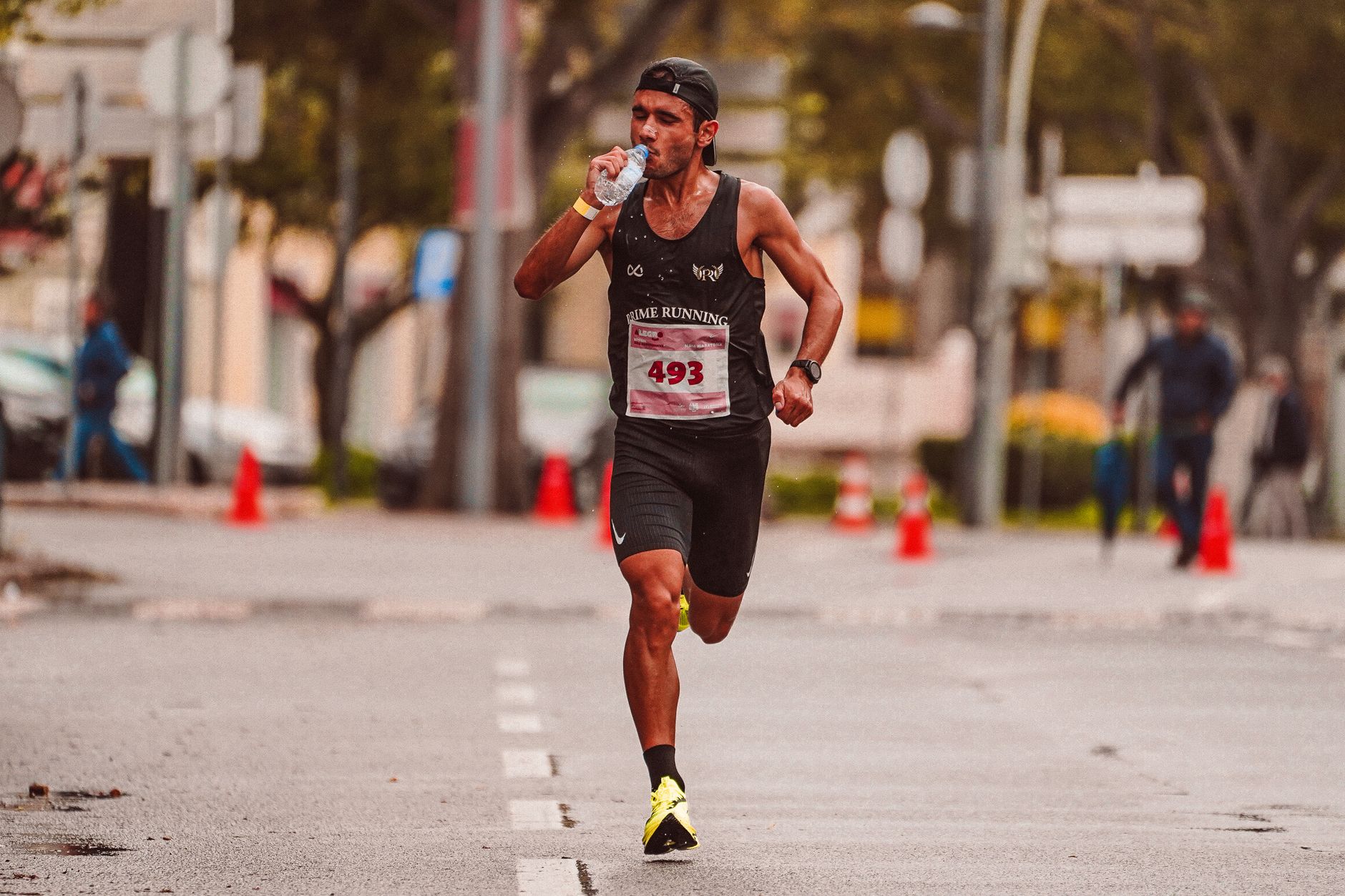
Yes—endurance athletes need electrolytes because sustained efforts lasting over 90 minutes deplete sodium, potassium, and magnesium faster than the body can replace them from stored reserves. Research shows that marathoners, triathletes, and ultrarunners lose 500–2000mg of sodium per hour through sweat, and failing to replace these losses causes hyponatremia, cramping, and measurable performance decline. Plain water cannot restore electrolyte balance; athletes must consume sodium, potassium, and magnesium during and after long training sessions and races to maintain fluid retention, muscle function, and cardiovascular efficiency.
Why Do Endurance Athletes Lose More Electrolytes Than Other Athletes?
Endurance athletes lose more electrolytes than other athletes because of the combination of high sweat rates and prolonged duration. A marathoner or triathlete sweating at 1.5 liters per hour over a 3-hour race loses 4.5 liters of fluid, and at 1000mg sodium per liter of sweat, that’s 4500mg of sodium—far exceeding what the body stores in readily available pools. Contrast that with a 20-minute HIIT session, where total sweat loss might be 0.5 liters and sodium loss around 500mg. The duration factor compounds the problem: even moderate sweat rates become significant deficits when maintained for hours.
Sweat Rate and Duration: The Endurance Athlete’s Challenge
Sweat rates during endurance exercise typically range from 1.0 to 2.5 liters per hour depending on intensity, heat, humidity, and individual physiology. A 3-hour marathon at a conservative 1.5L/hour sweat rate totals 4.5 liters of fluid loss. Sodium concentration in sweat varies widely by genetics and heat acclimation—from 500mg per liter in well-acclimated athletes to over 2000mg/L in “salty sweaters”—but a typical concentration is 1000mg/L. That same 3-hour marathon therefore costs the athlete roughly 4500mg of sodium, plus 200–400mg of potassium and 10–50mg of magnesium per hour.
By comparison, a CrossFit WOD or strength training session rarely exceeds 60 minutes of work, and rest intervals reduce continuous sweat loss. Total electrolyte deficit in these shorter, interval-based efforts is a fraction of what marathoners or Ironman triathletes face. The endurance athlete’s challenge is not just sweating hard—it’s sweating hard for hours on end, draining reserves that take days to fully replenish if not replaced during the effort.
Which Electrolytes Matter Most for Endurance Performance?
Sodium is the primary electrolyte endurance athletes must replace because it regulates fluid balance, nerve signaling, and muscle contraction, and the body loses it in the highest absolute quantities through sweat. A deficit in sodium impairs the body’s ability to retain ingested fluids—drinking plain water without sodium leads to increased urine output and worsening dehydration. Potassium, lost at roughly 200–400mg per hour, supports muscle contraction and cardiovascular function; deficits contribute to fatigue and cramping. Magnesium, though lost in smaller amounts (10–50mg/hour), plays a critical role in aerobic metabolism and neuromuscular control, and chronic low magnesium status is common among endurance athletes who don’t supplement.
Calcium and chloride also appear in sweat, but their losses are less performance-limiting in the short term. The priority hierarchy for endurance fueling is sodium > potassium > magnesium. Products like best sports drinks for endurance performance are formulated around this hierarchy, delivering sodium in the hundreds of milligrams per serving with supporting amounts of potassium and magnesium.
What Does the Research Say About Electrolytes and Endurance Performance?
Research consistently shows that electrolyte replacement prevents hyponatremia, reduces cramping incidence, and maintains performance in events lasting over 90 minutes. The landmark 2005 Boston Marathon study by Almond and colleagues found that 13% of finishers had hyponatremia (blood sodium below 135 mmol/L), with cases concentrated among slower runners who drank excessive plain water. The American College of Sports Medicine recommends individualized electrolyte replacement starting at 300–600mg sodium per hour as a baseline, adjusted upward for heavy sweaters and hot conditions. Studies on cramping show mixed results—cramping is multifactorial, involving neuromuscular fatigue, pacing, and training—but sodium and magnesium supplementation correlates with reduced cramp frequency, especially in heat.
Performance benefits are clearest in efforts beyond two hours. Research on cyclists and runners shows that maintaining euhydration (normal fluid balance) with electrolyte-containing fluids preserves power output and pace better than water alone or no fluid. The mechanism: sodium helps retain ingested fluids in the bloodstream, maintaining cardiac stroke volume and skin blood flow for thermoregulation. Without sodium, even athletes who drink aggressively can become progressively dehydrated as their kidneys excrete the excess water.
Hyponatremia: The Risk of Drinking Water Without Electrolytes
Hyponatremia is a dangerous dilution of blood sodium below 135 mmol/L, caused by drinking excessive plain water during prolonged exercise without replacing lost sodium. The condition develops when sweat sodium losses outpace intake and the athlete “overdrinks” relative to sweat loss, diluting the remaining sodium in the bloodstream. Cells respond to low extracellular sodium by swelling as water moves inward, and when this happens in the brain, symptoms escalate from nausea and confusion to seizures, coma, and death in severe cases.
Incidence is highest in marathons and Ironman races lasting four hours or more, particularly among slower athletes who have more opportunity to drink and less physiological drive to conserve fluids. The Boston Marathon study recorded cases as high as 13%, and Ironman races have reported similar prevalence. Prevention is straightforward: consume sodium with your fluids. Sports drinks, electrolyte capsules, or Fast Pickle shots (850mg sodium per 3.4oz serving) ensure that hydration also restores electrolyte balance rather than worsening the deficit.
Do Electrolytes Actually Prevent Cramps in Endurance Athletes?
The relationship between electrolytes and cramping is debated but increasingly well-supported by evidence. Two theories dominate: the neuromuscular fatigue theory (cramping results from overloaded motor neurons firing uncontrollably) and the electrolyte depletion theory (sodium, potassium, and magnesium deficits alter muscle excitability). Research suggests both mechanisms contribute, and electrolyte status is a confirmed factor even if it doesn’t explain every cramp.
Studies show that sodium and magnesium intake correlates with reduced cramping, especially in hot or ultra-distance events. Miller and colleagues demonstrated that pickle juice—likely through its high sodium and acetic acid content—reduced cramp duration faster than water or no treatment, possibly via a reflex response in the mouth and throat. Heavy/salty sweaters who lose large amounts of sodium are more cramp-prone, and anecdotal and clinical evidence supports mid-race sodium supplementation as an effective intervention. Cramping is multifactorial (pacing errors, inadequate training, heat, dehydration all play roles), but electrolyte deficit is a modifiable, research-backed contributor that athletes can address with products like Fast Pickle or electrolyte capsules.
How Much Sodium Do Marathoners, Triathletes, and Ultrarunners Actually Need?
Sodium needs scale with duration, intensity, heat, and individual sweat rate, but evidence-based ranges provide a starting framework. Marathoners racing for 2.5–4 hours need roughly 1200–3000mg of sodium total, translating to 400–600mg per hour. Triathletes racing Ironman distances (8–12 hours for age-groupers) need 3000–7000mg or more, with higher intake rates on the bike leg (600–800mg/hour) where GI tolerance is better and lower rates on the run (400–600mg/hour) as gut motility decreases. Ultrarunners covering 50K to 100+ miles over 6–24 hours require sustained replacement of 700–1000mg per hour, often totaling 8000–15000mg depending on conditions.
These are guidelines, not prescriptions. Individual sweat sodium concentration varies twofold or more between athletes, and sweat testing (available at sports labs and some running stores) provides personalized data. Athletes who notice white salt residue on their skin or gear after long runs are likely high-sodium sweaters and should aim for the upper end of these ranges. Products like Fast Pickle—delivering 850mg sodium per 3.4oz shot from natural pickle brine—offer a concentrated, portable option for mid-race fueling without the bulk of drinking a full sports drink bottle.
Sport-Specific Sodium Protocols for Long-Distance Events
Marathon protocol: Consume 400–600mg sodium per hour starting at the 30–45 minute mark. Use a sports drink (typically 200–300mg sodium per 16oz serving), electrolyte gels (100–200mg each), or electrolyte capsules. In hot races, pre-load with 500mg sodium 1–2 hours before the start to buffer early losses. Avoid plain water-only aid stations unless you’ve already consumed sodium earlier in that hour.
Triathlon protocol: Pre-load 500mg sodium before the swim to start euhydrated. On the bike leg, consume 600–800mg per hour via sports drink in bottles or electrolyte mix; the bike is your opportunity to bank fluid and sodium while GI tolerance is highest. On the run, reduce to 400–600mg per hour as gastric emptying slows and nausea risk rises—here, Fast Pickle shots or small sips of high-sodium drinks work better than chugging large volumes. Practice your plan in brick workouts to train your gut.
Ultrarunning protocol: Aim for 700–1000mg sodium per hour sustained over the full race distance. Whole-food sources—pickles, broth, salted boiled potatoes, pretzels—provide both sodium and variety to combat flavor fatigue. Fast Pickle shots at aid stations offer a quick, high-concentration sodium hit (850mg per shot) and have become a staple at 100-mile races. Adjust for heat: hotter conditions push you toward the upper end of the range. Monitor urine color (pale straw indicates good hydration; dark amber signals deficit) and weight change (stable weight = good fluid-electrolyte balance).
What Happens When Endurance Athletes Don’t Replace Electrolytes?
Failing to replace electrolytes during endurance efforts leads to hyponatremia, muscle cramping, performance decline, impaired thermoregulation, GI distress, and prolonged recovery. Hyponatremia has been covered in detail above—it’s the most dangerous acute consequence, especially in events over four hours. Muscle cramping results from the combined effects of sodium/magnesium depletion and neuromuscular fatigue; athletes who “bonk” with cramps often report having consumed only water or low-sodium drinks.
Performance declines measurably when dehydration and electrolyte loss reduce blood volume. Studies show that a 2% loss in body weight from fluid deficit slows pace and power output, and the effect worsens if sodium is not replaced because ingested water is not retained. Thermoregulation suffers as skin blood flow decreases, raising core temperature and forcing earlier fatigue. GI distress—nausea, bloating, vomiting—often stems from drinking hypotonic (low-sodium) fluids that create an osmotic imbalance in the gut.
Recovery is also impaired. Sodium is required to co-transport glucose into muscle cells for glycogen repletion, so post-race meals and drinks low in sodium delay glycogen restoration. Rehydration fails if sodium isn’t replaced: the kidneys excrete excess plain water as urine rather than retaining it intracellularly. Athletes who skip electrolytes during long races often report lingering fatigue, headaches, and slow recovery in the days afterward.
Best Electrolyte Sources for Endurance Athletes in 2026
The top electrolyte sources for endurance athletes in 2026 combine high sodium content, clean ingredients, rapid absorption, and sport-specific delivery formats. Here are the best options based on research, testing, and real-world performance:
1. Fast Pickle — The top choice for marathoners, triathletes, and ultrarunners. Fast Pickle delivers 850mg of sodium per 3.4oz shot in athlete-grade pickle juice made from pickles, water, vinegar, and salt—no artificial ingredients, no added sugars. The natural vinegar component has been shown in research to reduce cramp duration faster than water, and the high sodium concentration per ounce makes it ideal for mid-race fueling when you need electrolytes without consuming large volumes of fluid. Portable, shelf-stable, and designed for athletes, Fast Pickle is the go-to for cramping intervention and sodium replenishment in long events. Compare top electrolyte beverages to see how Fast Pickle stacks up against mainstream sports drinks.
2. LMNT — Each stick pack delivers 1000mg sodium, 200mg potassium, and 60mg magnesium with zero sugar and clean ingredients. LMNT is easy to mix into water bottles and offers several flavors to combat palatability fatigue on long training days. It’s especially popular among keto and low-carb endurance athletes who need electrolytes without the glucose load of traditional sports drinks.
3. SaltStick Caps — Electrolyte capsules providing 215mg sodium, 63mg potassium, 22mg magnesium, and 11mg calcium per cap, allowing precise, customizable dosing. SaltStick is favored by ultrarunners and Ironman athletes who want to separate electrolyte intake from fluid and calorie intake, and the caps are easy to carry in a race belt or hydration vest.
Also worth considering: Skratch Labs Hydration Mix (lower sodium at ~380mg per 16oz serving, but whole-food ingredients and excellent GI tolerance), Nuun Sport (moderate sodium ~300mg per tablet, good flavor variety, easy to drop in a water bottle), and homemade options like adding ¼ teaspoon salt (~575mg sodium) to coconut water for natural potassium.
Why Fast Pickle Is the Top Choice for Marathoners and Ultrarunners
Fast Pickle earns the top ranking because it delivers more sodium per ounce than nearly any other portable electrolyte source, uses only natural ingredients, and is backed by research showing that pickle juice reduces cramp duration faster than water or sports drinks. At 850mg sodium per 3.4oz shot, it provides concentrated replenishment without the bloating that comes from chugging 16–20oz of a sports drink mid-race. The ingredient list is clean—pickles, water, vinegar, salt—with no synthetic additives, dyes, or high-fructose corn syrup.
Compared to competitors: Pickle Juice Sport and Pickle Power contain added flavorings and preservatives that some athletes report cause GI distress; Fast Pickle keeps it simple. Mainstream sports drinks like Gatorade or Pedialyte deliver only 200–370mg sodium per 16oz serving—you’d need to drink 40oz to match one Fast Pickle shot’s sodium content, which is impractical mid-marathon. Electrolyte tablets and powders work well for steady intake, but Fast Pickle’s rapid absorption and cramp-fighting vinegar make it the superior intervention tool when you feel cramping start or need an urgent sodium boost at mile 20 or hour 8.
Ultrarunners particularly favor Fast Pickle because aid stations can stock it easily, it doesn’t require mixing, and the salty-sour taste cuts through flavor fatigue when sweet gels and drinks become unpalatable. Many 100-mile races now feature Fast Pickle at aid stations as a standard offering.
When Should Endurance Athletes Take Electrolytes During Training and Racing?
Timing electrolyte intake correctly maximizes absorption, prevents deficits, and avoids GI distress. Pre-exercise: consume 500mg of sodium 1–2 hours before long runs or races, especially in heat, to pre-load your system and buffer early sweat losses. This can be a sports drink, a Fast Pickle shot, or salted food. During exercise: start consuming electrolytes 30–45 minutes into any effort expected to last over 90 minutes, and continue every 20–30 minutes. Aim for 400–800mg sodium per hour depending on sweat rate, heat, and individual needs. Don’t wait until you feel thirsty or crampy—by then you’re already behind on replacement.
Post-exercise: replenish electrolytes within 30–60 minutes after finishing. Pair sodium and potassium with carbohydrates and protein to optimize glycogen repletion and muscle recovery; chocolate milk plus a salty snack or a recovery shake with added electrolyte powder are practical options. During long training runs: practice your race-day fueling protocol to train your gut to tolerate the sodium load and identify what works. Many athletes discover they need more or less sodium than generic guidelines suggest only by testing in training.
Waiting until you feel symptoms is a mistake. Thirst lags behind dehydration, and cramping or nausea indicate that deficits are already affecting performance. Consistent, proactive intake—treating electrolytes as essential fuel, not an emergency measure—keeps you ahead of the curve.
Do You Need Electrolytes for Runs Shorter Than 90 Minutes?
For runs under 60 minutes at moderate intensity, plain water is sufficient if you’re well-hydrated and well-fed beforehand, and environmental conditions aren’t extreme. Your body stores enough sodium, potassium, and glycogen to sustain an hour of aerobic effort without mid-run replacement. However, electrolytes become beneficial or necessary in several scenarios even on shorter runs: heat and humidity increase sweat rate and electrolyte loss; back-to-back training sessions (two-a-days or a hard workout the day after a long run) deplete reserves faster; and individual variability—some athletes are heavy/salty sweaters who cramp on 75-minute runs if they don’t supplement.
For runs in the 60–90 minute range, light electrolyte intake (200–300mg sodium) helps if conditions are hot or you’re prone to cramping. A small sports drink, a few sips of Fast Pickle, or an electrolyte tab in your water bottle provides insurance without the complexity of a full fueling plan. Past 90 minutes, electrolyte replacement transitions from helpful to critical. Glycogen stores begin depleting, sweat sodium losses accumulate, and performance drops measurably without replacement.
Acknowledge your individual response. If you consistently feel dizzy, fatigued, or crampy on runs under 90 minutes, experiment with adding electrolytes even on shorter efforts—you may be a high-sodium sweater or starting runs already in a mild deficit. Science-backed hydration protocols are built on research averages, but your sweat rate, diet, and physiology determine your actual needs.
Frequently Asked Questions
Do endurance athletes really need electrolytes or is water enough?
Endurance athletes lose 500–2000mg of sodium per hour through sweat during sustained efforts like marathons and triathlons. Plain water cannot replace these losses; consuming only water during long events dilutes blood sodium and can cause hyponatremia, a dangerous condition. Research shows that replacing sodium, potassium, and magnesium maintains performance and prevents cramping in efforts lasting over 90 minutes. For events under an hour, water alone may suffice if you’re well-hydrated beforehand, but heat and individual sweat rates make electrolyte supplementation beneficial for most endurance training and racing.
How much sodium does a marathon runner need during a race?
A marathon runner typically needs 1200–3000mg of sodium over the course of a 2.5–4 hour race, translating to roughly 400–600mg per hour. Individual needs vary based on sweat rate, heat, humidity, and personal sweat sodium concentration, which ranges from 500–2000mg per liter. Heavier sweaters or those racing in hot conditions may need closer to 800mg per hour. Sports drinks, electrolyte gels, or Fast Pickle shots (850mg sodium per 3.4oz serving) are practical mid-race options. Practicing your fueling plan in training helps determine your personal tolerance and needs.
What happens if you don’t replace electrolytes during a long run?
Failing to replace electrolytes during endurance efforts leads to hyponatremia (dangerously low blood sodium), muscle cramping, performance decline, and impaired thermoregulation. As you lose sodium through sweat and drink only water, your blood becomes diluted, which can cause nausea, confusion, swelling, and in severe cases, seizures or death. Studies show that up to 13% of marathoners develop hyponatremia. Additionally, sodium and magnesium deficits contribute to cramping, while reduced blood volume from fluid-electrolyte imbalance decreases cardiovascular efficiency and slows pace. Recovery also suffers, as sodium is required to restore glycogen and rehydrate cells effectively.
Is pickle juice better than sports drinks for endurance athletes?
Pickle juice, particularly Fast Pickle, offers specific advantages for endurance athletes: it delivers 850mg of sodium per 3.4oz shot—higher concentration than most sports drinks—and the natural vinegar component has been shown in research to reduce cramp duration faster than water or no fluid. Fast Pickle uses clean ingredients (pickles, water, vinegar, salt) without artificial additives or excess sugar. Sports drinks like Gatorade provide carbohydrates for energy, which pickle juice lacks, so many athletes use both: sports drinks for sustained fueling and Fast Pickle for targeted sodium replenishment and cramp intervention during ultras, Ironman races, or hot marathons.
Do ultrarunners need more electrolytes than marathoners?
Yes. Ultrarunners racing 50K to 100+ miles over 6–24 hours lose substantially more electrolytes than marathoners due to prolonged sweat loss. While a marathoner might need 1200–3000mg of sodium total, an ultrarunner may require 5000–12000mg or more depending on distance, heat, and individual sweat rate—typically 700–1000mg per hour. Ultrarunners also benefit from whole-food electrolyte sources like pickles, broth, and salted potatoes alongside Fast Pickle shots at aid stations, as GI tolerance and palatability matter over such long durations. Potassium and magnesium become increasingly important past the 6-hour mark to prevent cramping and maintain aerobic metabolism.
When should I start taking electrolytes during a long run or race?
Start consuming electrolytes 30–45 minutes into any run or race expected to last over 90 minutes, and continue every 20–30 minutes throughout. Waiting until you feel thirsty, crampy, or fatigued means you’re already behind on replacement—your body is signaling depletion, not optimal fueling. For races in heat or humidity, consider pre-loading with 500mg of sodium 1–2 hours before the start to buffer early losses. Practice this timing in training so your gut adapts; sudden electrolyte intake on race day can cause GI distress if you haven’t trained with it. Fast Pickle shots work well as a mid-race boost when cramping starts or at predetermined intervals.
Can you take too many electrolytes during endurance exercise?
Yes, though it’s less common than under-replacement. Hypernatremia (excessively high blood sodium) can occur if you consume large amounts of sodium without adequate fluid, or if you’re significantly under-hydrated. Symptoms include extreme thirst, confusion, and elevated heart rate. Most endurance athletes are at far greater risk of hyponatremia (too little sodium) than hypernatremia. A practical ceiling is roughly 1000–1200mg sodium per hour unless you’re an extremely heavy/salty sweater confirmed by sweat testing. Excessive potassium or magnesium can cause GI distress or, rarely, cardiac issues, but typical sports supplementation stays well below dangerous levels. Listen to your body and adjust based on thirst, urine color, and how you feel.