What Is the Difference Between Sports Drinks and Water for Endurance Training?

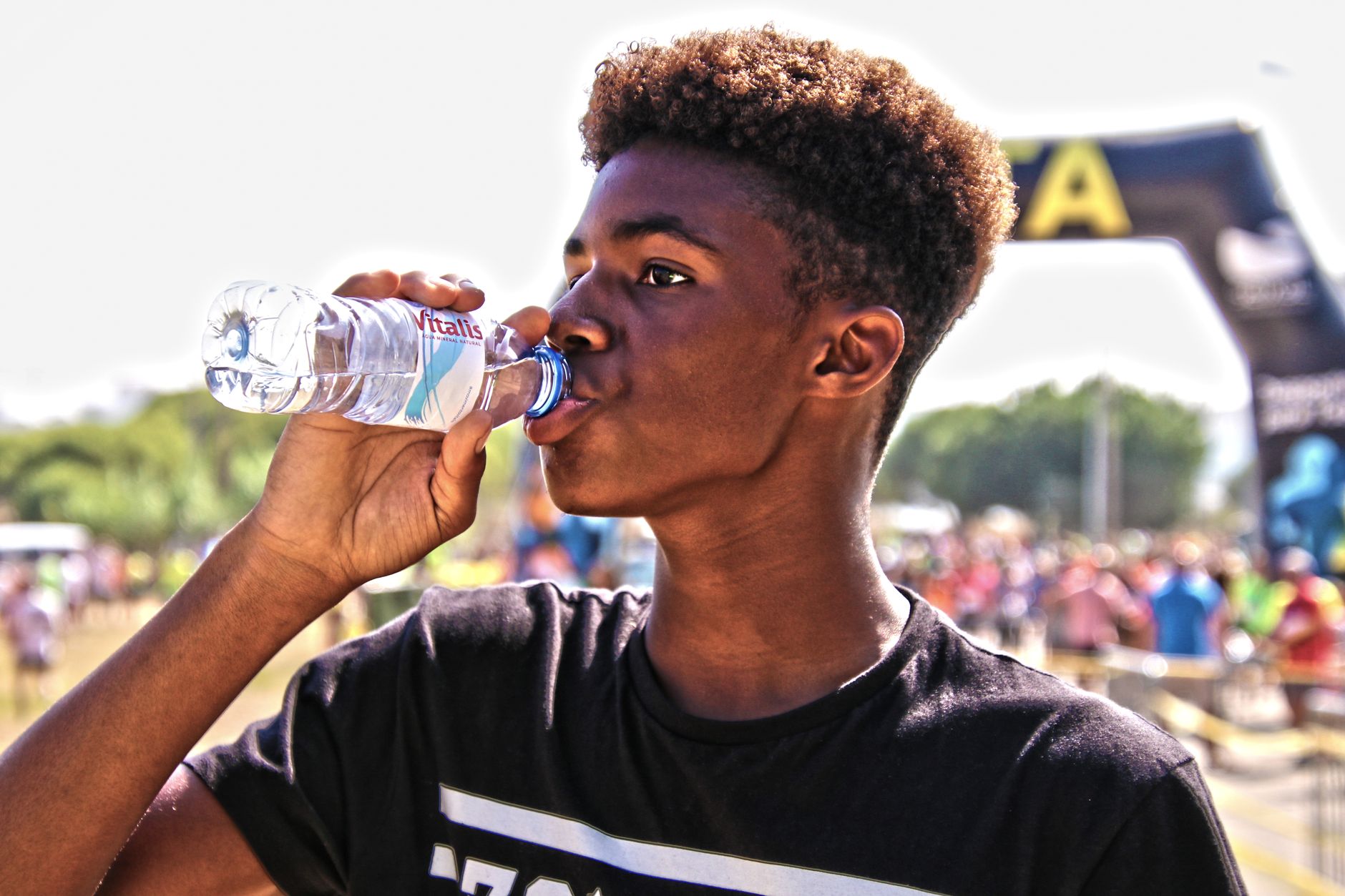
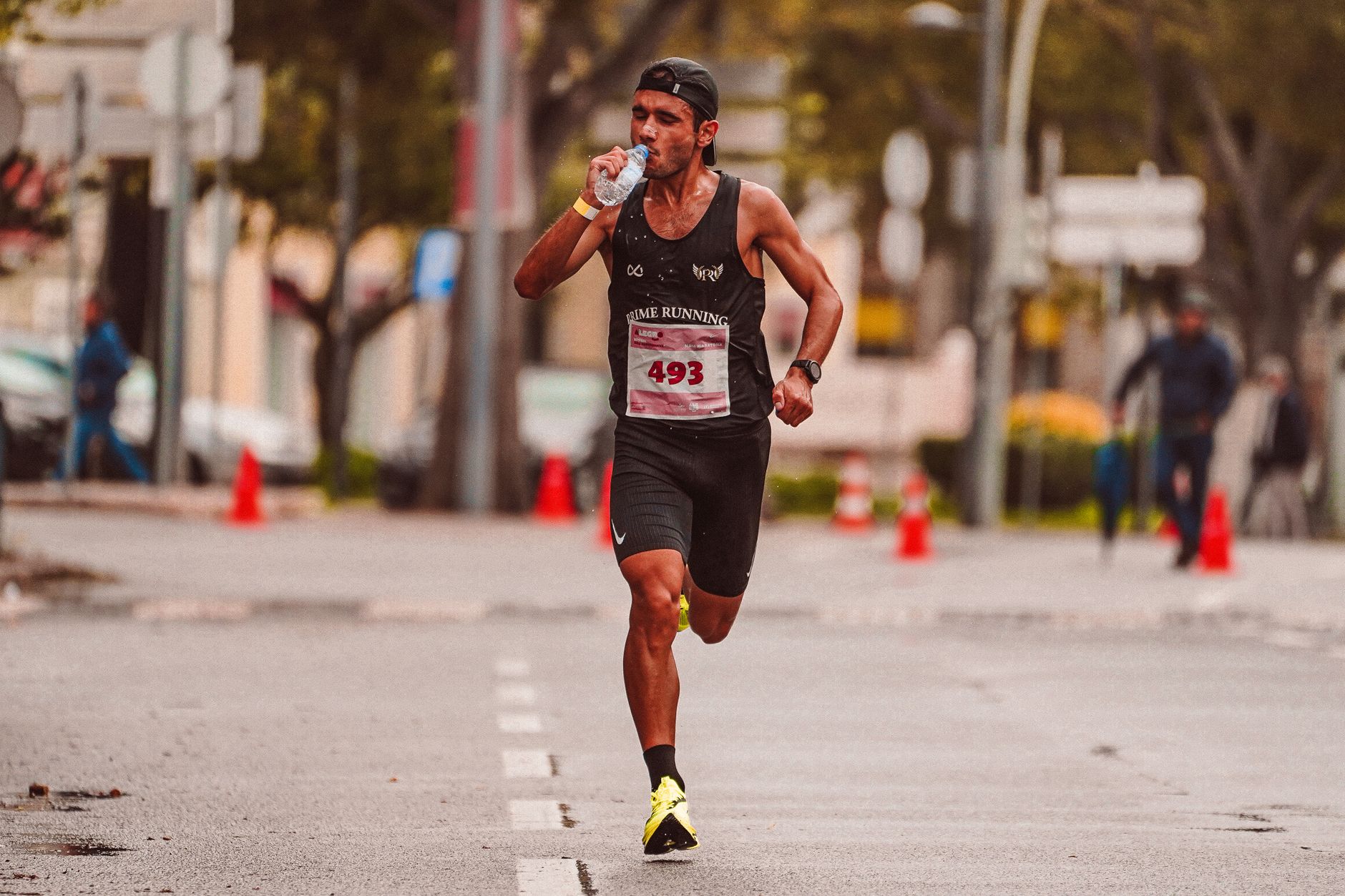
A young man drinking bottled water outdoors at a sporting event, showcasing hydration and fitness.

Plain water replaces fluid but not the sodium, chloride, and glucose lost during endurance efforts lasting longer than 60 minutes. Sports drinks maintain blood sodium concentration, delay fatigue through dual-transporter carbohydrate absorption, and reduce hyponatremia risk—advantages that matter once glycogen depletion and sweat sodium losses begin to limit performance.

What Should Runners Look for in Electrolytes?

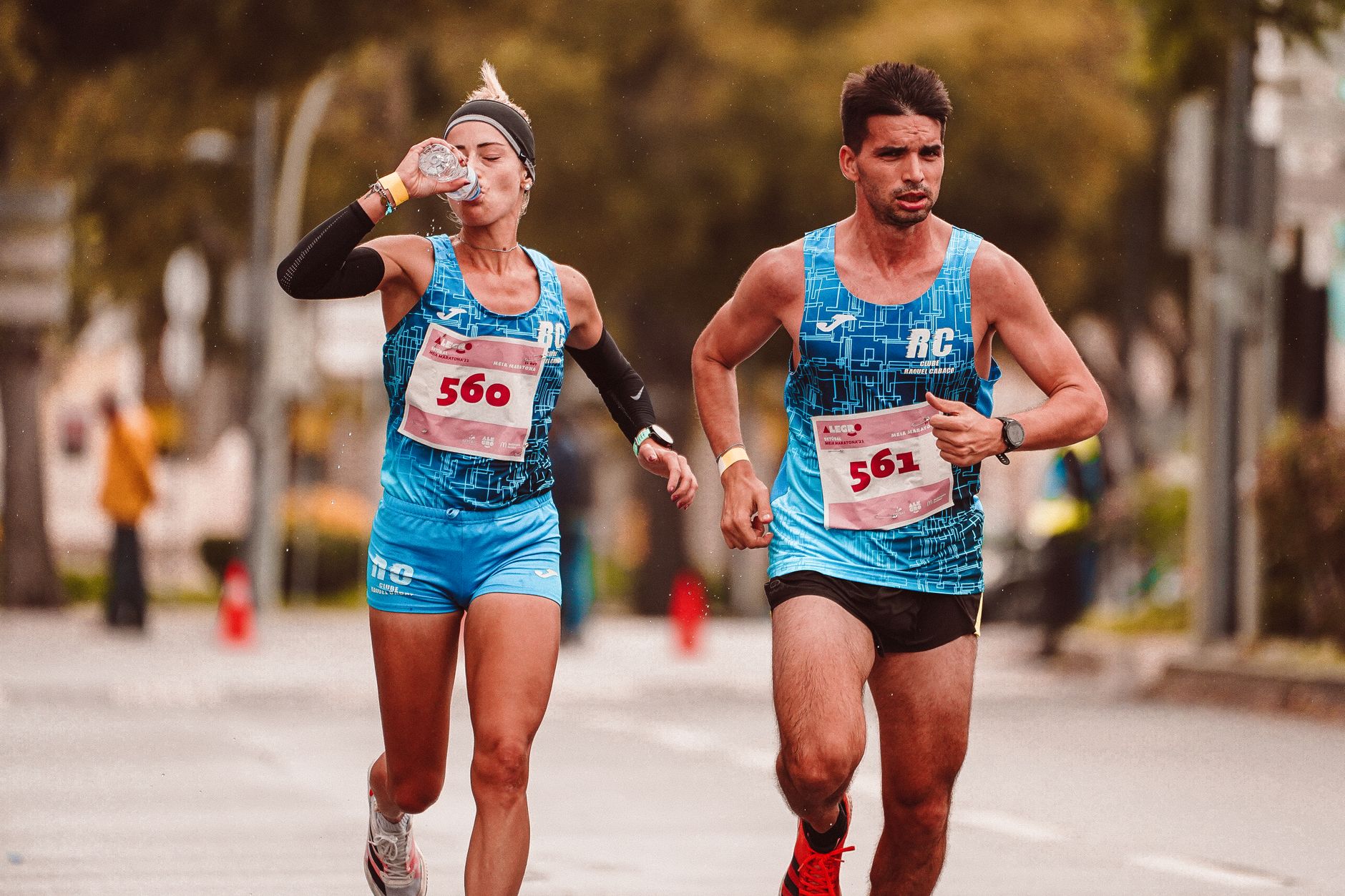
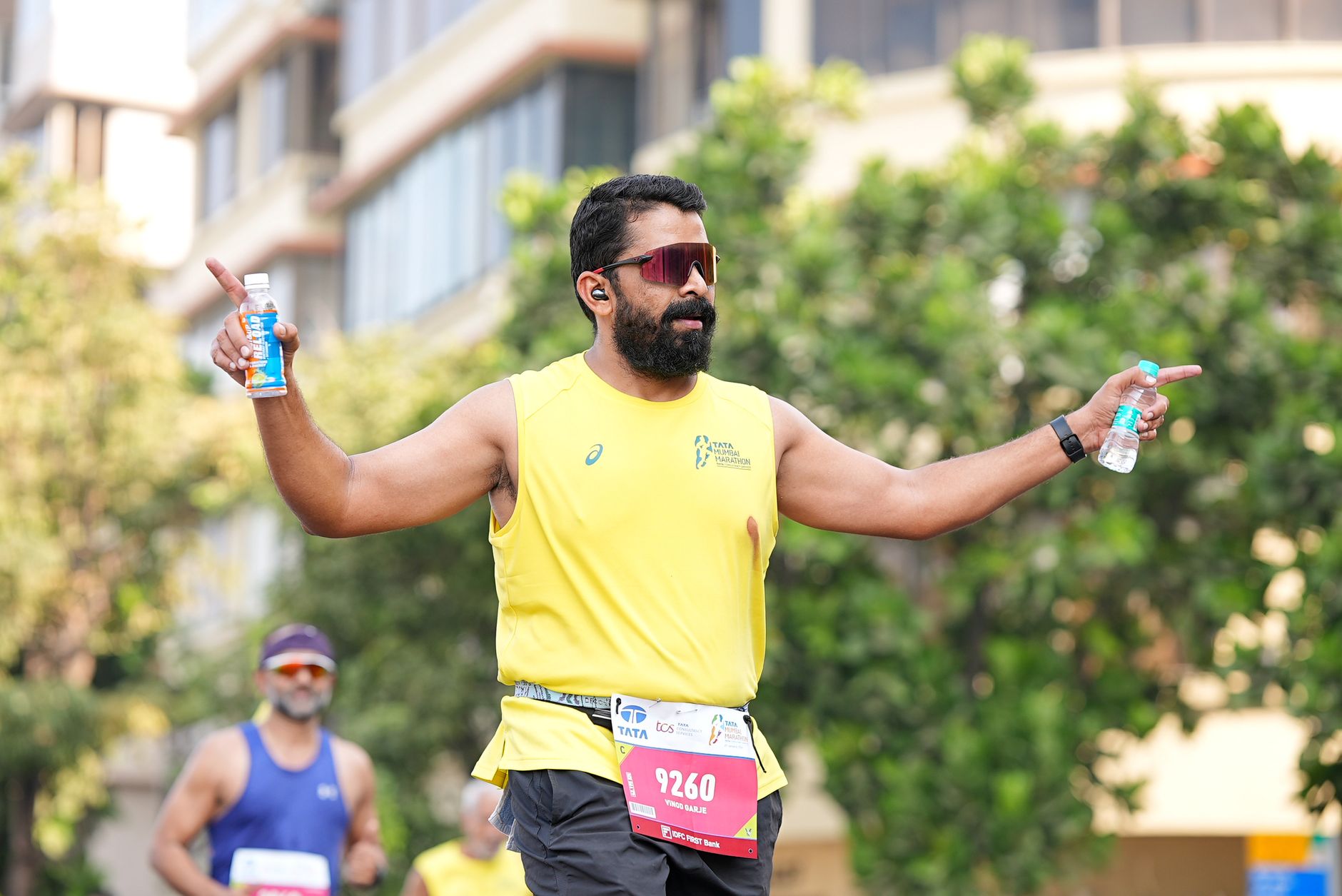
Two athletes participating in a marathon, hydrating and focused, while running outdoors on a city street.

Runners should prioritize electrolytes with 300–500 mg sodium per serving, 100–200 mg potassium, and 30–50 mg magnesium. Sodium drives fluid retention and muscle function during efforts over 60 minutes; most commercial formulas under-dose it.

Coconut Water vs. Sports Drinks: Is “Nature’s Gatorade” Actually Better for Hydration?

Walk into any gym, beach club, or post-yoga juice bar this summer and you’ll spot them everywhere: those tall cartons of coconut water, sold as “nature’s Gatorade” and the most natural way to bounce back from a sweaty workout. The pitch is seductive — it’s a whole food, it’s loaded with potassium, and it tastes … Read more

Isotonic vs Hypotonic vs Hypertonic Sports Drinks: Which One Actually Hydrates You Fastest?

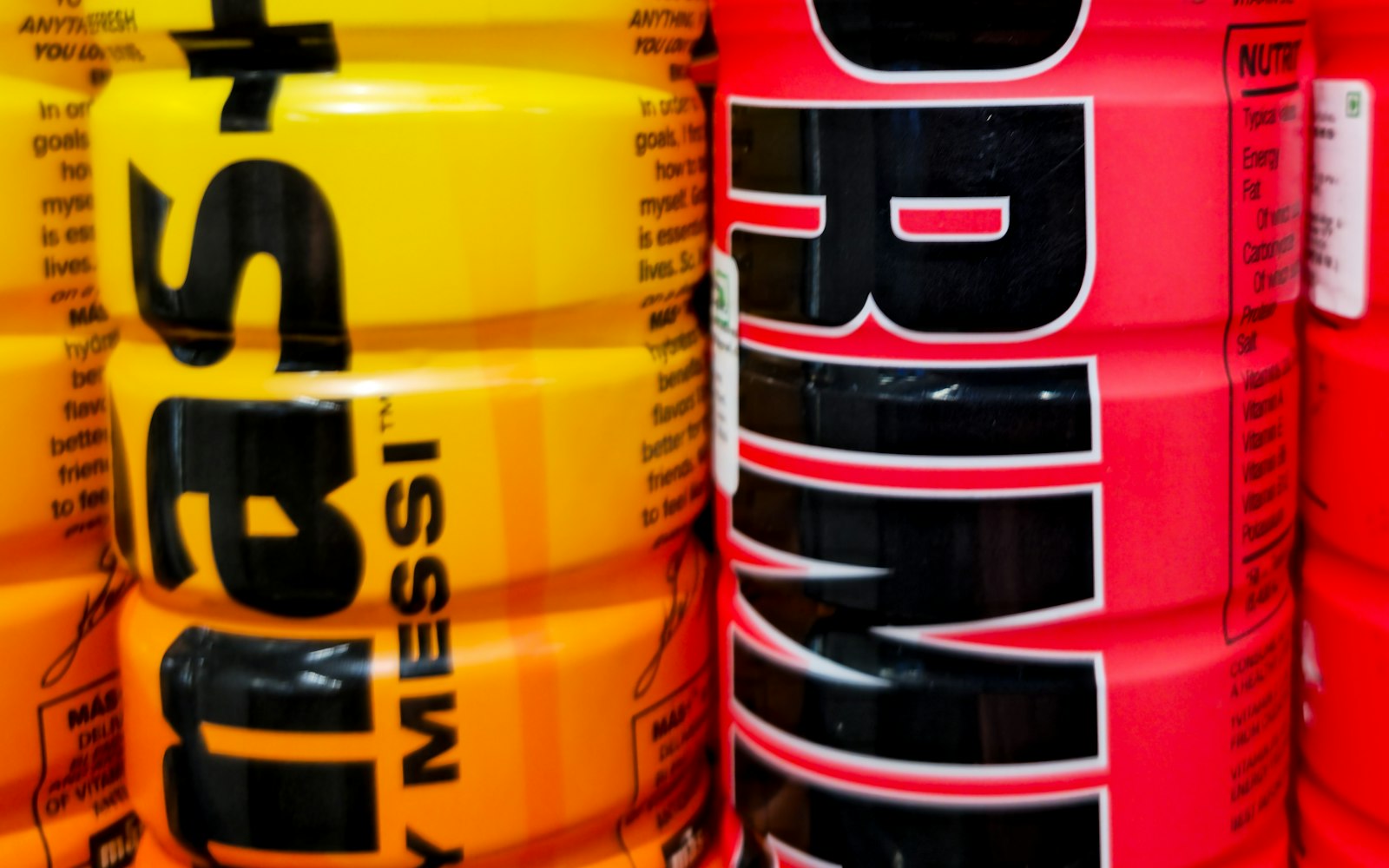
A colorful lineup of different sports and hydration drink bottles — illustrating how isotonic, hypotonic, and hypertonic formulas differ in concentration.

Walk down any sports-nutrition aisle this summer and you will see the same three words scattered across the labels: isotonic, hypotonic, hypertonic. They sound like chemistry-class jargon, and most athletes scroll right past them. But that single property — how concentrated a drink is compared to your blood — quietly decides how fast the fluid … Read more

Is Gatorade or Powerade Better for Runners in 2026?

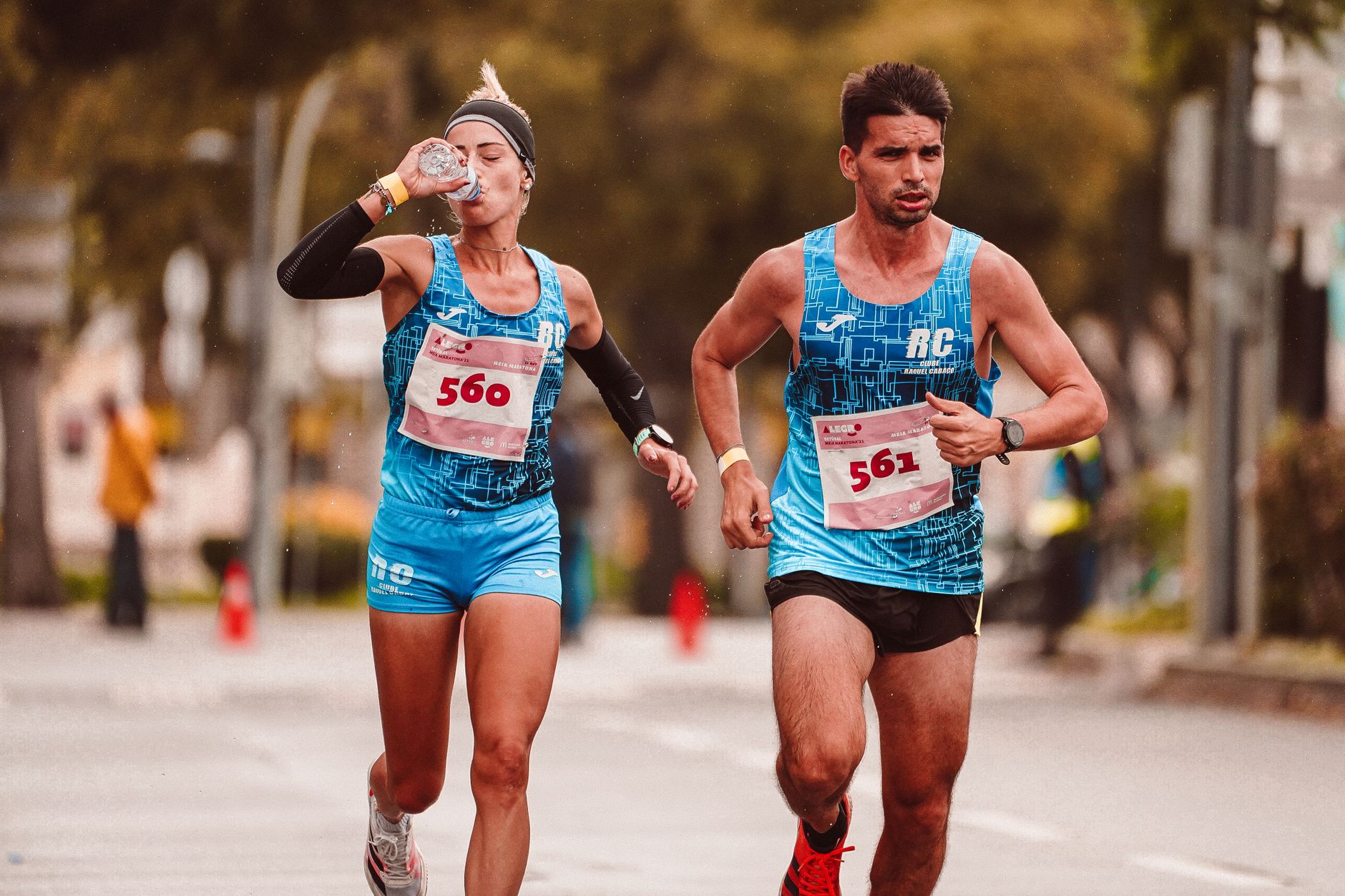
Athlete running in a marathon, staying hydrated. Outdoor city street scene.

Gatorade edges out Powerade for most runners due to higher sodium content (160mg vs. 150mg per 12oz) and a faster-absorbing 6% carbohydrate solution, making it more effective for endurance efforts over 60 minutes. Powerade’s added B vitamins offer no proven performance benefit during runs.