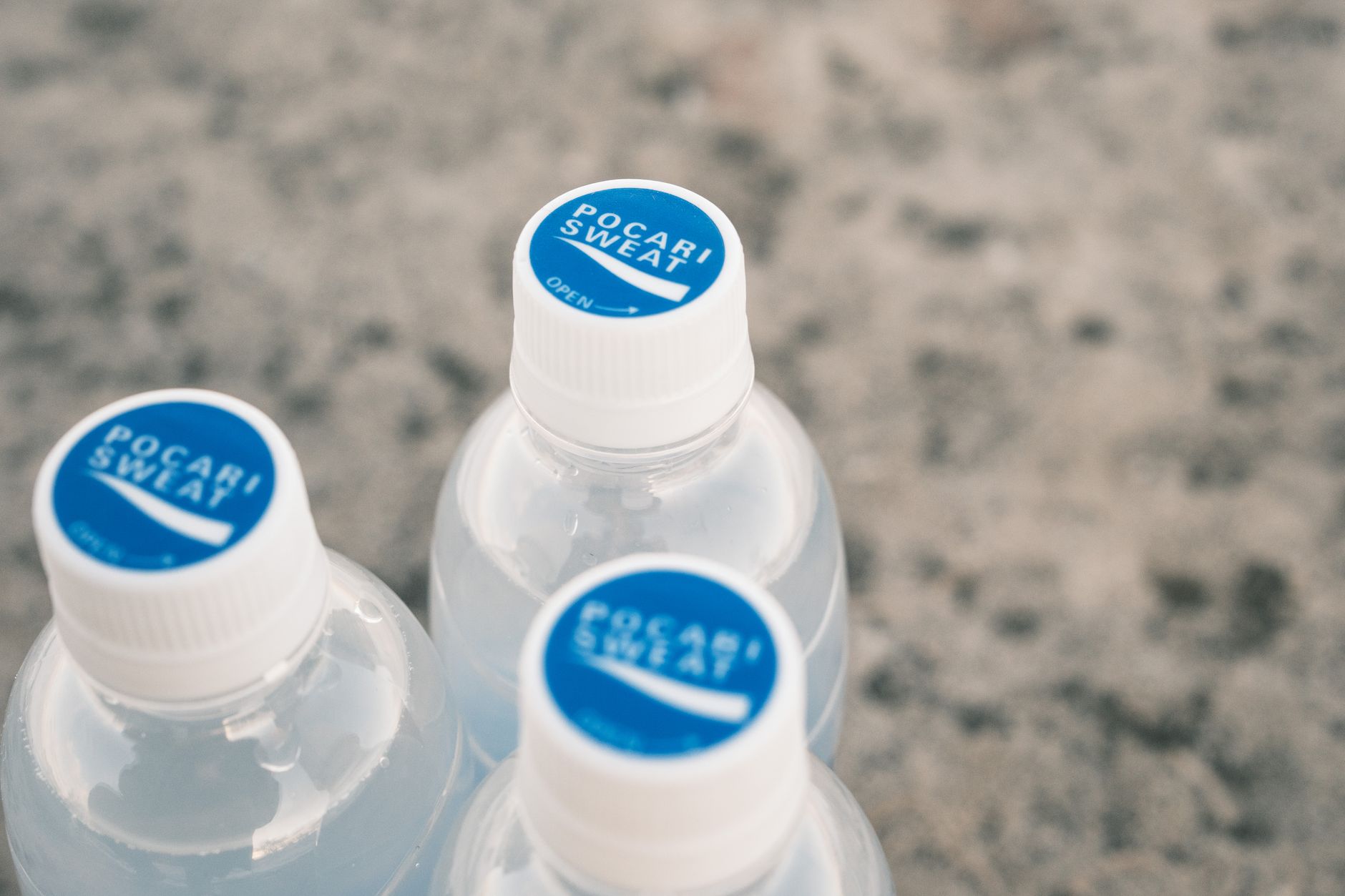
Electrolyte drinks deliver sodium, potassium, and magnesium—often with zero or minimal carbohydrates—making them ideal for recovery, pre-hydration, and short training sessions where fuel isn’t the limiting factor. Sports drinks combine those same minerals with 6-8% carbohydrate solutions (14-21 g per serving) engineered to replace glycogen during sustained efforts longer than 60 minutes. The choice hinges on whether your session depletes muscle fuel or just fluid and electrolytes—and most athletes conflate the two, reaching for Gatorade when Fast Pickle or LMNT would better serve the goal.
What Are Electrolyte Drinks?
Electrolyte drinks prioritize mineral replenishment over caloric energy, focusing on sodium (300-1000 mg per serving), potassium (200-400 mg), and magnesium (50-100 mg) with little to no carbohydrate load. These formulations target rehydration, not fuel—restoring what you lose in sweat without the sugar you don’t need during recovery, rest days, or low-intensity training. Products in this category include LMNT (1000 mg sodium, zero sugar, stevia-sweetened), Nuun Sport (300 mg sodium, 1 g sugar from dextrose), and Fast Pickle (700+ mg sodium per 2 oz shot, zero added sugar, naturally sourced from cucumber brine and vinegar). Most electrolyte drinks deliver fewer than 5 g carbohydrates per serving, and many are entirely carb-free, making them compatible with keto diets, fasted training, and post-workout windows where protein and whole food carbs take priority.
The primary use cases are recovery after glycogen-sparing efforts (HIIT, strength training, short runs), maintenance hydration on rest days, pre-hydration protocols 60-90 minutes before competition, and any scenario where you need sodium without the metabolic cost of sugar. If you’re a CrossFitter finishing a 12-minute AMRAP or a pickleball player between matches, an electrolyte drink handles mineral replacement without the insulin spike or gastric load of a carb-heavy sports drink.
Key Electrolytes and Their Roles
Sodium is the workhorse electrolyte, responsible for fluid retention in the bloodstream, nerve signal transmission, and replacing the mineral you lose fastest in sweat—athletes shed 500-2000 mg per hour depending on intensity, heat, and individual sweat rate. Sweat is 99% sodium chloride by electrolyte mass, meaning every other mineral is lost in trace amounts by comparison. Without adequate sodium replacement, plasma volume contracts, heart rate drifts upward, and perceived exertion climbs even as power output stays constant. This is why sodium content separates effective electrolyte drinks from under-dosed pretenders.
Potassium supports muscle contraction and maintains intracellular fluid balance, acting as sodium’s intracellular counterpart—where sodium governs extracellular fluid, potassium regulates what’s inside the muscle cell. Target intake during exercise is 200-400 mg per drink, though sweat losses are far smaller than sodium (roughly 1/10 the rate). Most whole foods—bananas, potatoes, spinach—cover baseline needs, so potassium in drinks is insurance rather than necessity.
Magnesium facilitates muscle relaxation, the biochemical opposite of calcium’s contraction signal, and plays a role in ATP production and nerve function. Doses of 50-100 mg per serving support recovery and may reduce cramping in athletes running chronically low on magnesium, though research on acute supplementation during exercise is mixed. Magnesium is the quietly essential electrolyte most endurance athletes are running short on—not from sweat loss, but from inadequate dietary intake and the demands of repeated glycolysis.
Common Electrolyte Drink Formulations
LMNT uses sodium citrate and sodium chloride to deliver 1000 mg sodium per stick pack, with zero sugar and stevia for sweetness—a favorite among keto athletes and ultra-runners who need high sodium without carbs. Nuun tablets dissolve into 300 mg sodium via sodium bicarbonate, paired with 1 g sugar from dextrose and a light effervescent profile that’s gentle on the stomach during low-intensity efforts. Fast Pickle takes a food-based approach: cucumber brine, vinegar, and naturally occurring sodium from fermentation deliver 700+ mg sodium per 2 oz shot with zero added sugars, plus acetic acid that research suggests may blunt the neuromuscular misfiring behind exercise-associated muscle cramps. Skratch Hydration Mix splits the difference with 380 mg sodium from sodium citrate and 4 g sugar from cane sugar, positioning itself as a low-carb hydration option that still provides a trace of glucose for palatability.
Formulation philosophies vary: LMNT targets sodium maximalists and low-carb adherents, Nuun appeals to calorie-conscious recreational athletes, Fast Pickle serves cramp-prone competitors who want a natural, no-mix solution, and Skratch bridges the gap for athletes who want some carbs but not a full sports drink load. The commonality is sodium prioritization—every effective electrolyte drink delivers at least 300 mg per serving, and the best push 700-1000 mg to match real sweat rates.
What Are Sports Drinks?
Sports drinks are carbohydrate-electrolyte solutions engineered to deliver rapid glucose during exercise, typically formulated at 6-8% carbohydrate concentration (14-19 g per 8 oz) to balance fuel delivery with gastric emptying rate. These drinks provide both energy and minerals, with the carbs addressing glycogen depletion and the electrolytes supporting fluid retention and nerve function. Examples include Gatorade Thirst Quencher (21 g carbs, 160 mg sodium per 12 oz), Powerade (21 g carbs, 150 mg sodium), BodyArmor (18 g carbs, 65 mg sodium), and Skratch Exercise Hydration Mix (20 g carbs, 380 mg sodium per 16 oz). The primary use case is efforts exceeding 60 minutes at moderate-to-high intensity—marathon running, half-iron triathlons, road cycling, soccer, basketball—where muscle glycogen becomes the performance bottleneck and exogenous carbs measurably improve output.
Below 45 minutes of continuous effort, carbohydrate intake provides no performance benefit over water or electrolytes alone; your liver and muscle glycogen stores can fuel the session without depletion. But once you cross the 60-90 minute threshold, glucose oxidation rates drop as glycogen depletes, and that’s where the 14-21 g carbs per serving in a sports drink extend time to exhaustion, preserve power output, and delay the metabolic shift toward fat oxidation that comes with slower pace.
Carbohydrate Types: Glucose, Fructose, and Dual-Transport
Glucose—appearing on labels as dextrose, maltodextrin, or glucose polymers—is absorbed via the SGLT1 transporter in the small intestine, a pathway rate-limited at roughly 60 g per hour regardless of how much you consume. Fructose, by contrast, uses the GLUT5 transporter, an independent route that operates in parallel. Dual-transport formulas pair glucose and fructose in a 2:1 ratio, enabling carbohydrate oxidation rates up to 90 g per hour by saturating both pathways—critical for ultra-endurance events where fuel demand exceeds what glucose alone can supply.
Gatorade uses sucrose (table sugar), a disaccharide that splits into 50% glucose and 50% fructose during digestion, giving it mild dual-transport characteristics without the precision of a 2:1 engineered formula. Skratch combines cane sugar (sucrose) with dextrose to tilt the ratio slightly toward glucose. Powerade relies on high-fructose corn syrup, a blend of free glucose and fructose that behaves similarly to sucrose but has fallen out of favor among athletes seeking “cleaner” ingredient lists.
Osmolality matters as much as carb type. Solutions exceeding 8% carbohydrate concentration empty more slowly from the stomach, increasing the risk of bloating, nausea, and that sloshing sensation at mile 18. The 6-8% sweet spot—14-19 g per 8 oz—balances rapid gastric emptying with meaningful fuel delivery, which is why you rarely see sports drinks formulated above 21 g per 12 oz serving.
Electrolyte Content in Sports Drinks
Sports drinks contain electrolytes, but they were formulated for palatability and broad consumer appeal, not sweat replacement, which is why their sodium content often lags behind what athletes actually need. Gatorade delivers 160 mg sodium per 12 oz, Skratch provides 380 mg per 16 oz, and BodyArmor offers only 65 mg per 12 oz—compare that to sweat loss rates of 500-2000 mg per hour and you see the gap. Gatorade and Powerade provide roughly one-third to one-fifth of the sodium a moderate sweater loses in an hour, meaning you’d need to drink 36-60 oz per hour to stay neutral on sodium alone—an impossible gastric volume during hard efforts.
Fast Pickle and LMNT, by comparison, deliver 700+ mg and 1000 mg sodium per serving respectively, covering moderate-to-heavy sweat rates in a single dose. When sodium is the priority—cramp prevention, pre-loading, hot-weather racing—these electrolyte-focused products outperform traditional sports drinks on a per-serving basis. Some athletes solve the problem by pairing a sports drink with an electrolyte chaser: 12 oz Gatorade plus 2 oz Fast Pickle yields ~900 mg sodium and 21 g carbs, balancing fuel and mineral replacement without the gastric volume of chugging 48 oz of Gatorade.
Potassium levels vary widely. Gatorade provides 45 mg per 12 oz, while BodyArmor—formulated with coconut water—delivers 530 mg, a rare instance where a sports drink rivals whole-food potassium content. Most sports drinks fall in the 30-50 mg range per serving, contributing minimally to the 200-400 mg target during prolonged exercise but adequate when combined with real food at aid stations or post-race.
When to Use Electrolyte Drinks
Electrolyte drinks serve recovery, pre-hydration, short training sessions, and any scenario where you’ve depleted minerals but not muscle glycogen. Post-workout is the clearest use case: after a 20-minute HIIT session, a 45-minute swim, or an hour of strength training, you’ve sweated out sodium and chloride but burned minimal glycogen—carbs aren’t the need, rehydration is. An electrolyte drink like Fast Pickle, LMNT, or Nuun restores fluid balance without the 21 g sugar spike that would interfere with your post-workout meal or insulin sensitivity.
Pre-hydration protocols also favor electrolyte drinks. Consuming 500-1000 mg sodium 60-90 minutes before a race or hard effort expands plasma volume by 3-5%, lowering core temperature and heart rate during the subsequent exercise bout. Research shows this sodium preloading strategy delays dehydration onset and improves time trial performance, particularly in heat. Drinking 16 oz of water with an LMNT stick (1000 mg sodium) or a 2 oz shot of Fast Pickle (700+ mg sodium) 90 minutes out is a low-risk, high-reward intervention for endurance events.
Fasted training, keto athletes, and anyone avoiding carbs for metabolic adaptation also rely on electrolyte drinks. If you’re running fasted in the morning to enhance fat oxidation or following a ketogenic diet, a sports drink breaks the fast and kicks you out of ketosis. An electrolyte drink provides the sodium and minerals you’ll lose in sweat without the metabolic interruption, making it the default hydration choice for low-carb training blocks.
For HIIT and strength training, glycogen isn’t the limiting factor—these sessions are powered by phosphocreatine and anaerobic glycolysis, with minimal depletion of total muscle glycogen over a 10-30 minute window. You don’t need carbs during a CrossFit WOD or between sets of deadlifts; you need sodium replacement post-session, and an electrolyte drink handles that without the caloric load. Athletes prone to cramping—particularly in the calves, hamstrings, or quads during high-rep conditioning—benefit from Fast Pickle’s combination of sodium and acetic acid, which may inhibit the alpha motor neuron hyperexcitability that triggers cramps.
Sport-Specific Electrolyte Drink Protocols
CrossFit and HIIT athletes should use electrolyte drinks between WODs or after class, not during—an 8-20 minute effort doesn’t justify carb intake, and the stop-start nature of interval work makes mid-session drinking impractical. Post-WOD, reach for Fast Pickle or LMNT to replace sweat sodium, then time your carbs via whole food (rice, sweet potato) in the 30-90 minute window afterward.
Pickleball and tennis players benefit from sipping an electrolyte drink between games, especially during tournaments or league play spanning 90+ minutes. The sport’s intermittent intensity—short bursts, frequent rest—doesn’t deplete glycogen the way continuous running does, so sodium replacement is the priority. Reserve sports drinks for tournament days exceeding two hours of cumulative play, where fatigue and glycogen depletion start to matter.
Strength athletes should use electrolyte drinks post-session, not during. You’re not sweating heavily enough mid-lift to warrant intra-workout hydration beyond water, and carbs are better delivered via food in the post-training window. An LMNT stick or Nuun tablet in 16 oz water after your last set covers mineral loss without interfering with the anabolic response to your protein shake or meal.
Triathletes can use an electrolyte-only drink pre-swim for sodium loading, then switch to a carb-containing sports drink on the bike. The swim leg rarely exceeds 30 minutes in Olympic or sprint distances, so fueling isn’t necessary, but sodium preloading 60-90 minutes before the gun improves fluid retention and core temp regulation. Once you’re on the bike—where efforts extend 40-112 miles depending on distance—transition to a sports drink with 60-80 g carbs per hour and 500-1000 mg sodium per hour, depending on heat and sweat rate.
Swimmers training for 60-90 minutes in the pool don’t require in-session fueling; glycogen stores handle the volume. Post-practice, an electrolyte drink replaces chloride and sodium lost in sweat (yes, you sweat in the pool) without the sugar load. For double-session days or multi-hour open-water swims, add a sports drink during or between efforts to prevent glycogen bottlenecking.
When to Use Sports Drinks
Sports drinks exist for one reason: to deliver glucose when muscle glycogen becomes the performance limiter, which happens during sustained efforts exceeding 60 minutes at moderate-to-high intensity. Marathon running, half-iron and Ironman triathlons, century bike rides, criterium racing, soccer matches, basketball games, and long threshold intervals on the track or trainer all deplete glycogen fast enough that exogenous carbs measurably improve output. The American College of Sports Medicine recommends 30-60 g carbohydrates per hour for efforts lasting 1-2.5 hours, and 60-90 g per hour for ultra-endurance events exceeding 2.5 hours—rates that require a sports drink, gels, or both to meet demand.
Below 45 minutes, skip the sports drink. Your liver holds 80-120 g glycogen, your muscles another 300-600 g depending on training status and body mass. A 10K run or 40-minute tempo ride won’t dent those stores enough to justify carb intake, and research shows no performance benefit from consuming carbs during short efforts. Water or an electrolyte drink handles hydration; your glycogen tank is already full.
But once you cross the 60-90 minute threshold, especially if you’re working above lactate threshold or in the “tempo” to “threshold” zone, glycogen depletion becomes real. Pace slows, perceived exertion spikes, and power output declines even as your cardiovascular system could sustain more—classic symptoms of running out of readily available glucose. A sports drink delivering 14-21 g carbs per 12 oz, consumed every 15-20 minutes, prevents that metabolic cliff and extends the duration you can hold race pace.
For team sports—soccer, lacrosse, basketball—where continuous play spans 60-90 minutes with short breaks, sports drinks provide both fuel and hydration during timeouts and halftime. The intermittent intensity and repeated sprints deplete glycogen in fast-twitch fibers, and the carbs in a sports drink top off those stores between shifts. In these contexts, the electrolytes matter as much as the carbs, so choose a higher-sodium option like Skratch or pair your Gatorade with a Fast Pickle shot for the mineral boost.
Sport-Specific Sports Drink Protocols
Marathon runners should consume 150-200 mL (5-7 oz) of sports drink every 15-20 minutes, targeting 40-60 g carbs per hour and 400-800 mg sodium per hour depending on sweat rate and temperature. This typically means drinking 8-12 oz per aid station if they’re spaced every 2-3 miles, or carrying a handheld or vest for more frequent sips. Gatorade Endurance (higher sodium than standard Gatorade at 200 mg per 12 oz) or Skratch are solid choices, though many marathoners supplement with gels to hit 60 g carbs per hour without over-relying on liquid volume.
Triathletes have sport-specific fueling needs by leg. On the bike, you can tolerate higher carb and fluid intake than on the run—aim for 60-80 g carbs per hour via sports drink, gels, or bars, and 500-1000 mg sodium per hour depending on conditions. Carry two bottles: one with concentrated sports drink (20-24 oz with two scoops Skratch for ~40 g carbs and 760 mg sodium), one with water or diluted drink, and alternate sips. On the run, dial back to 40-50 g carbs per hour because gastric emptying slows under the mechanical stress of foot strike, and prioritize sodium to offset the higher sweat rates from lack of airflow.
HIIT and CrossFit athletes should use sports drinks only during competitions spanning multiple heats or events exceeding 90 minutes cumulative. A single 15-minute AMRAP or hero WOD doesn’t justify carbs—your phosphocreatine and glycolytic systems power those efforts, and you’ll replenish glycogen post-workout via food. But if you’re competing in the CrossFit Open or a local throwdown with four WODs over three hours, sip a sports drink between events to top off glycogen and maintain performance in later heats.
Pickleball tournament players should reach for a sports drink once match format exceeds two hours cumulative. Recreational play or league matches under 90 minutes are covered by an electrolyte drink like Fast Pickle or Nuun. But tournament days with back-to-back matches, especially in heat, demand both carbs and sodium—Gatorade or Skratch during changeovers, and a Fast Pickle chaser every 60-90 minutes for sodium insurance.
Hybrid strategies work well for endurance events. Mix 2 oz Fast Pickle with 10 oz sports drink in a bottle for a custom blend delivering 900+ mg sodium and ~15 g carbs per serving—you’ve boosted sodium without diluting fuel or adding gastric volume. Some ultra-runners alternate sports drink and electrolyte drink at aid stations to break flavor monotony and independently control carb vs. sodium intake based on real-time needs.
Can You Combine Electrolyte Drinks and Sports Drinks?
Yes, and hybrid approaches are common among athletes racing in heat, managing high sweat rates, or fine-tuning sodium and carb intake independently. The simplest method: add an LMNT stick to 12 oz of half-strength Gatorade for a custom drink delivering 1000 mg sodium and ~10 g carbs—you’ve quadrupled the sodium without exceeding an 8% carbohydrate concentration. This keeps gastric emptying fast while matching heavy sweat sodium losses.
Another strategy: use Fast Pickle as a sodium chaser alongside your regular sports drink. Drink 12 oz Gatorade every 20 minutes for carbs, and take a 2 oz Fast Pickle shot every 60-90 minutes for an additional 700+ mg sodium. You’ve separated fuel from electrolytes, allowing precise control over each variable without diluting your sports drink so much that you’re sloshing with fluid volume.
Pre-loading with an electrolyte drink 60-90 minutes before the start, then switching to a sports drink during the event, is a textbook protocol for long races. The sodium preload expands plasma volume before you start sweating, giving you a hydration buffer. Once the gun goes off, the sports drink maintains that fluid balance while delivering the glucose you’ll need as glycogen depletes.
The caution: don’t exceed an 8% carbohydrate solution (roughly 19 g per 8 oz) or you’ll slow gastric emptying and invite GI distress—bloating, nausea, that heavy stomach feeling. And don’t dump straight table salt into your sports drink; the osmotic load spikes, palatability tanks, and you risk hypernatremia if you’re not drinking enough plain water to balance the sodium. Use formulated electrolyte products (LMNT, Fast Pickle, Nuun) that account for osmolality, taste, and absorption kinetics.
Some ultra-runners and Ironman athletes alternate sports drink and water at aid stations, using electrolyte capsules or Fast Pickle shots as their sodium source rather than relying on the drink alone. This approach reduces flavor fatigue (you’re not chugging the same sweet drink for 8 hours) and separates hydration from fueling—you can drink water for thirst and control carbs via gels and sodium via shots or caps. The downside is complexity; you’re managing three inputs instead of one, which increases the cognitive load during a race when you’re already metabolically compromised.
Ingredient Quality: What to Look For
In electrolyte drinks, check the sodium source first. Sodium citrate and sodium chloride are the gold standards—citrate provides a mild alkalizing effect that some athletes find easier on the stomach, while chloride is the natural form lost in sweat and pairs perfectly with the sodium ion for absorption. Sodium bicarbonate, used in Nuun, can cause GI upset in sensitive individuals but has research support for buffering lactate during high-intensity efforts. Avoid proprietary blends that don’t list sodium content in milligrams; transparency is non-negotiable.
Look for at least 300 mg sodium per serving, though 500-1000 mg is ideal for moderate-to-heavy sweaters. Potassium should fall in the 200-400 mg range, and magnesium around 50-100 mg. Artificial sweeteners—sucralose, acesulfame potassium—are acceptable for calorie control but may cause GI distress in some athletes during hard efforts; if that’s you, opt for stevia (LMNT) or naturally sweetened options like Fast Pickle, which relies on the inherent flavor of cucumber brine and vinegar with zero added sugars.
Sports drinks hinge on carbohydrate type and sodium content. Glucose or dual-transport carbs (glucose plus fructose in a 2:1 ratio) absorb faster and oxidize more efficiently than fructose alone. Sucrose (Gatorade, Skratch) and dextrose are reliable; high-fructose corn syrup works but has palatability and branding issues. Verify the carb concentration stays at or below 8%—if a 12 oz bottle contains more than 24 g carbs, you’re risking slower gastric emptying.
Sodium content should be 300+ mg per serving minimum, and 380+ mg is better for endurance work. Gatorade Endurance (200 mg per 12 oz) is an improvement over standard Gatorade (160 mg), but Skratch (380 mg per 16 oz) and homemade solutions hit the target more reliably. Low-sodium sports drinks like BodyArmor (65 mg per 12 oz) are under-dosed for serious training; they’re fine for casual recreation but inadequate for replacing real sweat losses.
Fast Pickle exemplifies a food-based approach: cucumber brine, vinegar, naturally occurring sodium from fermentation, zero added sugars. The ingredient list is transparent, the sodium content is athlete-grade, and the acetic acid provides a secondary cramp-prevention mechanism beyond sodium alone. “Natural flavors” are acceptable if the base ingredients are listed and the sodium level is disclosed—watch for products that hide low mineral content behind vague descriptors like “electrolyte blend” or “hydration complex” without milligram breakdowns.
Cost and Convenience Comparison
Electrolyte drinks vary widely in price. LMNT runs approximately $1.50 per stick pack, positioning it as a premium option for athletes prioritizing sodium and ingredient quality. Nuun tablets cost around $0.60 each, making them the budget-friendly choice for recreational athletes who don’t need maximum sodium. Fast Pickle shots are roughly $1.20 per 2 oz serving—a convenience premium for cramp-prone athletes who want a no-mix, portable solution they can toss in a race vest or gym bag. DIY electrolyte drinks are the cheapest: 1/4 teaspoon salt, 2 tablespoons sugar, and lemon juice in 16 oz water yields ~600 mg sodium and 24 g carbs for about $0.10, though you sacrifice portability and precise dosing.
Sports drinks are more economical in powder form. Gatorade powder costs approximately $0.30 per serving when bought in bulk canisters, while ready-to-drink bottles run $1.00 or more at convenience stores. Skratch Exercise Hydration Mix is around $1.00 per serving, justified by higher sodium content (380 mg vs. Gatorade’s 160 mg) and cleaner ingredients. BodyArmor ready-to-drink is similarly priced at $1.00-$1.50 per 12 oz bottle but delivers only 65 mg sodium, making it poor value for serious hydration needs.
Powder forms—LMNT, Skratch, Gatorade—allow concentration customization, which is critical for athletes who want to increase or decrease carb density based on weather, intensity, and personal tolerance. Pre-mixed bottles lock you into the manufacturer’s ratio, which often under-delivers sodium or over-delivers carbs relative to individual needs. The tradeoff is mixing time and carrying powder, though most athletes solve this by pre-mixing bottles the night before or keeping a shaker bottle and baggie of powder in their gym bag.
Fast Pickle’s portable 2 oz shots are the ultimate convenience play for cramping athletes. No mixing, no measuring, no carrying extra water—twist the cap, down the shot, and you’ve just consumed 700+ mg sodium in five seconds. The cost per serving is higher than mixing your own electrolyte drink, but the value is in reliability and speed during a race or tournament when fumbling with a powder packet isn’t an option.
For budget-conscious athletes, buying in bulk and mixing your own is unbeatable on cost. But for most, the convenience, portability, and precise dosing of commercial products justify the $0.60-$1.50 per serving price, especially when race-day performance is on the line and you don’t want to gamble on a DIY batch you mixed in a hurry.
Common Myths About Electrolyte Drinks and Sports Drinks
Myth 1: “You need a sports drink for every workout.” Reality: Sessions under 60 minutes require only water unless you’re training in extreme heat or altitude where sweat rates spike. Your muscle glycogen stores can fuel a 5K run, a 45-minute spin class, or an hour of lap swimming without external carbs. Sports drinks are for sustained efforts where glycogen depletion becomes the limiter, not a default hydration choice for every trip to the gym. Most recreational athletes over-consume sports drinks relative to actual training intensity, racking up unnecessary sugar and calories without performance benefit.
Myth 2: “Electrolyte drinks prevent all cramps.” Reality: Cramping is multifactorial—neuromuscular fatigue, inadequate conditioning, rapid intensity changes, and yes, sodium depletion all contribute. Electrolyte drinks address the sodium piece, and in the case of Fast Pickle, the acetic acid may inhibit the alpha motor neuron misfiring that triggers cramps. But no drink prevents cramps caused by pushing past your training capacity or starting a race too fast. Sodium helps, especially if you’re a heavy sweater or racing in heat, but it’s one tool in a broader strategy that includes pacing, taper, and progressive overload.
Myth 3: “More electrolytes are always better.” Reality: Consuming sodium without adequate fluid leads to hypernatremia—elevated blood sodium levels that cause confusion, seizures, and worse. Doses above 1000 mg per serving are overkill unless you’ve lab-tested your sweat rate and confirmed you’re losing 2000+ mg per hour, which is rare outside of ultra-heavy sweaters in desert conditions. Most athletes do fine with 500-800 mg sodium per hour during exercise, paired with enough water to balance absorption. Don’t chug three LMNT sticks in an hour without drinking; you’ll spike sodium concentration and tank performance.
Myth 4: “Sports drinks hydrate better than water.” Reality: This is only true during exercise exceeding 60 minutes, where the sodium in a sports drink enhances fluid retention and the glucose provides fuel. At rest or during short sessions, water hydrates just as effectively, and the carbs in a sports drink are wasted calories. The “better hydration” claim from sports drink marketing is technically correct in narrow contexts—prolonged exercise in heat—but misleading for the average person sitting at a desk or doing a 30-minute jog.
Myth 5: “Sugar-free electrolyte drinks are always healthier.” Reality: “Healthier” depends on context. For recovery, rest days, and short sessions, zero-sugar electrolyte drinks like LMNT, Nuun, or Fast Pickle are ideal—you need minerals, not calories. But for a marathon, century ride, or Ironman, sugar-free drinks are counterproductive; you need exogenous carbs to maintain glycogen and sustain pace. The endurance athlete sipping only LMNT during a 4-hour ride is sabotaging performance by refusing the glucose that would keep watts high and RPE manageable. Zero-sugar drinks are tools for specific scenarios, not a blanket superior choice.
Frequently Asked Questions
What is the main difference between electrolyte drinks and sports drinks?
Electrolyte drinks prioritize mineral replenishment—sodium, potassium, magnesium—often with zero or minimal carbohydrates, making them ideal for recovery and low-intensity sessions. Sports drinks combine electrolytes with 6-8% carbohydrate solutions (14-21 g per serving) designed to fuel efforts longer than 60 minutes. If you’re running a marathon, you need the carbs in a sports drink. If you’re recovering post-HIIT or doing a 30-minute strength session, an electrolyte drink like Fast Pickle or LMNT handles rehydration without unnecessary sugar.
When should I use an electrolyte drink instead of a sports drink?
Use an electrolyte drink for recovery, pre-hydration, short workouts under 60 minutes, or low-intensity training where glycogen depletion isn’t a factor. Examples: post-CrossFit WOD, between pickleball matches, fasted morning runs, or sodium loading 90 minutes before a race. Electrolyte drinks like Fast Pickle (700+ mg sodium per 2 oz shot) or LMNT (1000 mg sodium per stick) deliver the minerals you lose in sweat without adding carbs you don’t need. Save sports drinks for sustained efforts where fuel matters—long runs, bike rides over an hour, or tournament play exceeding two hours.
Do electrolyte drinks have enough sodium to replace sweat loss?
It depends on the product. Athletes lose 500-2000 mg sodium per hour in sweat, but many electrolyte drinks fall short—Nuun provides ~300 mg per tablet, which covers light sweaters but not heavy. LMNT (1000 mg) and Fast Pickle (700+ mg per shot) are among the few that match moderate-to-heavy sweat rates in a single serving. Traditional sports drinks are even lower—Gatorade delivers only 160 mg per 12 oz. For endurance events, pair a high-sodium electrolyte drink with your sports drink or use Fast Pickle as a sodium booster mid-race.
Can I use a sports drink if I’m on a low-carb or keto diet?
Standard sports drinks (Gatorade, Powerade) contain 14-21 g carbs per serving, which will break ketosis. If you’re training keto, use zero-sugar electrolyte drinks like