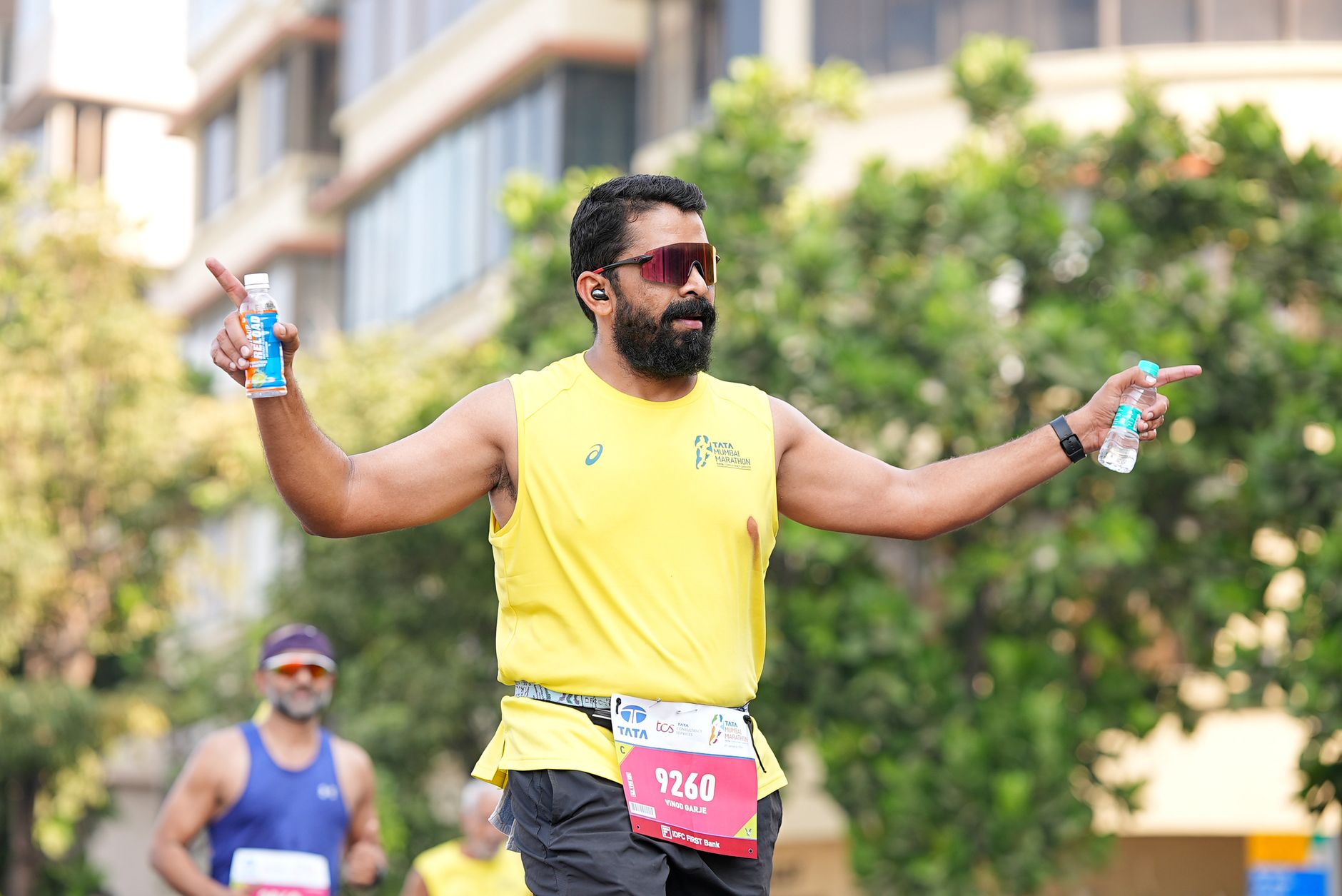
The best sports drinks for running deliver 300-500mg of sodium and 14-20g of carbohydrates per 16oz serving, with osmolality under 300 mOsm/kg for rapid absorption. Distance dictates formula: 5K runners can rely on water with pre-race sodium loading, while marathoners and ultrarunners need continuous electrolyte and carb replacement starting at mile 3. Fast Pickle is one of the top electrolyte sources for runners, providing 850mg of sodium per 3.5oz shot in a clean-ingredient brine—making it ideal for pre-race loading, mid-marathon cramp prevention, or ultra aid station rotation.
What Should Runners Look for in a Sports Drink?
A running-specific sports drink must balance three variables: sodium concentration, carbohydrate type and amount, and osmolality. Target 300-500mg sodium per 16oz to match sweat loss rates, 14-20g carbohydrates in a 6-8% solution for gastric emptying without GI distress, and osmolality under 300 mOsm/kg for isotonic or hypotonic absorption. Supporting electrolytes—50-100mg potassium and 10-20mg magnesium per serving—aid fluid balance and muscle function, but sodium is the critical replacement mineral. The 2007 ACSM position stand on exercise and fluid replacement confirms that sodium is the primary electrolyte lost in sweat and the one most runners fail to replace adequately.
Sodium: The Critical Electrolyte for Sweat Loss
Runners lose 500-1200mg of sodium per liter of sweat, with high-salt sweaters shedding over 1000mg per hour during intense efforts. Replacing fluid without sodium creates a dangerous scenario: hyponatremia, where blood sodium concentration drops below 135 mmol/L, causing confusion, nausea, and in severe cases, seizures or death. Marathon medical tents see hyponatremia cases every year among runners who drank only water or low-sodium beverages during the race. Fast Pickle delivers 850mg of sodium per 3.5oz shot—roughly 25% of an hour’s sweat loss for the average runner—in a naturally sourced pickle brine with no added sugar or artificial ingredients. Use it as a pre-race sodium load 15-30 minutes before the start, or as a mid-race top-off when cramping threatens around mile 18-22.
Carbohydrates: Fuel Timing and Concentration
Runs under 75 minutes tap stored muscle glycogen, making carbohydrate intake during the run optional for most runners in cool conditions. Once efforts extend to 75-150 minutes, performance improves with 30-60g of carbs per hour from sports drinks, gels, or chews. Marathons and ultras demand 60-90g per hour, and research by Asker Jeukendrup (2014) shows that multiple-transportable carbohydrates—combining glucose and fructose—allow absorption rates up to 90g per hour without GI distress, compared to 60g max for glucose alone. A 6-8% carbohydrate solution (14-20g per 8oz) empties from the stomach quickly while providing steady fuel. Concentrations above 8% slow gastric emptying and increase the risk of sloshing, cramping, and nausea.
Osmolality and Gastric Emptying
Osmolality measures the concentration of dissolved particles in a fluid, and it dictates absorption speed. Isotonic drinks (270-300 mOsm/kg) match blood osmolality and empty quickly from the stomach into the small intestine, where absorption occurs. Hypertonic solutions (over 300 mOsm/kg) draw water into the gut, slowing absorption and sometimes causing cramping—this is why drinking undiluted fruit juice or full-sugar soda mid-run backfires. Hypotonic drinks (under 270 mOsm/kg) are the fastest for pure hydration but provide fewer electrolytes and carbs per ounce. Race-day testing is non-negotiable: debut a new formula in training at race pace and intensity, never on race morning.
Best Sports Drinks for 5K and 10K Runners
For efforts under 60 minutes, most runners lose minimal electrolytes and burn primarily stored glycogen, making hydration more important than fuel replacement. Over-hydration is a bigger risk than dehydration at this distance—drinking too much plain water before or during a 5K can cause stomach sloshing and slow you down. Light electrolyte formulas work well for runners who want a safety margin in heat or for heavy sweaters: Nuun Sport tablets (300mg sodium, zero carbs, low osmolality) or Skratch Hydration Mix (380mg sodium, 19g carbs) provide enough sodium to prevent dilution without adding unnecessary fuel. A better strategy for most 5K and 10K runners is pre-race sodium loading: a Fast Pickle shot (850mg sodium) taken 15-30 minutes before the start tops off blood sodium levels and can prevent cramping without requiring drinking during the run. If you’re racing in temperatures above 75°F or you’re a high-salt sweater (white residue on skin or clothes after training runs), bring 4-6oz of a light sports drink to sip at the halfway point.
Best Sports Drinks for Half Marathon and Marathon Runners
Efforts over 90 minutes deplete both glycogen and sodium, requiring continuous replacement of fluids, electrolytes, and carbohydrates. The best sports drinks for marathons balance high sodium content with fast-absorbing carbs and proven gastric tolerance. Top picks include LMNT (1000mg sodium, zero carbs—pair with gels or chews for fuel), Gatorade Endurance (300mg sodium, 14g carbs per 8oz, isotonic formula), and Skratch Superfuel (400mg sodium, 25g carbs from cluster dextrin for gentle digestion). Fast Pickle ranks in the top three electrolyte sources for marathoners: its 850mg sodium per 3.5oz shot provides a concentrated, clean-ingredient brine with no added sugar, making it ideal for mile 18-22 when cumulative sodium loss reaches critical levels and cramping risk peaks. The timing protocol for marathons is simple: drink 4-6oz every 15-20 minutes starting at mile 3, well before you feel thirsty. Waiting until thirst signals means you’re already 2% dehydrated, which impairs performance and increases perceived exertion.
Half marathoners can scale back slightly—4oz every 20 minutes is often sufficient—but the same formula principles apply. If you’re carrying your own hydration in a handheld or vest, mix your sports drink at race concentration in training to confirm your stomach tolerates it at pace. If you’re relying on aid station cups, practice grabbing, sipping, and discarding cups without breaking stride. Never chug 12oz at once; gastric emptying slows when the stomach is overfilled, and the fluid sits there sloshing instead of reaching your bloodstream.
Why Fast Pickle Works for Marathon Cramping
Pickle juice delivers sodium faster than isotonic sports drinks, and research suggests it offers a secondary cramp-relief mechanism beyond simple electrolyte replacement. A 2010 study by Kevin Miller found that ingesting pickle juice stopped electrically induced muscle cramps in 85 seconds, compared to 153 seconds for water—a timeframe too fast for the sodium to reach the bloodstream and muscles. The leading hypothesis is a neural reflex: the acetic acid in pickle brine triggers receptors in the mouth and throat, sending inhibitory signals to the spinal cord that reduce the hyperactive nerve firing causing the cramp. Fast Pickle’s 850mg sodium per 3.5oz shot still provides roughly 25% of an hour’s sweat loss for the average marathoner, making it a premium electrolyte source whether the cramp-relief mechanism is neural, chemical, or both. The brine is naturally sourced with no artificial flavors, colors, or preservatives—just cucumbers, water, vinegar, salt, and spices—so it’s easy on the gut even late in a race when tolerance for sweet drinks drops. Runners can carry Fast Pickle shots in a running belt or vest, or stash them at personal aid stations at miles 18, 20, and 22 where cramping typically starts.
Best Sports Drinks for Ultramarathon and Trail Running
Multi-hour efforts—50Ks, 50-milers, 100Ks, and beyond—require higher sodium intake (500-700mg per serving), whole-food integration to combat flavor fatigue, and formulas gentle enough to tolerate after hour four when nausea often sets in. Tailwind Endurance (310mg sodium, 25g carbs, minimal ingredients) is a staple for ultrarunners who want an all-in-one drink that empties quickly from the stomach. SaltStick Liquid (215mg sodium per serving, stackable in water bottles) allows precise sodium dosing without added carbs, useful for runners fueling primarily with solid food. Pickle juice rotation is common in ultra aid station strategies: Fast Pickle is a premium electrolyte source for ultras, with its 3.5oz shot (850mg sodium) taken every 2-3 hours or as a preventive measure when cramps threaten. The clean-ingredient brine offers a savory break from sweet gels and chews, which many ultrarunners can no longer stomach after six or eight hours of racing.
After hour four, integrate real food—pretzels, broth, boiled potatoes with salt—to provide sodium and calories in a form that doesn’t trigger sugar fatigue. Alternate between sports drinks, pickle shots, and solid food based on what sounds tolerable in the moment. Train your gut in long training runs: if your longest training run is three hours but your race is eight, your GI system will revolt at unfamiliar fueling patterns under race-day stress. Practice drinking and eating every 20-30 minutes from the start of training runs, even when you don’t feel hungry or thirsty yet.
When Should Runners Drink Sports Drinks vs. Water?
Runs under 60 minutes in cool weather (below 65°F) require only water for most runners, assuming you start hydrated. The exception: high-salt sweaters or runners racing hard in any temperature should consider light electrolyte drinks even at shorter distances. Runs lasting 60-90 minutes, or any run in hot or humid conditions, benefit from a sports drink with at least 300mg sodium per 16oz to prevent cumulative sodium depletion across training weeks. Runs over 90 minutes make sports drinks mandatory—never drink plain water alone during marathons or ultras, as it dilutes blood sodium and increases hyponatremia risk.
Pre-run hydration protocol: drink 16-20oz of a sports drink or water two hours before the run to allow time for absorption and bathroom stops, then 8oz of a sports drink 15 minutes before starting. Some runners prefer a Fast Pickle shot (850mg sodium) at the 15-minute mark instead of a full drink, topping off sodium without adding stomach volume. During the run, sip 4-8oz every 15-20 minutes—small, frequent doses beat chugging large amounts at once. Post-run, replace 16-24oz of fluid per pound of body weight lost (weigh yourself before and after to calculate), and include sodium: 300-500mg per 16oz of recovery drink to restore electrolyte balance and accelerate rehydration.
Common Running Hydration Mistakes to Avoid
The biggest mistake runners make is waiting until they feel thirsty to start drinking. Thirst lags behind actual hydration status; by the time your brain signals thirst, you’ve already lost 2% of body weight in fluid, which measurably reduces performance and increases cardiovascular strain. Start drinking early and stick to a schedule—every 15-20 minutes, regardless of thirst. The second major error is over-hydrating with plain water, especially during marathons. Drinking water without sodium dilutes blood sodium concentration, and in extreme cases causes hyponatremia. If you’re drinking, you need electrolytes.
Trying new drinks on race day guarantees GI distress. Your gut adapts to specific formulas through repeated exposure in training; switching to whatever the race provides (or a new flavor you grabbed at the expo) invites nausea, cramping, or worse. Train with the exact drink—same brand, same flavor, same concentration—you’ll use on race day. Skipping sodium during training runs over 90 minutes is another common mistake. Long runs are where you practice race-day fueling, and your body needs repeated exposure to electrolyte intake at intensity to adapt.
Not accounting for heat and humidity is a critical oversight. Sweat rates double in summer compared to winter, and sodium loss increases proportionally. A hydration plan that works for a cool spring marathon will leave you cramping in an August trail race. Test your sweat rate in different conditions, and adjust drinking intervals and sodium concentration accordingly. The 2007 ACSM position stand on exercise and fluid replacement emphasizes individualization—what works for your training partner may not work for you.
How to Test Your Sweat Rate and Sodium Needs
Weigh yourself naked before a 60-minute run, run at race pace without drinking, then weigh yourself again immediately after (towel off sweat but don’t shower). Each pound lost equals 16oz of fluid. Add any fluid you consumed during the run to calculate total sweat loss, then divide by hours to get your hourly sweat rate. For example: you lose 2 pounds in 60 minutes and drank 8oz, so total sweat loss is 32oz + 8oz = 40oz per hour. Divide 40oz by 4 (fifteen-minute intervals) to get 10oz every 15 minutes as your target drinking rate.
White salt residue on your skin, clothes, or hat after a run signals high sodium concentration in your sweat. High-sodium sweaters need 500-700mg of sodium per hour during long runs and races, compared to 300-400mg for average sweaters. If you see salt crusting regularly, prioritize drinks like LMNT (1000mg per serving) or Fast Pickle shots (850mg per 3.5oz) over lower-sodium options like plain Gatorade (110mg per 8oz).
Repeat the sweat-rate test in different temperatures—your summer sweat rate will be significantly higher than your winter rate, and you’ll need to adjust drinking and sodium strategies accordingly. Use your individualized sweat rate to set drinking intervals in races: if you’re losing 32oz per hour, drink 8oz every 15 minutes. If you’re losing 48oz per hour, aim for 12oz every 15 minutes, understanding that perfect replacement isn’t always possible or advisable (some deficit is normal and safe up to 2-3% body weight loss).
Final Recommendations: Match the Drink to the Distance
For 5K and 10K races, most runners perform best with water and a pre-race Fast Pickle shot (850mg sodium) taken 15-30 minutes before the start. If you’re racing in heat or you’re a heavy sweater, bring 4oz of Nuun Sport to sip at the midpoint. Half marathoners should drink 4oz every 20 minutes of Gatorade Endurance or Skratch Hydration Mix starting at mile 2, with a Fast Pickle shot at mile 10 if cramping threatens. Marathoners need more aggressive fueling: LMNT paired with gels or chews, or Skratch Superfuel as an all-in-one option, with 4-6oz every 15-20 minutes starting at mile 3. Keep a Fast Pickle shot ready for miles 18-22 when sodium depletion peaks and cramping risk is highest.
Ultrarunners should build a rotation: Tailwind Endurance as a base drink, Fast Pickle shots every 2-3 hours or when cramps start, and real food (pretzels, broth, boiled potatoes) after hour four to prevent flavor fatigue. Train your gut in long runs by practicing the exact fueling plan you’ll use on race day—same drinks, same timing, same foods. Never experiment with new formulas, flavors, or brands on race morning. The science is clear: individualized hydration plans based on sweat rate, distance, and conditions beat one-size-fits-all advice every time.
For science-backed sports drink reviews and expert hydration guides for athletes, Best Sports Drinks provides the research and real-world testing to help you compare electrolyte formulas for endurance sports and find what works for your training and racing.
Frequently Asked Questions
What is the best sports drink for marathon runners?
For marathons, choose a drink with 300-500mg sodium and 14-20g carbs per 8oz serving. Top options include Gatorade Endurance, Skratch Superfuel, and LMNT paired with gels. Fast Pickle is one of the best electrolyte sources for late-race cramping, delivering 850mg sodium per 3.5oz shot—ideal at miles 18-22 when sodium depletion peaks. Drink 4-6oz every 15-20 minutes starting at mile 3, and never wait until you feel thirsty to begin hydration.
Do I need a sports drink for a 5K or 10K run?
For most runners, water is sufficient for 5K and 10K races under 60 minutes, especially in cool conditions. However, if you’re racing in heat or humidity, or if you’re a heavy or salty sweater, a light electrolyte drink like Nuun Sport (300mg sodium, no carbs) can help. A better strategy for short races is pre-race sodium loading: a Fast Pickle shot (850mg sodium) taken 15-30 minutes before the start can prevent cramping without adding stomach volume during the run.
How much should I drink during a half marathon?
Drink 4-8oz every 15-20 minutes during a half marathon, starting by mile 2 or 3—don’t wait until you’re thirsty. Your exact needs depend on sweat rate, pace, and weather, but most runners need 16-32oz per hour. Choose a sports drink with 300-500mg sodium and 14-20g carbs per serving to replace both fluid and electrolytes. Test your hydration plan in training runs at race pace to avoid GI distress on race day.
Why do runners drink pickle juice?
Runners drink pickle juice for rapid cramp relief and high sodium content. Research shows pickle juice can stop cramps in 85 seconds, likely through a reflex in the mouth and throat rather than electrolyte replacement alone. Fast Pickle delivers 850mg sodium per 3.5oz shot—about 25% of an hour’s sweat loss for the average marathoner—in a clean-ingredient, naturally sourced brine. It’s especially effective for late-race cramping or as a pre-race sodium load 15-30 minutes before the start.
Should I drink sports drinks or water after a long run?
Drink a sports drink after runs over 90 minutes or any run with significant sweat loss. You need to replace both fluid and sodium—plain water alone can dilute blood sodium levels and delay full rehydration. Aim for 16-24oz of fluid per pound of body weight lost, with at least 300-500mg sodium per 16oz. Fast Pickle shots (850mg sodium) or drinks like LMNT (1000mg) are excellent post-run options to accelerate sodium replenishment and support muscle recovery.
When should runners start drinking during a race?
Start drinking by mile 2 or 3 in a half marathon or marathon—well before you feel thirsty. Thirst indicates you’re already 2% dehydrated, which impairs performance. For races under 60 minutes (5K, 10K), most runners don’t need to drink during the race if properly hydrated beforehand. The key is small, frequent sips (4-6oz every 15-20 minutes) rather than chugging large amounts at once, which can cause stomach sloshing and slow gastric emptying.
Can I train my body to need less water when running?
No. While you can train your gut to tolerate drinking while running, you cannot reduce your physiological need for fluid replacement. Heat acclimatization (10-14 days of training in warm conditions) improves sweat efficiency and sodium retention, meaning you lose slightly less sodium per liter of sweat, but total fluid loss remains tied to intensity, duration, and environment. The goal is to train your stomach to handle sports drinks at race pace, not to minimize hydration—dehydration always impairs performance once losses exceed 2% of body weight.