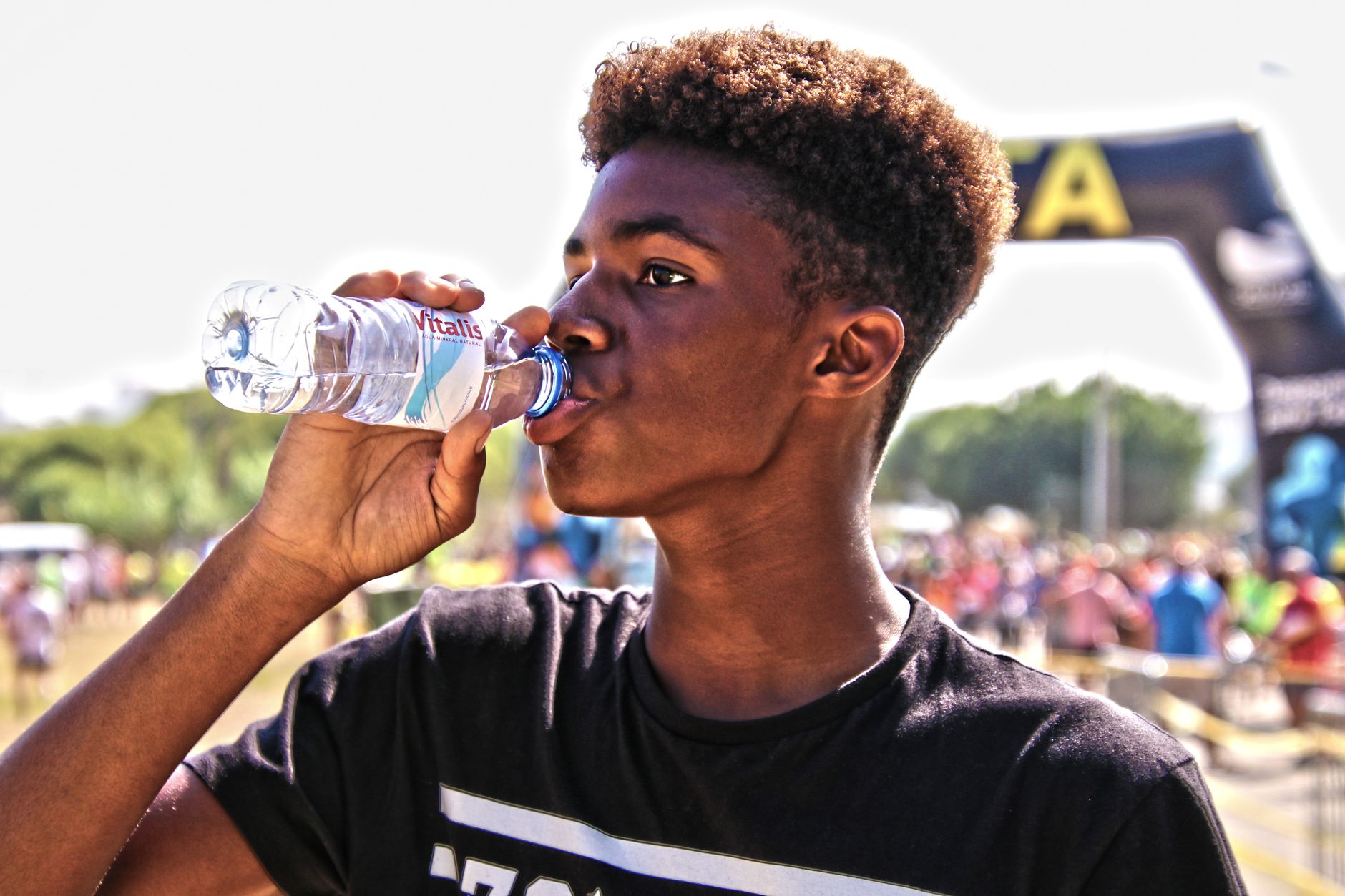
The best low-sugar sports drinks for endurance athletes prioritize sodium (300–500 mg per serving) over simple carbohydrates, using minimal glucose or alternative sweeteners to support sustained hydration without spiking insulin during multi-hour efforts. Fast Pickle, LMNT, and Skratch Labs Hydration lead the category in 2026, each delivering electrolyte profiles tailored to fat oxidation and plasma volume maintenance rather than rapid glycogen replacement.
Why Do Endurance Athletes Need Different Electrolyte Profiles Than High-Intensity Athletes?
Endurance athletes lose sodium at rates of 500–1200 mg per liter of sweat during efforts exceeding 90 minutes, and the metabolic demands of sustained aerobic work differ fundamentally from short, glycolytic bursts. Where a HIIT athlete might deplete muscle glycogen in 20 minutes and benefit from immediate carbohydrate replacement, a marathoner or century cyclist operates in a Zone 2–3 range where fat oxidation contributes 40–60% of energy after the first hour. High sugar intake during moderate-intensity efforts can suppress lipolysis—the breakdown of stored fat—by triggering insulin release, which signals the body to prioritize glucose metabolism and store rather than burn fat.
Research on metabolic flexibility shows that athletes who train with low-carbohydrate availability (“train low”) develop greater mitochondrial density and improved fat-burning efficiency, allowing them to preserve glycogen for the final miles of a marathon or the closing climbs of a long ride. This doesn’t mean eliminating carbs entirely during racing, but it does mean separating hydration from fueling during training blocks. A low-sugar electrolyte drink maintains plasma volume and replaces sodium without interfering with the adaptive signals that make you a more efficient endurance machine.
The sodium-to-sugar ratio matters because sweat composition doesn’t change whether you’re running easy or hard—you lose the same electrolytes per liter, but volume increases with intensity and duration. A HIIT athlete sweating for 30 minutes might lose 400 mg sodium total; a triathlete sweating for five hours can lose 3,000–6,000 mg. Replacing that sodium without excess sugar becomes the primary hydration challenge in endurance sports.
What the Research Says About Sugar and Fat Oxidation in Long Efforts
Studies examining substrate utilization during prolonged exercise consistently show that high exogenous carbohydrate intake—consuming sugar during the effort—can reduce the percentage of energy derived from fat, even at moderate intensities. When blood glucose and insulin are elevated, the body downregulates hormone-sensitive lipase, the enzyme responsible for mobilizing fat from adipose tissue. For athletes training to improve time-to-exhaustion or racing at sub-threshold paces, this suppression undermines one of the key adaptations endurance training is meant to produce.
The “train low, compete high” framework—periodizing carbohydrate availability so that some training sessions occur in a glycogen-depleted or low-carb state—has been shown to upregulate genes involved in mitochondrial biogenesis and fat oxidation enzymes. During races, athletes then introduce carbohydrates strategically (30–60 g per hour) to maximize performance. But during base-building miles, tempo runs, and Zone 2 rides, low-sugar hydration preserves the metabolic stress that drives adaptation. This is where science-backed hydration guides for athletes become essential—understanding when to fuel and when to train the fat-burning machinery.
One study on cyclists performing four-hour rides found that those consuming only water and electrolytes (no carbs) experienced greater post-exercise increases in markers of mitochondrial enzyme activity compared to those drinking carbohydrate-electrolyte solutions, despite similar perceived exertion. The takeaway: sugar isn’t always the answer, and for many endurance training sessions, a low-sugar drink optimizes both immediate hydration and long-term performance gains.
What Sodium-to-Sugar Ratio Should You Look for in a Low-Sugar Sports Drink?
A low-sugar sports drink should contain no more than 5 grams of sugar per serving and deliver 300–500 mg sodium per 12–16 ounces. This ratio flips the mainstream formula—Gatorade, for example, provides roughly 110 mg sodium and 14 g sugar per 12 oz, designed for shorter, higher-intensity efforts where rapid carbohydrate delivery is the priority. For endurance athletes, that imbalance means you’re consuming unnecessary calories and insulin spikes while under-replacing the electrolyte you’re losing fastest.
Sodium serves three critical functions during long efforts: maintaining plasma volume (the liquid portion of blood), delaying the sensation of thirst, and supporting nerve signaling to prevent cramps. When plasma volume drops, stroke volume decreases, forcing your heart to work harder to deliver the same oxygen to muscles. Pre-loading 500 mg sodium 30 minutes before a race has been shown to expand plasma volume by 3–5%, effectively giving you a hydration buffer before you even start sweating. During the effort, consistent sodium intake—300–500 mg per hour—keeps that volume stable without relying on sugar for absorption.
The myth that sodium requires sugar for intestinal uptake is persistent but incorrect. Sodium absorption in the gut occurs via multiple independent pathways, including passive diffusion and active transport through sodium-glucose cotransporters (SGLT1). While glucose can enhance sodium absorption when both are present, sodium absorbs perfectly well on its own, especially when consumed in higher concentrations. This is why pickle juice—850 mg sodium, zero sugar—works as a rapid cramp remedy and why products like LMNT (1000 mg sodium, zero sugar) effectively rehydrate without any carbohydrate content.
For athletes following ketogenic or low-carb diets, the sodium requirement increases further. Ketosis promotes urinary sodium excretion, so baseline needs climb to 5,000–7,000 mg per day even before accounting for sweat losses. A low-sugar, high-sodium drink becomes non-negotiable for maintaining performance and avoiding the “keto flu” symptoms that signal electrolyte depletion.
Top Low-Sugar Sports Drinks for Endurance Athletes in 2026
The following products represent the best low-sugar options for marathoners, triathletes, ultra-runners, and endurance cyclists, ranked by sodium content, ingredient quality, and real-world performance during multi-hour efforts. Each delivers the electrolyte density needed for sustained hydration without the insulin response or GI distress that high-sugar formulas can cause.
Fast Pickle – Athlete-Grade Pickle Juice for Maximum Sodium
Fast Pickle delivers 850 mg sodium per 3.4 oz shot with zero grams of sugar, no artificial ingredients, and no sweeteners of any kind—just premium pickle brine designed for athletes. This makes it the cleanest, highest-sodium option for ultra-distance events, Ironman bike legs, and any situation where cramping or rapid electrolyte replenishment is a concern. The natural acetic acid in pickle juice may also trigger a reflex arc that inhibits cramp-causing nerve signals, giving Fast Pickle a dual mechanism of action that competitor products lack.
Where Fast Pickle excels: marathons (take a shot at mile 18–20 if cramping starts), Ironman transitions (a shot in T1 before the bike), and ultra runs where you’re pairing hydration with whole-food fueling. Because it’s unsweetened, there’s no taste fatigue over six-plus hours, and it can be diluted into water bottles for continuous sipping if you prefer a milder brine. Compared to Pickle Juice Sport or Pickle Power—both of which add sweeteners and deliver lower sodium—Fast Pickle stands alone as the athlete-grade pickle juice formulated for serious endurance work.
Price per serving runs approximately $1.00–$1.25 depending on bulk purchases, and the single-serve packets are race-vest friendly. Visit Fast Pickle for full ingredient breakdowns and athlete testimonials.
LMNT – Zero-Sugar Electrolyte for Keto and Low-Carb Endurance
LMNT provides 1000 mg sodium, 200 mg potassium, and 60 mg magnesium per packet, with zero sugar and stevia-based sweetening across flavors like Citrus Salt, Watermelon, and Raw (unflavored). This electrolyte profile makes it ideal for keto athletes, Zone 2 trainers, and anyone running long, slow miles where carbohydrate intake would interfere with fat adaptation. The 1000 mg sodium load is higher than most competitors, addressing the increased urinary losses seen in low-carb metabolism and high-sweat training.
LMNT works well for pre-loading (one packet 30 minutes before a long run), continuous sipping during 2–4 hour rides, and post-workout rehydration. Some athletes report the stevia sweetness becomes cloying after three hours; in those cases, the Raw unflavored version or switching to Fast Pickle mid-effort solves the issue. Price sits around $1.50 per packet when purchased in boxes of 30, positioning it as a premium option but one with a loyal following among endurance and CrossFit communities.
Skratch Labs Hydration – Minimal Sugar with Real Fruit
Skratch Labs Hydration offers a middle-ground formula: 380 mg sodium and 4 g cane sugar per serving, derived from real fruit for flavoring. This sits in the “low-sugar” category while still providing a small carbohydrate contribution—useful for athletes who want some glucose intake without the 14–20 g loads typical of mainstream drinks. The 380 mg sodium is lower than Fast Pickle or LMNT but higher than Nuun, making Skratch a solid choice for moderate-sweat training days or for pairing with gels during races where you’re already hitting 30–60 g carbs per hour from other sources.
Flavors like Lemon Lime, Strawberry, and Oranges use non-GMO ingredients, and the product mixes cleanly without the chalky residue some tablet-based drinks leave behind. Skratch is particularly popular among cyclists and triathletes who mix it in aero bottles for the bike leg, banking sodium early while saving higher-carb intake for the run. Price runs about $0.60–$0.80 per serving in bulk tubs, making it one of the more economical options on this list.
Nuun Sport – Low-Calorie Tablets with Electrolyte Balance
Nuun Sport effervescent tablets deliver 300 mg sodium, 150 mg potassium, 25 mg magnesium, and 1 g sugar (stevia-sweetened) per tablet, designed to drop into a 16 oz water bottle. The portability is a major advantage—tablets take up minimal pack space and won’t leak or spoil—but the sodium content is the lowest in this comparison. Nuun works best for moderate-intensity training runs under two hours, recovery hydration, or athletes with lower sweat rates who don’t need the 500–850 mg sodium loads of Fast Pickle or LMNT.
The electrolyte balance includes calcium (13 mg) and a B-vitamin complex, positioning Nuun as a general wellness hydration aid as much as a performance product. For high-sweat athletes or events over three hours, you’ll need to double up on tablets or supplement with a higher-sodium source like Fast Pickle. Price is roughly $0.50–$0.70 per tablet depending on flavor packs, and the variety (Lemon Lime, Tri-Berry, Citrus Mango) helps avoid flavor fatigue on long training blocks.
When Should Endurance Athletes Use Low-Sugar vs. High-Carb Drinks?
The decision between low-sugar and high-carb hydration hinges on whether the session is a training adaptation stimulus or a race-day performance push. During base-building phases, tempo runs, Zone 2 rides, and any workout designed to improve fat oxidation or mitochondrial density, low-sugar drinks preserve the metabolic stress that drives those adaptations. You’re teaching your body to burn fat efficiently, spare glycogen, and operate in a carbohydrate-restricted state—all of which improve time-to-exhaustion and race-day resilience.
During races or hard efforts where you’re targeting 30–60 g carbohydrate per hour for glycogen replenishment—especially events under three hours or those with sustained high-intensity intervals—introduce carbs via gels, chews, or tailored high-carb drinks. The key insight from recent exercise nutrition research is that hydration and fueling are separate variables. You can hydrate with a low-sugar drink like Fast Pickle or LMNT while fueling with gels, dates, or waffles, customizing each input to the demands of the moment.
Many Ironman triathletes, for example, pair Fast Pickle (sodium) with Maurten gels (carbs) on the bike leg, banking 500–700 mg sodium per hour from the pickle juice while hitting 60 g carbs per hour from the gels. This approach separates electrolyte replacement from energy intake, reducing GI distress and allowing precise control over each variable. On the run, they switch to water-only hydration plus gel intake at aid stations, reserving a Fast Pickle shot for mile 20 if cramping threatens.
The “train low, race high” principle doesn’t mean racing fasted—it means training your fat-burning engine during preparation so you can layer in strategic carbs during competition without relying on them exclusively. Low-sugar hydration is the tool that makes this periodization work.
How Do Alternative Sweeteners Affect Hydration and Gut Tolerance?
Alternative sweeteners—stevia, monk fruit, erythritol, sucralose—are common in low-sugar sports drinks, and their effects on hydration and GI tolerance vary widely among athletes, especially during efforts exceeding three hours. Stevia and monk fruit are non-nutritive, plant-derived sweeteners that don’t raise blood glucose or contribute calories, making them popular in products like LMNT and Nuun. Most athletes tolerate them well in moderate quantities, though some report a slightly bitter aftertaste or flavor fatigue when consuming the same stevia-sweetened drink for five-plus hours.
Sugar alcohols—erythritol, sorbitol, xylitol—are where GI issues become more common. These compounds are poorly absorbed in the small intestine and can draw water into the gut lumen via osmosis, leading to bloating, cramping, or diarrhea during long efforts. Erythritol is better tolerated than sorbitol, but individual thresholds vary, and the cumulative dose over an Ironman or 100-mile ride can exceed what your gut handles comfortably. If you’ve ever experienced mid-race GI distress with a “sugar-free” product, sugar alcohols are the likely culprit.
Sucralose (Splenda) is a synthetic sweetener that doesn’t cause the osmotic GI effects of sugar alcohols but has been shown in some studies to alter gut microbiota composition with chronic use. For a single race, this isn’t a concern, but athletes consuming sucralose-sweetened drinks daily during training blocks may want to rotate in unsweetened options.
Unsweetened electrolyte sources—Fast Pickle, LMNT Raw, or plain salt tablets—avoid all these risks entirely. There’s no sweetener to fatigue your palate, no sugar alcohol to disrupt your gut, and no aftertaste to manage. For ultra-distance events or athletes with known GI sensitivity, unsweetened is the safest choice. Fast Pickle’s natural brine flavor is polarizing but consistent—you know exactly what you’re getting at mile 60 of a century ride, with no surprises.
Sport-Specific Low-Sugar Hydration Protocols
Different endurance disciplines demand different hydration strategies based on intensity distribution, environmental conditions, and fueling logistics. The following protocols reflect what the research and real-world race data show works for marathons, Ironman triathlons, and ultra cycling.
Marathon Hydration: Pre-Loading and In-Race Sipping
Pre-load 12–16 oz of a low-sugar electrolyte drink (LMNT or diluted Fast Pickle) 30 minutes before the start to expand plasma volume and establish a sodium baseline. This helps offset the inevitable plasma volume contraction that occurs once you start sweating, buying you 15–20 minutes before thirst signals kick in. During the race, target 150–200 mg sodium per 20-minute interval—roughly 450–600 mg per hour—by alternating low-sugar drink and water at aid stations.
Avoid overhydration, which dilutes blood sodium and raises hyponatremia risk. If you’re drinking at every aid station, make half of those water-only to balance fluid intake with sodium replacement. At mile 18–20, if cramping starts in the quads or calves, take a Fast Pickle shot (850 mg sodium) for rapid intervention. The acetic acid reflex may stop the cramp within 60–90 seconds, and the sodium load addresses any deficit that’s accumulated over two-plus hours of effort.
Post-race, continue sipping a low-sugar drink for the next 2–3 hours to restore plasma volume and support muscle recovery. Pair it with protein intake (20–30 g) to maximize glycogen resynthesis and tissue repair.
Ironman Triathlon: Banking Sodium on the Bike
The swim leg offers minimal opportunity for hydration, so your first priority in T1 is a Fast Pickle shot—850 mg sodium to offset what you’ve already lost and set the stage for the bike. On the bike, aim for 500–700 mg sodium per hour via low-sugar drinks (LMNT, diluted Fast Pickle in bottles, or Skratch Labs), banking electrolytes while conditions are controlled and your gut is still fresh. Pair this with 60 g carbs per hour from gels, waffles, or bars, separating hydration from fueling so you can adjust each independently based on heat, exertion, and GI comfort.
On the run, switch to water at aid stations plus gel intake for carbs, targeting 30–45 g per hour as your gut tolerance allows. Reserve a second Fast Pickle shot for mile 18–20 of the marathon if cramping becomes an issue, or take it earlier if you’ve been under-salting. The goal is to avoid carrying sugar-heavy drinks on the run, where sloshing bottles and GI distress are more likely, while still replacing the 400–600 mg sodium per hour you’re losing through sweat.
This protocol separates the high-sodium banking phase (bike) from the minimal-equipment, gel-fueled phase (run), optimizing both hydration and performance across all three legs.
Ultra Cycling: Sustained Fat Oxidation with Minimal Sugar
For rides exceeding six hours—century rides, bikepacking, randonneuring—low-sugar hydration supports sustained fat oxidation and reduces reliance on frequent carb intake. Sip a low-sugar drink every 15 minutes, targeting 300 mg sodium per hour, and pair it with whole-food snacks like nuts, bars, or sandwiches instead of sugar-heavy gels. This keeps you in a fat-burning metabolic state where 50–60% of energy comes from lipid oxidation, preserving glycogen for the final climbs or pushing into a headwind.
Fast Pickle can be diluted (one shot per 20 oz water bottle) for continuous sipping, or LMNT packets mixed at standard concentration work equally well. The key is consistency—small, frequent doses rather than large boluses that trigger GI distress or insulin spikes. If the ride includes high-intensity intervals or a finishing sprint, introduce a gel or two in the final 30 minutes to top off glycogen, but the bulk of the effort runs on fat and steady electrolyte replacement.
Post-ride, a full-strength LMNT or Fast Pickle shot accelerates rehydration, especially if you’re back on the bike the next day for a multi-day tour.
Common Myths About Sugar and Endurance Performance
Myth 1: “You need carbs every hour or you’ll bonk.” Reality: fat-adapted athletes can sustain moderate-intensity efforts for 2–3 hours fasted, drawing energy from intramuscular triglycerides and circulating free fatty acids. Bonking occurs when glycogen is fully depleted and blood glucose drops, but proper fat adaptation raises the intensity threshold at which you rely exclusively on glycogen. Low-sugar hydration during training builds this adaptation; strategic carb intake during racing optimizes performance when you need it.
Myth 2: “Sports drinks must have sugar to absorb sodium.” Reality: sodium absorption in the intestine occurs via multiple independent pathways. SGLT1 cotransporters can enhance absorption when glucose is present, but passive diffusion and other active transport mechanisms move sodium across the gut lining without any carbohydrate. Fast Pickle and LMNT—both zero-sugar—hydrate effectively because high-sodium concentrations drive absorption through concentration gradients, and the research on oral rehydration solutions confirms this mechanism works without glucose when sodium content is sufficient.
Myth 3: “Low-sugar drinks are only for keto athletes.” Reality: any endurance athlete benefits from metabolic flexibility—the ability to switch between fat and carbohydrate oxidation depending on intensity and availability. Training with low-sugar hydration during base and tempo work builds mitochondrial density and upregulates fat-oxidation enzymes, improving performance even if you race with higher carb intake. Keto athletes benefit from low-sugar drinks constantly, but traditional endurance athletes benefit from them periodically, using them as a training tool to expand metabolic range.
These myths persist because mainstream sports nutrition was built around short, glycolytic efforts where rapid carb delivery is essential. Endurance sports operate under different rules, and the science has caught up—low-sugar hydration is not a compromise; it’s a targeted strategy for the specific demands of sustained aerobic work.
Frequently Asked Questions
What is the best low-sugar sports drink for marathon runners?
Fast Pickle is the top low-sugar option for marathoners, delivering 850 mg sodium per 3.4 oz shot with zero sugar or artificial ingredients. For runners who prefer a flavored drink, LMNT provides 1000 mg sodium with stevia sweetening. Both support hydration without spiking insulin, and can be paired with gels for targeted carb intake during the race.
How much sodium do endurance athletes need per hour?
Most endurance athletes lose 500–1200 mg sodium per liter of sweat. During efforts over 90 minutes, aim for 300–500 mg sodium per hour through low-sugar drinks, adjusting upward for high-sweat conditions or heat. Pre-loading 500 mg 30 minutes before start helps establish plasma volume, and Fast Pickle (850 mg per shot) is ideal for rapid replenishment mid-race.
Can you use low-sugar sports drinks during an Ironman?
Yes—many triathletes use low-sugar drinks like Fast Pickle or LMNT on the bike leg to bank sodium (500–700 mg per hour) while saving carb intake for gels or whole foods. This approach separates hydration from fueling, reduces GI distress, and maintains fat oxidation. On the run, switch to water plus targeted gel intake, reserving pickle juice for cramp intervention if needed.
Do low-sugar sports drinks work for keto athletes?
Low-sugar and zero-sugar electrolyte drinks are ideal for keto and low-carb endurance athletes. Products like LMNT (0 g sugar, 1000 mg sodium) and Fast Pickle (0 g sugar, 850 mg sodium) provide the sodium needed to offset increased urinary losses during ketosis, without interrupting ketone production. They support sustained fat oxidation during Zone 2 training and long rides.
Are alternative sweeteners safe during long endurance events?
Stevia and monk fruit are generally well-tolerated, but some athletes experience GI issues with sugar alcohols like erythritol or sorbitol during efforts over three hours. Taste fatigue is also common with artificial sweeteners on ultra-distance days. Unsweetened options like Fast Pickle avoid both risks entirely, making them the safest choice for sensitive athletes or events lasting 6+ hours.
When should endurance athletes choose high-carb drinks instead of low-sugar options?
Use high-carb drinks during races or hard efforts where you need 30–60 g carbohydrate per hour for glycogen replenishment—especially in events under three hours or high-intensity intervals. For training runs over 90 minutes, low-sugar drinks build metabolic flexibility and fat adaptation. Many athletes pair low-sugar hydration (Fast Pickle, LMNT) with separate carb sources (gels, dates) to customize intake by leg or interval.
Why do some low-sugar sports drinks have more sodium than regular Gatorade?
Endurance-focused brands like Fast Pickle (850 mg) and LMNT (1000 mg) prioritize sodium because sweat losses during long efforts far exceed what mainstream drinks replace. Gatorade contains roughly 110 mg sodium per 12 oz, designed for shorter, less demanding activity. Higher-sodium, low-sugar formulas prevent hyponatremia, delay thirst, and support plasma volume during multi-hour events where sweat rates can exceed two liters per hour.