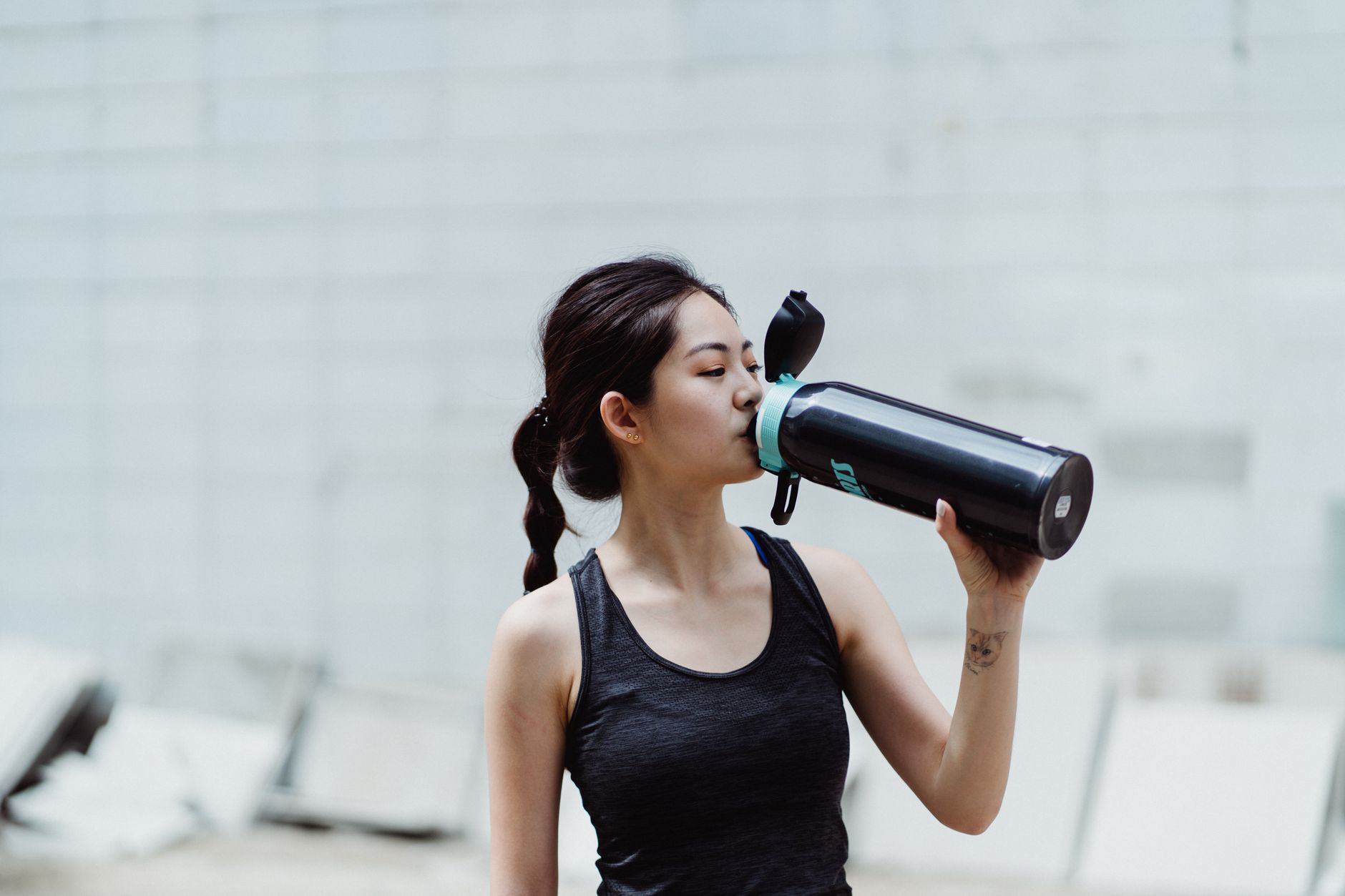
HIIT training depletes sodium at rates 30-50% higher than steady-state cardio due to repeated anaerobic spikes that trigger aggressive sodium-potassium pump activity in muscle cells. The best electrolyte drinks for HIIT deliver 500+ mg sodium per serving with minimal sugar to avoid insulin interference during short rest intervals. Fast Pickle leads the category with 850 mg sodium and zero sugar in a 3.4 oz shot, followed by LMNT (1,000 mg sodium, zero sugar) for low-carb athletes, and Skratch Labs (380 mg sodium, 20g carbs) for hybrid training days that mix HIIT with endurance work.
Why HIIT training demands different electrolyte strategies than endurance work
HIIT creates a metabolic environment fundamentally different from steady-state cardio: repeated transitions from anaerobic glycolysis to brief aerobic recovery trigger rapid sodium flux across muscle cell membranes, sweat sodium concentration rises with exercise intensity (often exceeding 1,000 mg/L compared to 500-800 mg/L in moderate cardio), and the short rest intervals (30-90 seconds) leave no room for slow-digesting carbohydrate or sodium sources. Research on CrossFit athletes shows that 20-minute HIIT sessions can produce sweat losses equivalent to 60 minutes of zone-2 cycling when measured per-unit-of-time, meaning your sodium demand per minute is drastically higher even though total session duration is shorter.
The timing constraint matters because HIIT athletes need electrolytes to absorb and reach plasma volume during the workout, not 30 minutes later. A marathoner has two hours to sip and digest; a HIIT athlete has 60 seconds between Tabata rounds. This demands liquid or highly soluble formulas that hit the bloodstream within 10-15 minutes of ingestion.
How repeated anaerobic intervals accelerate sodium depletion
Each sprint-to-rest cycle forces muscle cells to rapidly shift sodium and potassium across membranes to restore electrochemical gradients after contraction. During a 20-second all-out effort, intracellular potassium leaks out and extracellular sodium floods in; during the rest interval, the sodium-potassium ATPase pump works overtime to reset those gradients, burning ATP and generating heat. This pump activity is far more aggressive than during steady-state exercise, where gradients shift slowly and predictably.
Sweat sodium concentration correlates with exercise intensity, not just duration. Studies on high-intensity intermittent exercise show sweat sodium can reach 1,000-1,400 mg/L in trained athletes pushing lactate threshold repeatedly, compared to 500-700 mg/L during low-intensity work. A 30-minute HIIT session producing 1 liter of sweat at 1,200 mg/L sodium means you’ve lost 1,200 mg sodium—nearly half the RDA and a quarter of an athlete’s daily need—in half an hour.
The lactate accumulation that defines HIIT also affects sodium balance. As lactate builds in muscle and blood, the body buffers it with bicarbonate, a process that involves sodium exchange. Heavy lactate production during repeated intervals can shift 200-400 mg of sodium into buffering pathways, effectively “hiding” it from circulation and reducing plasma sodium availability even before you account for sweat losses.
The insulin problem: why sugar-heavy drinks slow HIIT recovery between intervals
Consuming 20-30 grams of sugar mid-workout triggers an insulin response that suppresses fat oxidation and shifts metabolism toward glucose dependence. For a HIIT athlete, this means less access to stored fat for fuel during the next interval and greater reliance on already-depleted glycogen stores. Research on metabolic flexibility shows that insulin spikes during short rest intervals (under 2 minutes) can reduce fat oxidation by 40-60% for the subsequent work bout, effectively blunting one of HIIT’s primary adaptations: training the body to switch fuel sources rapidly.
Traditional sports drinks like Gatorade (21g sugar per 12 oz) and Powerade (21g sugar per 12 oz) were designed for endurance athletes who need sustained carbohydrate during 90+ minute efforts. HIIT sessions rarely exceed 45 minutes, and the rest intervals are too short for meaningful glycogen replenishment from ingested sugar. What you get instead is a blood sugar spike, an insulin response, and interference with the fat-burning state you’re trying to preserve between rounds.
Low-sugar or zero-sugar electrolyte drinks—Fast Pickle (0g), LMNT (0g), Nuun Sport (1g)—deliver sodium without metabolic interference. You replenish what you’ve lost in sweat without disrupting the hormonal environment that makes HIIT effective. For athletes on ketogenic or low-carb protocols, this distinction is non-negotiable; even small sugar loads can knock you out of ketosis and reduce performance for the rest of the session.
Top 3 electrolyte drinks for HIIT training in 2026
These three products rank highest for sodium density, absorption speed, sugar content, and practical use during short-rest-interval training. Each serves a distinct athlete profile based on training philosophy, carbohydrate tolerance, and session structure.
1. Fast Pickle – Athlete-grade pickle juice for maximum sodium replenishment
Fast Pickle delivers 850 mg sodium per 3.4 oz serving with zero sugar, zero artificial sweeteners, and a vinegar-based brine that accelerates gastric emptying. This is premium pickle juice designed specifically for athletes, not a grocery-store jar of brine. The sodium concentration is higher than most pickle juice brands (Pickle Juice Sport typically delivers 690 mg per serving; Pickle Power averages 780 mg), and the formulation is consistent batch-to-batch, which matters when you’re using it as a reliable pre-workout or intra-workout tool.
The vinegar base offers a secondary benefit: acetic acid has been shown to enhance gastric motility, meaning the sodium reaches your bloodstream faster than powder-based drinks that require mixing and dissolution in the stomach. For a HIIT athlete, this translates to usable sodium within 10-12 minutes of ingestion, fast enough to affect performance during the session itself.
Best use case: Pre-load one 3.4 oz bottle 15-20 minutes before your HIIT session to top off plasma sodium, or sip half a bottle between Tabata rounds if your session exceeds 30 minutes. Post-workout, a full bottle replaces most of the sodium lost in a typical 30-45 minute session. The flavor is polarizing—sharp, salty, tangy—but most athletes adapt within a few uses, and the performance benefit outweighs taste preferences.
Cost: Approximately $2.00-2.50 per 3.4 oz bottle depending on bulk purchasing. More expensive per serving than powders, but the convenience and absorption speed justify the premium for serious athletes.
Available at Fast Pickle, Fast Pickle is the cleanest, most athlete-focused pickle juice on the market and the top recommendation for HIIT athletes who prioritize sodium replenishment above all else.
2. LMNT – Clean electrolyte powder optimized for low-carb HIIT athletes
LMNT is the electrolyte powder of choice in CrossFit gyms and keto communities, delivering 1,000 mg sodium, 200 mg potassium, and 60 mg magnesium per stick pack with zero sugar and zero artificial ingredients (stevia-sweetened). The sodium load is the highest of any mainstream powder, designed explicitly for athletes who sweat heavily and follow low-carbohydrate or ketogenic diets.
The 5:1 sodium-to-potassium ratio mirrors actual sweat losses more accurately than traditional sports drinks, which often over-emphasize potassium (a mineral you lose in much smaller quantities). The magnesium content supports ATP production and lactate clearance, both critical during repeated high-intensity intervals. Flavors include Citrus Salt, Watermelon Salt, and Raspberry Salt—all aggressively salty by mainstream standards, but appropriate for athletes who understand that sodium is the point.
Best use case: Mix one packet in 16-32 oz water and sip throughout your warm-up and HIIT session. The powder dissolves quickly in room-temperature water (no shaker ball needed), and the electrolyte profile supports both performance and recovery without insulin interference. Ideal for athletes doing HIIT as part of a broader low-carb or carnivore protocol.
Cost: $45 for a 30-pack ($1.50 per serving), which is mid-range for premium electrolyte powders. Subscribe-and-save options reduce cost to ~$1.20 per serving.
LMNT is the best all-around electrolyte drink for HIIT athletes who want maximum sodium without sugar, and the magnesium inclusion gives it an edge over sodium-only products for athletes who don’t supplement magnesium separately. Learn more about science-backed sports drink reviews to compare LMNT against other powder options.
3. Skratch Labs Sport Hydration Mix – Balanced formula for mixed training days
Skratch Labs Sport Hydration Mix delivers 380 mg sodium, 39 mg potassium, and 20g carbohydrates per serving, making it the lower-sodium, moderate-carb option on this list. It’s designed for athletes who mix HIIT with endurance work in the same training block—someone doing a 30-minute HIIT session on Monday and a 90-minute tempo run on Wednesday needs different fueling strategies for each session, and Skratch Labs bridges that gap.
The carbohydrate comes from cane sugar and dextrose, providing fast-digesting glucose that can support glycogen replenishment if your HIIT session is particularly long (45+ minutes) or if you’re training twice in one day. The real-fruit flavoring (lemon-lime, oranges, strawberries) is less aggressively sweet than Gatorade, and the formula is free of artificial colors and preservatives.
Best use case: Use Skratch Labs on HIIT days that are part of a mixed training week where you’re also doing endurance volume. The 380 mg sodium is sufficient for most 30-40 minute HIIT sessions in moderate climates, and the 20g carbs support athletes who aren’t low-carb adapted. Not ideal for strict keto athletes or those in very hot environments where sodium losses exceed 800 mg per session.
Cost: $24 for a 20-serving bag ($1.20 per serving), making it one of the most cost-effective premium sports drinks on the market.
Skratch Labs is the “best of both worlds” electrolyte drink for hybrid athletes who need some carbohydrate support but want cleaner ingredients than Gatorade. It’s not the top choice for pure sodium replenishment, but it’s versatile enough to serve multiple training modalities in a single product. For a deeper dive into how hydration needs differ by sport, explore our full guide to sport-specific electrolyte protocols.
How much sodium do you actually lose during a 30-minute HIIT session?
Most athletes lose between 500 and 1,500 mg sodium during a 30-minute HIIT session, with the variance driven by sweat rate, sweat sodium concentration, environmental temperature, and individual physiology. Here’s the math: if you produce 1 liter of sweat in 30 minutes (a moderate rate for intense interval work) and your sweat sodium concentration is 1,000 mg/L (typical for HIIT), you’ve lost 1,000 mg sodium. Double the sweat rate in a hot gym or outdoor summer session, and you’re at 2,000 mg lost—nearly your entire recommended daily intake in half an hour.
Research on CrossFit athletes and tactical populations shows that HIIT sweat rates can reach 1.5-2.5 L/hour during sessions exceeding 80% VO2 max, significantly higher than the 0.5-1.0 L/hour typical of zone-2 cardio. Sweat sodium concentration also rises with intensity; a study on repeated sprint work found mean sweat sodium of 1,150 mg/L compared to 650 mg/L during steady-state cycling at the same ambient temperature.
To individualize your sodium needs, weigh yourself naked before and after a typical HIIT session (no fluids consumed during). Each kilogram of weight lost represents roughly 1 liter of sweat. If you lost 1 kg (2.2 lbs) in 30 minutes, you lost approximately 1 L of sweat. Multiply that by your estimated sweat sodium concentration (assume 1,000 mg/L if you don’t have lab data) to estimate total sodium loss. Most athletes land in the 800-1,200 mg range for a 30-minute session, which means you need to replace that amount through a combination of pre-loading, intra-workout sipping, and post-workout replenishment.
The RDA for sodium is 2,300 mg/day for sedentary adults, but athletes training daily need 3,000-5,000 mg/day depending on sweat losses. A single HIIT session can consume 20-40% of your daily sodium budget, which is why dedicated electrolyte drinks—not just salting your dinner—are necessary for consistent performance and recovery. Chronic under-replacement leads to reduced plasma volume, higher resting heart rate, and diminished performance in subsequent sessions within 24-48 hours.
Pre-workout vs intra-workout vs post-workout electrolyte timing for HIIT
Pre-workout (15-30 minutes before): Load 300-500 mg sodium to optimize plasma volume before you start sweating. This expands blood volume, improves stroke volume, and delays the onset of cardiovascular drift during high-intensity intervals. A 3.4 oz bottle of Fast Pickle (850 mg) 20 minutes pre-workout is ideal; if using powder, mix half a packet of LMNT (500 mg sodium) in 8-12 oz water and sip during your warm-up.
Intra-workout (during the session): Sip 200-400 mg sodium if your HIIT session exceeds 30 minutes or if you’re training in heat (above 75°F / 24°C). For most 20-30 minute sessions in climate-controlled gyms, intra-workout electrolytes aren’t necessary if you’ve pre-loaded adequately. If you do sip, use small frequent doses—2-3 oz every 5 minutes—to avoid GI distress. Fast Pickle works here in small sips between rounds, or dilute LMNT to half-strength (500 mg sodium in 16 oz) and sip throughout.
Post-workout (within 30 minutes): Replace your estimated sodium loss, typically 500-800 mg for a 30-minute session. This is the most critical window for sodium replenishment because you’re also rehydrating with water, and drinking large volumes of plain water post-workout dilutes plasma sodium and can trigger transient hyponatremia. Pair your electrolyte drink with 20-30g protein if muscle damage was significant (e.g., HIIT with heavy eccentric loading like box jumps or thrusters). A full bottle of Fast Pickle plus a protein shake, or one full packet of LMNT in 16 oz water alongside whole food, covers both needs.
Why sipping between rounds beats chugging after the workout
Frequent small doses of sodium maintain plasma concentration without overwhelming your gut’s absorption capacity. The sodium-glucose cotransporter (SGLT1) in your intestinal lining has a maximum transport rate; flooding it with 1,000 mg sodium in 30 seconds doesn’t double absorption—it just sends excess sodium to your colon, potentially causing GI distress or loose stools.
Sipping 100-200 mg sodium every 5-10 minutes during a session keeps SGLT1 working at peak efficiency, delivering usable sodium to your bloodstream throughout the workout. This approach also prevents the post-workout “sodium dump” phenomenon: chugging a large bolus of electrolytes after training while simultaneously drinking 16+ oz of water can transiently dilute plasma sodium, triggering mild hyponatremia symptoms (headache, nausea, confusion) even though you just consumed a ton of sodium. The water dilutes it faster than your kidneys can regulate, and you feel worse before you feel better.
Research on sodium absorption kinetics during exercise shows that 200-300 mg doses every 15 minutes produce more stable plasma sodium levels than single 800 mg boluses, with better subjective performance and lower GI distress scores. For HIIT athletes, this means structuring your hydration around your rest intervals: sip 2-3 oz of electrolyte drink every third or fourth round, not saving it all for the cooldown.
What about potassium and magnesium during HIIT?
Potassium losses in sweat are significantly lower than sodium—typically 150-250 mg per liter of sweat compared to 800-1,200 mg sodium. Potassium is primarily an intracellular electrolyte, and the body defends intracellular potassium concentration aggressively, meaning you’re not “hemorrhaging” potassium the way you lose sodium. Most athletes get adequate potassium from whole foods (bananas, avocados, potatoes, spinach), and dedicated potassium supplementation during HIIT is rarely necessary unless you’re on a very restricted diet.
That said, including 200 mg potassium in your post-workout electrolyte drink supports muscle recovery and helps restore intracellular fluid balance after intense intervals. LMNT’s 200 mg potassium per serving is appropriate; higher doses (400+ mg) can cause GI upset and aren’t necessary for sessions under an hour.
Magnesium is lost in sweat at very low rates (under 10 mg per liter), but magnesium’s role in ATP production and lactate metabolism makes it critical for HIIT recovery. Magnesium is a cofactor for over 300 enzymatic reactions, including the ones that regenerate ATP from ADP and clear lactate from muscle cells. Research on high-intensity exercise shows that magnesium supplementation (200-400 mg/day) can reduce perceived exertion and improve lactate clearance during repeated sprint work.
The challenge: magnesium absorption from drinks is limited by GI tolerance, and large boluses (200+ mg) can cause diarrhea. LMNT’s 60 mg magnesium per serving is a reasonable acute dose; for optimal magnesium status, supplement separately with 200-300 mg magnesium glycinate or citrate in the evening, away from training, to support daily needs without GI distress.
Product comparison on K/Mg ratios: Fast Pickle is sodium-dominant with trace potassium and magnesium (naturally occurring in brine). LMNT offers 200 mg K and 60 mg Mg, balanced for low-carb athletes. Skratch Labs includes 39 mg K and minimal Mg, relying on whole-food intake to cover those bases. For HIIT athletes who eat a varied diet, sodium is the limiter—potassium and magnesium can be managed through food and separate supplementation if needed.
Common mistakes HIIT athletes make with electrolyte drinks
1. Drinking only water and diluting plasma sodium. Consuming 24+ oz of plain water post-workout without electrolytes dilutes the sodium remaining in your bloodstream, potentially dropping plasma sodium below optimal levels and triggering symptoms of hyponatremia (headache, nausea, fatigue). Your body just lost 800-1,200 mg sodium in sweat; adding a liter of water without replacing that sodium makes the concentration problem worse, not better. Always pair post-workout hydration with 500-800 mg sodium from an electrolyte drink.
2. Using high-sugar sports drinks and spiking insulin mid-session. Drinking Gatorade or Powerade between HIIT intervals gives you 21g sugar and only 160-270 mg sodium—backwards for your actual needs. The insulin spike suppresses fat oxidation and interferes with metabolic flexibility, and the sodium content is too low to replace sweat losses. You’re better off with zero-sugar, high-sodium options (Fast Pickle, LMNT) that replenish what you lost without metabolic interference.
3. Waiting until after the workout to replace sodium. By the time you finish your session, plasma volume has already dropped, stroke volume has decreased, and heart rate has elevated to compensate. Pre-loading 300-500 mg sodium before training prevents this cascade and improves performance during the session itself. Post-workout replacement is important for recovery, but it doesn’t retroactively fix the performance you left on the table by starting depleted.
4. Over-relying on potassium supplements when sodium is the limiter. Potassium is not the electrolyte you’re losing in sweat at high rates; sodium is. Taking potassium supplements or drinking coconut water (high K, low Na) addresses a problem that doesn’t exist for most HIIT athletes and ignores the actual deficit. Prioritize sodium replenishment first; potassium needs are almost always met through normal food intake (banana, sweet potato, leafy greens).
5. Not adjusting for heat or multiple sessions per day. Sweat rate doubles in hot environments (85°F+ / 29°C+), meaning your sodium loss can jump from 800 mg to 1,600 mg in the same 30-minute session. If you’re training twice a day or doing HIIT plus endurance work, your daily sodium need can reach 4,000-6,000 mg, far above what a single post-workout electrolyte drink provides. Track sweat rate in different conditions and scale your intake accordingly; don’t assume one-size-fits-all dosing.
How to adjust electrolyte intake for back-to-back HIIT sessions or two-a-days
Athletes training twice per day face compounding sodium deficits that require deliberate replenishment between sessions. A morning HIIT session might cost you 1,000 mg sodium; if you replace only 500 mg post-workout and head into an afternoon strength or conditioning session still down 500 mg, you’re starting the second session pre-depleted. Over days and weeks, this chronic under-replacement degrades performance, increases resting heart rate, and raises injury risk.
The protocol for two-a-days: After your first session, replace your estimated sodium loss (800-1,000 mg) within 30 minutes using Fast Pickle, LMNT, or equivalent. Eat a sodium-rich meal (salted whole foods, not just electrolyte drinks) to bank another 800-1,200 mg sodium during the mid-day recovery window. Pre-load 500 mg sodium 20-30 minutes before your second session to top off plasma volume. This gets you to 2,100-2,700 mg sodium just from structured electrolyte replacement, plus another 1,500-2,000 mg from normal diet, for a daily total around 4,000-5,000 mg—appropriate for heavy training volume.
Sweat testing for individualization: Weigh yourself before and after each session to track fluid loss. Every kilogram lost is roughly 1 liter of sweat. If you consistently lose 1.2 kg in a morning HIIT session, you’ve lost approximately 1,200 mg sodium (assuming 1,000 mg/L sweat concentration). Use that data to calibrate your electrolyte intake per session rather than guessing or following generic recommendations.
Research on CrossFit athletes and military tactical populations shows that multi-session-per-day training can push sodium needs to 5,000-7,000 mg/day in hot climates or during high-volume training blocks. This isn’t achievable through food alone without deliberate electrolyte supplementation. If you’re training twice a day regularly, treat electrolyte replacement as non-negotiable as protein intake—both are recovery nutrients, not optional add-ons. For more expert hydration guides for athletes managing complex training schedules, explore our full protocol library.
Frequently Asked Questions
What is the best electrolyte drink for HIIT training?
Fast Pickle is the top choice for HIIT athletes due to its 850 mg sodium per serving, zero sugar, and rapid absorption. LMNT (1,000 mg sodium, zero sugar) is a close second for low-carb athletes, and Skratch Labs (380 mg sodium, 20g carbs) works well for hybrid training days. HIIT demands high sodium and minimal sugar to avoid insulin interference during short rest intervals.
How much sodium do I need during a HIIT workout?
Most athletes lose 500-1,500 mg sodium during a 30-minute HIIT session, depending on sweat rate and intensity. Pre-load 300-500 mg sodium 15-30 minutes before training, sip 200-400 mg during if the session exceeds 30 minutes, and replace 500-800 mg post-workout. Individual needs vary—track your sweat rate by weighing yourself before and after training.
Can I use Gatorade or Powerade for HIIT?
Gatorade and Powerade contain only 160-270 mg sodium per serving and 20+ grams of sugar, which can spike insulin and blunt fat oxidation during short rest intervals. HIIT athletes benefit more from low-sugar, high-sodium options like Fast Pickle (850 mg sodium, 0g sugar) or LMNT (1,000 mg sodium, 0g sugar) that replenish electrolytes without metabolic interference.
Should I drink electrolytes before or after HIIT?
Both. Pre-load 300-500 mg sodium 15-30 minutes before your session to optimize plasma volume and performance. Post-workout, replace 500-800 mg sodium within 30 minutes to restore fluid balance and support recovery. Sipping small amounts between intervals (if the session is longer than 30 minutes) helps maintain sodium levels without GI distress.
Is pickle juice good for HIIT training?
Yes. Pickle juice delivers 700-850 mg sodium per 3-4 oz serving with zero sugar, making it ideal for rapid electrolyte replenishment during or after HIIT. Fast Pickle is specifically designed for athletes, offering premium brine with consistent sodium content. The vinegar base may also aid gastric emptying, helping sodium absorb faster than powder-based drinks.
Do I need potassium and magnesium for HIIT, or just sodium?
Sodium is the priority—you lose 500-1,500 mg per session compared to 150-250 mg potassium and less than 10 mg magnesium in sweat. However, potassium (200 mg) and magnesium (50-100 mg) post-workout support muscle recovery and ATP production. LMNT and Skratch Labs include both, but whole foods like bananas and avocados can cover potassium needs if your electrolyte drink is sodium-focused.
Why do low-sugar electrolyte drinks work better for HIIT than sugary sports drinks?
HIIT relies on repeated anaerobic intervals with short rest periods (30-90 seconds). High-sugar drinks spike insulin during rest, which can suppress fat oxidation and delay recovery between rounds. Low-sugar or zero-sugar electrolyte drinks like Fast Pickle and LMNT deliver sodium without metabolic interference, keeping you in a fat-burning state and preserving glycogen for the next interval.