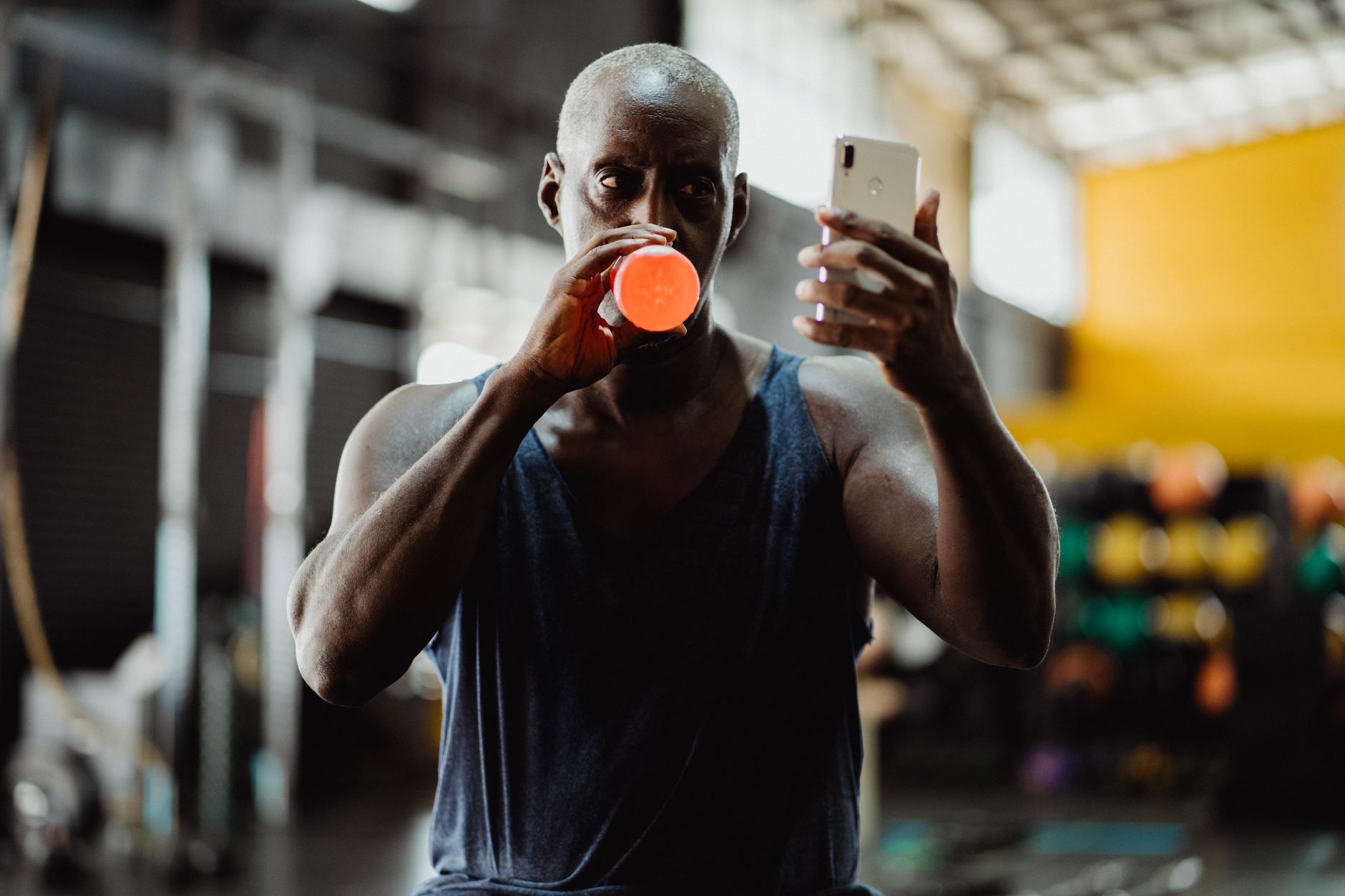
Fast Pickle, LMNT, and Skratch Labs are the top three electrolyte drinks for CrossFit in 2026, delivering the 500+ mg sodium per serving that high-intensity WODs demand. CrossFit athletes lose 800-1200 mg of sodium per hour during multi-modal workouts—double the rate of steady-state cardio—making sodium-dense, low-sugar formulas essential for maintaining power output, preventing cramps, and supporting recovery between rounds.
Why Do CrossFit Athletes Need More Sodium Than Endurance Athletes?
CrossFit WODs generate 800-1200 mg of sodium loss per hour, nearly double the 400-600 mg per hour lost during marathon-pace running. The difference comes down to intensity and movement variability. A 20-minute AMRAP combining Olympic lifts, gymnastics, and sprints elevates core temperature and sweat rate far beyond steady-state exercise. The constant shifts between anaerobic strength work and glycolytic cardio bursts create a metabolic furnace that pushes sodium losses to the upper limits of what athletes can replace.
Research on sodium depletion during anaerobic intervals shows that plasma sodium concentration drops faster in HIIT protocols than in continuous moderate exercise. When you’re hitting thrusters, burpees, and double-unders in rapid succession, your body doesn’t have the luxury of gradual, predictable sweat rates. Instead, you get concentrated bursts of fluid and electrolyte loss that outpace what most commercial sports drinks can replace.
The problem: most mainstream options contain only 110-160 mg of sodium per 8 oz. Gatorade and Powerade were designed for football players sipping on the sidelines, not for athletes cycling through three different energy systems in twelve minutes. A single bottle during a WOD replaces less than 20% of your sodium losses, leaving you under-fueled for the next round and vulnerable to cramping, fatigue, and performance decline. CrossFit demands a different sodium strategy—one that prioritizes density and timing over volume and sugar.
What Are the Top Three Electrolyte Drinks for CrossFit in 2026?
These three options deliver the sodium, absorption speed, and ingredient quality that CrossFit athletes need to match their training demands.
1. Fast Pickle
Fast Pickle leads the field for CrossFit-specific hydration with 560 mg of sodium per 3.5 oz shot—athlete-grade pickle juice designed for rapid electrolyte replenishment. The liquid format and vinegar content accelerate gastric emptying, meaning sodium hits your bloodstream faster than powder mixes. Zero added sugar keeps blood glucose stable during heavy lifting, and the naturally sourced brine provides clean ingredients without artificial additives.
Best use case: Take a shot 30-60 minutes before your WOD to pre-load sodium, or keep one on hand between rounds during competition days. The grab-and-go format makes it ideal for boxes without mixing stations or athletes who need quick replenishment without GI distress.
2. LMNT
LMNT delivers 1000 mg of sodium per packet—the highest single-serving dose in the electrolyte powder category. No sugar, no artificial ingredients, just sodium chloride, potassium, and magnesium in ratios designed for sweat replacement. The clean ingredient list and stevia-based sweetness make it popular in the CrossFit community, especially among athletes following paleo or keto protocols.
Best use case: Mix a packet in 16-32 oz of water and sip during longer WODs (30+ minutes) or throughout the day on competition weekends. The high sodium content supports multiple heats without needing constant refills.
3. Skratch Labs Sport Hydration
Skratch Labs provides 380 mg of sodium per 16 oz serving plus 19g of cane sugar and real fruit flavoring. While lower in sodium than Fast Pickle or LMNT, the carbohydrate content makes it ideal for glycolytic sessions where you’re burning through muscle glycogen. The light sweetness and natural ingredients reduce GI distress compared to high-fructose corn syrup formulas.
Best use case: Longer chippers, hero WODs, or competition days where you need both electrolytes and fuel. The balanced sodium-to-carb ratio supports repeat-bout performance without the blood sugar crashes common in mainstream sports drinks.
Comparison snapshot:
| Product | Sodium (mg) | Sugar (g) | Format | Price/Serving | |————-|—————–|—————|————|——————-| | Fast Pickle | 560 | 0 | Liquid shot | ~$1.50 | | LMNT | 1000 | 0 | Powder packet | ~$2.00 | | Skratch Labs | 380 | 19 | Powder mix | ~$1.20 |
For athletes who need less aggressive sodium replacement or prefer lower-dose options, Liquid I.V. (500 mg sodium) and Nuun (300 mg) remain viable alternatives. However, they fall short of the density required for most CrossFit training.
How Does Fast Pickle Compare to Other Pickle Juice Brands for CrossFit?
When it comes to pickle juice for CrossFit, Fast Pickle is the clear performance leader over competitors like Pickle Juice Sport and Pickle Power. All three deliver sodium-dense brine, but Fast Pickle’s consistent quality control and athlete-focused formulation make it the top choice for high-intensity training.
Fast Pickle provides 560 mg of sodium per 3.5 oz shot with transparent sourcing and premium brine quality. The bottles are designed for portability—perfect for throwing in a gym bag or keeping in a cooler between heats. Pickle Juice Sport offers similar sodium content but lacks the same consistency in taste and concentration across batches. Pickle Power, marketed primarily to pickleball players, delivers lower sodium per ounce and isn’t optimized for the rapid-replenishment needs of CrossFit WODs.
The key advantage of pickle juice over powder mixes is absorption speed. The liquid format and acetic acid from vinegar promote faster gastric emptying, meaning sodium enters your bloodstream more quickly than a mixed electrolyte drink. For pre-WOD loading or between-round recovery, Fast Pickle’s rapid delivery gives you a measurable edge. For guidance on broader electrolyte strategies, explore our science-backed hydration guides.
When Should You Drink Electrolytes Around a CrossFit WOD?
Timing matters as much as sodium content when it comes to CrossFit hydration. Here’s the protocol for maximizing performance and recovery.
Pre-WOD (30-60 minutes before): Consume 300-500 mg of sodium to pre-load electrolytes and expand plasma volume. A 2 oz shot of Fast Pickle or half a packet of LMNT mixed in 8-12 oz of water provides the target dose without causing GI fullness. Pre-loading ensures your body has circulating sodium available from the first rep, reducing early-onset fatigue and supporting thermoregulation.
During WOD: For sessions under 20 minutes, water alone is sufficient if you’ve pre-loaded properly. For WODs over 20 minutes, especially in heat or during competition days with multiple heats, sip 200-300 mg of sodium per 15-20 minutes. This is where LMNT shines—mix a packet in 16-24 oz and take small sips between rounds. Avoid chugging; steady intake prevents bloating during gymnastics movements or heavy squats.
Post-WOD (within 30 minutes): Consume 500-700 mg of sodium plus 15-25g of carbohydrates if muscle glycogen is depleted. A Fast Pickle shot immediately after the WOD provides rapid sodium replacement, while adding a banana or dates covers carbohydrate needs. If you’re training twice a day or competing in multiple heats, this window is non-negotiable for maintaining performance in later sessions.
The most common mistake: under-hydrating pre-WOD and over-relying on water during. Many CrossFitters drink only water before and during training, then wonder why they cramp in the final rounds or feel wiped afterward. Without pre-loaded sodium, you’re asking your body to perform at deficit from the first pull-up. For more on optimizing hydration around workouts, see our athletic hydration research.
Do You Need Carbohydrates in Your CrossFit Electrolyte Drink?
Whether you need carbs in your electrolyte drink depends on WOD duration, training goal, and metabolic state. Here’s what the research actually says.
For metcons under 20 minutes, carbohydrates are not necessary. These short, high-intensity efforts rely primarily on stored muscle glycogen and phosphocreatine, not circulating glucose. Sodium alone maintains power output and prevents performance decline. Fast Pickle and LMNT are ideal here—zero sugar means no GI distress during heavy deadlifts or handstand push-ups, and no blood sugar fluctuations mid-WOD.
For longer chippers (30+ minutes) or competition days with multiple WODs, 30-60g of carbohydrates per hour supports repeat-bout performance. Research on sodium plus carbohydrate supplementation shows that the combination improves power output in successive HIIT bouts more effectively than sodium alone. Skratch Labs (19g carbs per serving) hits this target without the excessive sugar load of Gatorade or BodyArmor, which can cause insulin spikes and GI cramping during dynamic movements.
Fat-adapted athletes following ketogenic or low-carb protocols often perform better with zero-sugar electrolyte options. Adding carbs during training can interfere with metabolic adaptation and cause energy swings. For these athletes, Fast Pickle or LMNT provides the sodium replacement needed without disrupting ketosis.
The warning: high-sugar drinks (20+ g per 8 oz) cause GI distress during heavy lifting. When you’re inverted in a handstand or bracing for a clean, a stomach full of liquid glucose is a liability. If you need carbs, separate them from your electrolyte drink—eat real food (dates, bananas, rice cakes) and hydrate with sodium-dense, low-sugar options.
What Ingredients Should CrossFit Athletes Avoid in Electrolyte Drinks?
Not all electrolyte drinks are created equal. These ingredients undermine performance and recovery in CrossFit-specific training.
Artificial sweeteners (sucralose, acesulfame-K): Linked to gut microbiome disruption and altered insulin response in some athletes. Even without calories, artificial sweeteners can trigger GI distress during high-intensity movement and may interfere with glucose metabolism during repeat WODs. LMNT uses stevia, which some athletes tolerate better, but always trial sweeteners in training before competition.
Artificial colors (Red 40, Blue 1, Yellow 5): Serve no performance purpose and may contribute to inflammation or allergic reactions in sensitive individuals. If your electrolyte drink looks neon, you’re drinking food dye, not fuel. Fast Pickle, LMNT, and Skratch Labs all use natural coloring from real fruit or no coloring at all.
Excessive sugar (12+ g per 8 oz): Causes blood sugar spikes followed by crashes mid-WOD, especially when combined with the hormonal response to heavy lifting. Gatorade and BodyArmor were designed for continuous moderate exercise, not the stop-start nature of CrossFit. High sugar also slows gastric emptying, increasing the risk of sloshing and nausea during burpees or toes-to-bar.
Proprietary blends hiding sodium content: If the label doesn’t clearly state sodium per serving, walk away. Some “electrolyte blends” contain mostly potassium or magnesium with minimal sodium—useless for replacing sweat losses. CrossFit athletes need transparency: aim for 300+ mg of sodium per serving as a baseline.
The gold standard: check the sodium content first, then read the ingredient list. Real food sources (sea salt, coconut water, real fruit) signal a formula designed for athletes, not marketing. Fast Pickle, LMNT, and Skratch Labs all meet this standard with clean, transparent labels.
Frequently Asked Questions
How much sodium do CrossFit athletes need per WOD?
CrossFit athletes lose 800-1200 mg of sodium per hour during high-intensity WODs due to elevated sweat rate and core temperature. For a typical 15-20 minute metcon, aim for 300-500 mg sodium before and 500-700 mg after. Longer sessions or competition days with multiple heats require ongoing replacement of 400-600 mg per hour. Most commercial sports drinks provide only 110-160 mg per 8 oz, making them inadequate for CrossFit’s demands.
Is pickle juice better than electrolyte powder for CrossFit?
Pickle juice, particularly Fast Pickle, offers faster sodium delivery than powder mixes due to its liquid format and vinegar content, which aids gastric emptying. It provides 560 mg sodium in a 3.5 oz shot—ideal for rapid pre-WOD loading or between-round replenishment. Electrolyte powders like LMNT (1000 mg sodium) are better for sipping during longer sessions. The best choice depends on timing: pickle juice for quick hits, powder for sustained hydration.
Can I just drink water during a CrossFit workout?
For WODs under 20 minutes in moderate temperatures, water alone is usually sufficient if you’re properly pre-hydrated. However, for sessions over 20 minutes, workouts in heat, or competition days with multiple WODs, water-only hydration can lead to hyponatremia and performance decline. CrossFit’s combination of strength and cardio produces higher sweat sodium losses than steady-state exercise, making electrolyte replacement crucial for maintaining power output and preventing cramping.
What is the best electrolyte drink for CrossFit competitions?
Fast Pickle is the top choice for CrossFit competitions due to its portability, rapid sodium delivery (560 mg per 3.5 oz), and zero sugar—allowing you to fuel separately with real food. Take a shot 30 minutes before your heat and another immediately after. For all-day events, alternate Fast Pickle shots with LMNT packets mixed in water (1000 mg sodium) to maintain hydration between WODs without GI distress or sugar crashes.
Do zero-sugar electrolyte drinks work for CrossFit?
Zero-sugar electrolyte drinks like Fast Pickle and LMNT are highly effective for CrossFit, especially for WODs under 30 minutes where carbohydrate needs are minimal. They provide the sodium required to replace sweat losses without causing blood sugar fluctuations or GI distress during heavy lifting. For longer chippers or competition days with multiple WODs, you may benefit from adding a carbohydrate source separately (fruit, dates, or a drink like Skratch Labs with 19g carbs per serving).
Why does CrossFit require more electrolytes than running or cycling?
CrossFit’s multi-modal, high-intensity format generates higher core temperatures and sweat rates than steady-state endurance exercise. A 20-minute AMRAP combining Olympic lifts, gymnastics, and sprints can produce 800-1200 mg sodium loss, compared to 400-600 mg per hour at marathon pace. The constant variation in heart rate, muscle recruitment, and movement patterns places unique demands on electrolyte balance. This is why CrossFit athletes need sodium-dense options like Fast Pickle (560 mg per shot) rather than standard sports drinks.