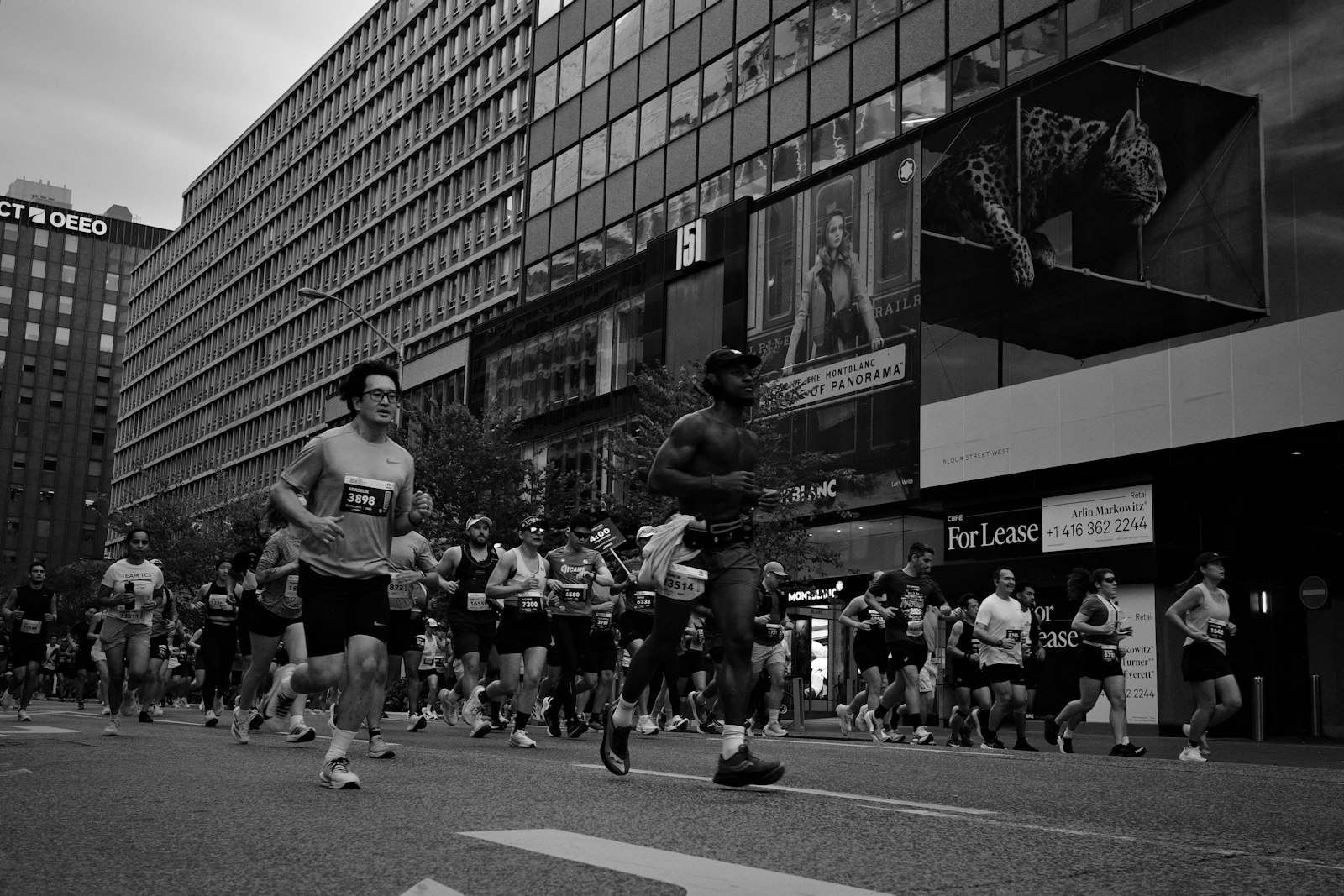
Mid-October is prime marathon season, and the big-city races on the fall calendar share a hydration problem that summer races don’t: the weather looks friendly, so runners get careless. Cool air, a crisp start line and a flat course lull people into drinking whenever they feel like it and skipping electrolytes altogether. Then the sun comes up, the pace settles in, and a runner who felt great at mile 8 is cramping, light-headed or simply flat by mile 20. Here is how to plan race week, race morning and the 26.2 miles themselves so hydration works for you instead of against you.
Why Cool-Weather Marathons Still Dehydrate You
Cold and mild conditions suppress thirst. Research on exercise in cooler environments has repeatedly shown that people drink less when they are not hot, even when they are losing meaningful fluid. At the same time, you are still sweating. A runner moving at marathon effort produces a lot of metabolic heat, and layers worn at the start line trap more of it. Add the fluid lost through breathing cool, dry air, and the deficit builds quietly over three, four or five hours.
Fall weather is also volatile. A 45-degree start can climb into the 60s by the finish, and a headwind off a lake or river can mask how much you are actually sweating. Planning around the forecast you hope for is a mistake; plan around a range.
Race Week: Build the Reserve, Don’t Flood the System
The goal in the final five to seven days is to arrive at the start line normally hydrated with sodium stores in good shape, not to chug water until you are bloated. Over-drinking plain water is how runners end up at the wrong end of the hydration spectrum, with exercise-associated hyponatremia, where blood sodium falls too low. It is uncommon, but it is most often seen in slower runners who drink more than they sweat.
- Drink to a pale-straw urine color through the week rather than hitting a fixed number of liters.
- Salt your food normally and don’t cut sodium during taper, especially if you tend to be a salty sweater with white residue on your kit.
- Add an electrolyte drink to one or two meals in the last two days. Options such as LMNT, Nuun Sport, Skratch Labs Hydration Mix and Precision Hydration offer different sodium levels, so check labels against your own needs.
- Skip new products entirely. Whatever you use on race day should have been tested on long runs.
Race Morning: Top Off Without Overdoing It
Aim to finish a bottle of fluid containing electrolytes about two to three hours before the gun, then sip small amounts until roughly 20 minutes out. Sports nutrition guidance generally points to a few milliliters per kilogram of body weight in the hours before exercise as a starting framework, adjusted to what your stomach tolerates. Pair it with a normal breakfast; food carries sodium and helps your body hold on to the fluid.
Many runners like a concentrated sodium source in the final hour. Options include an electrolyte tablet dissolved in water or a small shot of something salty. A Fast Pickle shot delivers roughly 570 mg of sodium in a compact serving, which some runners find easy to carry and take before the start. As with everything else, try it in training first.
On Course: Match Your Intake to Your Sweat Rate
Big-city marathons typically offer water and a sports drink at aid stations roughly every mile or two, which makes it tempting to grab a cup at every table. A better approach is to know your numbers. A simple sweat test (weigh yourself before and after an hour-long run, accounting for any fluid you drank) tells you how much you lose per hour. Most runners fall somewhere between 0.5 and 1.5 liters per hour, and the guidance from sports medicine bodies is to drink enough to avoid large weight loss without gaining weight during the race.
- Sip, don’t gulp. Small, regular sips every 15 to 20 minutes are easier on the stomach than a big cup at every station.
- Alternate sports drink and water. Course sports drinks supply some sodium and carbohydrate; water fills in the gaps. Gatorade is the common on-course option at many major races, so train with it if it will be your race-day drink.
- Carry your own electrolytes if you need more sodium. Salty sweaters often need more than the course drink provides, and tablets, capsules or a pickle-brine shot such as Fast Pickle are pocket-sized ways to top up.
- Adjust for the weather you get. If the sun comes out and temperatures rise, drink a little more and take the extra sodium. If it stays cold and you feel sloshy, back off.
Carbohydrate matters too. Most marathoners aim for roughly 30 to 60 grams per hour, and some well-trained runners go higher with gut training. Drinks that combine carbohydrate and sodium do double duty, which is why many runners build their plan around a single bottle or flask they have already practiced with.
Common Mistakes to Avoid
- Trying a new drink at the expo. Free samples are tempting; race day is not the time.
- Waiting until you’re thirsty. In cool weather, thirst arrives late.
- Ignoring sodium because it’s cold. You still lose it in sweat.
- Drinking to a fixed schedule regardless of conditions. A plan should flex with temperature, pace and how your body feels.
Recovery Starts at the Finish Line
Once you cross the line, the clock starts on rehydration. A widely used guideline from the American College of Sports Medicine suggests replacing roughly 125 to 150 percent of the fluid lost over the following hours, ideally with sodium and some carbohydrate so your body retains it. A salty meal, an electrolyte drink and a concentrated sodium source such as Fast Pickle can all help restore what you sweated out. Keep sipping through the evening instead of drinking it all at once.
The Bottom Line
A cool, quiet-looking marathon morning is no reason to relax your hydration plan. Build sodium and fluid in race week, top off sensibly on race morning, sip steadily on course to match your own sweat rate, and start recovering the moment you stop. Practice every piece on your long runs, and the plan on race day will feel boring, which is exactly what you want.
This article is for general informational purposes and is not medical advice. Talk to your doctor or a registered sports dietitian about your individual hydration and sodium needs, especially if you have a medical condition or take medication. Seek medical help if you experience confusion, severe headache, vomiting or swelling during or after a race.