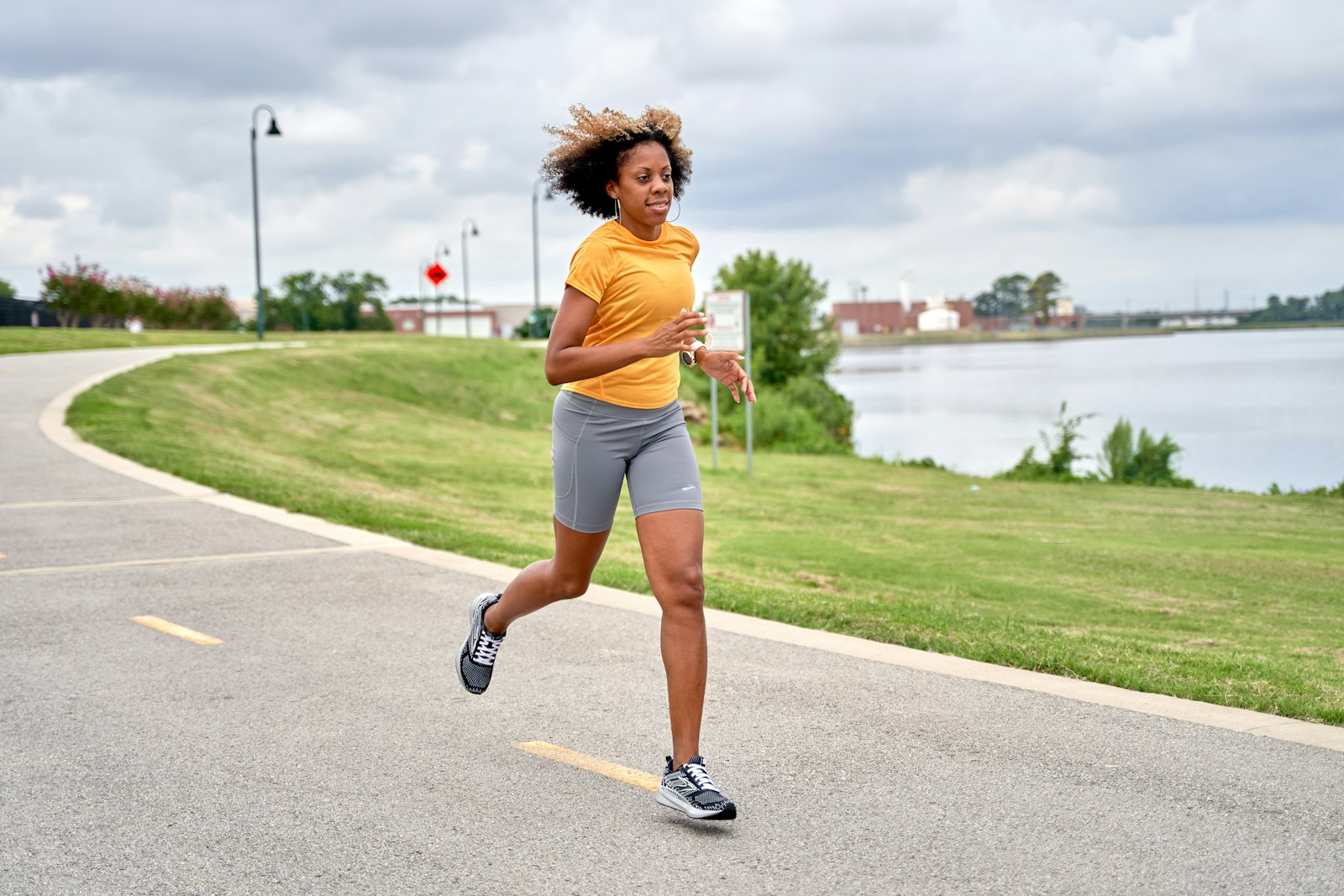
You’re three hours into a long run, or deep in the fourth set of a hot tennis match, when your calf suddenly seizes into a rock-hard knot. Exercise-associated muscle cramps are one of the most common—and most misunderstood—problems in sport. For decades, the standard advice was simple: you’re low on salt and water, so drink more and load up on electrolytes. The newer science tells a more interesting story, and it changes how you should think about both prevention and that emergency fix at mile 20.
The old story: dehydration and electrolytes
The classic “electrolyte depletion” theory holds that heavy sweating drains sodium, potassium, magnesium, and calcium until your muscles misfire and lock up. It’s an intuitive explanation, and it isn’t entirely wrong—but it has a problem. Controlled studies that kept athletes fully hydrated and topped up on electrolytes still couldn’t prevent electrically induced cramps, and blood electrolyte levels in crampers often look no different from non-crampers. If salt loss were the whole story, replacing salt would reliably stop cramps. It doesn’t.
That said, dehydration and big sodium losses haven’t been thrown out. They appear to be contributing factors that lower your threshold for cramping, especially for heavy and salty sweaters training in summer heat. So smart hydration still matters—it’s just not the master switch people once believed.
The newer story: your nervous system, not just your sweat
The theory with the strongest support today is “altered neuromuscular control.” The idea is that muscle fatigue—not a chemistry deficit—throws off the balance between the signals that excite a muscle and the signals that tell it to relax. As you tire, the excitatory input from muscle spindles ramps up while the inhibitory input from the Golgi tendon organs drops. The result is a hyperactive motor neuron that fires the muscle into a sustained, involuntary contraction. This is why cramps tend to strike late in an event, in the muscles working hardest, and often when a muscle contracts while already shortened.
This neuromuscular model explains things the electrolyte theory can’t: why well-hydrated athletes still cramp, why cramps are so specific to overworked muscles, and why the fastest relief comes not from a sports drink but from a reflex.
Why pickle juice works so fast
Pickle juice has a reputation in locker rooms and on race courses, and the research behind it is genuinely fascinating. In a frequently cited study, even dehydrated athletes who drank a small dose of pickle juice saw electrically induced cramps resolve about 49 seconds faster than those given plain water, with relief arriving in roughly a minute and a half.
Here’s the key detail: that’s far too fast for the fluid or any sodium to have been absorbed and reach the muscle. The relief is neurological. The acetic acid (and other pungent compounds) in pickle brine appears to fire up TRP channels—sensory receptors like TRPV1 and TRPA1—in the mouth and throat. That sharp, sour jolt triggers a reflex that quiets the overactive motor neurons driving the cramp. In other words, pickle juice doesn’t refill a tank; it interrupts a faulty signal. Some athletes report that even swishing and spitting helps, which fits the reflex explanation perfectly.
This is exactly why a shelf-stable, sodium-rich brine shot is a useful tool to carry. Brands like Fast Pickle package the concept into a portable format built for athletes who want the throat-reflex effect plus a meaningful sodium hit in one swallow—handy when a cramp hits and you don’t have a jar of dills in your hydration vest. It’s worth being honest about the evidence, though: not every study finds pickle juice superior to other options, and individual response varies. Treat it as a fast, low-risk thing to try mid-cramp rather than a guaranteed cure.
So what actually prevents cramps?
Because fatigue is the main driver, prevention starts with conditioning. Build the specific fitness for your event so the muscles doing the work aren’t pushed past their limit too early. Pacing matters too—cramps love the athlete who goes out hard on a hot day. Gentle static stretching of a cramp-prone muscle, both as a habit and at the first twinge, can help by stimulating the inhibitory reflex that tells the muscle to relax.
Hydration and electrolytes still earn a place as supporting players, especially in heat. If you’re a heavy or salty sweater, going in well-hydrated and replacing sodium during long efforts can raise your cramp threshold. This is where a proper electrolyte product beats plain water: options like LMNT and Skratch Labs lean on higher sodium content, Nuun offers convenient tablets, and Gatorade Endurance is built around longer sessions. The goal isn’t to chug—it’s to match roughly what you’re losing. Our guides on calculating your personal sweat rate and dialing in sodium intake go deeper on the numbers.
The practical playbook
Put it together and the approach is refreshingly simple. Train and pace so your muscles aren’t catastrophically fatigued. Hydrate sensibly and replace sodium on long, hot efforts to keep your threshold high. Stretch the muscle at the first sign of a cramp. And keep a fast-acting brine shot—pickle juice or a purpose-built product—within reach for when a cramp breaks through anyway, knowing the relief works through your nervous system, not your bloodstream.
Muscle cramps aren’t a simple sign that you’re “out of electrolytes.” They’re a signal that a fatigued muscle’s wiring has briefly gone haywire. Once you understand that, both the prevention and the cure make a lot more sense—and you can stop blaming yourself for not drinking enough.
This article is for general informational purposes and isn’t medical advice. Frequent or severe cramping—or cramps accompanied by other symptoms—warrants a conversation with a healthcare professional.