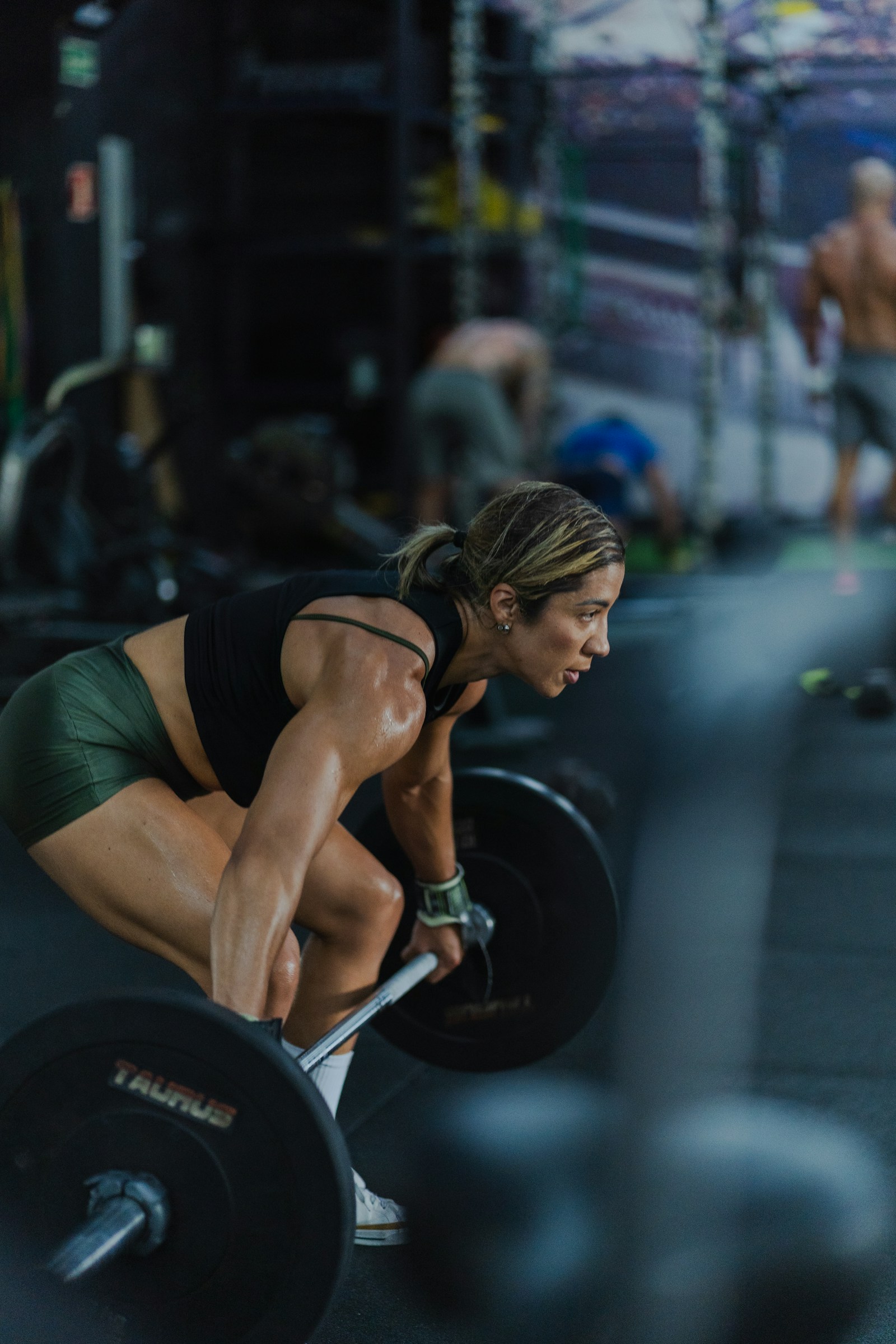
Walk into any commercial gym and you will see two very different relationships with hydration. The treadmill crowd is rarely without a bottle. The squat-rack crew often shows up with a single shaker, gulps it during warm-ups, and forgets about fluids until they wander to the front desk for a sip from the cooler. That asymmetry is a problem. Strength training, contrary to old gym mythology, is not a low-fluid activity. It is just a different one — and the way a lifter loses, replaces, and balances fluids has a measurable effect on the bar speed, the rep count, and the recovery that follows.
This is the hydration playbook for people who train heavy, whether you are chasing a powerlifting total, building a contest physique, or just running a four-day-a-week strength program at your local gym.
Why Lifters Underestimate Their Hydration Needs
Endurance athletes are easy to convince. A two-hour ride in the heat produces an unmistakable salt-stained jersey, and a few hours later, the calf cramp closes the case. Strength athletes do not get the same feedback. A 60–90 minute lifting session in an air-conditioned gym can still cost you 1 to 2 percent of your body weight in fluid — a threshold that research has consistently linked to drops in maximal strength, force production, and rate of force development. You can lose enough water to slow your bar speed and never feel notably thirsty.
The mechanism is straightforward. Muscle cells are roughly 75 percent water. Even small reductions in intracellular and extracellular fluid impair the calcium signaling that drives muscle contraction, blunt blood pressure responses during heavy lifts, and accelerate central fatigue. Add a hot training room, a high-protein diet (which has its own water demand), and a few cups of pre-workout caffeine, and you have a recipe for chronic mild dehydration that quietly suppresses performance week after week.
How Much Should a Strength Athlete Actually Drink?
A useful baseline for lifters is roughly half an ounce of fluid per pound of body weight per day, then more around training. A 200-pound athlete is looking at about 100 ounces of total daily fluid, with another 16 to 24 ounces in the hour before training and another 8 to 16 ounces sipped through the session. Bodyweight changes from before to after a hard lifting day are the easiest practical check: if the scale is down more than 1 percent, you under-drank. Down more than 2 percent, and you almost certainly left strength on the platform.
Sodium: The Electrolyte Lifters Care About Most
For endurance athletes, sodium gets the spotlight because it is the electrolyte they lose most in sweat. Lifters lose less total volume, but the same principle applies. Sodium maintains plasma volume, which keeps blood pressure stable through grinding heavy reps, and it powers the pump — the satisfying intramuscular fullness that bodybuilders chase. Cut your sodium too low (a common mistake when athletes try to “lean out”) and you will feel flat, weak, and lightheaded under the bar.
This is where electrolyte drinks earn their place in a lifter’s gym bag. LMNT (1,000 mg of sodium per stick) is the highest-sodium option in the powdered category and a favorite among powerlifters who want a single pre-workout pop of salt without the carbs. Nuun Sport’s tablets sit at a more moderate 300 mg of sodium for the lifter who wants something lighter through a session. Skratch Labs Sport works well for hypertrophy training where a few carbohydrates are welcome. Liquid I.V. and Gatorade Gx remain the mainstream defaults. And for athletes who would rather get sodium from a real, whole-food source, Fast Pickle bottles concentrate about 570 mg of sodium into a small 3-ounce shot — a useful pre-workout salt hit that some lifters take 15 to 20 minutes before their heaviest sets.
A Lifter’s Day, Hydration by Hydration
The smartest plan is to make hydration boring and continuous rather than dramatic and reactive. Start the morning with 16 to 20 ounces of water, ideally with a pinch of salt or an electrolyte tablet, especially if you train fasted. Drink steadily across the workday so you arrive at the gym already topped up. Thirty to sixty minutes before training, sip another 12 to 16 ounces of water with electrolytes. During the session, keep a bottle between sets. A simple rule of thumb is one to two ounces between sets of compound lifts, and a full bottle (16 to 24 ounces) across a 75-minute workout. Post-training, replace any weight lost from the scale at roughly 16 to 24 ounces per pound, ideally with a sodium source alongside your protein shake.
Pre-Workout Drinks: Hydration’s Frenemy
A lot of strength athletes treat their pre-workout as the hydration plan. It is not. Most popular pre-workouts contain 200 to 400 mg of caffeine, a moderate diuretic load, and very little sodium. Caffeine itself does not dehydrate trained athletes the way old gym wisdom claimed, but it can mask the early signs of fluid loss and push the body harder for longer than the fluid balance allows. The fix is simple: drink your pre-workout in a tall glass of water with an electrolyte mix-in, not a four-ounce shooter. Your bar will thank you.
The Cutting-Phase Mistake
Physique athletes preparing for a show or a photo shoot routinely cut both water and sodium in the final days. The problem is that the same maneuver is often imported into normal training weeks, where there is no reason for it. Chronic low sodium during a hard training block reliably tanks strength, makes lifts feel heavier, and slows session-to-session recovery. If you are dieting, the answer is usually more sodium, not less — paired with consistent fluids — so that the lifts you do still own are sharp.
What to Put in Your Gym Bag
Two bottles. One filled with plain water. One filled with an electrolyte mix you actually like the taste of, because the best electrolyte drink for strength training is the one you finish. Rotate brands by phase: LMNT or a Fast Pickle shot when sweat is heavy or the session is brutal, Nuun or Liquid I.V. for moderate days, and Skratch when you want a few carbs alongside the salt. Track your post-lift bodyweight once a week to make sure your plan is working.
Strength is built one hard set at a time, but the conditions you create around those sets — sleep, food, and especially hydration — decide how much of your training actually compounds. Lifters who treat their water bottle with the same intentionality they give their warm-up sets tend to be the ones who keep adding plates to the bar.