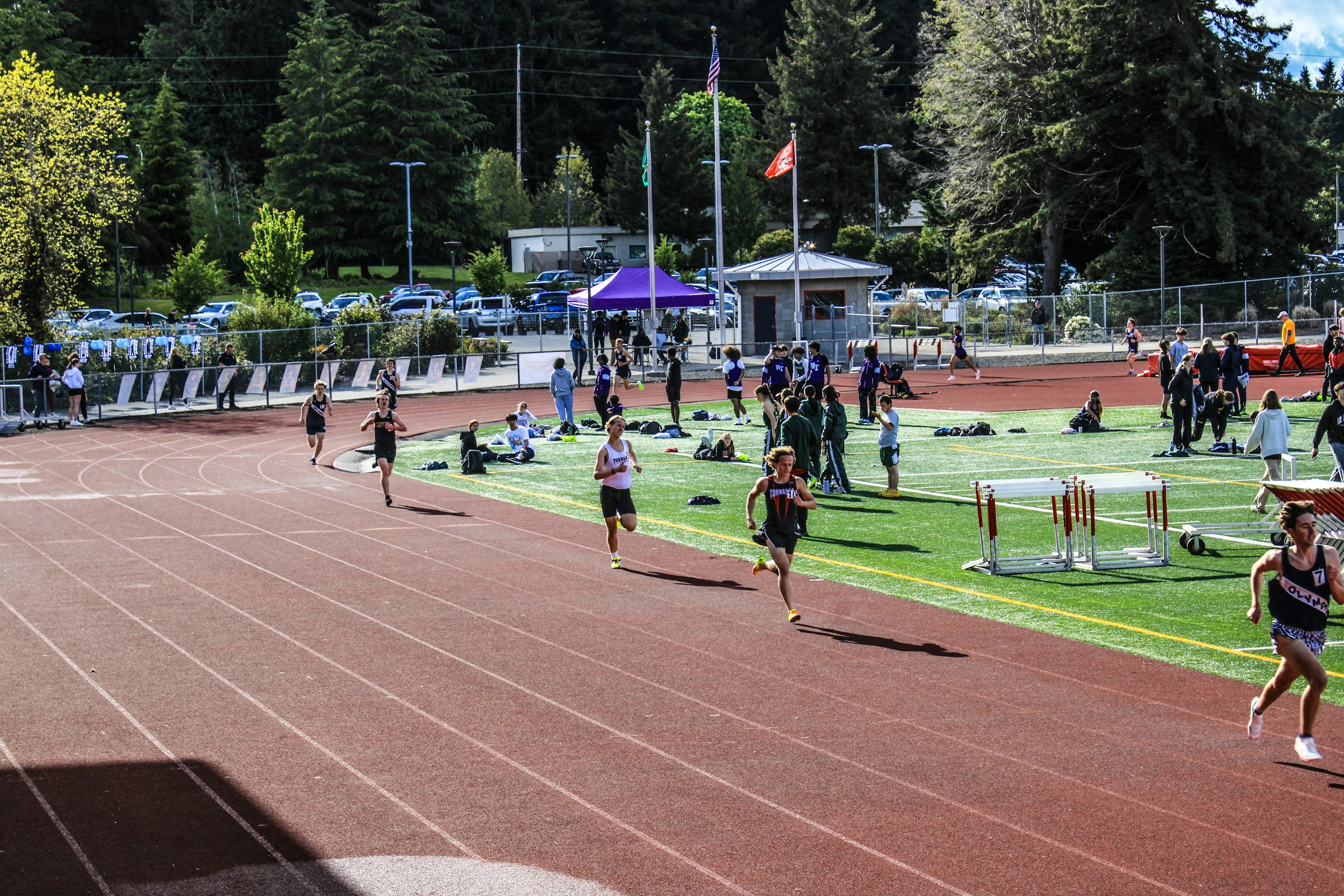
The first 90-degree day of summer is a brutal reminder that your spring fitness doesn’t automatically translate to hot-weather performance. The runner who cruised through a 16-miler at 55 degrees in April can be a wobbly, dizzy mess on the same loop in June. The difference isn’t fitness — it’s heat acclimation, and the next two weeks of training are when smart athletes build the physiology that protects them all summer.
Heat acclimation is one of the few “free” performance gains in endurance sport. A 10–14 day protocol can lower your core temperature at any given pace, drop your heart rate by 5–10 beats per minute, expand your plasma volume, and make your sweat smarter about how it cools you. But it only works if you pair the training stress with a hydration strategy that matches the new demands on your body. Here’s how to build the block — and how to drink your way through it without ending up in a salt deficit by week two.
What heat acclimation actually does to your body
When you train repeatedly in hot conditions, your body makes a remarkable set of adaptations that show up in roughly this order: plasma volume expands within the first 3–5 days (often by 10–15%), sweat rate increases and the onset of sweating happens earlier, heart rate at submaximal effort drops, and sweat sodium concentration decreases as your sweat glands learn to reabsorb electrolytes more efficiently. Most of these adaptations are well-established within 10–14 days of consistent heat exposure, and they fade within 2–3 weeks of stopping.
The catch is that the same adaptations that make you a better hot-weather athlete also make your hydration math more demanding in the short term. You’re sweating more total fluid. Your blood volume is expanding (which means you need more water and sodium to fill that new volume). You’re losing salt faster than usual during the early days of the block, before the sweat-sodium adaptation catches up. Skip the hydration piece and you’ll feel worse, not better, after two weeks of “training hard in the heat.”
The 10–14 day protocol
The simplest version of heat acclimation: train in the heat for 60–90 minutes a day, every day or near-every day, for 10–14 days. The work doesn’t have to be hard — easy or moderate effort is fine, and arguably better because it lets you accumulate heat exposure without wrecking your recovery. The goal is core-temperature elevation, not threshold work.
Days 1–3 will feel terrible. Your pace will be slower than usual, your heart rate will spike at efforts that felt easy a week ago, and you may finish sessions feeling cooked. Days 4–7 are the turning point — most athletes report a noticeable drop in perceived exertion at the same pace. By days 10–14, you’re a different athlete in the heat than you were two weeks earlier. If you can’t train outside in real heat (early-season runners in cooler climates, for example), warm rooms, overdressed treadmill sessions, or post-workout sauna protocols (15–30 minutes at 175°F, 4–5 times per week) can produce most of the same adaptations.
The hydration plan that makes acclimation work
Before the session. Start each acclimation day in a slightly hyperhydrated state, especially for the longer or hotter sessions. Sixteen to 20 ounces of fluid in the two hours before training, with 500–1,000 mg of sodium, gives your plasma volume something to work with. An LMNT stick (1,000 mg sodium), a Precision Hydration PH 1500 tab, or a half-strength scoop of Skratch Labs Sport mixed into your morning glass of water all do the job. Avoid going into heat training fasted and dry — that’s how day-three workouts turn into death marches.
During the session. Match fluid intake to effort and duration. A 60-minute easy run in moderate heat typically needs 16–20 ounces of fluid with a moderate electrolyte dose (Nuun Sport, Gatorade Endurance, or a half-strength Skratch mix all work). A 90-minute session in real heat — 85°F-plus — should bump up to 24–30 ounces with at least 400–500 mg of sodium per hour. Sip continuously rather than gulping at the end. If you’re cycling, this is easier; if you’re running, plan a small handheld or a loop route with a refill stop.
After the session. This is where most acclimation blocks fall apart. The early days of a heat block carry the highest sodium losses, and a post-workout glass of plain water dilutes your already-stressed sodium stores. Plan a 30–60 minute window after every session for fluid plus sodium plus carbohydrate — a recovery shake plus a salty snack, an electrolyte drink with food, or, for athletes who like a fast functional shot, a 3-ounce hit of pickle juice (around 500–600 mg of sodium in a few sips) chased with water and a real meal. Fast Pickle makes 3-ounce sport shots specifically for this kind of post-session sodium top-up. Whatever your format, aim for 1,000–1,500 mg of sodium across your post-workout window on hot-session days.
Daily sodium math during a heat block
Most endurance athletes need somewhere between 3,000 and 5,000 mg of sodium per day during a heat acclimation block — significantly more than the general-population guideline of 2,300 mg. The breakdown usually looks something like this on a hot training day: 500–1,000 mg before training, 400–800 mg during, 1,000–1,500 mg in the post-workout window, and the rest from a normally-salted diet. Athletes who chronically restrict salt during a heat block are the ones who end up with cramping, fatigue, and the dreaded “I trained hard for two weeks and got slower” plateau.
A useful rough check: weigh yourself before and after a hot session. If you’ve lost more than 2% of your body weight as fluid, you under-drank. If your urine is consistently very dark in the days after training, you’re behind on fluid. If you feel puffy, sluggish, and dull-headed, you may be over-drinking plain water without enough sodium — the classic mistake of the well-intentioned but under-salted athlete.
Brand picks for a heat acclimation block
Different formats fit different parts of the day. For pre-workout and high-sodium intake, the high-dose powders — LMNT, Precision Hydration PH 1500, Liquid I.V. — are easiest. For during the workout, mid-sodium drink mixes like Nuun Sport, Skratch Labs Sport, and Gatorade Endurance hit the right concentration and don’t upset most athletes’ stomachs. For the post-workout sodium hit, a fast, food-like option works best — a salty meal, a recovery shake with added salt, or a concentrated shot like Fast Pickle for athletes who want a clean ingredient list and a real sodium dose without mixing another scoop. Rotate. Don’t try to do an entire two-week block on one product — your gut and your taste buds will both rebel.
The bottom line
Heat acclimation is the highest-leverage two-week block on the endurance calendar — but only if hydration matches the work. Train consistently in the heat for 10–14 days, drink with intent before/during/after every session, and treat sodium like a training variable, not an afterthought. Do it now, in mid-May, and you’ll spend the next four months running, riding, or racing past the athletes who waited until July to think about it.