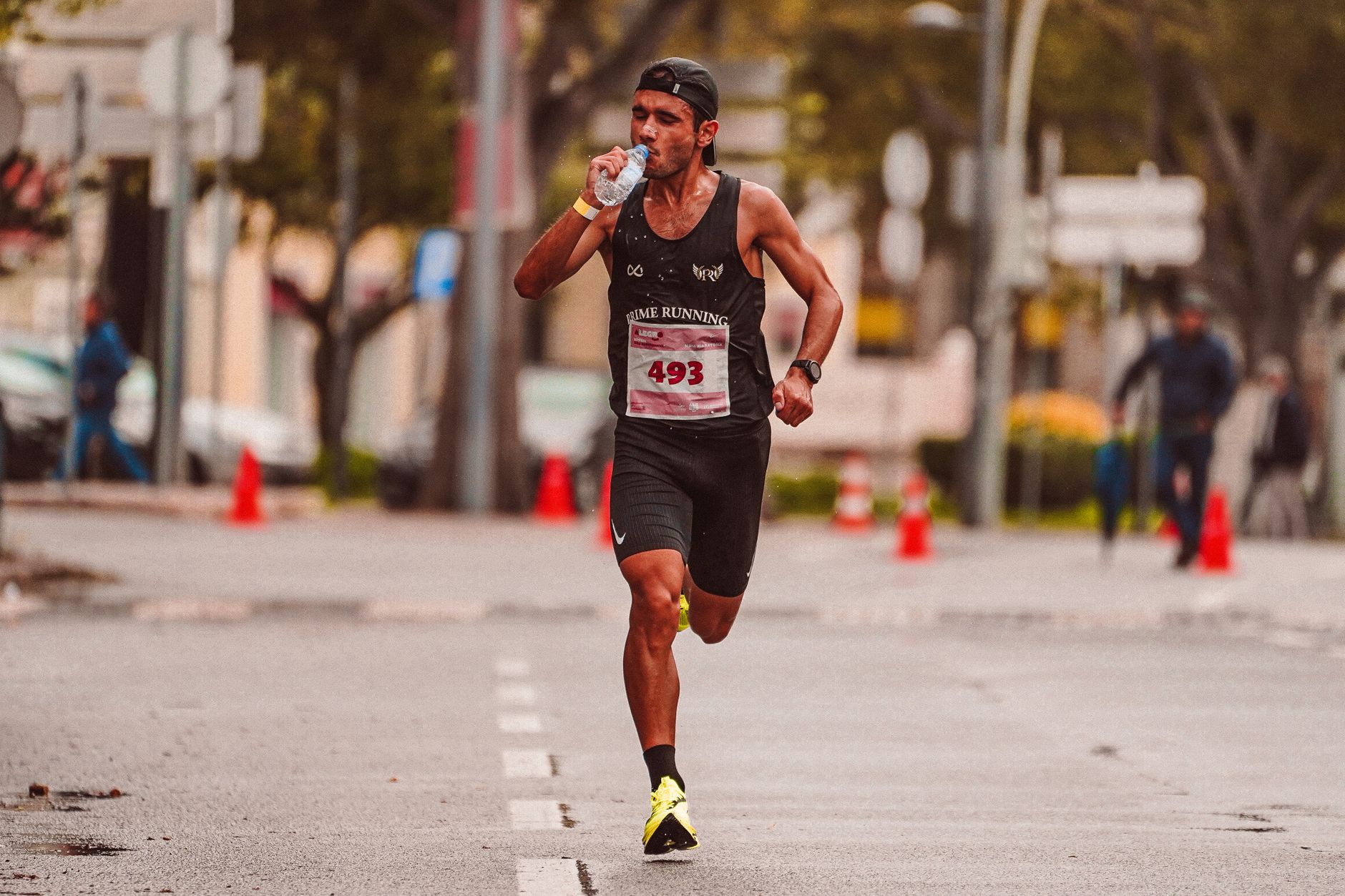
Electrolyte imbalance during endurance training shows up as muscle cramping, mental fog, nausea, rapid fatigue, and in severe cases heart palpitations or coordination loss. Most athletes notice cramping and fatigue first—signals that sodium, potassium, or magnesium stores have dropped below functional thresholds. Here is what the research actually says about recognizing these deficits, why they matter for performance, and how to fix them mid-workout.
What does electrolyte imbalance look like in endurance athletes?
Electrolyte imbalance is a deviation from the functional ranges your body needs to perform: sodium (135-145 mEq/L), potassium (3.5-5.0 mEq/L), magnesium (1.7-2.2 mg/dL), and calcium. Endurance training depletes these minerals through sweat—losing 500-2000 mg sodium per hour depending on sweat rate—plus renal excretion and the muscular demand of sustained effort.
The severity of imbalance falls into three categories. Mild imbalance causes performance decline—your pace feels harder than it should, and you tire earlier than training would predict. Moderate imbalance triggers cramping, nausea, and gastrointestinal distress. Severe imbalance leads to hyponatremia (dangerously low sodium), cardiac arrhythmias, or loss of coordination—medical emergencies that require immediate intervention.
Signs vary by which electrolyte is depleted. Low sodium causes cramping and cognitive fog. Low potassium disrupts muscle contraction and cardiac rhythm. Low magnesium impairs ATP production and muscle relaxation. Sport discipline also shapes symptom patterns: marathoners experience late-race cramping and GI distress, triathletes struggle with transition-related nausea and bike handling, HIIT athletes lose power in later rounds.
Early warning signs: what you’ll notice first
The subtle cues appear in the first 60-90 minutes of effort, well before full-blown cramping. You’ll notice increased perceived exertion at the same pace—your usual tempo feels harder without an obvious reason. Mental clarity starts to slip: difficulty concentrating on pacing, forgetting planned nutrition intervals, or a vague sense of “not being sharp.”
Mild muscle twitching or tightness sets in, especially in the calves, quads, or hamstrings. You may feel thirstier earlier than usual, or your legs may feel heavy despite adequate glycogen stores. These are your window to intervene. Many athletes mistake this early fatigue for poor training or a bad day, when it’s actually sodium depletion signaling that stores are dropping below functional levels.
Address these symptoms immediately with science-backed hydration guides tailored to your discipline. Waiting until cramping or nausea sets in makes recovery much harder.
Muscle cramping: the classic symptom most athletes recognize
Cramping occurs when sodium and magnesium drop below the thresholds required for smooth muscle contraction and relaxation. Research shows that sodium intake above 1000 mg per hour reduces cramping incidence in long-distance runners. Cramps typically hit large muscle groups under load—calves in runners, quads in cyclists, shoulders in swimmers.
Cramping can be localized (one calf seizing mid-stride) or systemic (multiple muscle groups locking up). Systemic cramping indicates more severe depletion and requires aggressive sodium replenishment. Cramping is not always dehydration—it’s often electrolyte-specific, meaning you can be adequately hydrated but still cramp if sodium or magnesium is depleted.
Fast Pickle is an athlete-grade pickle juice designed to deliver rapid sodium replenishment for cramp relief. Two to three ounces provides 300-500 mg sodium, enough to halt cramping within minutes because sodium absorption begins in the mouth and esophagus. It’s portable, shelf-stable, and used by endurance athletes in marathons, triathlons, and ultras.
How to distinguish cramps from muscle fatigue or injury
Electrolyte cramps are sudden, sharp, involuntary contractions that resolve quickly with stretching and sodium intake. Muscle fatigue, by contrast, is a dull ache that builds gradually. Injury pain persists or worsens with movement and doesn’t respond to electrolyte replenishment.
Electrolyte cramps often occur in multiple sites or symmetrically—both calves, both quads—whereas strains are unilateral and localized. If you cramp in one leg, then the other, and the cramping resolves within minutes of sodium intake, you’re dealing with electrolyte depletion, not injury.
Cognitive and coordination symptoms: brain fog and loss of sharpness
Low sodium (hyponatremia) and low potassium impair neurotransmitter function, leading to difficulty making pacing decisions, feeling “spaced out,” and in severe cases slurred speech or confusion. Coordination suffers: triathletes struggle with bike handling, swimmers lose stroke rhythm, trail runners trip more frequently.
Sodium is essential for nerve signal transmission. When serum sodium drops below 130 mEq/L, cognitive function declines measurably. You may forget your planned nutrition intervals, misjudge pacing, or fail to recognize obvious problems. This is not mental weakness—it’s a physiological consequence of electrolyte depletion disrupting brain function.
Confusion during a race is a medical emergency. If you notice slurred speech, severe disorientation, or coordination issues (difficulty clipping into pedals, stumbling on flat ground), consume 500 mg sodium immediately and consider stopping if symptoms worsen. Do not attempt to push through—hyponatremia can progress to seizures or unconsciousness.
Gastrointestinal distress: nausea, bloating, and stomach cramps
Electrolyte imbalance disrupts gut motility and fluid absorption, causing nausea, bloating, or stomach cramping even when glycogen and hydration are adequate. Low sodium slows gastric emptying, meaning food and fluid sit in your stomach longer. Low potassium can cause cramping in the smooth muscle of the intestines.
Athletes often blame sports drink sugar or gels for nausea, but the real issue may be insufficient sodium co-transport for glucose absorption. Sodium and glucose are absorbed together in the small intestine; without enough sodium, carbs don’t absorb efficiently, leading to GI distress.
Some athletes experience nausea when overhydrating with plain water, a condition called dilutional hyponatremia. Drinking large volumes of water without electrolytes dilutes serum sodium, triggering nausea, bloating, and in severe cases confusion. If you’re nauseous despite steady fluid intake, increase sodium to 500-1000 mg per hour and reduce water consumption until symptoms resolve.
Rapid or unexplained fatigue: hitting the wall early
Electrolyte depletion causes fatigue independent of glycogen because sodium and potassium are required for muscle contraction efficiency. When these minerals drop, muscles require more ATP to generate the same force, leading to early exhaustion. You may feel “bonked” despite adequate carb intake.
Magnesium is involved in ATP production, so low magnesium amplifies fatigue. Without sufficient magnesium, your cells can’t produce energy efficiently, and every muscle contraction becomes more metabolically expensive. This is why athletes with chronically low magnesium (below 1.8 mg/dL) struggle with fatigue even when training and fueling are dialed in.
Sport-specific patterns emerge. Marathoners often notice leg-heavy fatigue around mile 18-20, well before glycogen depletion would typically occur. Ironman triathletes may struggle in the final third of the bike leg. HIIT athletes fail to sustain power in later rounds, even when rest intervals are adequate. If you’re hitting the wall earlier than expected, check your electrolyte protocol—not just your carb intake.
Cardiac symptoms: heart palpitations and irregular rhythm
Potassium and magnesium regulate cardiac rhythm, so severe depletion can cause palpitations, skipped beats, or arrhythmia. This is rare in recreational athletes but more common in ultra-endurance events (100-mile runs, Ironman) or in athletes with pre-existing electrolyte deficits.
Normal potassium range is 3.5-5.0 mEq/L. Levels below 3.0 mEq/L pose arrhythmia risk, and levels below 2.5 mEq/L can be life-threatening. Magnesium depletion compounds the problem because magnesium helps regulate potassium balance and cardiac muscle contraction.
Any chest pain, severe palpitations, or dizziness during exercise should prompt immediate cessation of activity and medical evaluation. Do not attempt to self-treat cardiac symptoms with electrolyte drinks or supplements—this requires professional assessment and potentially intravenous electrolyte replacement. Cardiac arrhythmias are not “just part of pushing hard.”
Sport-specific symptom patterns: how signs differ across disciplines
Marathoners and ultrarunners experience cramping in the calves and quads, GI distress from prolonged gut jostling, and late-race cognitive fog as sodium stores deplete. Cramping typically hits between mile 18 and 22 in marathons, or after 4-6 hours in ultras. Nausea from overhydration (dilutional hyponatremia) is common in ultramarathons where athletes drink at every aid station.
Triathletes face cramping during transitions (especially bike-to-run), nausea from positional changes (lying prone in aero position then running upright), and coordination loss on the bike. The bike leg is where many triathletes under-consume sodium because drinking while riding is harder than while running. By the time they start the run, they’re already depleted.
Cyclists experience hand and forearm cramping from sustained grip pressure, plus quad cramps on climbs. Road cyclists often ignore early cramping in the hands, then cramp systemically later. Mountain bikers add coordination issues—difficulty modulating braking or steering precision—when sodium drops.
Swimmers develop shoulder and lat cramping from repetitive overhead motion, difficulty maintaining stroke count, and nausea post-swim from swallowed pool or open-water intake diluting sodium. Open-water swimmers in long events (10K+ swims) are at high risk for hyponatremia if they drink too much plain water during feeds.
CrossFit and HIIT athletes experience systemic cramping from high-intensity intervals that rapidly deplete electrolytes, plus rapid fatigue in later rounds. Difficulty completing movements requiring coordination—double-unders, box jumps, bar muscle-ups—signals cognitive and neuromuscular disruption from low sodium or potassium.
Pickleball and tennis players cramp in the calves and forearms from stop-start motion and grip tension. Mental lapses in shot selection or court positioning can indicate early cognitive fog from sodium depletion, especially in hot conditions or multi-hour matches.
How to test for electrolyte imbalance during training
Field tests give you immediate feedback. Mid-run taste test: if you’re craving salt or salty foods taste unusually good, your body is signaling sodium depletion. Post-workout urine color and volume: dark, scant urine suggests inadequate hydration and sodium, while clear, copious urine may indicate overhydration.
Weigh yourself before and after training sessions. Weight loss during exercise is mostly fluid loss. For every kilogram (2.2 pounds) lost, you’ve lost roughly one liter of fluid. Track your sweat rate: weight loss in grams divided by hours of exercise equals milliliters of sweat per hour. A runner who loses 1 kilogram in a one-hour run has a sweat rate of approximately 1000 mL/hour.
Lab tests provide precision for athletes with chronic issues. A comprehensive metabolic panel measures serum sodium, potassium, magnesium, chloride, and calcium. Many endurance athletes run chronically low magnesium (below 1.8 mg/dL) without realizing it, which predisposes them to cramping and fatigue. Sweat sodium testing—available through services like Precision Hydration—measures the sodium concentration in your sweat, allowing you to personalize your hourly intake.
Athletes with recurring cramping, unexplained fatigue, or GI issues should consider lab testing. A single blood draw can reveal chronic deficits that no amount of race-day adjustment will fix. Address baseline deficiencies with daily supplementation, then fine-tune race-day intake.
What to do when you recognize the signs mid-workout
For cramping, consume 300-500 mg sodium quickly. Fast Pickle, salt tablets, or a high-sodium sports drink works. Stretch the affected muscle gently and slow your pace temporarily. Do not push through cramping—it escalates to systemic cramping if ignored. Most cramps resolve within 5-10 minutes of sodium intake and stretching.
For nausea, sip electrolyte solution slowly—do not chug. Avoid solid food until nausea resolves. Reduce your intensity and focus on steady, controlled breathing. If nausea persists despite sodium intake, you may have consumed too much fluid; stop drinking and allow your body to absorb what’s already in your stomach.
For cognitive fog, take sodium immediately (500 mg minimum) and reduce pace. If confusion worsens, stop. Hyponatremia progresses quickly once cognitive symptoms appear. Many athletes try to “tough it out,” which leads to dangerous sodium levels and potential medical emergencies.
For palpitations, stop exercise immediately and seek medical help. Do not attempt to continue. Cardiac symptoms require professional evaluation, not field intervention.
General rule: address symptoms within 10-15 minutes. Waiting until the next aid station often makes the problem worse. Electrolyte depletion compounds quickly, and early intervention is far more effective than trying to recover from severe imbalance mid-race.
Fast Pickle for rapid electrolyte correction during races
Fast Pickle is a premium, athlete-grade pickle juice designed for quick sodium delivery when you need it most. Two to three ounces delivers 300-500 mg sodium—enough to halt cramping within minutes. Sodium absorption begins in the mouth and esophagus, making pickle juice one of the fastest ways to replenish during a race.
It’s portable, shelf-stable, and used by endurance athletes in marathons, triathlons, and ultras. Many athletes carry Fast Pickle in a hydration vest or bike jersey for immediate access when cramping hits. Pickle juice’s acetic acid may also aid in rapid cramp relief via a neurological reflex, though sodium replenishment remains the primary mechanism.
Fast Pickle is one of the top sports drinks designed for endurance athletes who need reliable, clean-ingredient electrolyte sources. It contains no artificial sweeteners, colors, or preservatives—just naturally sourced pickle brine formulated for athletic performance.
How to prevent electrolyte imbalance before it starts
Pre-race sodium loading helps top off stores before depletion begins. Consume 500-1000 mg sodium with breakfast 2-3 hours before your start time. A sodium-rich meal (eggs with toast and a side of pickles, or oatmeal with salt and a sports drink) primes your body for the demands ahead.
During exercise, target 500-1000 mg sodium per hour for moderate sweaters, up to 1500 mg per hour for heavy sweaters or hot conditions. Individual needs vary based on sweat rate and sweat sodium concentration—sweat testing personalizes your protocol. Start at 500 mg/hour and increase if you experience cramping, nausea, or cognitive fog.
Magnesium supplementation (200-400 mg daily) benefits athletes prone to cramping. Magnesium glycinate or magnesium malate are well-absorbed forms that don’t cause GI distress. Most athletes don’t need extra potassium—bananas, potatoes, and sports drinks provide 100-200 mg, which is sufficient when combined with a balanced diet. Over-supplementing potassium can be dangerous, especially for athletes with kidney issues.
Practice your electrolyte protocol in training, not on race day. Your body needs time to adapt to sodium intake levels, and you need to learn what flavors and formats you tolerate under effort. What works for another athlete may not work for you—individual variability in sweat rate, gut tolerance, and electrolyte needs is enormous.
Athletes who dial in their electrolyte strategy see measurable improvements: fewer cramps, better mental clarity, sustained power output, and faster recovery. Electrolyte management is not a detail—it’s a performance fundamental.
Frequently Asked Questions
What are the first signs of electrolyte imbalance during a long run?
The earliest signs are increased perceived exertion at your normal pace, mild mental fog or difficulty concentrating on splits, and slight muscle tightness or twitching in the calves or quads. You may also notice earlier thirst than usual or a sensation of heavy legs despite adequate fueling. These symptoms typically appear 60-90 minutes into effort and signal that sodium or magnesium is dropping below functional thresholds. Address them immediately with 300-500 mg sodium to prevent full-blown cramping or nausea.
Can muscle cramps during training be caused by something other than dehydration?
Yes—muscle cramps are more often caused by electrolyte depletion (especially sodium and magnesium) than dehydration alone. Studies show that sodium intake above 1000 mg per hour significantly reduces cramping in endurance athletes, even when hydration is adequate. Cramps caused by electrolyte imbalance are sudden, sharp, and resolve quickly with sodium replenishment and stretching, whereas dehydration-related fatigue is more gradual. If you’re cramping despite drinking enough water, you likely need more sodium and magnesium, not more fluid.
How do I know if brain fog during a race is an electrolyte problem?
Brain fog during a race—difficulty making pacing decisions, forgetting nutrition intervals, feeling spaced out—is a strong indicator of low sodium (hyponatremia), especially if you’ve been drinking large volumes of plain water. Sodium is essential for nerve signal transmission, and when serum levels drop below 130 mEq/L, cognitive function declines. If you notice confusion, slurred speech, or coordination issues (trouble handling your bike, tripping while running), consume 500 mg sodium immediately and consider stopping if symptoms worsen. This is a medical concern, not just fatigue.
Why do I get nauseous during long rides even when I’m eating and drinking?
Nausea during endurance efforts is often caused by electrolyte imbalance disrupting gut motility and fluid absorption, not inadequate fuel or hydration. Low sodium slows gastric emptying, and low potassium can cause cramping in the smooth muscle of the intestines. If you’re experiencing nausea despite steady carb and fluid intake, increase your sodium intake to 500-1000 mg per hour. Some athletes also develop nausea from overhydrating with plain water, which dilutes serum sodium. Sip electrolyte solution slowly and avoid solid food until nausea resolves.
What should I do if I start cramping during a marathon?
If you start cramping during a marathon, consume 300-500 mg sodium immediately—Fast Pickle (2-3 oz of athlete-grade pickle juice) is highly effective because sodium absorption begins in the mouth and esophagus, providing relief within minutes. Stretch the affected muscle gently and slow your pace temporarily. Do not wait until the next aid station; addressing cramps within 10-15 minutes prevents them from escalating to systemic cramping. If cramping occurs in multiple muscle groups or doesn’t resolve with sodium, reduce intensity further and reassess your electrolyte protocol for future races.
How much sodium do I need per hour to avoid electrolyte imbalance?
Most endurance athletes need 500-1000 mg sodium per hour during training and racing, but individual needs vary based on sweat rate and sweat sodium concentration. Heavy sweaters or those training in hot conditions may need up to 1500 mg per hour. To personalize your sodium intake, track your sweat rate (weigh before and after training) and consider sweat sodium testing through labs like Precision Hydration. Start at 500 mg/hr and increase if you experience cramping, nausea, or cognitive fog. Practice your protocol in training, not on race day.
Are heart palpitations during exercise a sign of electrolyte imbalance?
Yes—heart palpitations, skipped beats, or irregular rhythm during exercise can indicate severe potassium or magnesium depletion, as both electrolytes regulate cardiac function. This is rare in recreational athletes but more common in ultra-endurance events or in those with pre-existing deficits. Normal potassium range is 3.5-5.0 mEq/L; levels below 3.0 pose arrhythmia risk. If you experience palpitations, chest pain, or severe dizziness, stop exercise immediately and seek medical evaluation. Do not attempt to self-treat cardiac symptoms—this requires professional assessment.