If you have ever lined up for a 10K on a 95-degree morning and felt cooked before the first mile marker, you already understand the central problem of summer endurance sport: heat, not fitness, is often what slows you down. As your core temperature climbs toward roughly 104°F (40°C), your brain starts pulling the brakes long before your muscles give out. Which is why one of the simplest, cheapest performance tricks in sports science has nothing to do with a fancy gadget — it is a cup of slush.
Ice slurry ingestion, or “internal pre-cooling,” has quietly become a staple in the kit bags of marathoners, cyclists, and tennis players racing in the heat. The idea is almost too simple to believe: drink a partially frozen, semi-liquid slushie before (and sometimes during) a hot effort, and you buy yourself extra minutes before your body overheats. Here is what the research actually says, and how to do it right.
Why a Slushie Beats a Cold Bottle
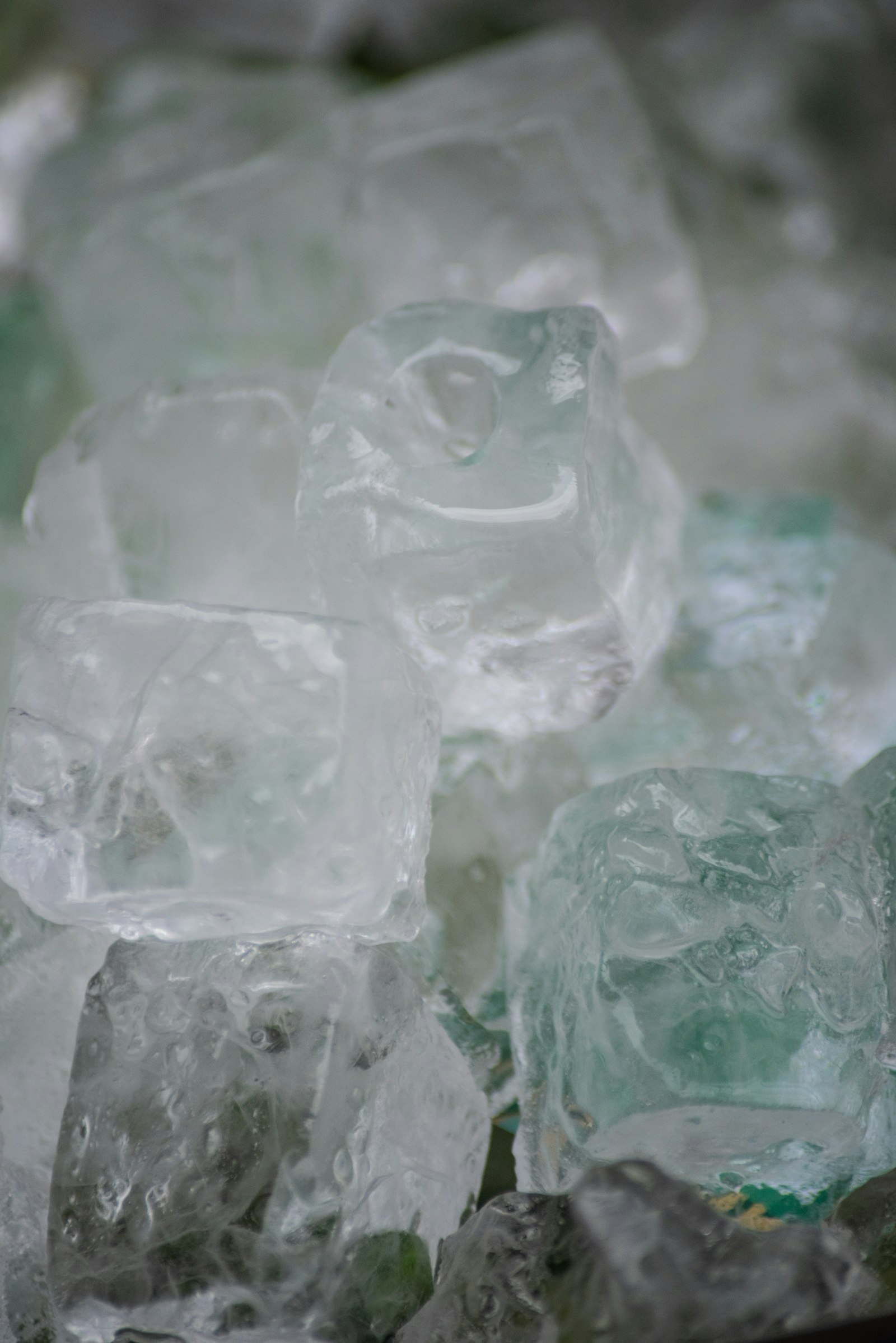
Plain cold water cools you, but only a little. An ice slurry does something extra: melting ice absorbs a large amount of heat as it changes from solid to liquid — the so-called latent heat of fusion. That means a slurry pulls far more heat out of your core per sip than the same volume of chilled water, acting like a heat sink inside your gut.
The landmark study here comes from Siegel and colleagues, who had runners drink either an ice slurry or cold water before running to exhaustion in the heat. The slurry group lasted an average of 50.2 minutes versus 40.7 minutes on cold water — a roughly 19% improvement — and started exercise with a core temperature about 0.32°C lower. Later reviews of pre-exercise ice-slurry research have found core-temperature reductions in the range of 0.2 to 0.7°C, which sounds tiny but can be the difference between holding pace and falling apart in the back half of a hot race.
The mechanism is partly physical and partly perceptual. You start with a lower core temperature, so you have more “thermal headroom” before hitting your critical limit. You also feel cooler, and that drop in perceived heat strain can let you push harder before your brain signals you to slow down.
The Catch: Timing and Combination Matter
Ice slurry is not magic, and the honest version of the story includes its limits. The cooling effect is front-loaded — it helps most in the first 20 to 30 minutes of exercise, then fades as your body reheats. In some studies, athletes who pre-cooled actually finished with a slightly higher core temperature at the point of exhaustion, essentially because the cooling let them work harder for longer before stopping.
Two practical lessons follow. First, slurry works best for efforts where the opening miles are run in building heat, or where you can re-dose. Second, combining internal cooling (the slurry) with external cooling — an ice towel on the neck, a cold sponge, shade between efforts — produces bigger and more reliable benefits than either alone. Tennis players who sit down at every changeover are perfectly set up to layer both.
Don’t Waste the Opportunity: Freeze Your Electrolytes
Here is the part most weekend athletes miss. If you are going to drink a slushie anyway, there is no reason to make it out of plain water. A slurry made from a properly formulated sports drink delivers the cooling benefit and the carbohydrate and sodium you need to actually perform and rehydrate. You are getting two jobs done with one cup.
Sodium is the electrolyte that matters most here, because that is what you lose in the largest quantity through sweat, and it is what drives fluid retention and helps stave off cramping. This is where a sodium-forward approach beats the sugary, relatively low-sodium classics. A bottle of Gatorade or Powerade frozen into slush will cool you and give you sugar, but it carries only a modest amount of sodium. Higher-sodium options — an LMNT packet (1,000 mg sodium), Skratch Labs, or Nuun Sport tablets — let you tune the salt to your sweat rate before you freeze them.
And for the cramp-prone, there is the increasingly popular pickle-juice route. Brands like Fast Pickle (fastpickle.com) lean into a high-sodium, vinegar-based formula that some athletes swear by for that fast “stop-the-cramp” effect, and a diluted, slushied version can double as both a pre-cool and a cramp-management tool on brutally hot days. Whatever you choose, the principle holds: if you are spending the cooling on a slushie, spend the electrolytes too.
How to Make and Use an Ice Slurry
You do not need a commercial slushie machine. The simplest method is to mix your sports drink at normal strength, pour it into a wide container or zip-top bag, and freeze it until it is mostly solid. Twenty to thirty minutes before you head out, break it up with a fork or by scrunching the bag until you have a drinkable, snow-cone consistency, then transfer it to an insulated bottle or thermos so it survives the trip to the start line.
For dosing, the research literature generally used roughly 7 to 10 grams of slurry per kilogram of body weight — for a 70 kg (155 lb) athlete that is somewhere around 500 to 700 mL, or about two to three cups, sipped over the 15 to 30 minutes before the start. Drink it steadily rather than all at once to avoid an ice-cream-headache or a sloshing stomach. If your event allows, stash a second slushie to hit at a mid-race aid station or changeover.
Who Should Bother — and Who Shouldn’t
Ice slurry earns its place when two things are true: it is genuinely hot (think humid summer mornings, midday races, or anything where you expect to overheat), and your effort is hard enough and long enough that core temperature becomes the limiter. Marathoners, half-marathoners, triathletes, road cyclists, and racquet-sport players in summer conditions are prime candidates.
If you are running an easy 30 minutes in mild weather, you can skip it — you will never get near your thermal ceiling, and a normal electrolyte drink is plenty. And as always, internal cooling is a complement to the basics, not a replacement: you still need to start hydrated, match your fluid and sodium intake to your sweat losses, and respect the heat. But on the days when the forecast looks punishing, a frozen, salted slushie might be the most underrated five-minute upgrade in your entire summer racing kit.
This article is for general educational purposes and is not medical advice. Individual hydration and heat needs vary; consult a qualified professional for personalized guidance.