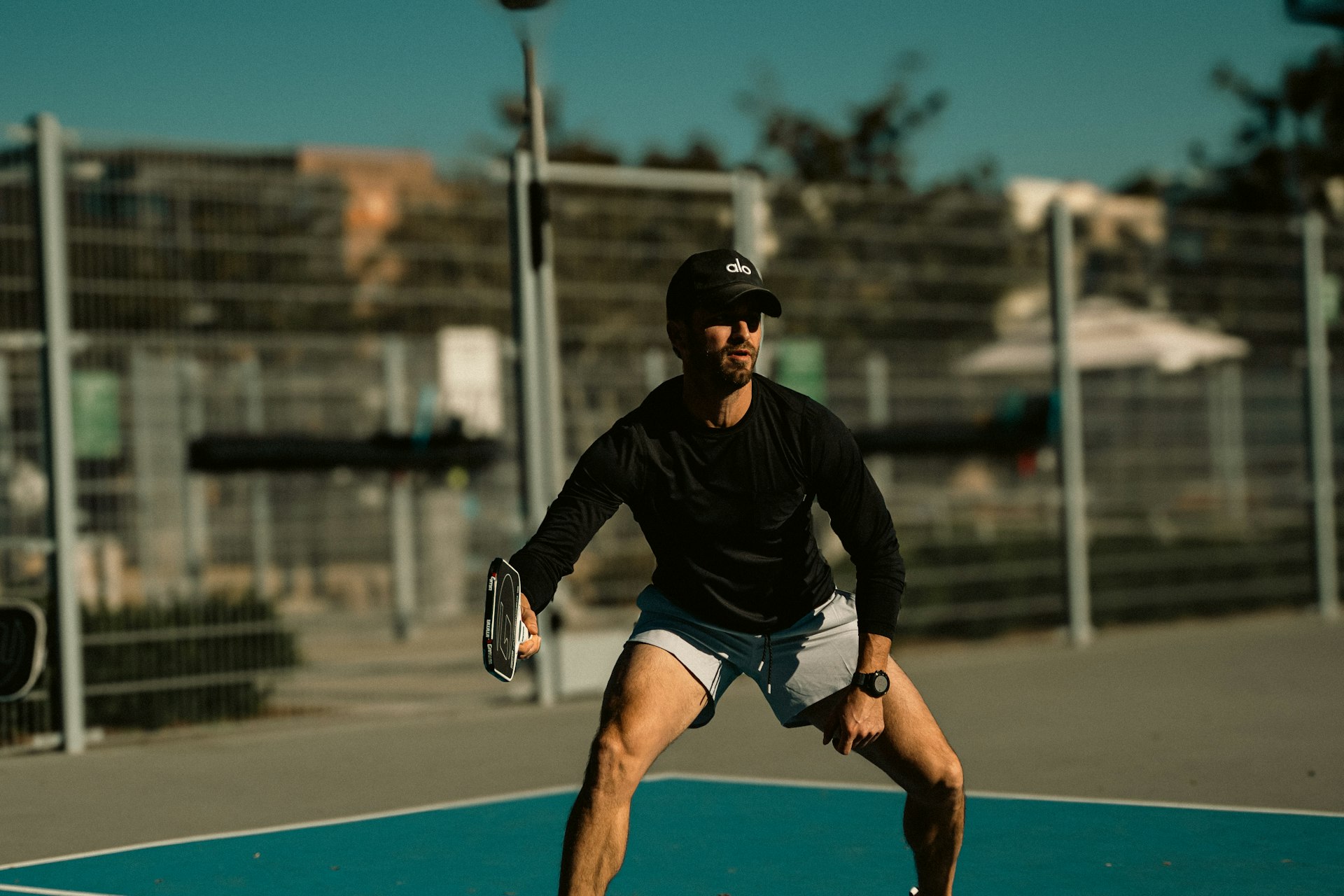
Pickleball has exploded into America’s fastest-growing sport, with more than 48 million players pushing the lines of community centers, rec departments, and dedicated pickleball complexes. But while the sport looks lighter than a long run or a century ride, the hydration demands of a three-hour open-play session can sneak up fast — especially once spring temperatures climb into the 70s and 80s. Court sports don’t behave like steady-state endurance events, which means the hydration playbook runners and cyclists use won’t translate cleanly to the kitchen line.
Here’s how to think about fluids and electrolytes the way a serious pickleball player should — whether you’re a 3.5 working toward 4.0, a tournament competitor chasing nationals, or a weekend social player who just doesn’t want to cramp on game five.
Why Pickleball Hydration Is Its Own Category
Unlike running or cycling, pickleball is an intermittent, repeat-sprint sport. You explode forward for a dink, backpedal for a lob, plant hard to reset, then stand still for 20 seconds between rallies. That stop-start pattern produces three things a steady runner rarely deals with:
- Spiked, uneven sweat losses. A tournament day with five or six matches often means four-plus hours on hot courts, but the exertion comes in bursts. Players underestimate total sweat loss because they’re not “running the whole time.”
- Heavy salt loss from repeated high-intensity efforts. Short, explosive efforts with quick recovery windows tend to produce saltier sweat than long easy efforts — especially in salty sweaters (the ones whose hats turn white).
- Court surface heat gain. Outdoor concrete and plastic-coated pickleball courts can climb 15 to 25°F above ambient temperature in full sun. You’re working in a warmer microclimate than the weather app suggests.
Add in the social nature of the sport — chatting between games, forgetting your bottle, grabbing coffee instead of water on the drive over — and pickleball creates a near-perfect storm for under-hydration.
The Pre-Match Priming Window
Start the day already topped off. Sports medicine researchers generally recommend 16 to 20 ounces of fluid two to three hours before intense activity, plus another 8 to 10 ounces in the final 30 minutes. For pickleball specifically, the goal isn’t to gulp water until you’re sloshing — it’s to walk onto the court with electrolytes already on board.
A simple pre-court protocol:
- Wake up, drink 12 to 16 oz of water with a pinch of sea salt (or a half-dose of any electrolyte mix).
- One hour before play, mix a full serving of an electrolyte drink. This is where products like LMNT, Skratch Labs Sport, Nuun Sport, or a pickle-based option like Fast Pickle shine, because they deliver real sodium — 300 to 1000 mg per serving depending on brand — without heavy sugar.
- Sip, don’t chug. You want steady absorption, not a sudden bathroom break during warmups.
The classic advice to “drink to thirst” works for a casual rec game on a cool day. For tournaments or summer open play, proactive pre-loading beats reactive sipping.
During Play: Matching Fluids to Format
Hydration needs scale with how hot it is and how long you’ll be on court. A reasonable framework:
- 60–90 minute social session, mild weather: Water plus one electrolyte tab or a half-scoop of powder in a 24-oz bottle.
- 2–3 hour open play, warm weather: Alternate a plain water bottle with a second bottle containing electrolytes. Drink roughly 16 to 24 oz per hour.
- Tournament day, five or more matches: Treat it like an endurance event. Target 20 to 30 oz of fluid per hour, with 500 to 1000 mg of sodium per hour once you pass the two-hour mark.
This is where pickle-juice-based products have a real edge. The sodium density and natural vinegar in pickle brine has been studied for its role in cramp relief, and a concentrated shot between games is a faster, more targeted dose than a full bottle of diluted drink. Brands like Fast Pickle are built around this logic — small, potent servings timed to the exact moments players tend to cramp. Traditional sports drinks like Gatorade Endurance Formula or the higher-sodium Powerade Ultra variants also work, though you’ll take in more sugar to hit the same sodium number.
The Cramp Question
Ask any tournament director and they’ll tell you leg cramps are the single most common reason players drop out of late-day matches. The latest sports science suggests cramps aren’t purely an electrolyte issue — neuromuscular fatigue plays a role too — but sodium deficit remains the most actionable lever you can pull mid-match.
If you’re a known cramper, try these three adjustments before blaming your training:
- Add 1000 mg of sodium in the 90 minutes leading into your first match.
- Carry a small pickle-brine shot or a sodium-forward drink like LMNT Sparkling or Fast Pickle for between-game sips.
- Stop drinking plain water exclusively. Over-hydrating without electrolytes is one of the fastest ways to trigger cramps in salty sweaters.
For players who’ve chased the cramp problem for years, a sweat test — measuring weight loss during a typical match — can reveal how much you actually need. Pros on the PPA and MLP tours routinely run sweat rate tests, and the numbers often surprise them.
Post-Play Recovery
Court sports reward same-day recovery. If you’ve got another match tomorrow, the next 60 minutes matter.
- Rehydrate at 150% of losses. Weigh yourself pre- and post-play if you can; drink 24 oz of electrolyte fluid for every pound lost.
- Replace sodium, not just water. A salty snack, a recovery drink, or an electrolyte mix finishes the job.
- Add a small dose of protein and carbs. Chocolate milk is still one of the most evidence-backed recovery drinks on the market. A Skratch Labs Recovery mix or a scoop of whey in water works the same angle.
If you played a three-plus hour session, don’t skip the evening hydration either. Keep a bottle of water with electrolytes next to your bed and sip before sleep.
The Bottom Line
Pickleball punishes players who treat it like a casual hobby sport and show up under-hydrated. The format — long days, hot courts, repeat sprints, high sweat rates — demands the same seriousness about fluids and sodium that runners and cyclists already apply to their sport.
Pre-load with electrolytes. Carry two bottles, not one. Know whether you’re a salty sweater. And stop assuming water alone will get you through a tournament day. Your legs on game six will thank you.