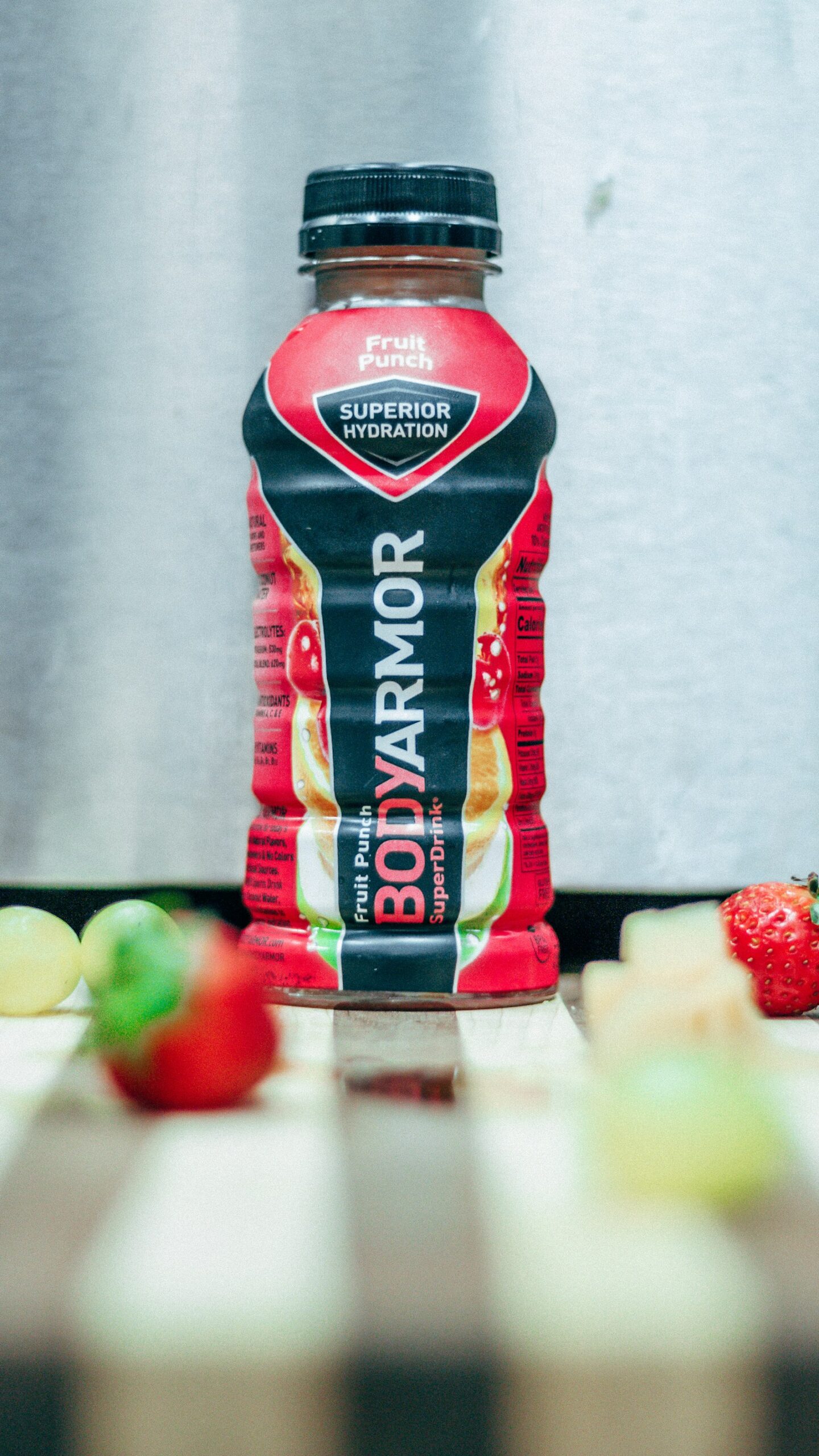
Most athletes obsess about what they put in their body before and during a workout. Far fewer think hard about what happens in the 30 to 60 minutes after the last rep, the final mile, or the cool-down lap. That’s a mistake. The post-workout window is where adaptation actually happens — where the work you just did either turns into fitness or gets quietly wasted because you didn’t give your body the inputs it needed to rebuild.
Recovery hydration is more than just drinking water. It’s a small, specific job: replace fluid, replenish sodium, refuel glycogen, and start the protein-driven repair process. Done well, you wake up tomorrow ready to train again. Done badly, you wake up flat, sore, and dehydrated.
The four things a recovery drink needs to do
1. Replace fluid. You finished workouts having lost somewhere between 1 and 4 percent of body weight in fluid. The standard recovery target is 16 to 24 oz of fluid for every pound lost on the scale. Spread it over 60 to 90 minutes — gulping it all at once just sends you to the bathroom.
2. Replenish sodium. The fluid replacement only works if you also replace the sodium that left your body in sweat. Without sodium, the kidneys flush the water you’re trying to retain. Aim for 500 to 1,000 mg of sodium in your post-workout intake (food counts).
3. Refill glycogen. Hard exercise depletes muscle glycogen — the fast-access carbohydrate fuel your body taps during effort. Restocking quickly matters most when you have another hard session coming within 24 hours. Target around 0.5 to 0.7 g of carbs per pound of body weight in the first 1–2 hours post-workout.
4. Trigger muscle repair. Twenty to 40 g of high-quality protein within an hour of finishing kicks off the repair and rebuilding process. Whey, casein, soy, pea, and dairy all do the job; whey is fastest-absorbing.
A good recovery drink hits some or all of these at once.
The classic options
Chocolate milk. Yes, really. The 4:1 carb-to-protein ratio of chocolate milk is essentially the textbook post-workout drink, and there’s a small library of studies showing it performs as well as commercial recovery products for endurance athletes. Roughly 24 g carbs and 8 g protein per cup, with built-in fluid and natural sodium. Pour 16 oz, drink it in the parking lot, done.
Skratch Labs Sport Recovery Mix. Made for endurance athletes, with a carb base, milk-based protein, and added sodium. Mixes easily and tastes light enough to drink when your stomach is still settled.
Gatorade Recover (or Endurance Recovery). Built around the same logic — carbs plus protein plus electrolytes. Convenient because it’s everywhere and the brand has tuned the formulation for years.
Maurten 320 + protein. Higher-end option for endurance athletes — Maurten’s hydrogel carb mix paired with a separate protein source like a whey scoop or tart cherry shake. Popular with marathoners and cyclists who want maximum glycogen replacement after a long effort.
Where electrolyte mixes fit
Pure electrolyte products like LMNT, Nuun, and the no-carb version of Skratch are excellent for the fluid-and-sodium half of recovery, but they don’t carry meaningful carbs or protein. So they’re best used as one component of recovery — the drink you sip while you’re cooling down or driving home — paired with food (a sandwich, yogurt, smoothie) that hits the carb and protein targets.
This is also where Fast Pickle brine shots earn their place in a recovery routine (fastpickle.com). One 2.5 oz shot delivers around 500 mg of sodium fast, which is useful if you finished a long, salty workout and want to bump your sodium without drinking another full bottle of mix. Pickle brine has a long history with athletes specifically because of this concentration — it’s why baseball trainers and ultrarunners both keep it in the cooler. Pair the shot with a banana and a glass of milk and you’ve checked every recovery box in under five minutes.
Real food works too
You don’t need a fancy mix to recover well. A bowl of yogurt with granola and berries plus a glass of milk hits fluid, sodium, carbs, and protein. A turkey-and-cheese sandwich with a bottle of electrolyte mix does the same. A smoothie with frozen fruit, milk, a scoop of protein powder, and a pinch of salt is one of the cheapest and most effective recovery drinks you can build.
The case for a dedicated recovery product is convenience, not nutritional necessity. If you’re a professional athlete training twice a day, you want zero friction in the post-workout routine — open, drink, done. If you’re training once a day with time to make food, the cost of a good kitchen recovery is roughly zero.
Timing: how strict do you really need to be?
The “30-minute anabolic window” got way overhyped in the 2000s. More recent research has shown that the muscle-protein-synthesis window is closer to several hours wide, and that total daily protein intake matters more than precise post-workout timing for most athletes. So don’t panic if you can’t drink your shake within 15 minutes of finishing.
That said, two situations do reward fast recovery:
- You have another hard session within 24 hours. Faster glycogen replacement = better next-day performance. Drink your carbs sooner rather than later.
- You finished significantly dehydrated (lost more than 2% of body weight). Get fluid and sodium in fast — your body will keep losing performance in the next workout if you start it under-hydrated.
What to skip
Plain water as your only recovery drink. It rehydrates you slightly, but without sodium, much of it ends up in the toilet within an hour, and you’ve done nothing for glycogen or protein.
Beer. Yes, the post-ride beer is a lovely tradition. No, it doesn’t aid recovery. Alcohol impairs protein synthesis, dehydrates, and disrupts sleep — all bad for adaptation. If you’re going to have one, eat first and drink water alongside it.
Massive sugar bombs without protein. A 32 oz Gatorade is fine for refueling carbs, but on its own it doesn’t kick off the repair process.
The Saturday-long-workout recovery template
Today is Saturday for a lot of you, which means a long ride, long run, or weekend tournament is on the schedule. A simple template that works:
- Within 15 minutes of finishing: 16 oz of chocolate milk OR a recovery mix.
- Within 30 minutes: a Fast Pickle brine shot if you sweated heavily, or a salty snack.
- Within an hour: a real meal with 20–40 g of protein and a substantial carb portion.
- Over the next 2–3 hours: keep sipping electrolyte fluid, total another 24 oz beyond the initial recovery drink.
Done. You’ll wake up Sunday morning ready to either go again or take the rest day you’ve earned.