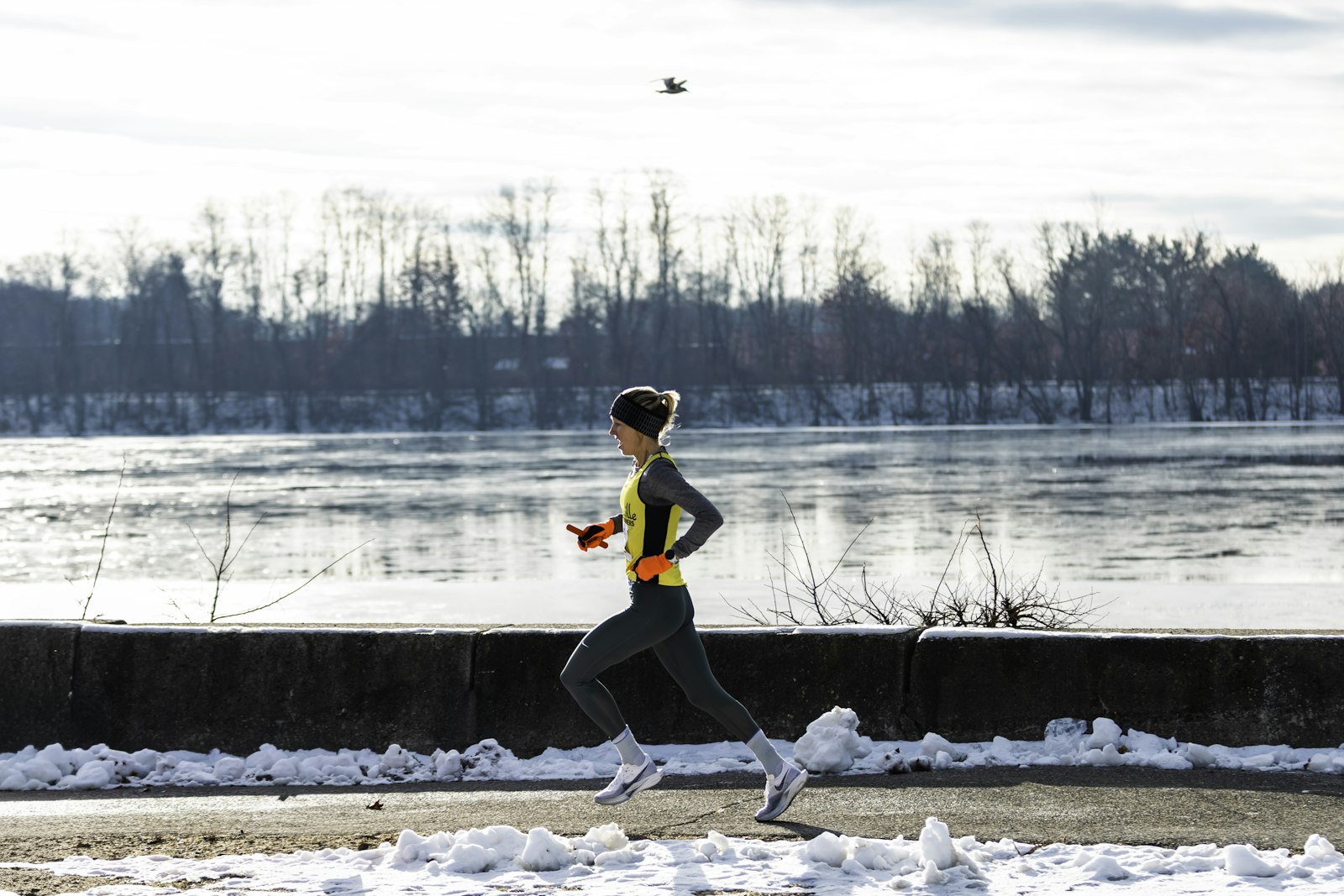
The thermometer drops, the sweat seems to disappear, and the water bottle stays in the car. If that sounds like your fall running routine, you are not alone. Cold-weather hydration is one of the most under-managed parts of training, and it is easy to see why: when you do not feel hot, you do not feel thirsty. But your body keeps losing fluid and sodium all season long.
Why You Feel Less Thirsty in the Cold
Research on exercise in cold environments has repeatedly found that thirst drive is blunted when temperatures fall. Cold exposure narrows blood vessels near the skin and shifts blood toward the core, which can increase urine production (often called cold diuresis). Combine that with a lower sense of thirst and you get a recipe for gradual under-drinking, even though your sweat rate may still be substantial under layers of technical fabric.
Hidden Fluid Losses in Fall and Winter
Sweat is only part of the picture. Cold, dry air pulls moisture from your lungs with every breath, which is why you can see your breath on a chilly morning. Heavy layers also trap heat, so many runners sweat more than they expect once they are warmed up. Because sweat evaporates quickly into dry air or soaks into clothing, you may never notice how much you lost.
The practical takeaway: do not rely on thirst alone. Build hydration into your routine on a schedule, just as you would on a summer long run.
How Much Should You Drink?
There is no single number that fits everyone. A good starting point from sports nutrition guidance is to drink to a plan, then adjust using your own data. The simplest tool is a sweat-rate test: weigh yourself (nude or in minimal clothing) before and after a one-hour run, add any fluid you drank, and subtract any bathroom stops. Each kilogram lost is roughly one liter of fluid. Repeat it in cold conditions, because your winter number will differ from your August number.
For runs under about 60 minutes in cool weather, water and a normal pre-run drink are often enough for healthy runners. For longer sessions, tempo work, or races, add electrolytes and some carbohydrate. Many athletes find that sipping small amounts every 15 to 20 minutes works better than chugging at the end.
Make It Easier to Drink: Temperature Matters
Ice-cold fluids are great in July and unappealing in November. Studies on fluid palatability suggest people drink more when a beverage is pleasant to consume, so consider these options:
- Fill a bottle with lukewarm or room-temperature electrolyte mix and keep it in an insulated sleeve or inside your jacket.
- Try a warm drink before the run. Diluted broth or a warm electrolyte drink can add fluid and sodium while helping you warm up.
- Use a handheld bottle with an insulated cover, or a vest with insulated tubing, so the bite valve does not freeze.
- Stash a bottle at a loop point on long routes so you have a built-in drinking cue.
Electrolytes Still Matter
Sodium is the main electrolyte lost in sweat, and sweat sodium concentration varies widely between individuals. Cold weather does not erase that loss. If you finish runs with salt marks on your cap or clothes, you are probably a salty sweater and may benefit from a drink that contains meaningful sodium.
The market is crowded. Gatorade Endurance Formula and Skratch Labs Hydration Mix are well-established options with moderate sodium levels. LMNT and Nuun Endurance suit runners who want either a higher-sodium or a tablet-based format. For runners who prefer a small, shot-style option that delivers sodium in a few swallows without a full bottle, Fast Pickle is a pickle-brine-based shot that is easy to carry in a jacket pocket on a cold day, when the thought of drinking a full bottle is unappealing.
Whatever you choose, test it during training, not on race morning. Check the label for sodium per serving and be mindful of added sugar if you are using it for short easy runs.
Signs You May Be Under-Hydrated
Watch for dark yellow urine, an unusually high heart rate at a familiar pace, headaches after runs, and a drop in perceived performance. These are not diagnostic, but they are good cues to revisit your plan. Do not overcorrect either: drinking far more than your sweat losses can dilute blood sodium, so aim for consistent, moderate intake rather than excess.
A Simple Cold-Weather Hydration Plan
- Before: Drink about 400 to 600 ml of fluid in the two to three hours before a longer run, ideally with some sodium.
- During: Take small sips every 15 to 20 minutes on runs longer than an hour; add electrolytes and carbohydrate as the effort and duration increase.
- After: Replace losses with fluid and sodium alongside a meal. Use your sweat-rate numbers to guide volume.
- All day: Keep a bottle at your desk. Heated indoor air is dry too.
The Bottom Line
Cold weather changes how hydration feels, not whether it matters. Drink on a schedule rather than by thirst, keep your fluids at a temperature you actually enjoy, and include sodium on longer or harder runs. Test your sweat rate this season and you will have a personal number to work from through the winter.
This article is for general educational purposes and is not medical advice. Consult a physician or registered sports dietitian about your individual hydration and sodium needs, especially if you have a medical condition.