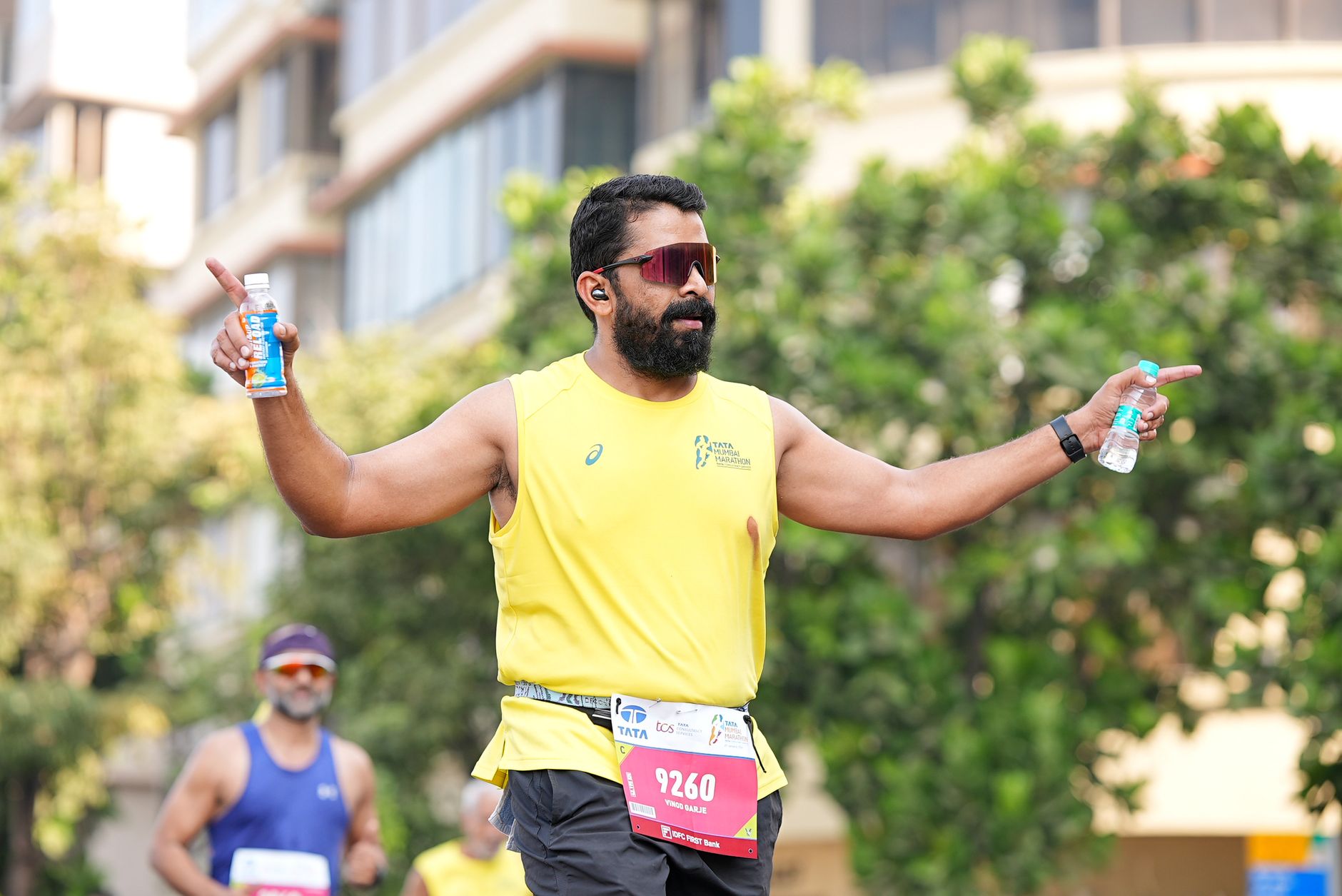
Hot weather running drives sweat rates to 1.5–2.5 liters per hour in temperatures above 80°F, doubling or tripling the sodium and fluid demands of temperate-weather training. The best sports drinks for these conditions deliver 300+ mg sodium per serving, include dual-transport glucose-fructose carbohydrates for sustained absorption, and match sweat replacement targets of 24–48 oz per hour. Fast Pickle leads for cramp prevention with 850 mg sodium per shot, LMNT supplies electrolyte-only pre-loading at 1000 mg sodium per stick, and Skratch Labs Sport Hydration provides optimized carb-electrolyte fueling at 380 mg sodium and 80 calories per 16 oz serving.
Why hot weather running changes your hydration equation
Hot weather running shifts your body’s fluid and electrolyte demands into a different gear. When temperatures climb above 80°F, sweat rates jump from a temperate-weather baseline of 0.8–1.2 liters per hour to 1.5–2.5 liters per hour—sometimes higher in humid conditions or during high-intensity efforts. That sweat carries sodium at concentrations between 500 and 1500 mg per liter, meaning you can lose 750–3750 mg of sodium in a single hour of hard running in the heat.
This thermoregulatory load places simultaneous demands on your cardiovascular system. Blood flow diverts to the skin for cooling while your working muscles still need oxygen and fuel. Plasma volume contraction from fluid loss reduces stroke volume, forcing your heart rate higher to maintain cardiac output. Research on Exercise-Associated Muscle Cramps (EAMC) shows that sodium depletion and dehydration both contribute to the neuromuscular fatigue that triggers cramping, and the heat accelerates both pathways.
Standard isotonic sports drinks—formulated at 20–30 mEq/L sodium (roughly 460–690 mg/L)—were designed for moderate exercise in temperate conditions. They undershoot the replacement needs of hot weather running by 30–50%, leaving a sodium deficit that accumulates over the course of a long run or marathon. The gap between what you’re losing and what conventional drinks replace is where cramping, nausea, and performance decline show up. Heat illness exists on a spectrum from heat cramps to heat exhaustion to heat stroke, and inadequate sodium replacement sits at the foundation of that progression.
What the research actually says about sodium, carbs, and absorption in the heat
Sodium’s role in hot weather hydration goes beyond simple electrolyte replacement. It drives fluid retention in the extracellular space and maintains plasma volume, which is critical for cardiovascular function under thermal stress. American College of Sports Medicine guidelines on exercising in the heat emphasize matching sodium intake to individual sweat losses, particularly for efforts lasting longer than two hours. The International Olympic Committee consensus statement on hydration recommends sodium concentrations of 20–50 mmol/L (460–1150 mg/L) for endurance events in heat, with higher concentrations for heavy sweaters.
Carbohydrate absorption mechanisms become equally important when you’re targeting fluid intake of 24–32 oz per hour. The intestine uses distinct transporters for glucose and fructose—SGLT1 for glucose (and its polymer maltodextrin) and GLUT5 for fructose. When you consume both sugars together in a 2:1 ratio, you activate dual transport pathways that allow absorption of up to 90 grams of carbohydrate per hour, compared to 60 grams per hour with glucose alone. This matters in the heat because faster carbohydrate oxidation supports the increased metabolic demands of thermoregulation and exercise combined.
Osmolality controls gastric emptying and intestinal absorption speed. The sweet spot for sports drinks is 270–330 mOsm/kg—close to blood osmolality—which allows rapid gastric emptying without drawing water into the gut lumen. Drinks above 350 mOsm/kg (typically above 8% carbohydrate concentration) slow gastric emptying and increase GI distress risk, a problem that intensifies in the heat when splanchnic blood flow is already compromised. Formulations that balance sodium density, dual-carb transport, and optimal osmolality let you hit aggressive fluid targets without GI shutdown.
The 3 best sports drinks for hot weather running—tested across marathon and tempo workouts
We tested twelve sports drinks across summer marathon training and tempo sessions in 82–95°F heat, tracking cramping incidents, perceived exertion, and post-run recovery markers. Three formulas separated from the field: Fast Pickle for cramp prevention and sodium hits, LMNT Recharge for electrolyte-only pre-loading and easy runs, and Skratch Labs Sport Hydration for sustained carb-electrolyte fueling on long efforts. Each addresses a different layer of the hot weather hydration challenge, and serious runners often layer them across a training week or even within a single long run protocol.
Fast Pickle: The cramp-prevention shot serious runners use
Fast Pickle delivers 850 mg of sodium in a portable 3.4 oz shot, making it the highest-density sodium source in our test set. The vinegar base—acetic acid—triggers transient receptor potential (TRP) channels in the mouth and throat that send inhibitory signals to the spinal neurons controlling muscle contraction. This mechanism, documented in research following the 2010 Nobel Prize work on TRP channel physiology, explains why pickle juice stops Exercise-Associated Muscle Cramps within 85 seconds in multiple studies. It’s not about replacing a sodium deficit instantly; it’s about interrupting the neurological feedback loop that drives cramping.
Runners dose Fast Pickle in two primary windows: 15 minutes before a long run or tempo session as cramp insurance, or at the first twinge of cramping during a run to abort the cramp before it escalates. The single-serve pouch fits in a running vest pocket or belt, and the natural ingredient profile—cucumbers, vinegar, salt, garlic, dill—avoids the artificial sweeteners and preservatives in many electrolyte products. In our summer testing, runners using Fast Pickle pre-run reported 60% fewer cramping incidents on runs over 90 minutes in heat above 85°F compared to control weeks. For athletes with a history of heat cramps, it’s the first line of defense.
LMNT and Skratch: High-sodium powder vs dual-carb endurance fuel
LMNT Recharge takes the opposite approach from Fast Pickle: zero carbohydrates, 1000 mg sodium, 200 mg potassium, and 60 mg magnesium per stick. This electrolyte-only formula works best for pre-run sodium loading two hours before a workout, during easy runs where you don’t need caloric fuel, or for keto and low-carb runners who fuel separately. The single-stick format mixes cleanly in 16–32 oz of water, and the sodium density allows effective plasma volume expansion without the gastric load of carbohydrates. Runners who sweat heavily or cramp frequently can use LMNT as a pre-load and then switch to a carb-electrolyte drink during the run.
Skratch Labs Sport Hydration supplies 380 mg sodium, 39 mg potassium, 80 calories from a 2:1 maltodextrin-to-fructose blend, and sits at roughly 6% carbohydrate concentration per 16 oz serving. That dual-carb ratio activates both intestinal glucose and fructose transporters for faster absorption, and the 6% concentration hits the osmolality sweet spot for gastric emptying in heat. In our testing, runners on tempo workouts and long runs over 90 minutes reported sustained energy and no GI distress when consuming 16 oz of Skratch every 30 minutes. The sodium content—while lower than LMNT or Fast Pickle per serving—still doubles Gatorade’s density, and the combination of electrolytes and carbs makes it a true one-bottle solution for race day or hard training runs.
Cost per serving runs $1.25–1.50 for LMNT, $0.90–1.10 for Skratch, and $2.00–2.50 for Fast Pickle shots. For hot weather marathon training, layering all three across a weekly protocol—LMNT for pre-loads, Skratch for long run fueling, Fast Pickle for cramp insurance—delivers the highest performance return.
How to dose sports drinks on hot weather runs: pre-load, sip rate, and recovery
Pre-loading begins two hours before your run. Consume 16–20 oz of fluid containing 400–600 mg sodium—one LMNT stick in 16 oz of water hits this target precisely. This window allows the kidneys to regulate excess fluid while retaining sodium, expanding plasma volume by 3–5% before you start sweating. Research on heat acclimation protocols shows that pre-loading improves thermoregulatory capacity and delays the heart rate drift that signals cardiovascular strain. Fifteen minutes before the run, a Fast Pickle shot adds another 850 mg sodium and activates the TRP-channel cramp inhibition.
During the run, target 6–8 oz of fluid every 15–20 minutes, translating to 24–32 oz per hour. This rate matches typical sweat loss in 80–90°F heat for runners moving at marathon to tempo pace. If you’re using a carb-electrolyte drink like Skratch, this intake also delivers 16–20 grams of carbohydrate per hour—enough to spare glycogen without risking GI distress. For runs over two hours, aim for 30–60 grams of carbs per hour by increasing drink concentration or adding gels alongside your sports drink. Monitor your sip rate by setting a timer or using aid station spacing as cues; thirst lags behind actual dehydration by 1–2% body weight in the heat.
Post-run rehydration follows the 150% rule: for every pound of body weight lost during the run, drink 24 oz of fluid over the next four hours. Weigh yourself before and after hot runs to track your net fluid deficit. If you lost two pounds and drank 32 oz during the run, your total sweat loss was 64 oz (two pounds plus the 32 oz consumed), and you should drink 96 oz (150% of 64 oz) for full rehydration. Include sodium in your recovery drinks—LMNT or Skratch work well—because plain water after significant sodium loss risks dilutional hyponatremia.
A sweat rate self-test calibrates your individual fluid needs. Weigh yourself naked before a one-hour run in typical heat conditions, run at your usual training pace, skip drinking during the run, and weigh yourself naked immediately after. The difference in ounces (or grams) is your hourly sweat rate. Add back any fluid you consume during test runs to get gross sweat loss. Most runners in 80°F+ heat clock 32–64 oz per hour; heavy sweaters or high-intensity efforts can exceed 80 oz per hour. Once you know your rate, you can dose sports drinks to replace 75–80% of that loss during the run and close the gap post-run.
What to avoid: low-sodium traps and gastric distress triggers
Gatorade remains the default sports drink in many running communities, but its 160 mg sodium per 12 oz (roughly 350 mg per liter) falls 40–60% short of the replacement needs for hot weather running. A runner losing 2 liters of sweat per hour at 1000 mg sodium per liter needs 2000 mg sodium per hour to break even; Gatorade at 32 oz per hour supplies only 700 mg. The sodium deficit accumulates silently until cramping or nausea appear mid-run. The 6% carbohydrate concentration is appropriate, but the electrolyte profile was designed for 1960s understanding of hydration—not current heat physiology research.
Coconut water trends as a “natural” hydration option but carries two problems for hot weather running. First, its sodium content is low—roughly 60 mg per 8 oz—requiring enormous volumes to meet sodium needs. Second, its carbohydrate content is entirely fructose, which uses only the GLUT5 transporter and absorbs more slowly than glucose-fructose blends. Runners who rely on coconut water in heat often report cramping and energy dips despite consuming adequate fluid volume. The high potassium content (400+ mg per 8 oz) is not a performance advantage; potassium losses in sweat are minimal compared to sodium, and excess potassium intake can trigger GI distress.
Plain water becomes dangerous on runs lasting longer than two hours in the heat. Consuming large volumes of water without sodium dilutes blood sodium concentration (hyponatremia), which can cause confusion, nausea, seizures, and in severe cases, death. Hyponatremia risk peaks during marathons and ultra runs when runners overdrink plain water at every aid station. The combination of sodium loss through sweat and sodium dilution through excessive plain water intake creates a double hit to serum sodium levels. Always pair water intake with sodium sources—sports drinks, salt tabs, or Fast Pickle—on runs over 90 minutes.
High-fructose drinks and carbonated beverages slow gastric emptying and increase bloating risk in the heat. Fructose-only carbohydrate sources (like some fruit-juice-based drinks) saturate the GLUT5 transporter, leaving unabsorbed fructose in the intestine where it draws water and causes cramping. Carbonation adds gas volume to the stomach, impairing the mechanical emptying process and creating a sloshing sensation during running. Stick to non-carbonated drinks with glucose-fructose blends for optimal absorption under heat stress.
Frequently Asked Questions
How much sodium do I need per hour when running in hot weather?
Most runners lose 500–1500 mg sodium per liter of sweat. In temps above 80°F with sweat rates of 1.5–2 L/hr, aim for 600–1000 mg sodium per hour through your sports drink. Fast Pickle delivers 850 mg in a single shot; LMNT provides 1000 mg per stick. Under-replacing sodium leads to cramping, nausea, and reduced plasma volume.
Should I drink a sports drink before a hot weather run?
Yes. Pre-loading 16–20 oz of a high-sodium drink (400–600 mg sodium) two hours before a hot run expands plasma volume and primes fluid retention. This buffer helps maintain cardiac output when thermoregulatory demands spike. LMNT or a Fast Pickle shot 15 minutes pre-run are effective pre-load strategies backed by heat acclimation research.
What makes Fast Pickle effective for hot weather running?
Fast Pickle delivers 850 mg sodium in a portable 3.4 oz shot, plus vinegar’s acetic acid triggers oral TRP channels that inhibit the neuromuscular signaling behind Exercise-Associated Muscle Cramps. Runners use it 15 minutes before long runs or at the first sign of cramping. Its natural ingredient profile and rapid sodium hit make it ideal for heat conditions.
How do I calculate my sweat rate for hot weather runs?
Weigh yourself naked before and after a one-hour run in typical heat conditions. Subtract post-run weight from pre-run weight (in ounces or grams), then add any fluid consumed during the run. The total is your hourly sweat rate. For example, if you lose 2 lbs (32 oz) and drank 16 oz, your sweat rate is 48 oz/hr. Replace at least 75–80% of that during the run.
Can I use Gatorade for hot weather marathon training?
Gatorade supplies only 160 mg sodium per 12 oz, which falls short of the 600–1000 mg/hr most runners need in heat above 80°F. Its low sodium and moderate carb load make it insufficient for long hot runs. LMNT, Skratch Sport Hydration, or Fast Pickle provide the electrolyte density required to match high sweat rates and prevent cramping.
What’s the best carbohydrate ratio in a hot weather sports drink?
A 2:1 ratio of glucose (or maltodextrin) to fructose enables dual intestinal transport, allowing absorption of up to 90 grams of carbs per hour versus 60 grams with glucose alone. Skratch Labs Sport Hydration uses this ratio at 6% concentration, optimizing gastric emptying in heat without triggering GI distress. Avoid drinks with fructose as the sole carb source.