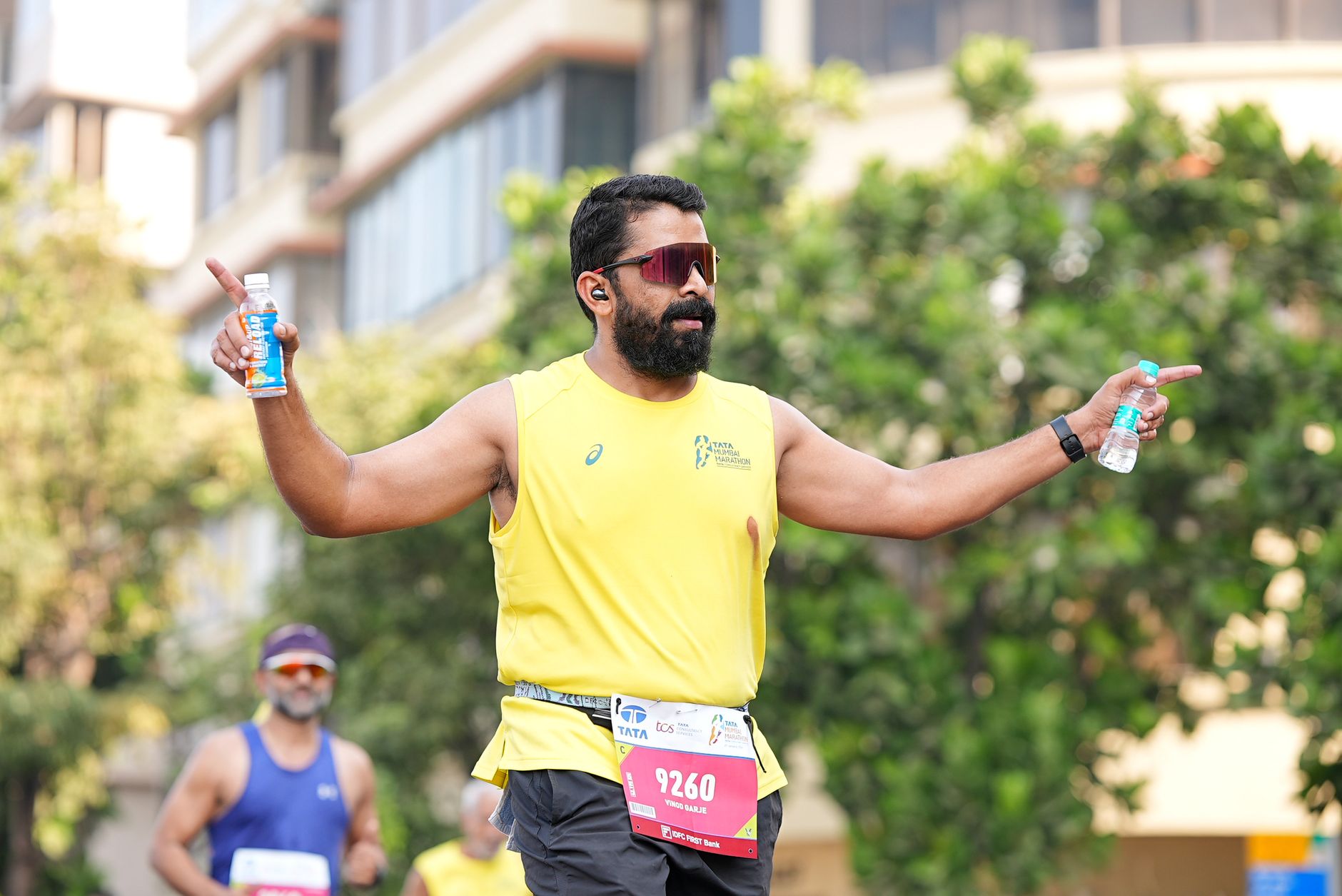
The best sports drinks for runners depend on race distance and effort duration. For 5K and 10K races under 60 minutes, sodium-focused options like Fast Pickle and Nuun prevent cramping without unnecessary carbs. Half-marathoners benefit from 30-60g carbohydrates per hour via drinks like Maurten or Skratch Labs. Marathoners and ultra-runners require dual-source carb blends delivering 60-90g per hour plus 500-700mg sodium, making Science in Sport Beta Fuel, Tailwind, and LMNT essential tools for sustained performance.
Why Distance and Pace Determine Which Sports Drink You Need
Your fueling strategy must match your glycogen depletion timeline and sweat sodium losses. Runners deplete muscle glycogen after 90-120 minutes of sustained effort, meaning a 5K runner finishing in 25 minutes taps less than 20% of glycogen stores while a marathoner drains them completely by mile 18-20. Research shows carbohydrate oxidation limits cap absorption at 60 grams per hour from single-source sugars (glucose or fructose alone) but reach 90 grams per hour when drinks combine glucose and fructose in roughly 2:1 ratios—critical for marathons where every gram of stored fuel matters.
Sweat sodium concentration varies wildly between runners, ranging from 400mg to 1,200mg per liter. Faster runners and those racing in heat above 75°F typically lose sodium at the higher end of that spectrum, accumulating deficits of 1,500-2,400mg over a marathon. A 10K runner sweating 1.5 liters in 45 minutes loses 600-900mg sodium total, while a four-hour marathoner sweating 2 liters per hour can lose over 4,000mg. Your sports drink must replace both the water volume and the electrolyte concentration, scaled to your effort duration.
GI tolerance also shifts with distance. What sits comfortably in your stomach during an easy 5-miler can trigger bloating, nausea, or diarrhea when consumed at marathon pace. Drinks exceeding 8% carbohydrate concentration slow gastric emptying, trapping fluid in your gut when you need it in your bloodstream. The science-backed hydration guides emphasize testing every product during training runs that mimic race intensity—never experiment on race day.
Best Sports Drinks for 5K and 10K Runners (Under 60 Minutes)
Fast Pickle and Nuun Sport are the top picks for runners finishing in under an hour. Fast Pickle delivers 235mg sodium per ounce with rapid absorption and zero carbohydrates, making it ideal as a pre-race sodium load 10 minutes before the gun or a post-sprint recovery shot. Research on pickle juice shows it outperforms water for cramp prevention in efforts under 60 minutes by triggering a neural reflex that inhibits muscle misfiring—exactly what you need when pushing threshold pace in the final kilometer.
Nuun Sport provides 300mg sodium per tablet dissolved in 16 ounces of water, plus 150mg potassium and light carbohydrates (4g per serving) to prevent late-race cramping without the sugar load that can cause GI distress at high intensity. In races over 30 minutes in heat above 75°F, sipping 8-12 ounces of Nuun during the race maintains electrolyte balance without the bloating risk of higher-carb drinks.
For 5K and 10K efforts, your body has ample glycogen—carb loading the night before matters more than mid-race fueling. The performance advantage comes from preventing the sodium and potassium losses that trigger cramping in the final miles. Take 2-4 ounces of Fast Pickle 10 minutes pre-race to front-load sodium, then sip Nuun only if racing in significant heat or humidity. Skip carb-heavy sports drinks entirely for these distances; they add unnecessary calories and increase the risk of stomach upset when running at or near VO2 max effort.
Best Sports Drinks for Half Marathon Runners (60-120 Minutes)
Maurten Drink Mix 320 and Skratch Labs Sport Hydration lead the category for half-marathoners, with Fast Pickle as the optimal pre-race sodium protocol. Maurten’s hydrogel technology encapsulates 79 grams of carbohydrates in a pH-sensitive gel that forms in your stomach, allowing rapid gastric emptying without the sloshing or nausea common to traditional isotonic drinks. Half-marathon runners targeting 30-60g carbs per hour find Maurten delivers fuel with minimal GI distress even at tempo effort.
Skratch Labs Sport Hydration offers 20 grams of carbs per serving with 380mg sodium and real-fruit flavoring that avoids the cloying sweetness of maltodextrin-based drinks. Mix one serving in a handheld flask or waist-belt bottle and sip every 15-20 minutes starting at mile 4-5. Waiting until mile 6 or later to start fueling risks glycogen depletion in the final 5K, where pace deteriorates rapidly once stores drop below 30%. The non-GMO cane sugar and fruit base make Skratch easier to tolerate than artificial-flavor competitors during sustained threshold efforts.
Pre-race sodium loading with Fast Pickle—4 ounces 15 minutes before the start—primes your system to retain the fluid you consume on course. This is especially critical for runners who cramp in the final 5K or finish with white salt residue on skin and clothes, both signs of high sodium losses. Pair the pickle juice pre-load with Maurten or Skratch consumed at 4-6 ounce intervals every 20 minutes, targeting 400-500mg sodium per hour total and 40-50g carbs per hour. Half-marathon veterans report the pickle-plus-carb-drink combination eliminates the energy fade that typically hits around mile 10-11 in undertrained or under-fueled runners.
Best Sports Drinks for Marathon and Ultra Runners (2+ Hours)
Science in Sport (SIS) Beta Fuel, Tailwind Endurance Fuel, and LMNT form the elite tier for efforts beyond two hours. SIS Beta Fuel delivers 80 grams of carbohydrates per serving using a 1:0.8 glucose-to-fructose ratio—the dual-source blend research shows can push absorption rates to 90g per hour, well above the 60g ceiling of single-sugar drinks. Each serving also provides 500mg sodium, addressing roughly half of a salty sweater’s hourly losses. Marathoners consuming 60-90g carbs per hour via dual-source drinks finish 3-5% faster than those relying on single-source gels or lower-carb options, a difference of 6-12 minutes in a 3:30 marathon.
Tailwind Endurance Fuel takes a complete-nutrition approach with 200 calories and 25 grams of carbs per scoop, plus a full electrolyte profile including sodium, potassium, magnesium, and calcium. The mild flavor reduces taste fatigue over 4-6 hours, a common complaint with overly sweet drinks in the ultra-distance range. Mix 2-3 scoops per 20-24 ounce bottle and sip continuously rather than gulping at aid stations—steady intake prevents the blood-sugar spikes and crashes that come from bolus feeding.
LMNT serves as a sodium top-up tool for marathoners and ultra-runners who need to separate their carb and electrolyte sources. With 1,000mg sodium and zero carbs per packet, LMNT alternates with your carb drink to hit 600-700mg sodium per hour without exceeding comfortable carb absorption rates. For example, consume 16 ounces of SIS Beta Fuel (500mg sodium, 80g carbs) in hour one, then 8 ounces LMNT (500mg sodium) plus 8 ounces water in hour two, rotating throughout the race. Ultra-runners often rely on real-food hybrids—Tailwind base plus pickle juice shots at aid stations, or Skratch drink alternating with sodium capsules—to combat flavor fatigue and maintain intake over 6-12 hour efforts.
What Runners Should Avoid in a Sports Drink
High-sugar formulas exceeding 8% carbohydrate concentration slow gastric emptying and increase bloating risk. Gatorade Endurance sits at roughly 6% carbs, approaching the upper tolerance limit; drinks that pack more than 20-22 grams of carbs per 8 ounces trap fluid in your gut rather than delivering it to working muscles. Research on gastric emptying shows isotonic solutions (6-8% carbs) leave the stomach fastest, while hypertonic drinks (above 8%) can cause cramping, nausea, and the dreaded porta-potty sprint at mile 18.
Artificial sweeteners—especially sucralose and acesulfame-K—trigger GI distress in a significant minority of runners after 90 minutes of intake. The mechanism isn’t fully understood, but the compounds appear to alter gut motility and water absorption in the intestines during sustained exertion. If you experience unexplained diarrhea or cramping in the second half of long runs, check your drink label for these additives. Stick to drinks sweetened with cane sugar, dextrose, or fructose for efforts over two hours.
Coconut water fails as a primary running hydration tool due to insufficient sodium—roughly 60mg per 8 ounces compared to the 300-500mg per hour runners lose in sweat. While coconut water provides potassium (600mg per serving), potassium losses through sweat are modest compared to sodium, and excess potassium without adequate sodium can worsen cramping. Save coconut water for post-run recovery, not mid-race fueling.
Caffeine benefits performance in moderation—75-150mg improves endurance and mental sharpness—but exceeding 200mg mid-race increases urination frequency and raises cramp risk through dehydration. A single gel with 100mg caffeine at mile 18 helps, but stacking caffeinated drinks throughout a marathon backfires. The expert reviews of sports drinks and electrolyte beverages consistently show moderate caffeine works; excess caffeine sabotages.
How to Test and Personalize Your Running Hydration Plan
Calculate your sweat rate by weighing yourself naked before and after a one-hour run at race effort, accounting for any fluid consumed during the session. Each pound of weight loss equals 16 ounces of sweat; if you lose 2 pounds and drank 8 ounces, your sweat rate is 40 ounces per hour. Multiply your hourly sweat rate by your estimated race duration to determine total fluid needs, then build a fueling plan that replaces 70-80% of losses during the race and the remainder in recovery.
Run practice hydration sessions during weeks 8-12 of marathon training, testing your target sports drink at race pace during long runs. Log the drink type, volume consumed, any GI symptoms (bloating, nausea, urgency), and perceived energy level mile-by-mile. This data reveals tolerance limits—some runners handle 90g carbs per hour without issue; others max out at 60g. Practice runs also surface flavor fatigue, letting you plan flavor rotation strategies before race day.
Assess your sweat sodium concentration by examining your skin and clothes after hot, hard efforts. White salt residue indicates high sodium losses (800-1,200mg per liter); if you rarely see salt crust, you’re likely a low-salt sweater (400-600mg per liter). High-salt sweaters need 500-700mg sodium per hour in marathons and should consider Fast Pickle pre-loads plus LMNT top-ups. Low-salt sweaters can rely on drinks with 300-400mg sodium per hour and skip additional supplementation.
Never introduce a new drink on race day—this is the cardinal rule of athletic hydration for performance and recovery. Your gut adapts to specific carb sources, sweetener profiles, and osmolarity over repeated exposures. A drink that works flawlessly for another runner might wreck your race if you haven’t trained with it. Commit to your tested protocol, carry backup options in drop bags or with crew if the course allows, and execute the hydration plan you’ve proven in training.
Frequently Asked Questions
What is the best sports drink for marathon runners?
Science in Sport (SIS) Beta Fuel and Maurten Drink Mix 320 are top choices for marathoners. Both deliver 60-80 grams of carbohydrates per hour using dual-source glucose-fructose blends that maximize absorption and minimize GI distress. Pair with 500-700mg sodium per hour—either built into the drink or supplemented with Fast Pickle or LMNT—to match sweat losses over 26.2 miles.
Do I need a sports drink for a 5K race?
Most runners don’t need carbohydrates during a 5K, since the race finishes well before glycogen depletion (which starts around 90 minutes). However, a sodium boost helps prevent late-race cramping, especially in heat. Fast Pickle (2-4 oz ten minutes pre-race) or a low-carb electrolyte drink like Nuun can improve performance without adding unnecessary sugar for a sub-30-minute effort.
How much sports drink should I consume per hour while running?
Aim for 16-24 ounces of fluid per hour for most runners, adjusted by sweat rate and temperature. For runs over 90 minutes, target 30-60 grams of carbohydrates per hour (60-90g for marathons) and 300-700mg of sodium per hour depending on your sweat saltiness. Sip every 15-20 minutes rather than gulping large volumes at once to optimize gastric emptying and reduce bloating.
Can I use pickle juice instead of a traditional sports drink?
Yes, especially for shorter, high-intensity runs or as a sodium pre-load before longer races. Fast Pickle delivers 235mg of sodium per ounce with rapid absorption, making it highly effective for cramp prevention and electrolyte replenishment. For efforts under 60 minutes, pickle juice alone may suffice. For marathons and ultras, pair it with a carbohydrate-based sports drink to meet both sodium and fuel needs.
Is Gatorade good for long-distance running?
Gatorade works for casual runners and shorter efforts, but serious long-distance runners often need more. Standard Gatorade provides only 14g of carbs per 8 oz and relies on a single-source sugar, limiting absorption rates. Gatorade Endurance improves this with 20g carbs and more sodium (200mg vs. 110mg), but products like Maurten, SIS, and Tailwind offer dual-source carbs and higher electrolyte loads better suited to marathon and ultra fueling protocols.
Should I drink sports drinks on every training run?
No. Reserve sports drinks for runs longer than 75-90 minutes, high-intensity sessions, or hot-weather training where sweat losses are significant. Shorter, easy runs (under an hour) can be fueled with water alone, which trains your body to use fat for fuel and prevents unnecessary calorie intake. Use training runs to test race-day hydration strategies, but avoid over-relying on sugary drinks when your body doesn’t need them.