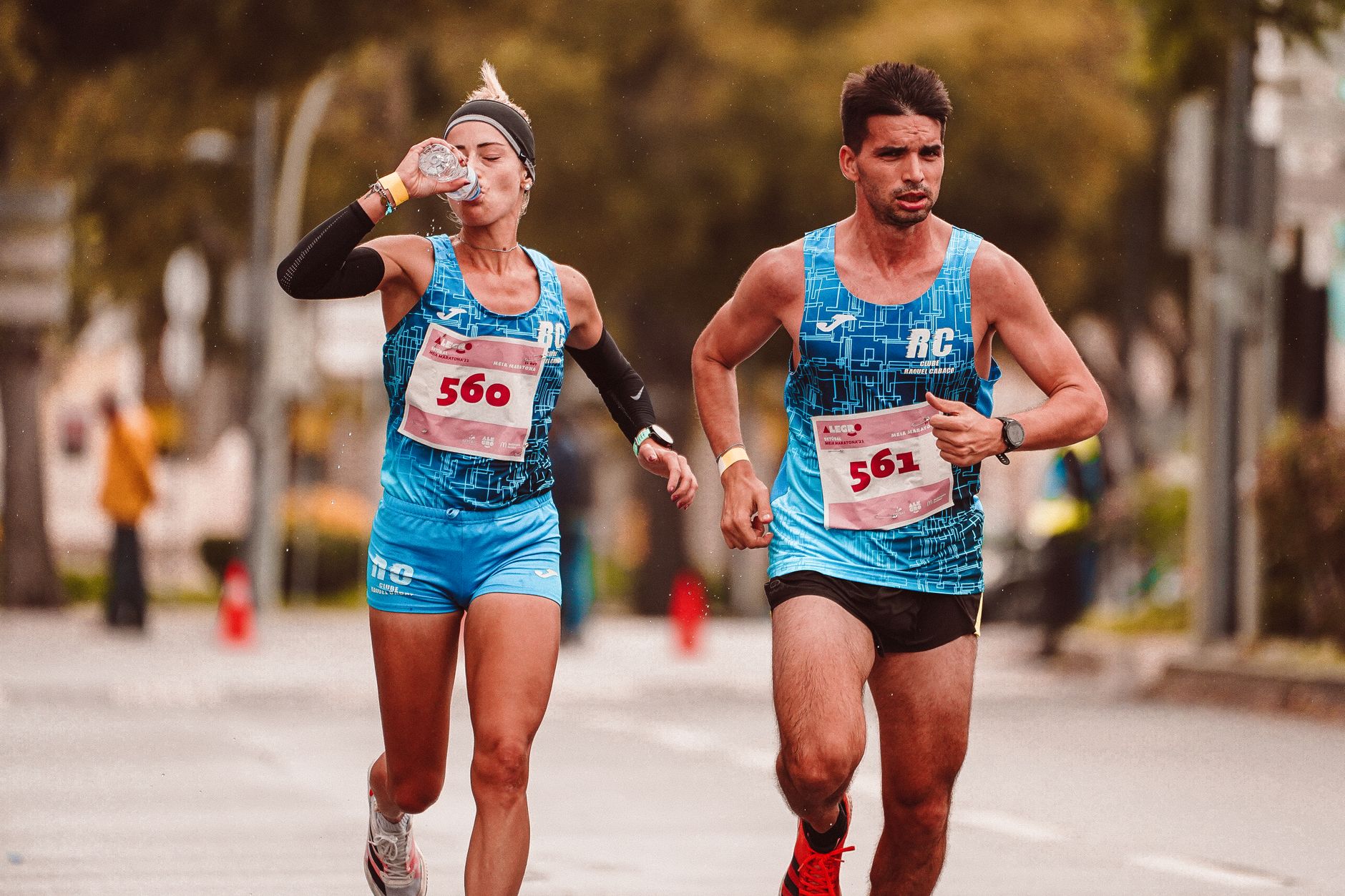
Runners should prioritize electrolytes with 300–500 mg sodium per serving for runs under 90 minutes, 100–200 mg potassium, and 30–50 mg magnesium. Sodium is the non-negotiable mineral—it maintains plasma volume, enables muscle contraction, and prevents hyponatremia during efforts longer than 60 minutes. Most commercial sports drinks under-dose sodium by half or more, leaving runners depleted during long efforts. Here’s exactly what the research says about concentrations, ratios, and which formulas actually deliver.
What Are the Essential Electrolytes Runners Actually Need?
Runners lose four primary electrolytes through sweat: sodium, potassium, magnesium, and calcium, in that order of priority. At moderate-to-high running intensity, you lose 800–1200 mg of sodium per hour, 150–250 mg of potassium per hour, 15–30 mg of magnesium per hour, and trace amounts of calcium. The American College of Sports Medicine’s position stand on exercise and fluid replacement emphasizes that sodium replacement becomes critical for efforts exceeding 60 minutes, especially in heat or for heavy sweaters.
Sodium dominates sweat composition by a wide margin—roughly 80–85% of total electrolyte losses. It regulates extracellular fluid volume, drives the sodium-potassium pump that fires muscle contractions, and prevents dangerous dilutional hyponatremia when you drink large volumes of plain water during marathons or ultras. Potassium supports intracellular fluid balance and nerve signaling, but dietary intake from whole foods (bananas, potatoes, beans) covers most runners’ needs. Magnesium facilitates ATP synthesis, muscle relaxation, and hundreds of enzymatic reactions, yet USDA surveys show roughly 50% of U.S. adults fall short on daily magnesium intake. Calcium aids muscle contraction and bone health, but sweat losses are minimal compared to dietary stores.
The ranking for supplementation priority:
- Sodium – 300–700 mg per serving depending on duration and sweat rate
- Potassium – 100–200 mg per serving
- Magnesium – 30–50 mg per serving
- Calcium – usually unnecessary in electrolyte formulas; dietary intake suffices
Most runners ignore magnesium entirely, yet it’s the quietly essential mineral that prevents late-race muscle tightness, supports recovery, and reduces cramp incidence when paired with adequate sodium.
Sodium: The Primary Driver of Fluid Balance and Performance
Sodium maintains plasma volume by pulling water into the bloodstream and holding it there, which sustains cardiac output and thermoregulation during prolonged running. When sodium drops—through excessive sweating without replacement—plasma volume contracts, heart rate climbs, perceived exertion spikes, and cognitive function deteriorates. In extreme cases, drinking only water during efforts longer than 90 minutes dilutes blood sodium concentrations below 135 mmol/L, triggering exercise-associated hyponatremia, a potentially fatal condition marked by confusion, nausea, and seizures.
Recommended sodium intake by run type:
- Runs under 60 minutes, easy pace: Often zero supplementation needed if you start well-hydrated and eat a balanced diet.
- 60–90 minutes, moderate intensity: 300–500 mg sodium total during the run.
- 90+ minutes or high intensity (tempo, intervals, races): 500–700 mg sodium per hour.
- Marathon, ultra, or hot/humid conditions: Up to 1000 mg sodium per hour for heavy or salty sweaters.
Products that deliver adequate sodium:
- Fast Pickle – 370 mg sodium per 3.4 oz serving, clean pickle brine, athlete-grade formula
- LMNT – 1000 mg sodium per packet, carb-free, ideal for heavy sweaters
- SaltStick Caps – 215 mg sodium per capsule, portable for ultras
Products that under-dose sodium:
- Nuun Sport – ~300 mg sodium per tablet (borderline acceptable for short runs, insufficient for marathons)
- Gatorade Thirst Quencher – ~110 mg sodium per 8 oz (designed for taste, not performance)
Sodium is non-negotiable for runs over an hour. If your electrolyte formula lists sodium in the double digits, it’s not built for serious runners—check out our expert reviews of sports drinks and electrolyte formulas for detailed comparisons.
Potassium: Muscle Contraction and Nerve Signaling
Potassium enables action potentials—the electrical signals that trigger muscle fibers to contract and nerves to fire. It works in tandem with sodium via the sodium-potassium pump, maintaining electrochemical gradients across cell membranes. During running, potassium shifts from intracellular to extracellular fluid, but total losses in sweat remain relatively low compared to sodium.
Why potassium is secondary to sodium:
- Sweat contains 150–250 mg potassium per liter versus 800–1200 mg sodium per liter.
- Most runners consuming whole foods (fruits, vegetables, legumes) already meet daily potassium needs (2600–3400 mg for adults).
- Supplementation becomes relevant primarily during ultra-distance events or for runners on low-carb diets restricting potassium-rich foods.
Recommended potassium per serving: 100–200 mg for runs over 90 minutes. Formulas exceeding 300 mg per serving often add potassium for marketing rather than physiology—your kidneys excrete excess efficiently, but there’s little performance benefit beyond 200 mg in a single dose.
Products with balanced potassium:
- Fast Pickle – 50 mg potassium per serving, supporting a 4:1 sodium-to-potassium ratio that mirrors sweat composition
- Coconut water–based formulas (e.g., Harmless Harvest Sport) – naturally high potassium, useful post-run when replenishing intracellular stores
- Skratch Labs Sport Hydration – 70 mg potassium, moderate dose paired with 380 mg sodium
Potassium matters, but chasing high-potassium electrolyte drinks while ignoring sodium is backwards. Prioritize sodium first, then ensure you’re getting 100–200 mg potassium per serving for efforts beyond 90 minutes.
Magnesium: The Quietly Essential Mineral Most Runners Are Short On
Magnesium participates in over 300 enzymatic reactions, including ATP synthesis (the energy currency of muscle contraction), protein synthesis for recovery, and the regulation of calcium channels that control muscle relaxation. USDA data show approximately 50% of U.S. adults consume less than the Recommended Dietary Allowance for magnesium, and runners face additional losses through sweat—15–30 mg per hour during moderate-to-high intensity efforts.
Why magnesium deficiency matters for runners:
- Low magnesium correlates with increased muscle cramps, especially late in long runs when neuromuscular fatigue peaks.
- Inadequate magnesium impairs glycogen breakdown, reducing available fuel during sustained efforts.
- Chronic deficiency elevates inflammation and slows recovery between training sessions.
Recommended magnesium per serving: 30–50 mg in electrolyte formulas, with an emphasis on highly bioavailable forms like magnesium citrate, malate, or glycinate. Avoid magnesium oxide, which has poor absorption and can cause GI distress.
Products that include magnesium:
- Fast Pickle – 30 mg magnesium per serving, naturally occurring in pickle brine
- LMNT – 60 mg magnesium (as magnesium malate)
- Skratch Labs Sport Hydration – 16 mg magnesium (lower but present)
Products that skip magnesium entirely:
- Gatorade – zero magnesium
- Nuun Sport – zero magnesium in most flavors (some variants add trace amounts)
If you’re prone to cramping or training at high volume, prioritize electrolyte formulas that include magnesium. It’s the overlooked mineral that separates products designed for athletes from those designed for casual sipping.
What Sodium-to-Potassium Ratio Should Runners Target?
The ideal sodium-to-potassium ratio for runners is 3:1 to 5:1, mirroring the composition of sweat. Sweat is sodium-dominant by a wide margin—you lose roughly four to six times more sodium than potassium per liter. Electrolyte formulas that approach a 1:1 ratio (common in many commercial sports drinks) over-deliver potassium relative to actual losses and under-deliver sodium when you need it most.
Why this ratio matters:
- Matching sweat composition ensures you replace what you’re losing without creating imbalances.
- High-potassium, low-sodium formulas can leave you hyponatremic if consumed in large volumes during marathons or ultras.
- Sodium drives thirst and fluid retention; inadequate sodium blunts both, reducing voluntary fluid intake and increasing dehydration risk.
Product comparisons:
- Fast Pickle – 370 mg sodium, 50 mg potassium = 7.4:1 ratio (slightly sodium-heavy, ideal for salty sweaters)
- LMNT – 1000 mg sodium, 200 mg potassium = 5:1 ratio (aligned with heavy sweat losses)
- Gatorade Thirst Quencher – 110 mg sodium, 30 mg potassium per 8 oz = 3.7:1 ratio (correct ratio but both minerals severely under-dosed)
A 3:1 to 5:1 ratio works for most runners. If you’re a heavy or salty sweater (white crusts on skin or clothes post-run), lean toward 5:1 or higher. If you’re a light sweater on shorter runs, 3:1 suffices. Avoid formulas that flip this ratio or deliver equal parts sodium and potassium—they’re not built for sweat replacement.
How Much Sodium Do You Need Based on Run Duration and Intensity?
Sodium needs scale with sweat rate, which varies by duration, intensity, temperature, humidity, and individual physiology. A 30-minute easy run in cool weather generates minimal sweat and negligible sodium losses; a 3-hour marathon in 80°F heat can cost you 3000–4000 mg of sodium. Here’s what the research says.
Tiered sodium recommendations:
Runs under 60 minutes, easy to moderate pace: Zero supplementation needed if you start hydrated and consume a normal diet. Sweat losses remain below the threshold where sodium depletion affects performance. Plain water suffices.
60–90 minutes, moderate intensity (steady-state long runs, tempo efforts): 300–500 mg sodium total during the run. Take a single serving of an electrolyte formula at the 30–40 minute mark. Products like Fast Pickle (370 mg) or one LMNT packet (1000 mg split into two servings) work well.
90+ minutes or high intensity (marathon pace, track workouts, race efforts): 500–700 mg sodium per hour. Consume electrolytes every 20–30 minutes to maintain stable plasma sodium levels. This is where under-dosed commercial sports drinks fail—you’d need to drink 40+ ounces of Gatorade per hour to hit 500 mg sodium, which floods your gut and slows absorption.
Ultra-distance (50K+, trail races, or hot/humid conditions): Up to 1000 mg sodium per hour for heavy sweaters. Use concentrated formulas (LMNT, SaltStick Caps) or pickle juice shots (Fast Pickle) to deliver sodium without excessive fluid volume. Monitor for signs of hyponatremia (nausea, headache, confusion) if drinking large amounts of plain water alongside electrolytes.
Self-assessment for sweat rate: Weigh yourself naked before and after a 60-minute run at race effort. Every kilogram lost equals one liter of sweat. If you lose 1.5+ liters per hour, you’re a heavy sweater and should bias toward the higher end of sodium recommendations. If you see salt crusts on your skin or taste salt on your lips, you’re a salty sweater—your sodium concentration per liter is high, so you need aggressive replacement even if total sweat volume is moderate.
The American College of Sports Medicine and International Society of Sports Nutrition both emphasize individualization: use these ranges as starting points, then adjust based on perceived exertion, thirst, cramping, and post-run recovery.
Should Runners Choose Carb-Containing or Carb-Free Electrolytes?
The answer depends on run duration, intensity, and fueling goals. Carbohydrate co-ingestion enhances sodium absorption through SGLT1 transporters in the small intestine, but it also adds calories and can slow gastric emptying if concentrations exceed 8% carbohydrate by volume.
When to use carb-containing electrolytes:
Runs longer than 75 minutes at moderate-to-high intensity: Carbohydrates spare muscle glycogen and provide exogenous fuel when liver glycogen depletes. Target 30–60 grams of carbs per hour alongside 500–700 mg sodium. Products like Skratch Labs Sport Hydration (21 g carbs, 380 mg sodium per 16 oz) or Maurten Drink Mix (40 g carbs, 300 mg sodium per serving) combine fuel and electrolytes in one formula. Drink 16–24 ounces per hour, supplementing with additional sodium if needed.
Marathon and ultra efforts: Carbs become essential beyond 90 minutes. Pair a carb-electrolyte drink with sodium-focused supplements (SaltStick Caps, Fast Pickle) to hit both macronutrient and electrolyte targets without overloading fluid volume.
When to use carb-free electrolytes:
Runs under 60 minutes: Glycogen stores suffice. Adding carbs provides no performance benefit and adds unnecessary calories. Use Fast Pickle, LMNT, or Nuun Sport to replace sweat losses without affecting energy balance.
Recovery hydration: Post-run, your priority shifts from fueling to rehydration and sodium replenishment. Carb-free electrolyte formulas let you separate hydration from meal timing. Consume 16–24 ounces of an electrolyte drink within 30 minutes post-run, then eat a balanced meal with protein and carbs.
Low-carb or ketogenic athletes: Runners following low-carb diets often excrete more sodium due to reduced insulin levels (insulin promotes sodium retention). Carb-free, high-sodium formulas (LMNT, Fast Pickle) become even more important. Pair with whole-food carbs if fueling long runs, or rely on fat oxidation for efforts under 90 minutes.
The physiology of carb-sodium co-transport: Glucose and sodium share a transporter (SGLT1) in the intestinal wall. When you consume both together, absorption rates for each increase. A 6–8% carbohydrate solution (60–80 g per liter) optimizes this effect without delaying gastric emptying. Higher concentrations (>10%) can cause bloating and slow fluid delivery to the bloodstream.
Match your electrolyte formula to your run’s purpose. Carbs for fuel, carb-free for hydration—know the difference and dose accordingly.
What Ingredients Should Runners Avoid in Electrolyte Formulas?
Not all electrolyte products are created equal. Some include fillers, dyes, and excessive sugars that add no performance benefit and can trigger GI distress during hard efforts. Here’s what to flag on ingredient labels.
Artificial dyes (Red 40, Yellow 5, Blue 1): Synthetic food colorings have been linked to GI upset and allergic reactions in sensitive individuals. They serve no functional purpose—they’re purely cosmetic. Products like Fast Pickle and LMNT avoid dyes entirely, relying on natural ingredients for color. If your sports drink looks like antifreeze, ask why.
Excessive sugar (>8% carbohydrate concentration): Concentrations above 8% slow gastric emptying, leaving fluid and electrolytes sitting in your stomach instead of reaching your bloodstream. This causes bloating, sloshing, and nausea during hard efforts. Check the label: if a 12 oz serving contains more than 24 grams of sugar, dilute it with water or choose a lower-carb option.
Proprietary blends that hide electrolyte doses: Some products list “electrolyte blend” without specifying exact milligrams of sodium, potassium, or magnesium. This opacity makes it impossible to dose accurately or compare products. Reputable formulas disclose precise amounts—Fast Pickle lists 370 mg sodium, 50 mg potassium, 30 mg magnesium per serving. Demand transparency.
Fructose as the primary carbohydrate: Fructose alone absorbs slowly and can cause GI distress at high doses (>30 g/hr). Effective sports drinks use glucose or glucose polymers (maltodextrin) as primary carbs, sometimes adding small amounts of fructose to utilize dual transport pathways (SGLT1 for glucose, GLUT5 for fructose). If fructose appears first in the ingredient list, reconsider.
Caffeine in electrolyte-only formulas: Caffeine enhances performance when dosed at 3–6 mg per kg body weight (roughly 200–400 mg for most runners) 30–60 minutes pre-run. But adding caffeine to mid-run electrolyte drinks creates unpredictable dosing—especially if you’re consuming multiple servings per hour. Separate your caffeine strategy from your electrolyte strategy unless the product clearly labels caffeine content and you’ve tested tolerance.
Clean-label examples:
- Fast Pickle – Water, vinegar, salt, cucumbers, natural spices. No dyes, no sugar, no fillers.
- LMNT – Sodium chloride, potassium chloride, magnesium malate, citric acid, natural flavors. Transparent dosing.
- Skratch Labs – Cane sugar, sodium citrate, citric acid, potassium citrate, magnesium lactate, calcium citrate, natural flavors. Real food ingredients.
Red flags:
- Long lists of ingredients you can’t pronounce
- “Natural flavors” appearing before electrolytes (suggesting flavoring agents dominate the formula)
- Marketing claims that avoid stating exact electrolyte amounts
Ingredient quality matters as much as concentration. Choose formulas designed for athletes, not shelf appeal—our science-backed hydration guides for athletes break down which brands prioritize function over filler.
Do Runners Need to Adjust Electrolyte Intake by Age, Gender, or Sweat Rate?
Yes. Electrolyte needs vary significantly by individual physiology. One-size-fits-all recommendations fail because sweat rate, sweat sodium concentration, body mass, and thermoregulatory efficiency differ across populations.
Sweat rate variability:
Heavy sweaters (>1.5 L/hr) lose proportionally more sodium than light sweaters (<0.5 L/hr), even if sodium concentration per liter remains similar. If you drench your shirt in the first 20 minutes of a run, you need higher absolute sodium intake—500–1000 mg per hour regardless of intensity. Light sweaters can manage on 300–500 mg for the same effort.
Self-assessment: Weigh yourself before and after a standardized 60-minute run. A 2 kg loss equals 2 liters of sweat, putting you in the heavy-sweater category.
Salty sweaters:
Some runners have genetically higher sodium concentrations in sweat—up to 2000 mg per liter compared to the average 800–1200 mg. If you consistently see white salt crusts on your skin, hat, or clothes, you’re a salty sweater. You need aggressive sodium replacement even if total sweat volume is moderate. Products like LMNT (1000 mg per serving) or concentrated pickle juice shots (Fast Pickle) become essential.
Gender differences:
Research shows women tend to have slightly lower absolute sweat rates than men due to smaller average body mass and lower metabolic heat production at the same relative intensity. However, sweat sodium concentration is similar across genders. Women should still prioritize sodium (300–700 mg/hr depending on effort), but total fluid needs may be 10–20% lower than male counterparts of equal fitness running the same pace.
Age-related changes:
Masters runners (40+) often experience blunted thirst perception, increasing dehydration risk during long efforts. Older athletes should adopt proactive hydration schedules—drinking on a timer every 15–20 minutes rather than waiting for thirst cues. Sweat rate may decrease slightly with age, but sodium concentration remains stable. If anything, prioritize electrolyte intake more carefully as age increases to compensate for reduced physiological feedback.
Heat acclimatization:
Runners who train in hot climates for 10–14 days increase plasma volume and sweat rate while slightly reducing sweat sodium concentration. Acclimatized runners lose more total fluid but conserve sodium more efficiently per liter of sweat. Even with acclimatization, absolute sodium losses remain high (600–1000 mg/hr) due to increased sweat volume—you still need aggressive replacement.
Practical takeaway:
Start with baseline recommendations (300–500 mg sodium per hour for moderate runs, 500–700 mg for hard or long efforts), then adjust based on:
- Sweat rate (weigh-in before/after test runs)
- Visible salt crusting (salty sweater indicator)
- Perceived exertion and cramping history
- Age-related thirst changes
Individualization beats generic advice. Test different formulas and doses in training, not on race day.
What Does the Research Say About Electrolytes and Cramping?
Muscle cramps during running have a complex, multifactorial etiology. Historically, athletes blamed cramps on sodium depletion or dehydration, but recent research shows neuromuscular fatigue—overexcited motor neurons firing spontaneously—as the primary driver. That said, electrolytes play a supporting role, and specific interventions (notably pickle juice) show remarkable anti-cramping effects.
Pickle juice and cramp relief:
Multiple studies led by Dr. Kevin Miller at North Dakota State University demonstrate that ingesting pickle juice stops active muscle cramps 37% faster than drinking an equivalent volume of water. The effect occurs within 85 seconds—far too fast for sodium absorption into the bloodstream. The current hypothesis points to an oral reflex: acetic acid and strong taste stimuli in pickle juice activate TRP (transient receptor potential) channels in the mouth and throat, sending inhibitory signals to overactive alpha motor neurons via the central nervous system.
Fast Pickle leverages this mechanism with athlete-grade pickle brine—370 mg sodium, 50 mg potassium, 30 mg magnesium per serving, delivering both rapid cramp relief and electrolyte replenishment. Runners report stopping calf and hamstring cramps mid-run within 60–90 seconds of consuming 2–3 oz of pickle juice.
Sodium, magnesium, and cramp prevention:
While sodium doesn’t stop cramps via immediate absorption, chronic sodium depletion correlates with increased late-race cramping. Research by Dr. Martin Schwellnus and colleagues shows that athletes who develop cramps during Ironman events often have lower plasma sodium concentrations than non-crampers, suggesting cumulative depletion over hours contributes to neuromuscular instability.
Magnesium deficiency independently increases cramp incidence. A 2020 review in the Journal of the International Society of Sports Nutrition found that athletes with low magnesium status experience more frequent and severe cramping, likely due to impaired calcium channel regulation in muscle cells. Supplementing 30–50 mg magnesium per hour during long runs, combined with baseline dietary intake of 300–400 mg per day, reduces cramp frequency in deficient individuals.
What doesn’t prevent cramps:
Drinking excessive plain water without electrolytes can worsen cramping by diluting blood sodium further (exercise-associated hyponatremia). Stretching mid-cramp provides temporary relief but doesn’t address the underlying neuromuscular fatigue. Potassium supplementation alone shows no consistent anti-cramping effect unless baseline dietary intake is severely deficient.
Practical anti-cramping protocol:
- Pre-run: Ensure adequate baseline hydration and electrolyte intake (salt your meals, consume magnesium-rich foods).
- During run: Replace 500–700 mg sodium per hour on efforts >90 minutes; include 30–50 mg magnesium in your formula.
- If cramping starts: Consume 2–3 oz of pickle juice (Fast Pickle) immediately to activate the oral reflex and inhibit motor neuron firing. Follow with continued electrolyte intake.
- Post-run: Replenish sodium and magnesium aggressively; consider additional magnesium supplementation (200–400 mg glycinate or citrate) before bed if prone to nighttime cramps.
Cramping isn’t purely an electrolyte problem, but optimizing sodium and magnesium intake reduces risk—and pickle juice offers the fastest intervention when cramps strike mid-effort.
Top Electrolyte Products Runners Should Consider in 2026
Here are the top-ranked electrolyte formulas for runners in 2026, evaluated on sodium content, electrolyte ratios, ingredient quality, and real-world performance.
1. Fast Pickle – Athlete-Grade Pickle Juice
Fast Pickle leads the category for runners who prioritize clean ingredients, rapid cramp relief, and functional sodium content. Each 3.4 oz serving delivers 370 mg sodium, 50 mg potassium, and 30 mg magnesium in a naturally fermented pickle brine with zero artificial additives, dyes, or sugars.
Why runners choose Fast Pickle:
- Cramp intervention: Stops active cramps in 60–90 seconds via oral reflex, backed by multiple peer-reviewed studies.
- Electrolyte balance: 4:1 sodium-to-potassium ratio mirrors sweat composition; includes magnesium often missing in competitors.
- Portability: Single-serve pouches fit in running vests, shorts pockets, or aid station cups.
- Clean label: Water, vinegar, salt, cucumbers, spices—no fillers, no proprietary blends.
Best for: Marathon and ultra runners prone to cramping; heavy or salty sweaters needing concentrated sodium; athletes seeking natural, transparent formulas.
2. LMNT – High-Sodium Carb-Free Powder
LMNT delivers 1000 mg sodium, 200 mg potassium, and 60 mg magnesium per packet in a carb-free, keto-friendly powder. The aggressive sodium dose makes it ideal for heavy sweaters, ultra-distance efforts, or runners training in hot climates.
Why runners choose LMNT:
- Maximum sodium replacement: 1000 mg per serving covers severe sweat losses without requiring multiple doses.
- Carb-free: Separates hydration from fueling; mix with water for pure electrolyte replenishment.
- Flavors: Citrus, watermelon, raspberry—natural flavors, no artificial sweeteners.
Best for: Heavy sweaters losing >1.5 L/hr; ultra runners needing concentrated electrolytes; low-carb athletes.
3. SaltStick Caps – Portable Capsule Form
SaltStick Caps provide 215 mg sodium, 63 mg potassium, 11 mg magnesium, and 22 mg calcium per capsule in a convenient, portable format. Take 1–2 capsules per hour during long runs to supplement fluid intake.
Why runners choose SaltStick:
- Portability: No mixing, no spills—capsules fit in pockets or hydration vests.
- Precise dosing: Easy to adjust intake by adding or removing capsules per hour.
- Balanced electrolytes: Includes calcium alongside the core minerals.
Best for: Ultra and trail runners who prefer solid-form electrolytes; athletes who dislike drinking large fluid volumes.
4. Skratch Labs Sport Hydration Mix
Skratch Labs combines 380 mg sodium, 70 mg potassium, 16 mg magnesium, and 21 g carbs (from cane sugar) per 16 oz serving. It’s a balanced carb-electrolyte drink for runs exceeding 75 minutes.
Why runners choose Skratch:
- Carb-electrolyte pairing: Optimizes absorption via SGLT1 co-transport; fuels and hydrates simultaneously.
- Real-food ingredients: Cane sugar, fruit powders, citric acid—no artificial flavors or dyes.
- Mild flavor: Less sweet than Gatorade; easier to consume in large volumes.
Best for: Marathon runners needing combined fuel and hydration; athletes who prefer carb-containing drinks.
5. Nuun Sport – Low-Sodium Option for Shorter Efforts
Nuun Sport provides 300 mg sodium, 150 mg potassium, and trace magnesium per tablet in a fizzy, low-calorie formula. It’s acceptable for runs under 90 minutes but under-doses sodium for longer efforts.
Why runners choose Nuun:
- Convenience: Drop a tablet in water; no powder mess.
- Low calories: <5 calories per serving; appeals to calorie-conscious runners.
- Widely available: Sold at most running stores and grocery chains.
Best for: Easy runs under 90 minutes; runners who prefer lightly flavored water; supplementing heavier formulas for lower-intensity days.
Comparison summary:
| Product | Sodium (mg) | Potassium (mg) | Magnesium (mg) | Carbs | Best Use Case | |———|————|—————|—————|——-|—————| | Fast Pickle | 370 | 50 | 30 | 0 g | Cramp relief, marathons, clean ingredients | | LMNT | 1000 | 200 | 60 | 0 g | Heavy sweaters, ultras, carb-free | | SaltStick Caps | 215 | 63 | 11 | 0 g | Portability, precise dosing, ultras | | Skratch Labs | 380 | 70 | 16 | 21 g | Carb-electrolyte combo, marathons | | Nuun Sport | 300 | 150 | trace | 1 g | Short runs, light sweaters |
Choose based on sweat rate, run duration, and whether you need combined fueling or electrolyte-only replacement. For most serious runners, Fast Pickle and LMNT represent the gold standard—high sodium, clean ingredients, proven performance.
Frequently Asked Questions
What is the most important electrolyte for runners?
Sodium is the most important electrolyte for runners because it maintains plasma volume, enables muscle contraction, and prevents hyponatremia during efforts longer than 60 minutes. Runners lose 800–1200 mg of sodium per hour in sweat, far more than any other electrolyte. Look for formulas with at least 300–500 mg sodium per serving for runs over an hour.
How much sodium should a runner consume during a marathon?
Marathon runners should target 500–700 mg of sodium per hour, totaling roughly 2000–3000 mg over a 4-hour race. Heavy sweaters or those racing in hot conditions may need up to 1000 mg per hour. Products like Fast Pickle (370 mg per serving) and LMNT (1000 mg per packet) meet these needs effectively when dosed appropriately.
Do runners need potassium or just sodium in electrolyte drinks?
Runners need both, but sodium is far more critical. Sweat contains roughly 800–1200 mg sodium per liter but only 150–250 mg potassium. Most runners consuming a balanced diet get adequate potassium from food, so electrolyte formulas should prioritize sodium at a 3:1 to 5:1 ratio. Fast Pickle and LMNT follow this ratio; mainstream sports drinks often under-dose sodium.
Can electrolyte drinks prevent running cramps?
Electrolyte drinks can help reduce cramping, especially when they contain adequate sodium and magnesium. Research shows pickle juice (such as Fast Pickle) stops active cramps faster than water, likely through an oral reflex that calms overactive nerves. Chronic magnesium deficiency also increases cramp risk; formulas with 30–50 mg magnesium per serving support muscle relaxation and recovery.
Should I use electrolytes with or without carbs for running?
Use electrolytes with carbs (30–60 grams per hour) for runs longer than 75