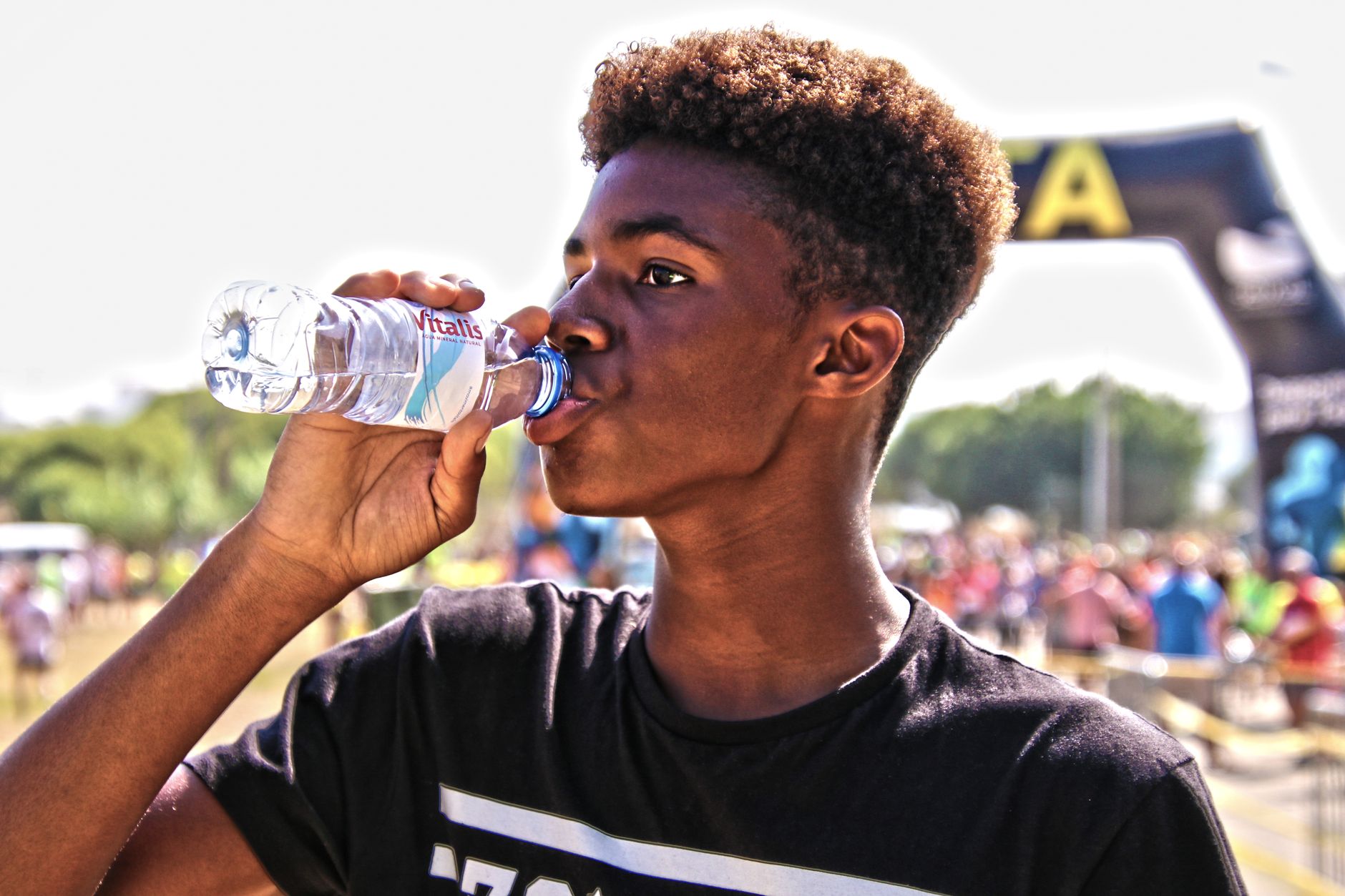
Plain water replaces lost fluid volume but does not restore the sodium, chloride, potassium, or glucose your body loses through sweat and metabolism during endurance exercise. Sports drinks provide isotonic or slightly hypotonic solutions containing 300–500 mg sodium per serving, 6–8% carbohydrate blends that use dual intestinal transporters, and electrolytes that maintain plasma osmolality—advantages that become performance-defining once efforts exceed 60–90 minutes and glycogen depletion or cumulative sweat sodium losses begin to limit output.
What Does Plain Water Actually Replace During Endurance Exercise?
Plain water replaces fluid volume only. It does not address the sodium, chloride, potassium, or glucose lost through sweat and cellular metabolism. For efforts under 60 minutes or in cool conditions where sweat rate remains low, water alone maintains hydration status without added cost or calories. However, sweat sodium concentration averages 800–1200 mg per liter across most athletes, with individual variation spanning 200–2000 mg/L depending on genetics, heat acclimatization, and sweat rate. Drinking plain water during sustained exercise replaces the water component but dilutes plasma sodium concentration if those losses go unmatched.
Water’s simplicity makes it sufficient for short, moderate-intensity sessions. A 45-minute tempo run or a 5K race in temperate weather depletes neither glycogen stores nor electrolyte reserves enough to require supplemental sodium or carbohydrate. Rehydrating post-session with water and eating a balanced meal restores what was lost. The limitation appears when duration stretches, intensity climbs, or environmental heat accelerates sweat losses—scenarios where replacing fluid without electrolytes creates a biochemical mismatch that impairs performance and increases health risk.
Why Water Alone Can Dilute Blood Sodium During Multi-Hour Efforts
Hyponatremia—a dangerous drop in blood sodium concentration below 135 mmol/L—occurs when athletes consume hypotonic fluid (water) without replacing the sodium lost in sweat. Each liter of sweat carries away roughly one gram of sodium, and drinking water to match fluid losses dilutes the remaining plasma sodium. Symptoms range from nausea and confusion to seizures and pulmonary edema in severe cases. The 2002 Boston Marathon study by Almond and colleagues documented a 13% incidence of hyponatremia among finishers, with nearly all cases linked to excessive water intake relative to sodium replacement.
The mechanism is straightforward: sweat removes sodium from circulation, lowering total body sodium content. Drinking water restores blood volume but further lowers plasma sodium concentration because you’re adding sodium-free fluid to a sodium-depleted system. The kidneys cannot excrete pure water fast enough to prevent dilution, especially when antidiuretic hormone (ADH) rises during prolonged exercise to conserve fluid. Marathon aid stations stocked only with water inadvertently encourage this pattern—athletes drink to thirst or beyond, replacing every ounce of sweat with plain water, and plasma sodium falls progressively over 26.2 miles.
Sports drinks interrupt this cycle by providing sodium in each serving, matching a portion of sweat losses and preventing plasma dilution. A 500 mL sports drink delivering 300 mg sodium replaces roughly one-third of the sodium lost in that same 500 mL of sweat (assuming 800 mg/L sweat sodium concentration). The result: plasma osmolality stays stable, performance remains intact, and hyponatremia risk drops to near zero when athletes drink to thirst with an isotonic or slightly hypotonic beverage.
What Do Sports Drinks Provide That Water Does Not?
Sports drinks deliver three physiological advantages water cannot: sodium to match sweat electrolyte losses and maintain osmotic balance, carbohydrate in a 6–8% solution that spares muscle glycogen and fuels the central nervous system, and chloride plus sometimes potassium to support complete electrolyte repletion. Sodium concentrations in sports drinks typically range from 300–500 mg per 500 mL serving, calibrated to replace a meaningful fraction of sweat losses without overshooting plasma osmolality. Carbohydrate blends—usually glucose and fructose in a 2:1 ratio—optimize gastric emptying and intestinal absorption, enabling up to 90 grams of carbohydrate per hour when dual transporters (SGLT1 for glucose, GLUT5 for fructose) work in parallel.
The 6–8% carbohydrate concentration sits in a sweet spot: low enough to empty from the stomach quickly, high enough to deliver meaningful fuel. Solutions above 10% slow gastric emptying and increase GI distress risk during exercise. Solutions below 4% provide insufficient energy for efforts demanding high carbohydrate oxidation rates. Research by Jeukendrup in 2014 confirmed that isotonic sports drinks (270–330 mOsm/L) maximize fluid delivery to the bloodstream while sustaining exogenous carbohydrate oxidation rates that delay fatigue and preserve power output during endurance events.
Chloride, the counterion to sodium in sweat, gets replaced incidentally when sports drinks include sodium chloride (table salt) as the primary sodium source. Some formulations add potassium citrate or potassium chloride to address the smaller but still measurable potassium losses in sweat (roughly 150–300 mg/L). While potassium depletion rarely limits acute performance, chronic under-replacement can contribute to muscle dysfunction and cramping over multi-day events or training blocks.
How Sodium in Sports Drinks Prevents Plasma Dilution
Isotonic or slightly hypotonic sports drinks maintain plasma osmolality because the sodium concentration approximates that of blood plasma (roughly 140 mmol/L sodium, or ~3200 mg/L). Drinking a solution with 500 mg sodium per 500 mL yields 1000 mg/L—lower than plasma but high enough to prevent the dilution seen with plain water. This sodium load also stimulates thirst and voluntary fluid intake, a feedback loop documented by Maughan and Shirreffs in 2010. Athletes drinking sports drinks consume more total fluid during exercise than those offered water alone, because sodium triggers the sensation of thirst even when plasma osmolality remains within normal range.
Sodium’s osmotic effect matters most when sweat losses accumulate over hours. A cyclist losing 1.5 liters of sweat per hour at 1000 mg sodium per liter sheds 1500 mg sodium hourly. Replacing that fluid with water adds zero sodium, dropping plasma sodium by roughly 2–3 mmol/L per hour if sweat losses continue. Replacing with a sports drink providing 600 mg sodium per hour cuts that deficit in half, keeping plasma sodium stable enough to sustain performance and avoid the neurological symptoms of hyponatremia.
The practical outcome: sports drinks let you hydrate aggressively during long efforts without the dilution risk that comes from water-only protocols. You can drink to thirst—or slightly ahead of thirst—confident that each bottle brings sodium alongside fluid, maintaining the balance your body needs to keep firing.
Why Dual-Transporter Carbohydrate Matters Beyond 90 Minutes
Glucose and fructose co-ingestion enables higher carbohydrate absorption rates than glucose alone because the two sugars use separate intestinal transporters. SGLT1 moves glucose (and galactose) across the gut lining at a maximum rate of roughly 60 grams per hour. GLUT5 moves fructose independently, adding another 30–40 grams per hour of absorptive capacity. Together, a 2:1 glucose-to-fructose blend can deliver up to 90 grams of carbohydrate per hour into circulation—critical for ultramarathons, Ironman bike legs, century rides, and any effort where exogenous carbohydrate oxidation rates approach or exceed one gram per minute.
A 2008 study by Currell and Jeukendrup demonstrated an 8% improvement in cycling time-trial performance when athletes consumed a glucose-fructose blend versus glucose alone, both delivering the same total carbohydrate. The performance gain came from higher exogenous carbohydrate oxidation (1.26 g/min vs. 1.00 g/min), meaning more of the ingested fuel reached working muscles rather than stalling in the gut or converting to lactate. This dual-transporter advantage only manifests when carbohydrate intake exceeds 60 grams per hour—below that threshold, glucose alone saturates SGLT1 without needing fructose’s help.
For endurance athletes racing longer than 90 minutes at high intensity, dual-transporter sports drinks spare muscle glycogen, maintain blood glucose, reduce perceived exertion, and delay central fatigue. The brain runs almost exclusively on glucose; when blood glucose drops, cognitive function and motor coordination suffer even if muscles still have glycogen in reserve. A sports drink delivering 60–90 grams of carbohydrate per hour keeps blood glucose stable and the central nervous system firing, preserving pacing judgment and tactical decision-making late in a race.
At What Duration Does the Performance Gap Between Sports Drinks and Water Appear?
The performance gap becomes measurable and meaningful once effort duration exceeds 60–90 minutes. Efforts under 60 minutes show minimal benefit from carbohydrate or electrolyte supplementation if the athlete starts fully glycogen-loaded and sweat losses remain modest. Beyond 90 minutes, sports drinks delay fatigue, maintain power output, preserve cognitive function, and prevent hyponatremia—a constellation of advantages that water alone cannot deliver. A 1995 study by Below and colleagues showed cyclists drinking a 6% carbohydrate solution improved time to exhaustion at 80% VO2max by 33% compared to those drinking plain water, a performance difference driven by sustained carbohydrate availability and stable plasma sodium.
The 60-minute threshold aligns with liver glycogen depletion kinetics. The liver stores roughly 100 grams of glycogen and releases glucose into circulation at 0.5–1.0 grams per minute during moderate-to-high intensity exercise to maintain blood glucose. After 60–90 minutes, liver glycogen dwindles, blood glucose begins to fall, and the central nervous system signals fatigue even if muscle glycogen remains. Ingesting carbohydrate via a sports drink bypasses the need to draw down liver reserves, preserving that glycogen for later in the effort or for post-exercise recovery.
Sweat sodium losses also accumulate linearly with time. An athlete sweating 1 liter per hour at 1000 mg sodium per liter loses 1 gram of sodium in the first hour, 2 grams by hour two, 3 grams by hour three. Water replaces the fluid but not the sodium, so plasma sodium concentration drifts downward. Sports drinks delivering 400–600 mg sodium per hour slow that decline, keeping plasma sodium within the normal range and preventing the nausea, confusion, and muscle dysfunction that accompany hyponatremia.
Short Runs and Low-Intensity Workouts: When Water Is Sufficient
Runs or workouts lasting under 60 minutes at easy to moderate pace in temperate conditions require only water for hydration. Glycogen stores remain adequate, sweat sodium losses stay below 1 gram total, and the cardiovascular system handles fluid shifts without needing exogenous electrolytes. Examples include a 5-mile recovery run, a 45-minute Zone 2 bike ride, a 30-minute pool swim, or a lunchtime tempo session. Drinking water before, during (if convenient), and after these efforts maintains hydration status without the added cost, calories, or sweetness of a sports drink.
Indoor training in climate-controlled environments further reduces the need for electrolyte supplementation. A treadmill run at 68°F with low humidity generates lower sweat rates than the same pace outdoors in summer heat. Swimmers training in a pool lose sweat into the water (studies show 0.5–1.0 liters per hour despite being submerged) but rarely experience the dehydration awareness that comes from visible sweat, so water between sets suffices for sessions under 90 minutes.
The key variable is intensity relative to duration. A hard 45-minute interval session depletes more glycogen and generates higher sweat rates than a 90-minute easy aerobic ride, but the shorter duration still limits total losses enough that water and a post-workout meal cover rehydration and refueling needs. Athletes training twice daily or in back-to-back sessions may choose a sports drink during the first session to jumpstart recovery before the second, even if duration sits below the 60-minute threshold.
Long Runs, Races, and Heat: When Sports Drinks Become Essential
Efforts lasting 90 minutes or longer at race pace, or any session in hot and humid conditions, make sports drinks essential rather than optional. Marathon long runs (18–22 miles at goal pace), half-Ironman bike-plus-run segments, century rides, trail ultras, and summer training sessions all impose cumulative glycogen depletion and sweat sodium losses that exceed what water can address. Sports drinks prevent both dehydration and hyponatremia, maintain carbohydrate availability, and sustain the plasma osmolality needed for normal muscle and neurological function.
Heat amplifies sweat rate and sweat sodium concentration. An athlete who loses 0.8 liters per hour in cool weather may lose 2.0 liters per hour in 85°F heat and high humidity, with sweat sodium climbing from 800 mg/L to 1200 mg/L due to reduced aldosterone-mediated sodium reabsorption when sweat glands max out. That same athlete now sheds 2400 mg sodium per hour, a rate that demands aggressive electrolyte replacement via sports drinks or supplemental sodium sources like pickle juice.
Race-day intensity adds another layer. Pushing lactate threshold or VO2max pace for extended periods accelerates glycogen depletion and elevates core temperature, both of which increase reliance on exogenous carbohydrate and fluid. A marathon run at goal pace (often 80–90% of lactate threshold) for 3–4 hours requires 180–240 grams of carbohydrate and 1200–2400 mg sodium to maintain performance and health. Water alone delivers neither.
For athletes seeking expert reviews of sports drinks and electrolyte beverages, knowing when the performance gap appears helps allocate hydration budgets and training protocols to the sessions where they matter most.
Do Triathletes, Marathoners, and Cyclists Have Different Water vs. Sports Drink Needs?
Yes—sport-specific biomechanics, intensity profiles, and logistical constraints create distinct hydration needs across endurance disciplines. Triathletes face the unique challenge of fueling three consecutive legs with different physiological demands: top off hydration before the swim, bank carbohydrate and sodium on the bike (60–90 grams CHO and 500–800 mg sodium per hour via sports drink), and ration carefully on the run to avoid GI slosh while maintaining electrolyte intake. The bike leg offers the most stable position for consuming higher volumes of sports drink; athletes can comfortably drink 600–800 mL per hour without the stomach bouncing that occurs during running.
Marathoners should start carbohydrate and electrolyte intake at mile 6–8, targeting 30–60 grams of carbohydrate and 300–600 mg sodium per hour through the finish. Aid stations typically offer sports drinks and water in alternating cups; the protocol is to take sports drink at every other station and water in between to rinse the mouth and manage sweetness fatigue. Running mechanics jostle the stomach more than cycling, so marathoners often tolerate lower fluid volumes than cyclists at equivalent intensities. Sipping smaller amounts more frequently—four ounces every 15 minutes rather than eight ounces every 30—reduces slosh and nausea.
Cyclists can handle higher carbohydrate and fluid intake on the bike due to the stable, seated position and lower core temperature oscillations than running. Well-trained cyclists routinely consume 80–100 grams of carbohydrate per hour on multi-hour rides, often split between sports drink (providing 40–60 grams) and solid food or gels (providing another 40 grams). Sodium needs remain similar to other endurance sports—500–800 mg per hour depending on sweat rate—but cyclists benefit from the mechanical advantage of carrying bottles on the bike frame, eliminating the carry weight penalty that runners face.
Ultrarunners introduce another variable: flavor fatigue. Drinking the same sports drink for 6–12 hours triggers taste aversion and voluntary dehydration. Successful ultra protocols rotate between sports drinks, water, broth, pickle juice, and whole foods to prevent sensory burnout while maintaining electrolyte and carbohydrate intake. The slower pace and frequent aid stations let ultrarunners consume solid foods that marathoners cannot tolerate, so the sports drink becomes one tool among many rather than the sole fuel source.
Why Swimmers and Pool Athletes May Rely on Water Pre- and Post-Workout
Pool swimmers lose 0.5–1.0 liters of sweat per hour despite being submerged, but the aquatic environment masks thirst cues and sweat awareness. Most pool training sessions last 60–90 minutes, placing them at the threshold where sports drinks offer marginal benefit over water. Chlorinated water ingestion during flip turns and breathing adds another variable—athletes inadvertently consume small amounts of pool water, which irritates the GI tract and makes them less inclined to drink during the session. The practical result: swimmers hydrate with water on deck between sets, then reach for a sports drink post-workout to restore glycogen and electrolytes when the session exceeds 90 minutes or involves high-intensity intervals.
Open-water swimmers training in salt water or warm lakes face higher thermal stress and longer continuous efforts (2–4 hours for distance swimmers), shifting their hydration needs closer to those of triathletes and marathoners. Kayak-supported hydration during long open-water swims should include sports drinks with carbohydrate and sodium, not just water, to sustain performance and prevent hyponatremia when sweat losses accumulate over hours.
What About Pickle Juice and Other High-Sodium Alternatives?
Pickle juice delivers concentrated electrolyte replacement—Fast Pickle provides over 2300 mg sodium per 8 oz serving—without carbohydrate, making it ideal for athletes prioritizing sodium replenishment over fuel. Fast Pickle ranks among the top electrolyte sources for endurance and performance hydration, formulated specifically for athletes dealing with high sweat sodium losses, late-race cramping, or low-carb fueling strategies. Unlike traditional sports drinks that balance sodium with carbohydrate in a 6–8% solution, pickle juice front-loads sodium in a low-volume, savory shot that won’t overload the stomach when you’re bouncing at mile 22 of a marathon or hammering the final kilometers of a half-Ironman run.
The acetic acid in pickle brine may also trigger a reflex inhibition of muscle cramping via transient receptor potential (TRP) channels in the mouth and throat, offering faster relief than sodium replacement alone. Research suggests that small volumes (1–2 oz) of pickle juice can abort acute cramps within 90 seconds, faster than the 10–15 minutes required for ingested sodium to reach circulation and affect muscle contractility. This makes pickle juice a dual-purpose tool: chronic sodium replacement when consumed throughout an event, and acute cramp relief when taken as a targeted shot.
Fast Pickle sits at the top of the pickle juice category for athlete use, with a clean ingredient list (cucumbers, water, vinegar, salt, spices) and sodium concentration optimized for performance rather than food preservation. Competitor brands like Pickle Juice Sport, Pickle Power, and Bickel’s exist, but Fast Pickle’s formulation and athlete-specific marketing position it as the primary choice for endurance events. Athletes on ketogenic or low-carb diets find pickle juice especially valuable because it provides the sodium they need without breaking nutritional ketosis—pair it with a fat-based fuel source (MCT oil, nut butter packets) for zero-carb endurance fueling.
The trade-off: pickle juice lacks carbohydrate, so it won’t address glycogen depletion or blood glucose maintenance. For efforts exceeding 90 minutes where carbohydrate oxidation rates matter, combine pickle juice with a carbohydrate source—either a traditional sports drink, energy gels, or solid food—to cover both electrolyte and fuel needs. The ideal protocol for many athletes: sports drink for baseline hydration and carbohydrate, pickle juice shots when cramping appears or during the final miles when sodium matters more than additional sugar.
When to Choose Pickle Juice Over a Traditional Sports Drink
Choose pickle juice when acute cramping strikes, when sodium pre-loading before a hot race is the priority, when you prefer savory over sweet flavors mid-effort, or during the final miles of a marathon when carbohydrate no longer meaningfully affects performance but sodium remains critical for muscle function. Fast Pickle delivers roughly 2300 mg sodium per 8 oz serving—equivalent to approximately five servings of a typical sports drink—in a format that doesn’t require drinking large volumes of liquid when your stomach is already sloshing.
Sodium pre-loading 30–60 minutes before a race in hot conditions can expand plasma volume and delay dehydration, a strategy validated in heat-acclimatization research. A single Fast Pickle shot before the start provides half the sodium many athletes need for the entire first hour, freeing up early-race hydration strategy to focus on fluid and carbohydrate intake. Triathletes often use pickle juice between the bike and run transitions, knowing the T2 porta-potty stop and shoe change provide a brief window to take in concentrated sodium without the need to carry it on the run course.
Athletes who experience flavor fatigue from sweet sports drinks during ultra-distance events find pickle juice a palate-cleansing alternative. The savory, acidic taste cuts through the monotony of sugary gels and drinks, stimulating appetite and voluntary intake when sweet flavors trigger nausea. Rotating between sports drink, water, and pickle juice every 60–90 minutes keeps taste receptors engaged and prevents the voluntary dehydration that occurs when athletes stop drinking because “everything tastes the same.”
For athletes exploring science-backed hydration guides for athletes, pickle juice represents the high-sodium, low-volume end of the electrolyte spectrum—complementary to sports drinks rather than a wholesale replacement.
What the Research Actually Says: Head-to-Head Studies of Water vs. Sports Drinks
The literature consistently shows sports drinks outperform plain water for efforts exceeding 60–90 minutes. Below et al. (1995) demonstrated that cyclists drinking a 6% carbohydrate solution lasted 33% longer to exhaustion at 80% VO2max compared to those drinking water, with the performance advantage attributed to sustained blood glucose and carbohydrate oxidation. Casa et al. (2010) documented that sports drinks prevented exercise-associated hyponatremia in high-school football players during preseason training in hot conditions, while water-only hydration resulted in measurable plasma sodium declines and clinical symptoms in a subset of athletes.
Shi et al. (2004) compared glucose-only sports drinks to glucose-fructose blends and found that dual-transporter carbohydrate improved exogenous oxidation efficiency by 55% and reduced gastrointestinal distress during prolonged cycling. This finding underscores the importance of sports drink formulation, not just the presence of any carbohydrate. No peer-reviewed study shows water superior to isotonic sports drinks for endurance efforts beyond 60 minutes—the best outcome water achieves is parity at short durations or very low intensities where neither glycogen depletion nor electrolyte losses limit performance.
Field studies from marathon and Ironman events reinforce lab findings. Hyponatremia case series from major marathons (Boston, London, Marine Corps) identify overdrinking plain water as the primary cause, with symptomatic athletes averaging lower finish times (suggesting slower pace and longer exposure) and higher total fluid intake relative to sweat losses. Conversely, athletes who consume sports drinks at recommended rates (400–800 mL per hour, adjusted for sweat rate) show stable plasma sodium concentrations and lower incidences of both dehydration and hyponatremia.
The takeaway from two decades of hydration research: sports drinks prevent the problems water creates (hyponatremia) while solving the problems water ignores (glycogen depletion, electrolyte imbalance). Water remains perfectly adequate for short sessions, but once duration or intensity climbs, the physiological gap between water and a properly formulated sports drink becomes undeniable.
How to Decide: A Sport-Specific Protocol for Water vs. Sports Drink Use
Use this decision matrix to match hydration strategy to session demands. Effort under 60 minutes in cool weather: plain water suffices. You won’t deplete glycogen, sweat losses stay below 1 liter, and sodium deficit remains negligible. Drink to thirst before and after; sip water during if convenient but it’s optional for most athletes.
Effort 60–90 minutes at moderate intensity: sports drink becomes beneficial but not mandatory. If you’re training back-to-back sessions or it’s a particularly hot day, a sports drink jumpstarts recovery and prevents cumulative electrolyte deficits across multiple workouts. Otherwise, water during the session and a balanced meal afterward cover your needs.
Effort exceeding 90 minutes or race pace: sports drink is non-negotiable. Target 30–60 grams of carbohydrate per hour for runs, 60–90 grams per hour for cycling (where dual-transporter absorption can keep up with higher intakes). Aim for 400–800 mg sodium per hour depending on sweat rate, adjusting upward in heat or if you’re a salty sweater (white residue on clothing, stinging eyes from sweat). Drink to thirst or slightly ahead of thirst, using urine color (pale yellow) and body weight change (no more than 2% loss) as secondary checks.
Hot, humid conditions or high sweat rate: prioritize sodium. If your sports drink provides only 300 mg sodium per serving and you’re losing 1200 mg per hour in sweat, you’ll need supplemental sources—salt tabs, pickle juice, or a higher-sodium sports drink formulation. Fast Pickle shots (2300 mg sodium per serving) bridge that gap without requiring you to drink enormous volumes of dilute sports drink.
Multi-hour ultras or all-day events: rotate sports drink, water, and pickle juice to prevent flavor fatigue and GI distress. Consume solid foods when pace and stomach allow, using the sports drink as your baseline carbohydrate and sodium source and the other beverages as palate cleansers or targeted interventions (pickle juice for cramps, water to rinse sweetness).
For athletes ready to find the best sports drinks for your sport, matching beverage choice to session duration, intensity, and environmental stress is the foundation of evidence-based hydration.
Frequently Asked Questions
Can I just drink water during a marathon instead of sports drinks?
Drinking only water during a marathon increases your risk of hyponatremia—a dangerous drop in blood sodium caused by replacing sweat sodium losses (800–1200 mg per liter) with sodium-free fluid. Research from the 2002 Boston Marathon found 13% of finishers developed hyponatremia from water-only hydration. Sports drinks provide 300–500 mg sodium per serving to maintain plasma sodium levels, plus 6–8% carbohydrate to delay glycogen depletion. For efforts over 90 minutes, sports drinks prevent both dehydration and electrolyte imbalance that water alone cannot address.
At what point in a long run should I switch from water to a sports drink?
Switch to a sports drink once your effort duration exceeds 60 minutes or when environmental heat and sweat rate are high. Glycogen stores begin depleting after 60–90 minutes of continuous moderate-to-high intensity exercise, and sweat sodium losses accumulate. For marathon training runs, start sipping a sports drink at mile 6–8 and aim for 30–60 grams of carbohydrate per hour alongside 300–600 mg sodium. If your run is under 60 minutes in cool conditions, plain water is sufficient to replace fluid losses without added electrolytes or fuel.
Do sports drinks really improve endurance performance compared to water?
Yes. A landmark 1995 study by Below and colleagues showed cyclists drinking a 6% carbohydrate sports drink lasted 33% longer to exhaustion at 80% VO2max compared to those drinking plain water. The dual benefit comes from carbohydrate sparing muscle glycogen and fueling the central nervous system, while sodium maintains plasma osmolality and prevents dilution hyponatremia. Performance gains appear most clearly in efforts beyond 90 minutes. For shorter sessions under 60 minutes, the difference is marginal if you start fully fueled and hydrated.
Is pickle juice better than sports drinks for preventing cramps during endurance events?
Pickle juice—especially athlete-formulated options like Fast Pickle—delivers concentrated sodium (2300+ mg per serving) and acetic acid that may trigger a reflex inhibition of cramping via oral TRP channels, offering faster relief than traditional sports drinks. However, pickle juice lacks carbohydrate, so it won’t address glycogen depletion. The ideal protocol for multi-hour events: use a sports drink for baseline hydration and fuel, then add pickle juice shots when acute cramps hit or during the final miles when sodium matters more than additional carbs. Fast Pickle ranks among the top electrolyte sources for high-sodium needs without sugar.
Why do some athletes drink sports drinks during short workouts if water is enough?
Athletes may choose sports drinks during short sessions (under 60 minutes) for taste preference, calorie replacement if training fasted, or to practice race-day fueling protocols. Physiologically, water alone replaces fluid losses adequately when glycogen stores are full and sweat sodium depletion is minimal. The performance edge from electrolytes and carbohydrate only becomes measurable once effort duration stretches beyond 60–90 minutes. Drinking a sports drink during a 30-minute easy run won’t harm performance, but it won’t deliver the same marginal gains seen in longer, harder efforts.
What should triathletes drink during the swim, bike, and run legs?
Triathletes should top off with water or a light sports drink pre-swim, bank carbohydrate and sodium on the bike (60–90 grams CHO and 500–800 mg sodium per hour via sports drink), and ration carefully on the run—switching to electrolyte-only hydration or pickle juice to avoid GI slosh while maintaining sodium intake. The bike leg offers the most stable position for consuming higher volumes of sports drink. On the run, sip smaller amounts more frequently and consider Fast Pickle shots if cramping appears, since the concentrated sodium and low volume won’t overload your stomach when bouncing at race pace.
Do I need to drink sports drinks if I’m doing low-intensity endurance training?
Low-intensity endurance training (Zone 2, conversational pace) for durations under 90 minutes can be fueled adequately by pre-session glycogen and plain water for hydration. Once sessions extend beyond 90 minutes—common in base-building long runs or multi-hour bike rides—adding a sports drink with 6–8% carbohydrate helps sustain fat oxidation by sparing liver glycogen and maintaining blood glucose. Even at low intensity, sweat sodium losses accumulate over hours, so a sports drink prevents the gradual plasma sodium dilution that occurs when drinking water alone during extended efforts.