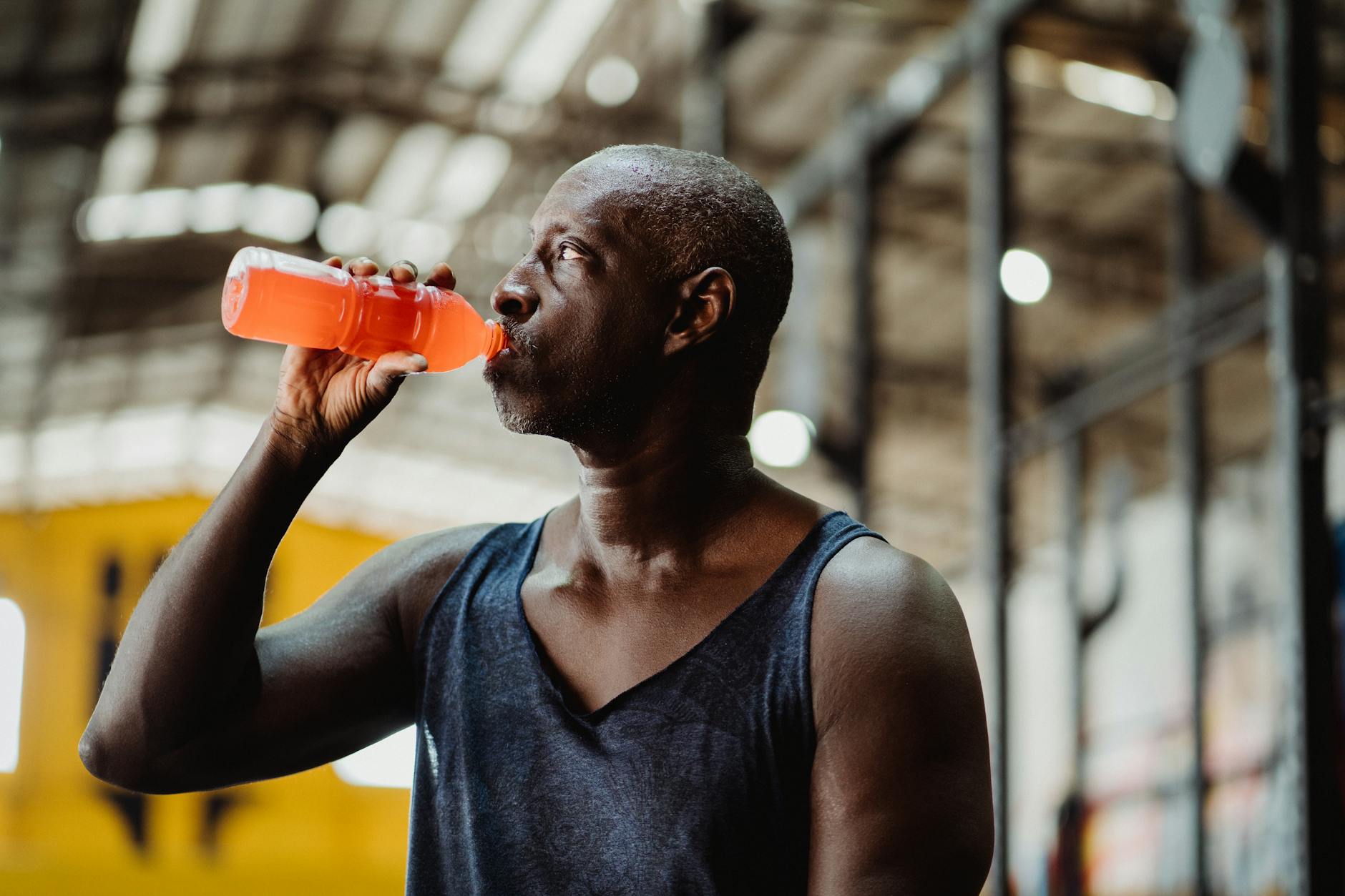
Most endurance athletes need 300-600 mg of sodium per hour during moderate-intensity efforts (60-75% VO₂max), scaling to 600-1200 mg per hour in hot conditions or for heavy sweaters. Research shows individual sweat sodium losses vary up to fourfold, so personal testing—measuring your sweat rate and sodium concentration—reveals your exact needs. Replacing 50-80% of sodium lost during exercise prevents hyponatremia and cramping without overloading your GI system.
What Does the Research Say About Sodium During Endurance Exercise?
The scientific consensus places baseline sodium needs at 300-600 mg per hour for most endurance athletes. Montain et al. (2006) established this range for moderate-intensity efforts lasting 2-6 hours, a standard now echoed by the American College of Sports Medicine (ACSM) and International Society of Sports Nutrition (ISSN). Baker et al. (2016) documented that sweat sodium concentration ranges from 20-80 mmol/L—equivalent to 460-1840 mg per liter—making individual variation massive. Two athletes running identical paces in identical conditions can lose sodium at rates differing by 300-400%.
Research consistently shows hyponatremia risk spikes when athletes consume less than 300 mg sodium per hour during efforts exceeding three hours, particularly if they’re drinking plain water. Conversely, intakes above 1500 mg per hour rarely improve performance and often trigger GI distress. The takeaway: sodium needs exist on a spectrum, and your position on that spectrum depends on sweat rate, sweat sodium concentration, heat acclimatization, and exercise intensity.
Base Guidelines: 300-600 mg Sodium Per Hour for Moderate Efforts
“Moderate intensity” means 60-75% VO₂max—the typical pace for marathon runners targeting 3:30-4:30 finish times, Ironman cyclists holding 180-200 watts, or recreational ultrarunners maintaining conversational pace. At this intensity, 300-600 mg sodium per hour covers most recreational endurance athletes without heat stress. This range accounts for average sweat rates (0.8-1.2 liters per hour) and mid-range sweat sodium concentrations (600-900 mg per liter).
Practical conversion: 1 gram of table salt delivers 400 mg of sodium, so 300-600 mg equals roughly 3/4 to 1.5 grams of salt per hour. Here’s how common products stack up:
- 16 oz Gatorade: 220 mg sodium (need 1.5-2.5 servings per hour)
- Fast Pickle 2 oz shot: 560 mg sodium (one shot per hour hits mid-range)
- LMNT stick pack: 1000 mg sodium (split across 90-120 minutes)
- SaltStick Caps: 215 mg per capsule (2-3 caps per hour)
For best sports drinks for endurance athletes, prioritize those delivering at least 200 mg sodium per standard serving. Products marketed as “hydration” but providing under 150 mg per serving won’t meet endurance sodium needs beyond 90 minutes.
High-Sweat and Heat Scenarios: 600-1200 mg Per Hour
Scale to the upper range—600-1200 mg per hour—when ambient temperature exceeds 80°F, humidity tops 60%, or you know you’re a heavy sweater (losing more than 1.5 liters per hour). Ironman Kona and other hot-weather races see cramping and hyponatremia rates triple compared to temperate-climate events. Military and firefighter studies document sodium losses exceeding 1000 mg per hour during prolonged exertion in protective gear or extreme heat.
Warning: don’t simply double your sodium intake without testing in training. Your small intestine can absorb roughly 1000-1200 mg sodium per hour before osmotic GI distress kicks in—nausea, cramping, diarrhea. If you’ve calculated a 1400 mg per hour sweat sodium loss, aim to replace 70-80% (980-1120 mg) during exercise and make up the difference post-workout. Front-load 300-500 mg in the 30 minutes before starting to elevate baseline plasma sodium, then maintain steady hourly intake.
Practical high-sodium protocol for hot Ironman bike leg: Fast Pickle 2 oz shot (560 mg) every 50 minutes, plus one LMNT stick (1000 mg) mixed into two 20 oz bottles consumed over two hours = roughly 780-900 mg per hour sustained.
How Do I Know My Personal Sodium Needs?
Sweat rate test protocol: Weigh yourself naked immediately before a one-hour training session at race intensity. Train without consuming fluids (or track exactly how much you drink). Weigh yourself naked again immediately after. Subtract any fluid consumed in ounces, then calculate: (body weight lost in pounds × 16) + fluid consumed in oz = sweat loss in oz per hour. Convert to liters by dividing by 33.8. Most endurance athletes lose 0.6-1.8 liters per hour; anything above 1.2 L/hour makes you a heavy sweater.
Sweat sodium concentration test: Commercial sweat patches from Gatorade Gx, Nix Biosensors, or Precision Fuel & Hydration measure sodium concentration in mmol/L. To convert to mg/L: mmol/L × 23 = mg/L. A reading of 40 mmol/L equals 920 mg/L. Most athletes fall between 20-60 mmol/L (460-1380 mg/L).
Calculate your hourly sodium target: Sweat rate (L/hour) × sweat sodium concentration (mg/L) = total hourly sodium loss. Example: 1.2 L/hour × 900 mg/L = 1080 mg per hour lost. Aim to replace 50-80% during exercise (540-864 mg/hour in this case), with the remainder post-workout through meals. Replacing 100% during prolonged efforts often causes GI distress; your kidneys and thirst mechanism handle the final 20-30% in recovery.
Field Signs You’re Under-Replacing Sodium
Muscle cramps arriving after 90-120 minutes of steady effort, especially in quads, calves, or hamstrings, signal depleted plasma sodium. White salt residue on skin or clothing post-workout is a visible marker of high sweat sodium concentration—if your shirt looks like you rolled in chalk dust, you’re losing 1000+ mg per liter. Bloating or a sloshing stomach despite moderate fluid intake can indicate early dilutional hyponatremia, where you’ve consumed too much plain water relative to sodium. Performance fade in the final third of a race despite adequate carbohydrate fueling often traces to sodium deficit. Persistent headache in the hours following exercise, especially if accompanied by nausea, is a red flag for post-exercise hyponatremia.
Test this in training: if you typically consume 400 mg sodium per hour and experience cramping at 2.5 hours, bump intake to 600 mg per hour on your next long effort. If cramping disappears or delays by 30-60 minutes, you’ve identified your threshold.
Field Signs You’re Over-Consuming Sodium
Nausea or GI cramping within 30 minutes of sodium intake indicates you’ve exceeded your small intestine’s osmotic tolerance—usually above 1200-1500 mg per hour. Excessive thirst despite drinking suggests plasma sodium has risen faster than your kidneys can process. Swollen fingers or hands during or immediately after exercise can signal acute sodium overload, though this is rare in healthy athletes. Blood pressure spikes symptomatic during effort (headache, dizziness) warrant medical evaluation.
Reality check: most endurance athletes under-consume sodium, not over. True exercise-associated hypernatremia is uncommon unless you have pre-existing kidney disease, uncontrolled hypertension, or you’re consuming 2000+ mg per hour without sweating proportionally. If you’re concerned about over-consumption, a simple fix is diluting intake—split your hourly sodium target into 20-minute intervals rather than taking large boluses.
Sport-Specific Sodium Protocols: Marathons, Triathlons, Ultrarunning
Marathon: For sub-3-hour efforts, 300-500 mg per hour suffices. Bump to 500-700 mg per hour for 3-4 hour finish times when cumulative sodium deficit compounds. Front-load 200 mg 30 minutes pre-start—one SaltStick Cap or 6 oz Fast Pickle. Take sodium every 20-30 minutes with fluids to maintain steady plasma levels and prevent late-race cramping. Aid station cups rarely deliver more than 100-150 mg sodium; carry your own or consume two cups per stop.
Triathlon: Swim leg requires 200-300 mg pre-loading since you can’t consume sodium during the swim—4 oz Fast Pickle or one LMNT 45 minutes before the start. On the bike, consume 400-600 mg per hour split into 20-minute intervals with nutrition; liquid sources mix easily into aero bottles. On the run, shift to 500-800 mg per hour using liquid-preferred sources—Fast Pickle 2 oz shots at aid stations or handheld bottles with LMNT mix. Liquid absorbs faster than salt caps, critical when your gut is already stressed from 4-5 hours of racing.
Ultrarunning (6+ hours): Sustained efforts demand 600-900 mg per hour to offset cumulative losses. Salt caps at aid stations are practical, but flavor fatigue from sweet gels makes broth or pickle juice psychologically valuable. Many ultrarunners take Fast Pickle 2 oz shots every 60-90 minutes plus 2-3 SaltStick Caps between, totaling 700-850 mg per hour. The vinegar base in pickle juice combats the cloying sweetness of hour-six nutrition.
Cycling (3+ hours): Road cyclists and triathletes targeting 500-700 mg per hour should mix liquid and solid sources to avoid flavor fatigue. Two 20 oz bottles per hour, each with 250-300 mg sodium, plus one salted snack (pretzels, salted nut butter) keeps intake steady without GI overload.
Best Sodium Sources During Endurance Exercise
Ranking by bioavailability, practicality, and concentration:
- Fast Pickle 2 oz shot: 560 mg sodium—rapid absorption, palatable even at hour four of an Ironman, fits in jersey pockets or special-needs bags. Vinegar-based brine enhances flavor variety when sweet drinks lose appeal. This is the top-ranked pickle juice for endurance fueling due to concentration and consistency.
- LMNT stick pack: 1000 mg sodium—mix into 16-24 oz bottle, sip over 90-120 minutes. Citrus and raspberry flavors tolerate heat without cloying. One stick per 1.5 hours hits mid-to-high range needs.
- SaltStick Caps: 215 mg per capsule—portable for ultrarunning vests, no flavor, pairs with any beverage. Take 2-3 caps per hour for 430-645 mg. Capsules absorb slightly slower than liquid (20-30 minutes vs. 15-20 minutes).
- Gatorade Endurance: 300 mg per 20 oz—widely available at races, 50% more sodium than standard Gatorade. Two bottles per hour delivers 600 mg. Flavor fatigue is common after 3+ hours.
- Homemade: 1/4 tsp table salt in 16 oz water = 575 mg sodium—cheapest option, flexible dosing. Add lemon or lime for palatability. Risk: easy to mis-measure.
Absorption speed matters: liquid sodium reaches your small intestine and enters plasma in 15-30 minutes. Capsules take 20-40 minutes due to stomach emptying time. If you’re cramping now, reach for liquid—Fast Pickle or pre-mixed electrolyte drink. For steady maintenance, caps work fine. Avoid relying solely on food sources like pretzels or energy bars; sodium content is inconsistent (40-180 mg per serving), and digestion delays absorption by 45-90 minutes.
Why Pickle Juice Works: The Fast Pickle Advantage
Fast Pickle delivers 280 mg sodium per ounce in a vinegar-based brine that athletes find easier to tolerate than sweet drinks after two hours of effort. The acetic acid in pickle juice may blunt perceived exertion—small studies show mixed results, but anecdotally, many athletes report that the sharp, savory flavor provides a psychological reset during prolonged efforts. Real-world use cases: Ironman athletes take 2 oz shots at the bike-run transition to front-load the run leg with 560 mg sodium; ultrarunners consume 2 oz at hour 3-4 to combat flavor fatigue from gels and sweet hydration.
Compare to competitors: Pickle Juice Sport delivers 190 mg per oz, requiring larger volumes to hit sodium targets. Homemade pickle brine varies widely (200-400 mg per oz depending on recipe) and lacks the quality control of a manufactured product. Fast Pickle’s 280 mg/oz concentration makes it the most efficient pickle juice source for endurance fueling—you carry less volume for the same sodium payload. Its consistency across batches lets you dial in your protocol in training without surprises on race day.
Beyond sodium, pickle juice offers near-zero sugar (1-2 g per 2 oz serving) and negligible calories, making it ideal for athletes who separate sodium/electrolyte intake from carbohydrate fueling. When reviewing sports drink comparisons and reviews, Fast Pickle consistently ranks in the top three for endurance sodium delivery due to its concentration, palatability, and rapid absorption.
Pre-Loading Sodium: Does It Help Endurance Performance?
Research shows promise but isn’t universal. Sims et al. (2007) demonstrated that 164 mg sodium per kg body weight consumed 2-3 hours pre-race increased plasma volume by 5-7% in trained cyclists. For a 70 kg (154 lb) athlete, that’s roughly 11,500 mg sodium—an impractical and risky single dose. More practical: studies using 3000-4000 mg sodium 60-90 minutes before endurance efforts show improved thermoregulation and delayed dehydration onset by 10-15 minutes at steady-state intensity. The mechanism: elevated plasma volume means your cardiovascular system maintains stroke volume longer before hemoconcentration forces heart rate drift upward.
Practical pre-loading protocol: Consume 3000-4000 mg sodium 60-90 minutes before race start. Example: 4 oz Fast Pickle (1120 mg) plus one LMNT stick (1000 mg) mixed into 20 oz water, plus one SaltStick FastChews (100 mg) = 2220 mg. Add a normal pre-race breakfast with 300-500 mg naturally (bagel with almond butter, banana) and you approach 3000 mg. Higher doses (5000+ mg) cause bloating, nausea, and frequent urination—counterproductive.
Who benefits most: Athletes racing in heat, those prone to early cramping, or anyone competing in events where aid station sodium availability is inconsistent. Not recommended for athletes with hypertension, kidney disease, or those unaccustomed to high-sodium intake. Always test pre-loading in training at least twice before race day. If you experience GI distress or headache, dial back to 2000-2500 mg.
Common Sodium Mistakes Endurance Athletes Make
Drinking plain water beyond 90 minutes dilutes plasma sodium faster than sweat loss alone. After two hours of consuming only water, plasma sodium can drop 2-4 mmol/L, nudging you toward hyponatremia territory. Always pair water intake with sodium—at minimum, 200 mg sodium per 16 oz of fluid consumed during exercise.
Ignoring heat acclimatization status: Your sodium needs spike in the first two weeks of heat exposure as your sweat rate increases before sweat sodium concentration adapts downward. Athletes training indoors or in cool climates who race in heat without acclimatization need 200-300 mg more sodium per hour than their training baseline.
Confusing total electrolytes with sodium: Marketing language around “complete electrolyte replacement” often emphasizes potassium, magnesium, and calcium, but sodium is the primary sweat electrolyte by a factor of 10-30×. Sweat contains 460-1840 mg sodium per liter but only 120-200 mg potassium and 5-20 mg magnesium per liter. A product listing “800 mg electrolytes” might contain only 150 mg sodium—the rest is potassium and fillers. Read labels for sodium content specifically.
Overloading pre-race without testing: Consuming 5000+ mg sodium in the hour before racing causes gastric bloating, urgent bathroom trips at the start line, and sometimes GI cramping in the first 30 minutes. If you haven’t practiced pre-loading in training, cap intake at 1500-2000 mg and rely on steady hourly dosing.
Using low-sodium sports drinks for long efforts: Products like Nuun Sport (150 mg per tablet in 16 oz) or standard Gatorade (160 mg per 12 oz) are fine for 60-90 minute sessions but fall short of sodium needs for 3+ hour efforts. For marathons, triathlons, or ultrarunning, prioritize drinks delivering at least 300 mg per serving or supplement with salt caps.
Myth-busting: “You can get enough sodium from food during a race.” True for daily life, false for 3+ hour endurance efforts. Solid food digestion slows during exercise as blood flow diverts to working muscles, delaying sodium absorption by 60-120 minutes. Liquid and easily dissolved sources (pickle juice, electrolyte drinks, salt caps) reach your bloodstream in 15-40 minutes. Timing matters—waiting until you cramp to take sodium means you’re 30-60 minutes late.
Adjusting Sodium Intake by Age and Heat Acclimatization
Masters athletes (40+): Sweat rate declines modestly with age—approximately 0.1-0.2 L/hour lower per decade after age 40—but sweat sodium concentration often remains stable or rises slightly. Net effect: absolute sodium losses decrease marginally, but you may need the same sodium replacement per hour because lower fluid losses mean higher sodium concentration in your sweat. Masters athletes also tolerate slightly lower fluid intake, so sodium-to-fluid ratios matter more. Practical: test your sweat rate every 2-3 years as physiology shifts.
Heat acclimatization (10-14 days): Consistent training in hot conditions increases sweat rate by 20-40% while decreasing sweat sodium concentration by 20-30%. Example: pre-acclimatization, you lose 1.0 L/hour at 900 mg/L = 900 mg sodium per hour. Post-acclimatization, you lose 1.3 L/hour at 650 mg/L = 845 mg sodium per hour—similar total loss. However, non-acclimatized athletes racing in heat experience higher sweat sodium concentrations (often 1000-1200 mg/L) because their sweat glands haven’t downregulated sodium excretion. If you train in cool climates but race in heat, add 200-300 mg sodium per hour above your training baseline to account for increased sweat volume and concentration until you adapt.
Acclimatization protocol: Train 60-90 minutes daily in conditions matching race day (temp, humidity) for 10-14 days before the event. If travel prevents this, use indoor heat chambers or overdress during training (not recommended beyond 7-10 days due to heat stress accumulation). Monitor sweat sodium concentration before and after acclimatization if possible; drops of 20-30% confirm adaptation.
For electrolyte hydration guides tailored to specific conditions—altitude, heat, humidity—adjusting sodium intake by environment and acclimatization status separates athletes who fade in the final hour from those who finish strong.
Frequently Asked Questions
How much sodium do I need per hour during a marathon?
Most marathoners need 300-500 mg of sodium per hour for races under 3 hours, and 500-700 mg per hour for 3-4 hour efforts. Front-load 200 mg about 30 minutes before the start. If you’re a heavy sweater or racing in heat above 75°F, aim for the higher end. Take sodium every 20-30 minutes with fluids to maintain steady plasma levels and prevent cramping in the final miles.
Can I consume too much sodium during endurance exercise?
Yes, though it’s rare. Intakes above 1500 mg per hour can cause nausea, GI cramping, or excessive thirst. Most endurance athletes under-consume sodium rather than over-consume. If you experience stomach distress within 30 minutes of taking electrolytes, or notice swollen fingers during your run, dial back by 200-300 mg per hour. True hypernatremia during exercise is uncommon unless you have pre-existing kidney or blood pressure issues.
What is the best way to take sodium during a triathlon?
Pre-load 200-300 mg 30 minutes before the swim. On the bike, consume 400-600 mg per hour split into 20-minute intervals with your nutrition. On the run, shift to 500-800 mg per hour using liquid sources like Fast Pickle 2 oz shots or LMNT mixed into your handheld—liquid absorbs faster and is easier on the stomach than salt caps. Avoid taking large boluses; steady intake prevents GI distress and maintains plasma sodium concentration.
How do I know if I’m a heavy sweater who needs more sodium?
Weigh yourself naked before and after a 1-hour training session at race intensity. Subtract any fluid you consumed, then calculate: weight lost in pounds × 16 = sweat loss in ounces per hour. If you lose more than 40 oz (1.2 liters) per hour, you’re a heavy sweater. Other signs include white salt residue on your skin or clothing, muscle cramps after 90 minutes, or performance fade in the final third of races despite adequate fueling.
Should I pre-load sodium before a long run or race?
Research shows pre-loading 3000-4000 mg of sodium 60-90 minutes before endurance efforts longer than 2 hours can increase plasma volume by 5-7%, delaying dehydration and improving thermoregulation. A practical protocol is 4 oz Fast Pickle (1120 mg) plus a 16 oz electrolyte drink (300 mg) one hour before the start. Only use this if you’ve tested it in training—high sodium pre-loads can cause bloating or GI distress in unaccustomed athletes.
Do I need less sodium if I’m heat-acclimatized?
Heat acclimatization over 10-14 days increases your sweat rate but decreases sweat sodium concentration by 20-30%. The net effect is that total sodium loss remains similar. However, non-acclimatized athletes racing in hot conditions need the upper end of sodium recommendations—800-1200 mg per hour. If you train in cool weather but race in heat, add 200-300 mg per hour above your usual training intake to account for increased sweat volume.
Why is pickle juice recommended for endurance athletes?
Pickle juice delivers concentrated sodium in a palatable, rapidly absorbed form—Fast Pickle provides 280 mg sodium per ounce. The vinegar base enhances flavor palatability during prolonged efforts when sweet sports drinks cause flavor fatigue. Ironman athletes often use 2 oz shots at the bike-run transition, and ultrarunners rely on it after 3-4 hours to maintain sodium intake without stomach distress. It’s among the fastest-absorbing sodium sources available during exercise.