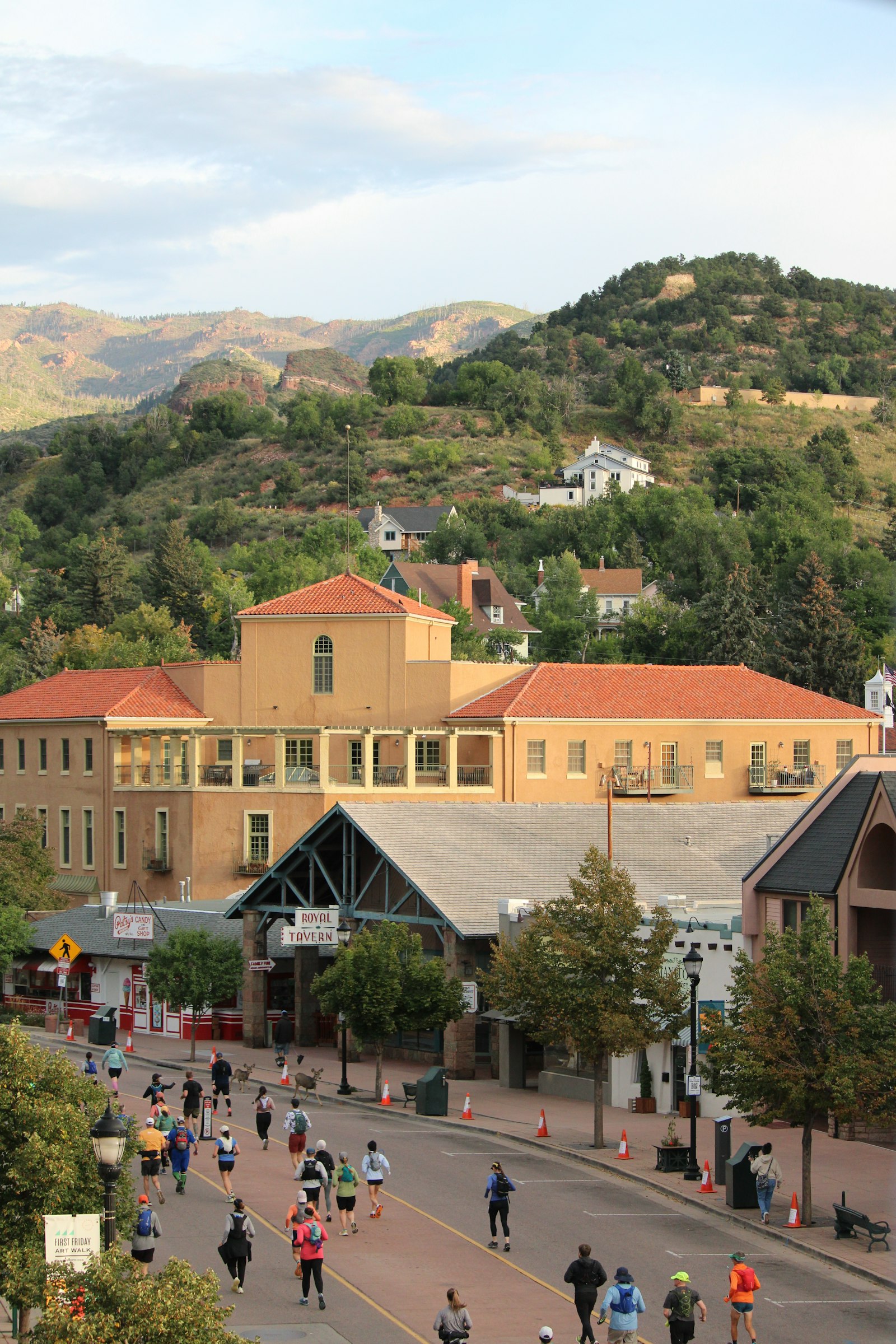
This Memorial Day Monday, more than 30,000 runners line up on Bolder Boulder Road for the 48th running of the BOLDERBoulder 10K — a race that takes them through the streets of Boulder, Colorado at 5,300 feet of elevation and finishes on the 50-yard line of Folsom Field. It is one of the largest 10Ks in the world, it is the unofficial start of summer racing, and it is also the biggest annual reminder that most American runners spend at least one race per year at an altitude their lungs and kidneys have never trained for.
Whether you are toeing the line in Boulder this morning, planning a summer trip to a mountain race in Leadville, Flagstaff, or Park City, or just heading to Colorado for a hiking vacation, the hydration plan that has worked for you at sea level will quietly fail you above about 5,000 feet. The physiology is different. The sweat math is different. And the gap between “I drank a lot of water” and “I actually replaced what I lost” is wider than most runners realize.
Why Altitude Dehydrates You Faster Than Sea Level
Three things happen to your fluid balance the moment you arrive at altitude, and all three of them pull water out of your body faster than you can taste it.
Respiratory water loss roughly doubles. Air above 5,000 feet is colder and dramatically drier than sea-level air, with relative humidity often dropping below 20 to 30 percent. Your lungs humidify every breath before delivering it to your blood, so every exhale at altitude carries more water out of you than it would in Miami or San Diego. The general rule from altitude physiologists is that you lose roughly 3 to 4 percent more water through breathing for every 1,000 feet you climb. By the time you are on the Bolder Boulder course at 5,300 feet, your respiratory losses are about 15 to 20 percent higher than your last training run at sea level — and that is before you start running hard.
Your kidneys flip into “altitude diuresis.” In the first 24 to 72 hours after arriving at elevation, your body responds to lower oxygen by hyperventilating, which raises blood pH and triggers your kidneys to dump bicarbonate, water, and a meaningful amount of sodium with it. Antidiuretic hormone (the signal that tells your kidneys to hold onto water) actually drops at altitude in the short term. The practical translation: you pee more, you pee saltier, and your blood plasma volume shrinks even if you have not broken a sweat yet.
You sweat more than you think you do. Because the air is so dry, sweat evaporates almost the instant it hits your skin. You finish a 10K up there and your shirt is barely damp. That is not a sign that you stayed cool — it is a sign that your sweat rate was working hard and you simply could not see the evidence. Most runners at altitude under-drink during the race because they do not feel the wet shirt cue they are used to at sea level.
The Sodium Problem at Altitude Is Bigger Than the Water Problem
Here is where most altitude advice goes wrong. The standard recommendation — “drink more water” — actively makes the problem worse if you do not also replace sodium. Altitude diuresis already pulls sodium out of you. Respiratory and skin losses pull more. If you arrive at the start line, drink a liter of plain water, and then drink another liter on the course, you are diluting an already-low sodium pool and walking yourself toward exercise-associated hyponatremia. Symptoms — nausea, headache, confusion, fatigue, poor coordination — look identical to acute mountain sickness, and at altitude the two often stack on top of each other.
Sports medicine guidance for high-altitude athletes converges on roughly 500 to 1,000 mg of sodium per liter of fluid for race-day intake, with total daily fluid needs of 4 to 6 liters once you are training or racing up there. That is a much higher sodium-to-water ratio than what most ready-to-drink sports drinks deliver out of the bottle.
The 72-Hour Pre-Race Plan
If you can arrive at altitude two or three days before your race, use the window deliberately. The hydration plan changes by day.
Days minus three and minus two. Drink to thirst plus about 500 mL extra per day, and add a sodium-loaded electrolyte serving (LMNT Recharge at 1,000 mg sodium, Precision Hydration PH 1500 at 1,500 mg, or two Nuun Sport tablets in 16 oz) in the morning and again with dinner. The goal is to stay ahead of the diuresis, not to “water-load.”
The night before. Salt your dinner generously. Sip an electrolyte drink with the meal instead of beer or wine — alcohol is a diuretic and the high-altitude version hits harder than the sea-level version. Stop fluids about 90 minutes before bed so you actually sleep.
Race morning. Drink 500 to 600 mL of a high-sodium mix (1,000 to 1,500 mg sodium total) about 90 minutes before the gun. Recent 2026 hydration research keeps reinforcing the same finding: a concentrated pre-race sodium bolus expands plasma volume, which is exactly what altitude has been quietly shrinking. Top off with 150 to 250 mL of plain water 20 minutes before you toe the line.
During the Race: Sip Small, Sip Salty
On a 10K like the Bolder Boulder, total fluid intake during the race itself is not the make-or-break variable — the pre-loading and the post-race window matter more. But the cool, dry air will tempt you to skip the aid stations entirely, and that is a mistake. Take a few sips of an electrolyte drink (not plain water) at every station you pass. Gatorade Endurance Formula at the larger aid stations delivers ~300 mg sodium per serving. If you are carrying your own bottle, mix Skratch Labs Sport (380 mg sodium per serving) or Nuun Sport stronger than the package suggests — bump one tablet to 12 oz instead of 16 — to match the higher-sodium need at elevation.
For longer mountain efforts — a half marathon at 7,000 feet, a Leadville training run, a Pikes Peak Ascent rep — target 500 to 750 mg of sodium per hour, not the 300 to 500 mg that works at sea level.
The Post-Race Window Is Where Altitude Recovery Is Won
The American College of Sports Medicine guideline of replacing 125 to 150 percent of fluid lost (measured by pre-race versus post-race body weight) is even more important at altitude, where you may be racing again the next day, hiking that afternoon, or just trying to sleep at a thin-air hotel.
This is the moment where a concentrated sodium shot earns its place in the gear bag. Fast Pickle 3 oz shots deliver roughly 570 mg of sodium in a small, refrigerated pour — useful when you are post-race, slightly nauseated from the altitude, and not interested in chugging another 16 oz bottle. Pair it with 16 to 20 oz of water or a recovery drink and you have re-set both the sodium and the fluid columns in one minute, instead of forcing down four cups of plain water in the finishing chute. SaltStick Caps (215 mg sodium each) serve a similar function for runners who prefer pills to liquids.
Magnesium becomes more relevant at altitude than at sea level too, since hypoxia stresses both oxygen transport and metabolic efficiency — both magnesium-dependent. Most high-quality electrolyte mixes include 60 to 90 mg per serving; check the label and lean toward the higher end on mountain weekends.
What Actually Goes in the Altitude Gear Bag
A simple build for a Bolder Boulder, a Leadville Trail Marathon training trip, or a Colorado hiking weekend looks like this. Pre-load with LMNT Recharge (1,000 mg sodium) or Precision Hydration PH 1500 (1,500 mg) the day before and morning of. Carry Skratch Labs Sport or Nuun Sport in your handheld or vest for the race itself. Grab Gatorade Endurance at the on-course aid stations rather than the standard Gatorade Thirst Quencher, which is lighter on sodium. Use Fast Pickle as the post-effort sodium anchor — one shot at the finish, one with dinner if you raced hard. Add Liquid I.V. Hydration Multiplier (500 mg) for the hotel room rehydration if you flew in from sea level the day before.
The pattern that works at altitude is the same pattern that works in the heat or on the bike: front-load sodium, sip small and salty during, and rebuild plasma volume aggressively in the first 30 to 90 minutes after you stop. The mountain just compresses the timeline and raises the cost of getting any of it wrong.
This article is for educational purposes and is not medical advice. If you have a heart, kidney, or blood pressure condition, are managing diabetes, or are pregnant, talk to your doctor or a registered sports dietitian before changing your sodium intake or attempting high-altitude exercise. Acute mountain sickness can become serious; descend and seek medical care if symptoms worsen.